Behestan Castle
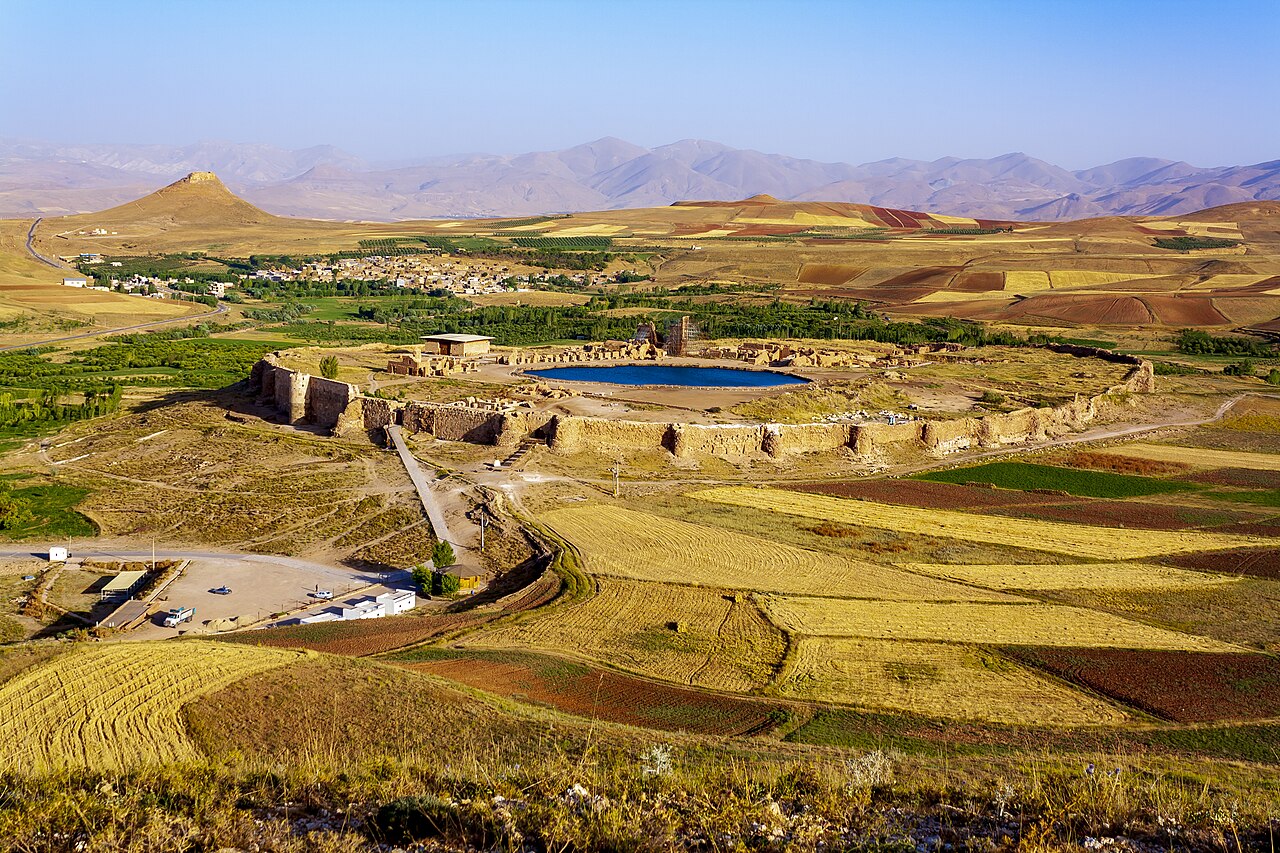
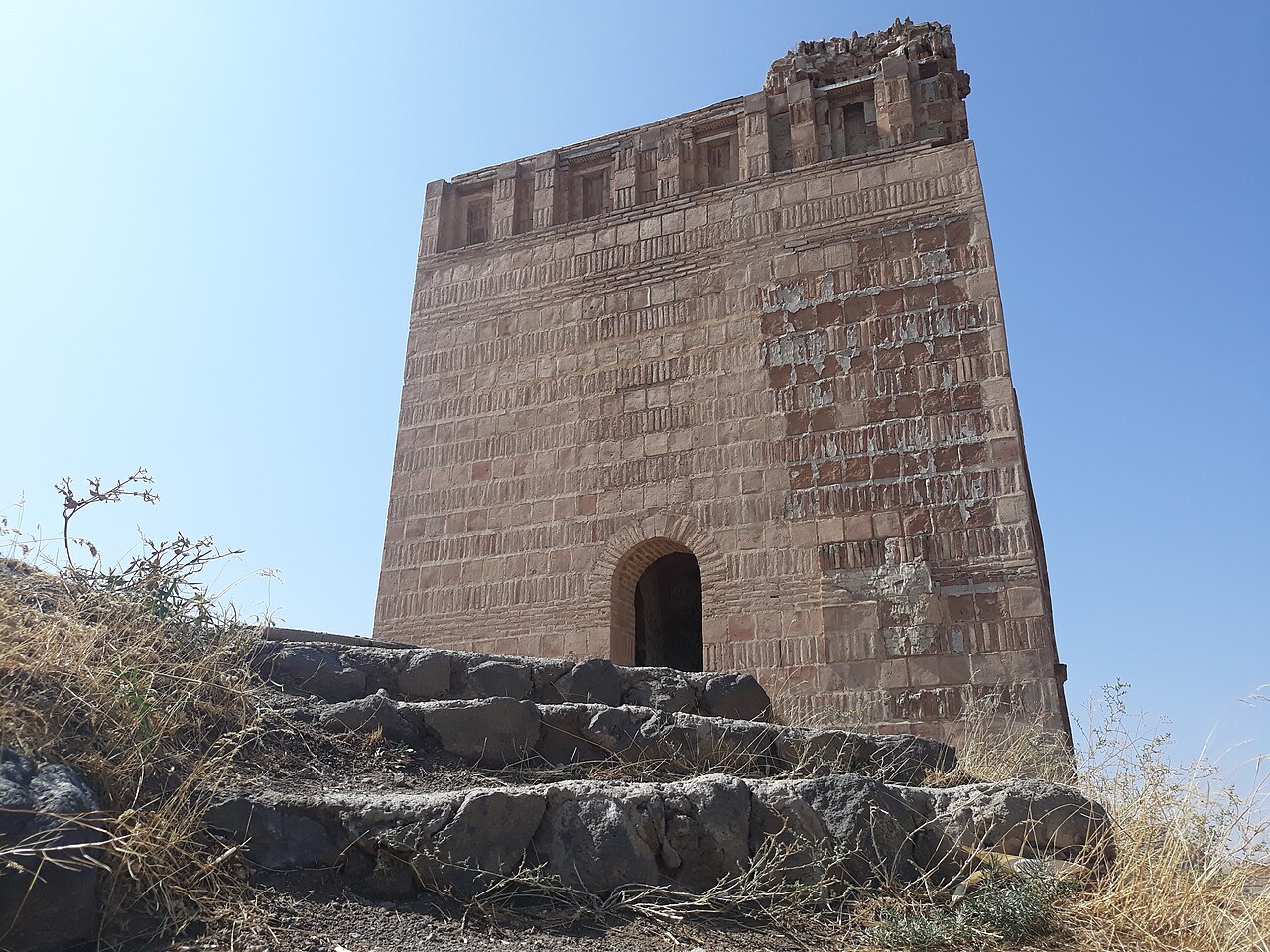
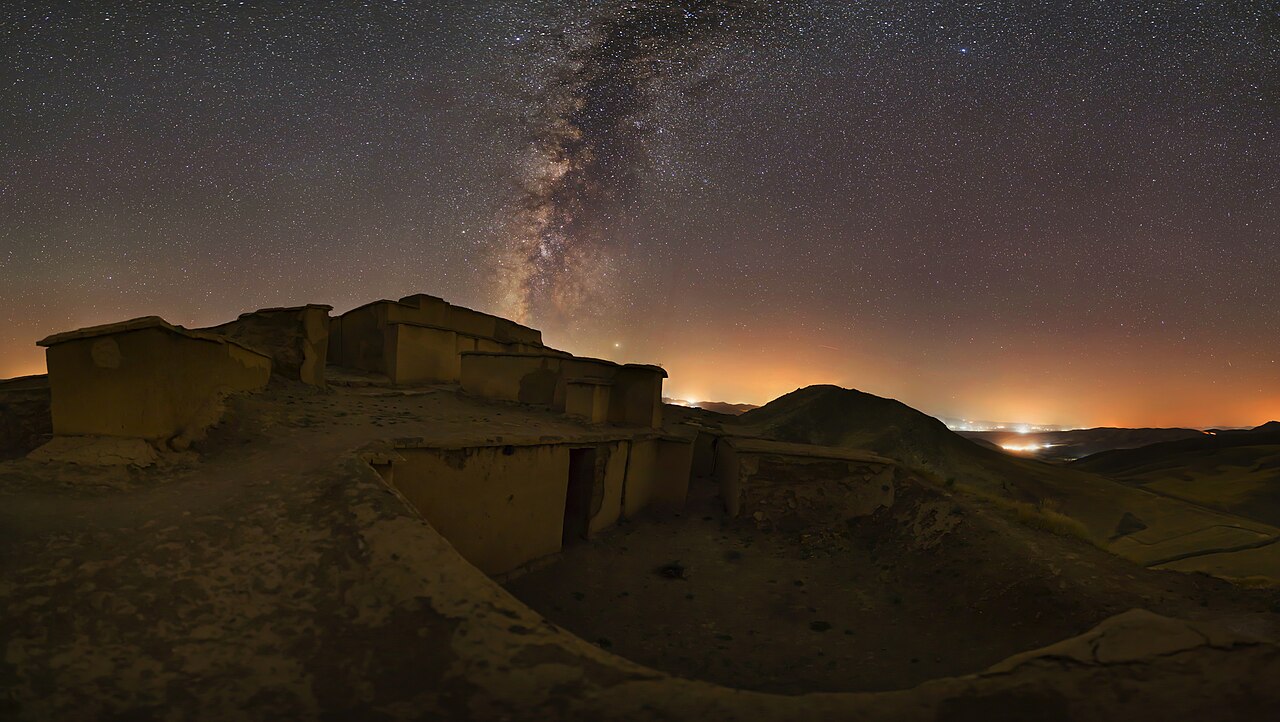
Behestan Castle is a remarkable example of ancient defensive architecture located near Behestan village in the Mahneshan area of Gilan province, Iran. This hill castle is carved directly into the mountain rock, showcasing a unique integration of natural geological formations with human construction. Its origins are somewhat shrouded in mystery, but the fortress is generally believed to have been initially built during the Sasanian Empire (224–651 CE), with some scholars suggesting that its foundations may even date back to earlier periods such as the Median or Achaemenid eras. This long historical span highlights the castle's enduring strategic importance in the region.
The castle's location in the rugged terrain of Gilan afforded it natural defensive advantages, which were further enhanced by its architectural design. The fortress was used continuously into the Islamic period, particularly flourishing from the 5th to the 7th centuries AH (approximately the 11th to 13th centuries CE). During this era, Behestan Castle served as a critical stronghold for local rulers and communities, offering protection against invasions and raids common in the region. The presence of a mihrab—a prayer niche added within one of the vaulted chambers—attests to its religious as well as military significance during the Islamic period.
Historical context and cultural significance
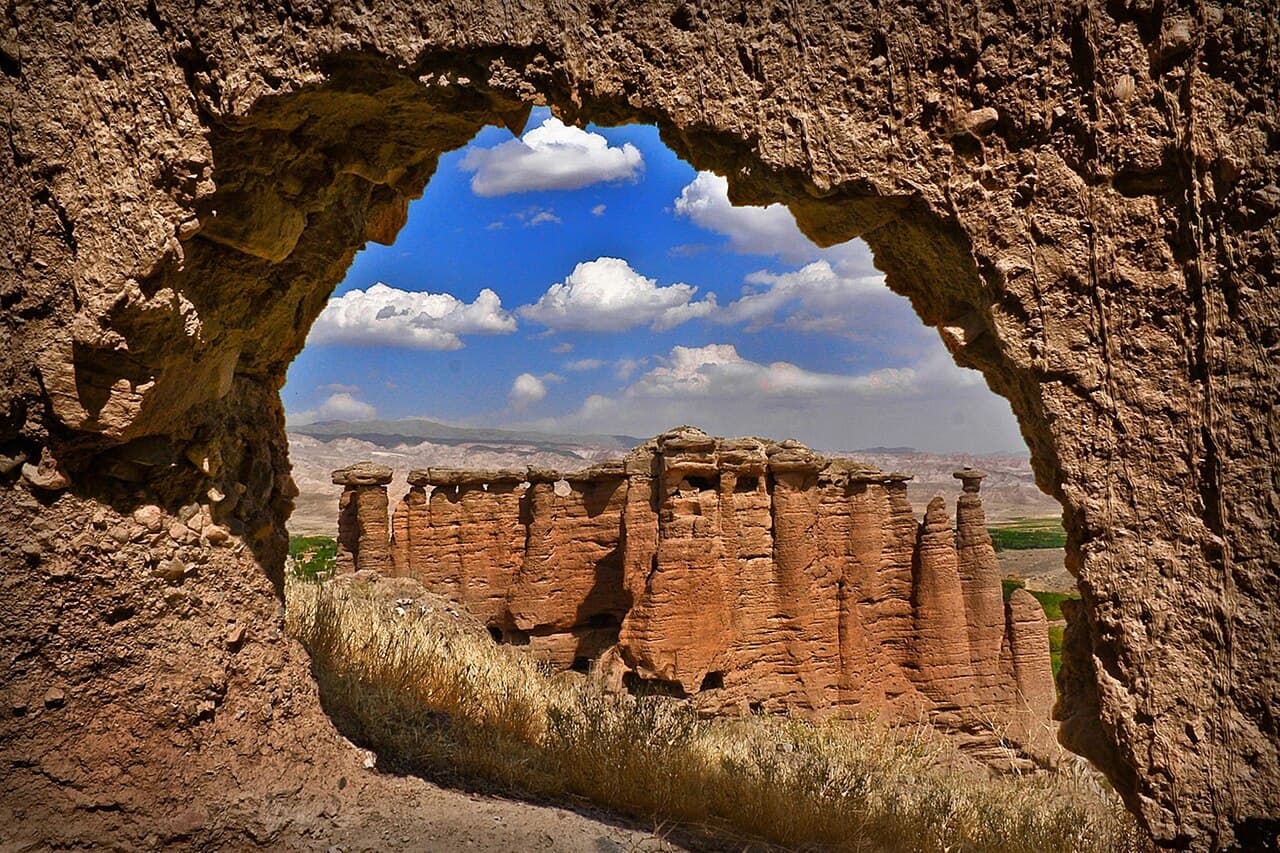
Behestan Castle is deeply embedded in local folklore, which adds a rich layer of cultural meaning to its physical presence. It is often referred to by evocative names such as “Doodkesh-e Jen” ("Chimney of the Jinn") and “Takht-e Div” ("Throne of the Demon"), inspired by the castle's distinctive chimney-like rock formations. These natural geological features, known as hoodoos, have been sculpted by centuries of erosion, giving the fortress an otherworldly silhouette that has fueled legends of supernatural beings. These stories reflect the castle’s imposing and mysterious character in the collective imagination of the local population.
The castle was actively used until at least the 5th century AH, after which its military relevance declined. Today, it stands as one of about twenty historical castles in the Mahneshan region and has been officially recognized on Iran’s National Heritage List since 1977. Its preservation offers valuable insights into the region’s layered history, from ancient empires to medieval Islamic governance.
Architectural features and design
Rock-cut construction and layout
One of the most striking aspects of Behestan Castle is its extensive use of natural rock formations as structural elements. The fortress is carved directly into the mountain, creating a complex network of interconnected rooms, corridors, and stairways. This rock-cut design follows a deliberate architectural plan that divides the space into functional zones. The castle comprises three main types of areas: living and storage chambers, winding corridors, and staircases that connect multiple levels.
Defensive stairways and vaulted chambers
The staircases are particularly notable for their design and strategic placement. Two prominent zigzagging stairways on the western and eastern sides begin near the lowest northern section and ascend to upper floors intended for defense. The northwest staircase remains relatively intact and leads to a vaulted chamber featuring the mosque-style mihrab, indicating the integration of religious function within the fortress. These stairways are approximately one meter wide and reflect Islamic architectural influences.
Within the rooms, some ceilings are vaulted with pointed arches, and the walls contain triangular and circular niches. These niches once held oil lamps, illuminating the interior spaces. The upper floors were finished with plaster, enhancing both aesthetics and protection. A notable feature is a stone and traditional mortar basin measuring about seven by three meters, supplied with water through clay pipes known locally as “Gong.” This sophisticated water management system underscores the castle’s self-sufficiency and the advanced engineering skills of its builders.
Geological and environmental context
The castle's exterior is remarkable for resembling a series of chimney-like rock formations, geologically classified as hoodoos. These natural pillars have been shaped by long-term erosion processes, which have contributed to the fortress's distinctive and dramatic silhouette. This geological context not only provided natural defense but also inspired the castle's evocative local names and legends.
Preservation and current condition
Over centuries, Behestan Castle has suffered from extensive erosion and structural damage, particularly affecting the lower staircases, which are now largely unsafe. Access to the upper sections generally requires climbing equipment, limiting casual visitation. Despite these challenges, many original architectural elements remain in place, offering valuable information about the castle’s multifaceted roles as a defensive fortress, residential complex, storage facility, and religious site.
As a well-preserved hill castle carved into natural rock, Behestan Castle stands as a testament to the ingenuity of ancient builders in Iran and the rich historical tapestry of the Gilan region. Its combination of natural geological features and human craftsmanship continues to attract historians, archaeologists, and visitors interested in the complex history of Iranian fortifications.
Frequently asked questions (FAQ)
- How do I get to Behestan Castle?
- Behestan Castle is located in the province of Lorestan, Iran. The best way to reach the castle is by car, as it is situated in a remote area. You can also take a bus to nearby towns and then hire a local taxi to complete your journey to the castle.
- What is the historical significance of Behestan Castle?
- Behestan Castle is a significant historical site that dates back to the Sassanid era. It served as a military stronghold and a royal residence, showcasing the strategic importance of the region. The castle's architecture reflects the ingenuity of ancient Persian builders and their understanding of defense mechanisms.
- When was Behestan Castle built?
- Behestan Castle was constructed during the Sassanid period, around the 5th to 6th century AD. Its construction reflects the architectural styles and defensive needs of that time. The castle has stood the test of time, providing insight into the historical development of the region.
- Can I visit Behestan Castle year-round?
- Yes, Behestan Castle is open to visitors year-round. However, the best time to visit is during spring and autumn when the weather is mild and pleasant. Summer can be quite hot, while winter may bring cooler temperatures, making it less ideal for exploration.
- Why is Behestan Castle an important architectural site?
- Behestan Castle is renowned for its unique architectural features, including its massive stone walls and intricate design. The castle exhibits a blend of functionality and aesthetics, reflecting the skills of ancient Persian architects. Its strategic location and durable construction make it an essential study for those interested in military architecture.
- Is it possible to access Behestan Castle for individuals with mobility issues?
- Access to Behestan Castle may be challenging for individuals with mobility issues due to its location and the terrain surrounding it. The pathway leading to the castle includes steep inclines and uneven surfaces. It is advisable to check with local guides for assistance and possible accommodation options.
- What are the ticket prices for visiting Behestan Castle?
- Entry to Behestan Castle usually requires a modest ticket fee, which contributes to the maintenance of the site. Prices may vary for locals and international tourists, so it's best to check current rates before your visit. Discounts may be available for students and groups.
- What are the opening hours for Behestan Castle?
- Behestan Castle typically opens to visitors at 9 AM and closes at 6 PM, but these hours may vary seasonally. It is recommended to arrive early to fully explore the site without crowds. Always check for any special events or closures that may affect visiting hours.
- Are there any nearby attractions to visit after Behestan Castle?
- Yes, there are several nearby attractions worth visiting after exploring Behestan Castle. The picturesque town of Khorramabad, known for its historical sites like Falak-ol-Aflak Castle, is just a short drive away. Visitors can also enjoy the natural beauty of Lorestan National Park, which offers hiking and scenic views.
Photo gallery

Information
Loading map...
Visitor reviews
No reviews yet. Been here? Write the first review and help other travelers!
Write the first reviewVisited this castle? Share your experience
Your review helps other travelers and adds first-hand knowledge to our encyclopedia.