Zile Castle
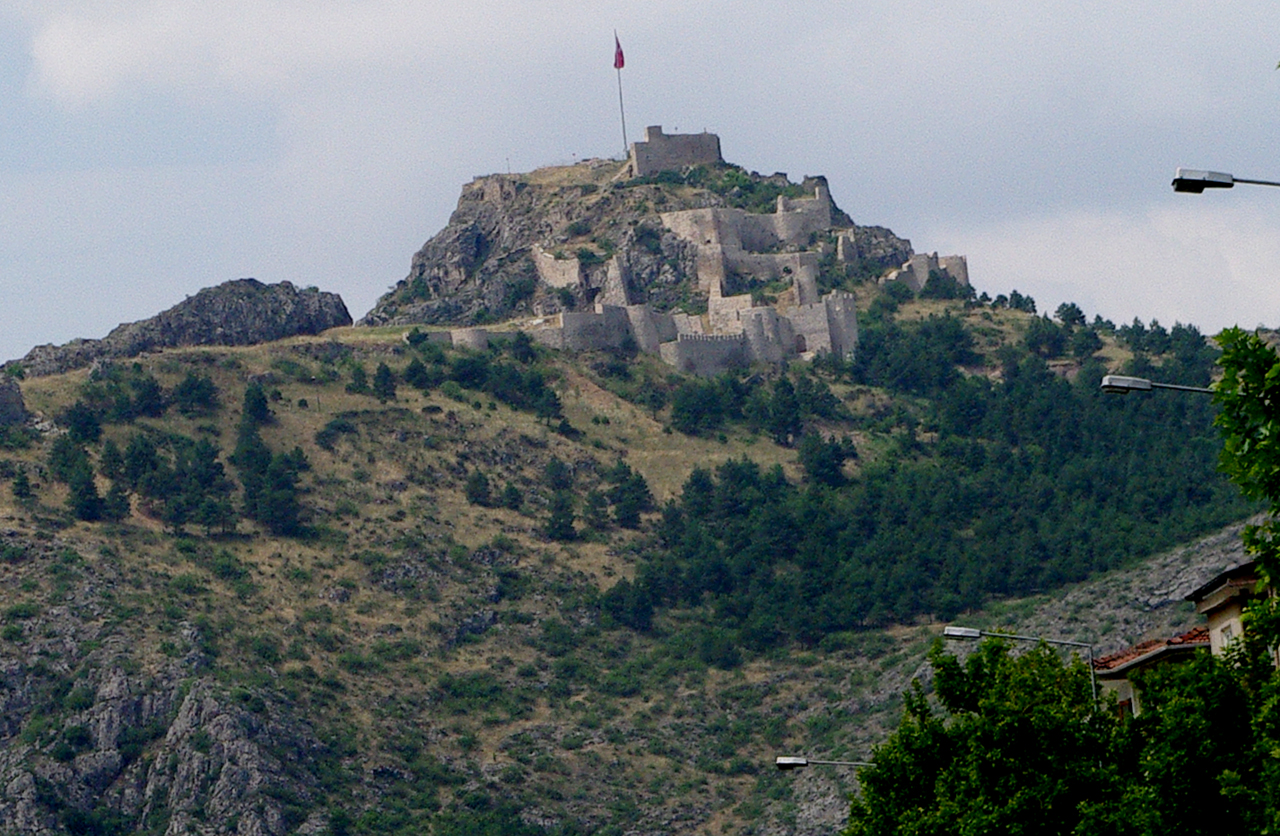
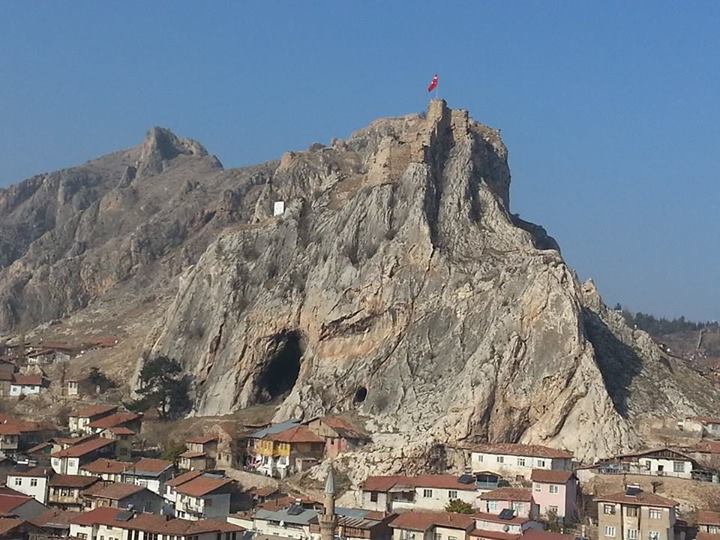
Zile Castle, locally known as Zile Kalesi, is a historic fortress situated in the heart of the town of Zile, in the Tokat province of Turkey. This castle occupies a strategic hilltop that has been a defensive site since ancient times, offering commanding views over the surrounding landscape. Its location and long history make it a significant monument reflecting the region's complex past from antiquity through the Ottoman period.
The origins of Zile Castle are traditionally attributed to Mithridates VI, King of Pontus, who is believed to have founded the fortress in the 1st century BC. However, some historical sources credit the Roman general Sulla with its construction. Given the area's habitation since the Neolithic period and the natural defensive advantages of the hill, it is plausible that the castle was built upon or near an older fortification.
The ancient and classical history of Zile
The town of Zile, historically known as Zela, has roots extending back to the Assyrian period. It was later ruled by the Persians for approximately two centuries until it was conquered by Alexander the Great in the 4th century BC. Following Alexander's death in 323 BC, control of Zela passed to the Seleucid Empire, and by the 1st century BC, it had become part of the Roman sphere of influence.
Mithridates VI seized Zela in 88 BC during his conflict with Rome, ordering the massacre of Roman inhabitants. The Roman general Sulla then led a campaign to recapture the town during the First Mithridatic War. The castle and town saw further military action when Mithridates attacked again in 67 BC, and later when his son, Pharnaces II of Pontus, attempted to reclaim the city in 47 BC. The decisive battle occurred when Julius Caesar defeated Pharnaces in a swift engagement famously commemorated by Caesar's phrase "Veni, vidi, vici" — "I came, I saw, I conquered." This battle underscored the strategic importance of Zile Castle and its environs in controlling the region.
Medieval and Ottoman periods
Between the years 241 and 1071 AD, Zile Castle was contested by various powers, notably the Sasanids and the Byzantines. This period of frequent change reflects the castle's value as a military stronghold on the frontier between empires. Eventually, the castle was captured by the Danishmends, a Turkish dynasty, before becoming part of the Ottoman Empire in 1397.
During the Ottoman era, the castle gained administrative prominence around 1574, succeeding Behramşah Castle as a regional center of governance. Architectural additions from this period include a minaret constructed in 1336 atop the castle gate, which was later fitted with a clock in 1875. Although the clock is no longer operational, these features highlight the castle's continued functional and symbolic importance through centuries.
Modern history and restoration
In the 20th century, Zile Castle played a role during the Turkish War of Independence. Local factions supporting Sharia law seized control of the town and attacked army barracks, forcing soldiers to retreat to the castle for defense. The Turkish army relieved the siege after four days by bombarding the town, leading to the rebels' surrender.
Recent decades have seen significant restoration efforts aimed at preserving the castle's remains and adapting the site for public use. The castle grounds now function as a public park featuring archaeological displays of local finds and a restored Ottoman hall. Visitors can explore a water tunnel leading to an underground cistern, an example of the castle's historical infrastructure for water storage and defense.
Architectural features and visitor experience
While much of the castle has been restored or altered over time, the castle gate remains one of the most historically authentic elements. The overall structure today reflects layers of construction spanning from the Early Medieval period through the Ottoman era. The site offers insight into military architecture adapted to changing technologies and rulers.
The castle is freely accessible during daytime hours, inviting visitors to explore its grounds and the small museum housed within the park. Although the fortress does not retain a fully medieval appearance, the combination of historical significance, archaeological exhibits, and the scenic hilltop location make it a worthwhile destination for those interested in the history of Anatolia and its fortifications.
Frequently asked questions (FAQ)
- How do I get to Zile Castle?
- Zile Castle is located in the town center of Zile in Tokat province, Turkey. It is accessible by local roads and is within walking distance from the town's main areas.
- What is the historical significance of Zile Castle?
- Zile Castle has a rich history dating back to the 1st century BC and was a strategic military site during the conflicts involving Mithridates VI, Julius Caesar, and later the Ottoman Empire.
- Can I visit the interior of Zile Castle?
- The castle grounds are open to the public during daytime hours. Visitors can explore the restored areas, including the Ottoman hall and archaeological displays, but some parts of the castle are ruins or under preservation.
- When is the best time to visit Zile Castle?
- The castle is accessible year-round during daylight hours. Spring and autumn offer pleasant weather for exploring the site and enjoying the views from the hilltop.
- Is there an admission fee to enter Zile Castle?
- Admission to Zile Castle and its grounds is free, making it an accessible historical site for all visitors.
Information
Opening hours
Daytime, daily
Ticket prices
Free
Current owner
Municipality
Address
Sezar Yolu, Zile, Tokat, Turkey
Loading map...
Visitor reviews
No reviews yet. Been here? Write the first review and help other travelers!
Write the first reviewVisited this castle? Share your experience
Your review helps other travelers and adds first-hand knowledge to our encyclopedia.