Turhal Castle
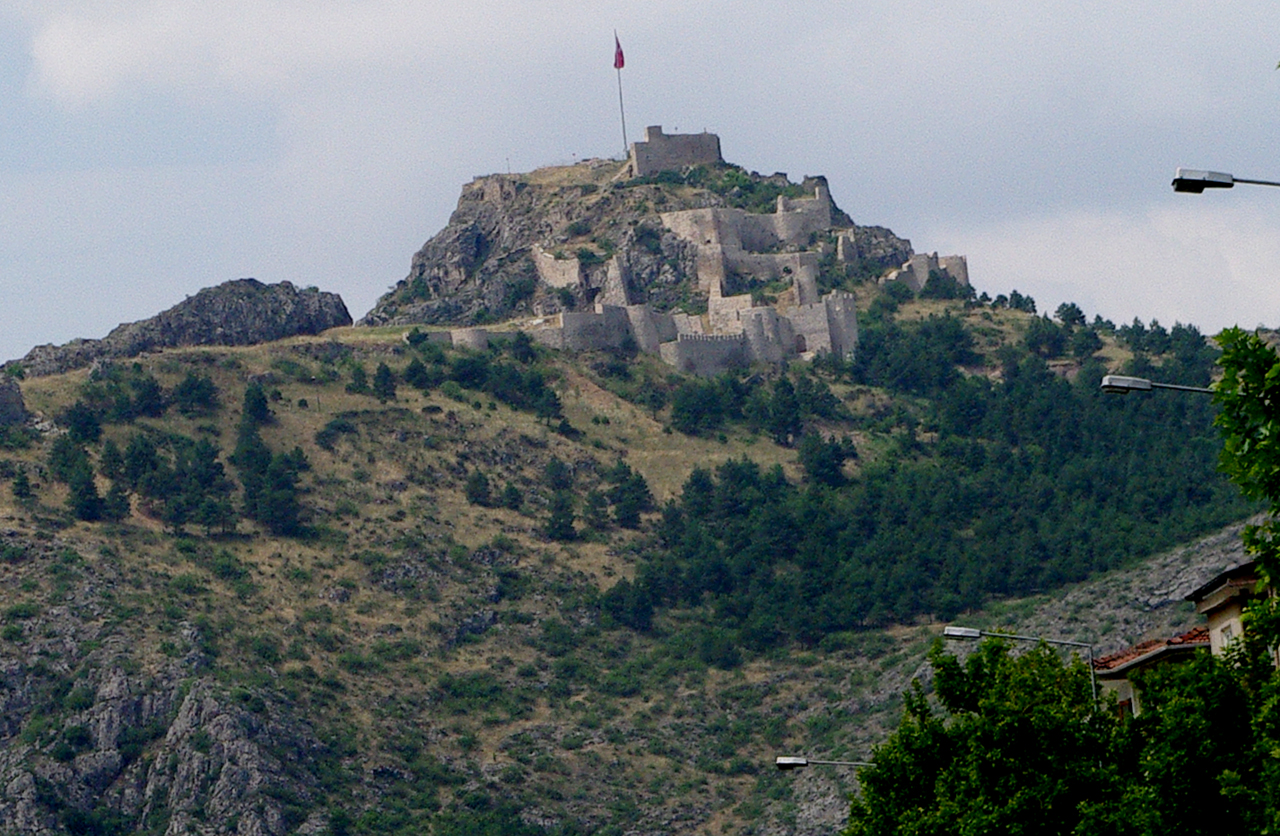
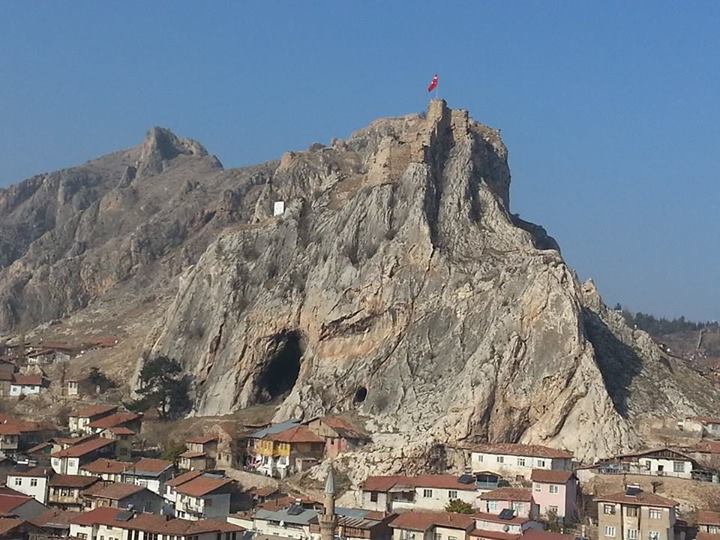
Turhal Castle, locally known as Turhal Kalesi, is a historic hilltop fortress located in the center of Turhal town in Tokat Province, Turkey. Perched atop a steep rock approximately 180 meters above the surrounding plain, the castle occupies a commanding strategic position overlooking the town and the Yeşilırmak River (ancient Iris River). The site's history spans multiple eras, with archaeological evidence pointing to continuous occupation from the Iron Age through Classical Antiquity, Hellenistic, Byzantine, and Ottoman periods.
The earliest known mention of the settlement dates back to the Greek geographer Strabo, who referred to it as Talaura and described it as a fortress. Following the death of Alexander the Great in 323 BC, the region came under the control of the Kingdom of Pontus. The Pontic rulers constructed a strong fortress on the rocky hill adjacent to the Iris River to secure control over the region. During the Third Mithridatic War in the 1st century BC, the fortress was captured and destroyed by the Roman general Pompey. Subsequently, the Romans rebuilt the fortress to control traffic to and from the nearby city of Amasya.
Historical significance and ownership through the ages
With the division of the Roman Empire in 395 AD, Turhal Castle passed into the hands of the Byzantine Empire. The fortress endured raids by the Sasanids in the 5th century and later by the Arabs in the 8th century, reflecting the turbulent frontier status of the region. In 1071, the castle was captured by the Danishmends, a Turkish dynasty that controlled parts of Anatolia. Subsequently, ownership passed through several Anatolian powers including the Seljuks, the Ilkhanids, and the Eretnids, before finally being incorporated into the Ottoman Empire in the 1390s. After a brief occupation by the forces of the Mongol conqueror Timur, the castle reverted to Ottoman control in 1413.
Historical records after the 15th century are scarce, but the castle appears to have retained some military function well into the early 20th century. Photographic evidence from earlier periods shows numerous antennas atop the castle hill, and remnants of concrete foundations and small buildings within the precinct suggest continued use for military or communication purposes. An old piece of artillery from the early 20th century was also found discarded on site, indicating its strategic relevance persisted into the modern era.
Architectural features and archaeological remains
The castle ruins today consist primarily of two turrets and rebuilt wall foundations, consolidated during restoration efforts in the last decade. The construction predominantly features large stone blocks typical of ancient masonry, interspersed with later repairs and reinforcements using more modern stonework. The fortress layout is complex, adapted to the rugged terrain of the rocky hill.
One of the most remarkable features is a steep tunnel cut into the rock, reportedly comprising 350 steps leading down to a water source near the riverside. Local legend claims the tunnel extends beneath an inn by the river, highlighting the ingenuity of the castle’s water supply system. Visitors should exercise caution due to unguarded openings of underground cisterns within the site.
Inside the castle, archaeologists have uncovered large grain silos, indicating the fortress also functioned as a storage site to support inhabitants during sieges or periods of isolation. The presence of Greek inscriptions found on the site confirms its cultural connections to the Hellenistic and Byzantine periods.
The castle features a passage extending toward the center of the rock with a well-preserved staircase ascending, while the descending stairs show significant damage. The ruins include remains of a fortress gate and various walls, some largely ruined and others reconstructed or reinforced in later periods.
Cultural and historical context
Turhal Castle’s location atop a rugged rock overlooking the Yeşilırmak River and the surrounding plain has made it a key strategic site for controlling regional traffic and defense throughout history. Its association with the ancient city of Gaziura and its continuous use from the Iron Age through Classical Antiquity and the Byzantine era reflect its long-standing military and administrative importance.
The castle’s layered history is visible in its diverse architectural elements and archaeological remains, which document adaptations through successive periods and rulers. Its role evolved from a Hellenistic fortress to a Byzantine military stronghold and later an Ottoman defensive site, illustrating the complex history of Anatolia’s frontier regions.
Visiting turhal castle today
Today, Turhal Castle is freely accessible to visitors. While the site presents a curious mix of ancient ruins and more recent constructions, it offers a unique glimpse into the region’s rich historical tapestry. Visitors should be cautious around the unguarded underground cisterns and steep tunnels.
The castle’s elevated position provides panoramic views of Turhal town and the surrounding landscape, making it a rewarding destination for those interested in history, archaeology, and castle architecture. Despite its partly ruined condition, the site remains a significant cultural landmark in Tokat Province.
Frequently asked questions (FAQ)
- What is the historical significance of Turhal Castle?
- Turhal Castle, located in Turhal, Turkey, dates back to the Byzantine period and has seen various rulers throughout its history, including the Seljuks and Ottomans. It played a crucial role in the defense of the region and is a testament to the architectural prowess of its time, showcasing the blend of different cultural influences.
- When was Turhal Castle built?
- The exact date of construction for Turhal Castle is uncertain, but it is believed to have been established in the 11th century during the Byzantine era. The castle has undergone various modifications and restorations over the centuries, reflecting the changing needs of its occupants.
- Is it possible to visit Turhal Castle?
- Yes, Turhal Castle is open to visitors, allowing them to explore its historical grounds and enjoy panoramic views of the surrounding landscape. It is advisable to check local guidelines and opening hours before your visit to ensure a smooth experience.
- What are the opening hours for Turhal Castle?
- Turhal Castle is typically open to visitors from 9 AM to 6 PM during the weekdays and may have extended hours on weekends. However, it's best to verify the current hours prior to your visit, as they may vary seasonally or during holidays.
- Can I find nearby attractions to visit while at Turhal Castle?
- Yes, there are several nearby attractions, including the picturesque landscapes of the Black Sea region and local museums that showcase the rich history of Turhal. After exploring the castle, visitors can enjoy the beautiful nature trails and local cuisine in the vicinity.
- What is the best time to visit Turhal Castle?
- The best time to visit Turhal Castle is during the spring and fall when the weather is mild and perfect for outdoor exploration. Summer can be quite hot, while winter may bring colder temperatures, making spring and fall ideal for a comfortable experience.
- How do I get to Turhal Castle?
- Turhal Castle is easily accessible by car or public transportation from major cities in Turkey. Local buses frequently connect Turhal with surrounding areas, and driving offers the added benefit of enjoying scenic views along the way.
- Are there any ticket prices for visiting Turhal Castle?
- Currently, there is no admission fee to enter Turhal Castle, making it an affordable historical site to explore. However, it's wise to check for any changes in policies or potential fees for guided tours or special events.
- Is Turhal Castle accessible for visitors with disabilities?
- While Turhal Castle is an ancient site with some uneven terrain, efforts have been made to improve accessibility for all visitors. It is recommended to contact local tourism offices for specific information about wheelchair access and assistance options available on-site.
Information
Address
Hacıbektaş Veli Sk., Turkey
Loading map...
Visitor reviews
No reviews yet. Been here? Write the first review and help other travelers!
Write the first reviewVisited this castle? Share your experience
Your review helps other travelers and adds first-hand knowledge to our encyclopedia.