Zhonghua Gate
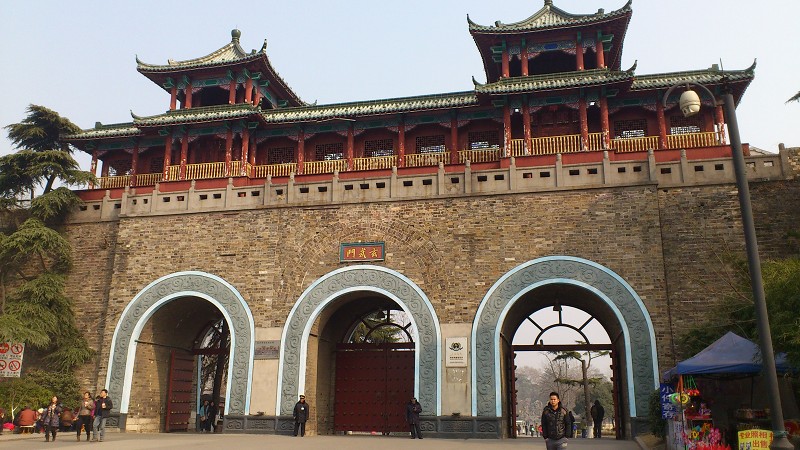
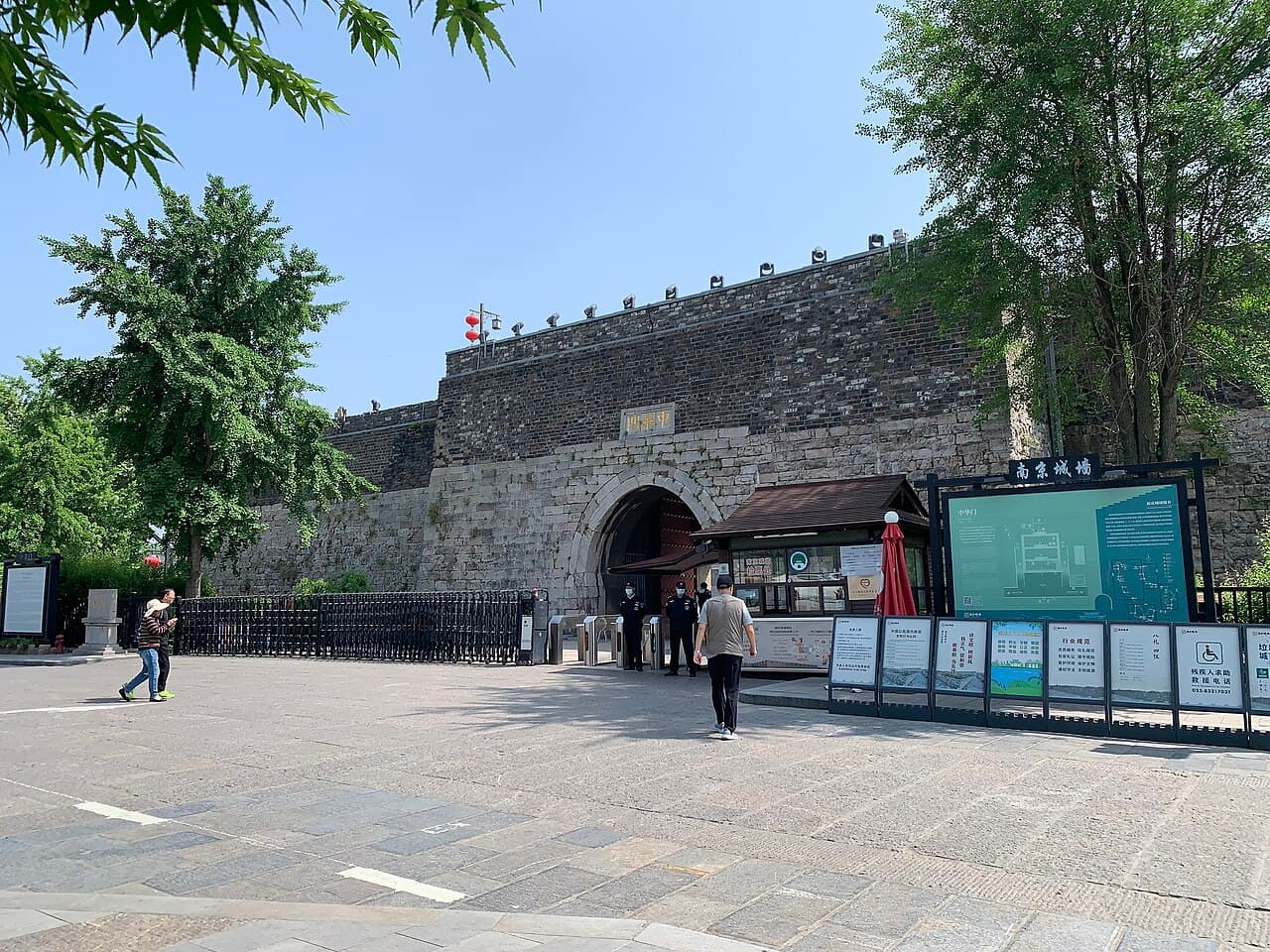
The Zhonghua Gate (traditional Chinese: 中華門; simplified Chinese: 中华门; pinyin: Zhōnghuámén) stands as a remarkable example of ancient Chinese military architecture. It serves as the southern gate of Nanjing, one of the most historically significant cities in China. The gate is part of the extensive City Wall of Nanjing, which is renowned for its size, complexity, and exceptional preservation. Zhonghua Gate is distinguished by its intricate defensive design, making it one of the most complex and well-preserved bastioned fortress gates in the world.
Historical context and construction
The construction of Zhonghua Gate dates back to the 14th century, during the Late Medieval period of Chinese history, under the reign of the Hongwu Emperor (1328–1398), founder of the Ming Dynasty (1368–1644). After establishing Nanjing as the capital in 1368, the emperor prioritized fortifying the city to secure his newly founded dynasty. The gate and the surrounding city wall were designed to defend against both internal rebellions and external threats, including coastal pirates.
The construction of the entire City Wall of Nanjing involved the labor of approximately 200,000 workers over twenty-one years. The project required moving around 7 million cubic meters of earth, resulting in one of the largest city walls ever built in China. The wall encloses an area of about 55 square kilometers, reflecting the scale and ambition of Ming-era urban defense.
Architectural design and defensive features
Zhonghua Gate is a prime example of a bastioned fortress, a type of fortification that incorporates multiple defensive layers and complex gate structures. The gate complex features multiple gatehouses, arrow slits, murder holes, and moats designed to slow and trap enemy forces. Its layout includes a series of courtyards and barbicans that create choke points for attackers.
The gate's design reflects advanced military engineering principles of the Ming Dynasty, combining traditional Chinese fortification techniques with innovations to enhance defense. The walls are thick and built from bricks and stones, with battlements and parapets providing vantage points for defenders. The gate's multiple layers of defense made it extremely difficult for invaders to penetrate.
Gate complex and passageways
The gate complex consists of three main gates arranged in a staggered pattern, connected by winding passageways. This design forces attackers to navigate a maze-like route under constant threat from defenders positioned above. The passageways are flanked by high walls, creating a confined space where invaders could be targeted from multiple angles.
Within the gate complex, there are also chambers and platforms for archers and artillery, allowing defenders to repel sieges effectively. The complex includes a moat that further enhances its defensive capabilities by preventing direct assaults on the gate walls.
Strategic importance and historical role
As the southern entrance to Nanjing, Zhonghua Gate held significant strategic importance. It controlled access to the city from the south and was a critical point in the city's defense system. Throughout history, the gate witnessed numerous military engagements and served as a symbol of the Ming Dynasty's strength and architectural ingenuity.
The gate's robust construction and strategic design helped protect Nanjing during various conflicts, including internal uprisings and external invasions. Its preservation today offers valuable insights into Ming military architecture and urban planning.
Preservation and current status
Today, Zhonghua Gate is well preserved and remains one of the most significant historical monuments in Nanjing. It attracts scholars, historians, and tourists interested in Chinese history and ancient fortifications. The gate's preservation allows visitors to explore its extensive defensive structures and appreciate the scale and complexity of Ming-era fortifications.
The site is managed to maintain its historical integrity while accommodating public access. Visitors can walk through the gate complex, explore its passageways, and observe the architectural details that have survived for over six centuries.
Architectural significance and cultural heritage
Zhonghua Gate exemplifies the advanced military architecture of the Ming Dynasty. Its design incorporates multiple defensive elements that were innovative for its time, blending functionality with imposing aesthetics. The gate's massive scale and intricate layout reflect the importance placed on city defense during a period of political consolidation and external threats.
The gate is also a cultural symbol of Nanjing, representing the city's historical role as a political and military center. Its preservation contributes to understanding China's urban development and defensive strategies during the Late Medieval period.
Frequently asked questions (FAQ)
- How do I get to Zhonghua Gate?
- Zhonghua Gate is located in Nanjing, China, and is easily accessible via public transportation, including buses and the metro. The nearest metro station is the Zhonghua Gate Station, which is just a short walk away from the entrance.
- What is the historical significance of Zhonghua Gate?
- Zhonghua Gate, also known as the Gate of China, is one of the largest and most well-preserved ancient city gates in China. Built during the Ming Dynasty in the 14th century, it served as a vital defense structure and a symbol of the city’s strength and resilience.
- When was Zhonghua Gate constructed?
- Zhonghua Gate was constructed between 1366 and 1386 during the Ming Dynasty. It was designed as part of the defensive walls surrounding the city of Nanjing, which was the capital at that time.
- Can I take photographs inside Zhonghua Gate?
- Yes, visitors are welcome to take photographs inside and around Zhonghua Gate. The impressive architecture and scenic views make it a popular spot for photography enthusiasts.
- Why is Zhonghua Gate considered an architectural marvel?
- Zhonghua Gate is renowned for its unique blending of military and architectural design, featuring a multi-layered structure that includes watchtowers and a labyrinth of passages. This gate exemplifies the advanced engineering techniques of the Ming Dynasty and reflects the historical importance of fortifications in ancient China.
- Is it possible to tour Zhonghua Gate with a guide?
- Yes, guided tours are available for visitors who wish to gain deeper insights into the history and architecture of Zhonghua Gate. These tours often include informative commentary from knowledgeable guides who can enhance your experience.
- What are the opening hours for Zhonghua Gate?
- Zhonghua Gate is typically open to visitors from 8:30 AM to 5:30 PM, but hours may vary seasonally. It is advisable to check the official website or local resources for the most current information before your visit.
- What is the ticket price to enter Zhonghua Gate?
- The entry fee for Zhonghua Gate is generally around 20 RMB for adults, with discounts available for students and seniors. Children under a certain age may enter for free, but it's best to confirm the latest prices on the official site prior to your visit.
- What is the best time to visit Zhonghua Gate?
- The best time to visit Zhonghua Gate is during the spring and autumn months when the weather is mild and pleasant. Additionally, visiting during weekdays can help you avoid larger crowds, allowing for a more enjoyable experience.
- Are there any nearby attractions to Zhonghua Gate?
- Yes, there are several attractions near Zhonghua Gate, including the Ming Xiaoling Mausoleum and the Nanjing Yangtze River Bridge. These sites offer further insight into the rich history and culture of Nanjing and are easily reachable from the gate.
Photo gallery

Information
Loading map...
Visitor reviews
No reviews yet. Been here? Write the first review and help other travelers!
Write the first reviewVisited this castle? Share your experience
Your review helps other travelers and adds first-hand knowledge to our encyclopedia.