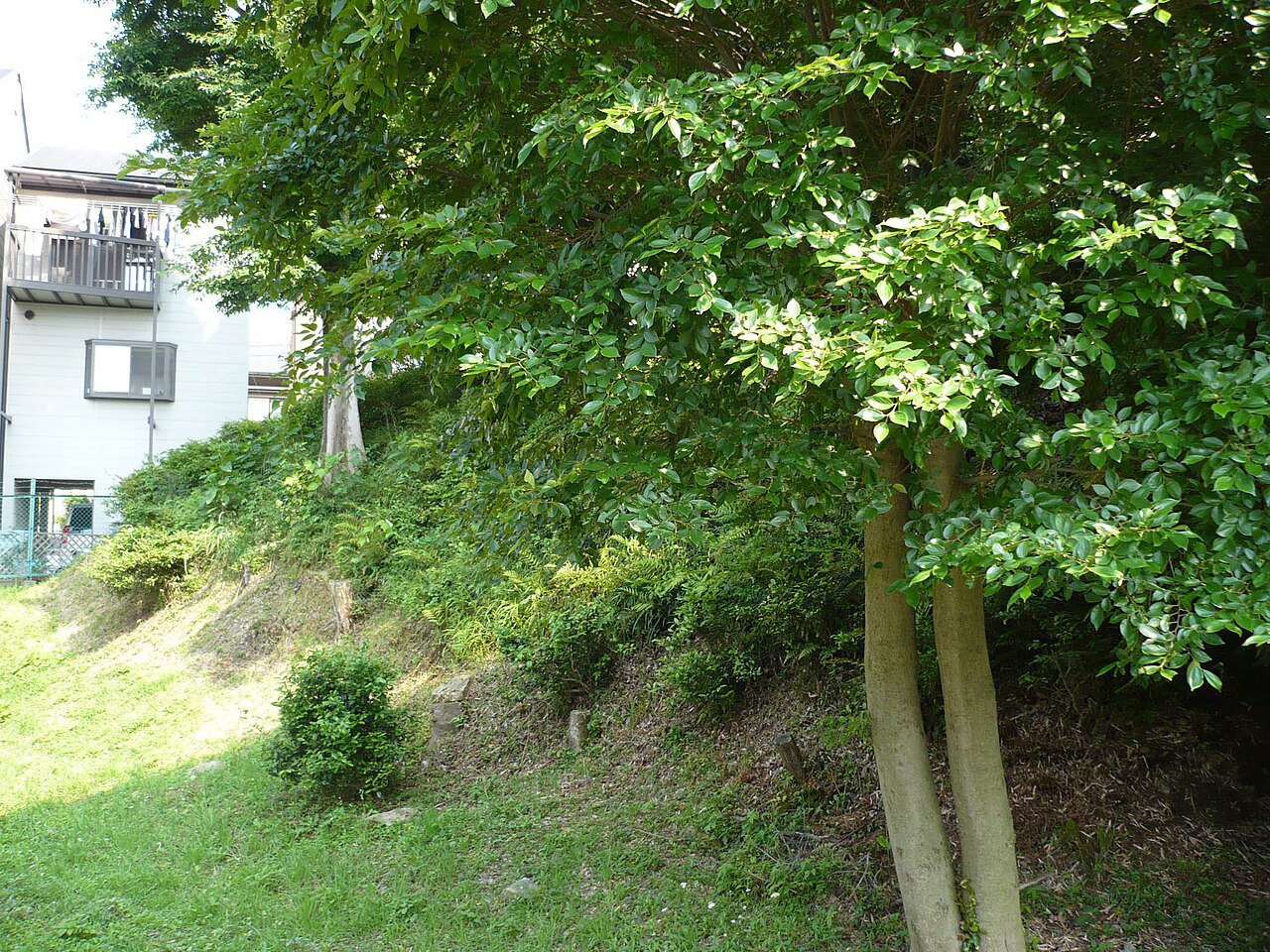
Zeze Castle — Japan castle

Zeze Castle

Zeze Castle in Ōtsu, Shiga Prefecture, Japan
Ōtsu, Japan
Renaissance (15th–17th c.)
Partially Preserved

Zeze Castle (Zeze-jō, 膳所城) is a notable hirashiro-style Japanese castle situated in the eastern part of the city of Ōtsu, within Shiga Prefecture, Japan. Constructed in the early 17th century, this castle played a significant role during the Edo period as a strategic fortification guarding the approaches to the ancient capital of Kyoto. Its location on a hill overlooking the shores of Lake Biwa provided both defensive advantages and control over important transportation routes.

Historical context and construction

Zeze Castle was originally built in 1601 by Todo Takatora, a renowned castle architect and daimyo known for his expertise in castle design and fortifications. The castle was constructed as a hill castle (hirayamajiro), combining natural topography with man-made defenses. It was part of the Tokugawa shogunate's efforts to secure the region and maintain control over strategic points around Kyoto.

The castle's design reflected the military architectural principles of the early Edo period, incorporating stone walls, moats, and multiple baileys to create layered defenses. Zeze Castle's layout was influenced by the need to defend against both land and water-based attacks, given its proximity to Lake Biwa.

Architectural features and style

Zeze Castle is classified as a hill castle due to its construction on elevated terrain, which allowed defenders to monitor and control the surrounding area effectively. Unlike many castles built on mountains or plains, hirashiro-style castles like Zeze use a combination of hilltop positioning and flat land for their complex.

The castle's architecture reflects early Edo period military design rather than Renaissance European styles, which is consistent with Japanese castle-building traditions. It featured a main keep (tenshu), although the original tenshu was destroyed during later conflicts and was not reconstructed.

The castle grounds included multiple baileys (kuruwa) surrounded by stone ramparts and deep moats. Gates and watchtowers were strategically placed to strengthen the defense system. The use of earthen walls (dorui) and wooden structures was typical of Japanese castles of this era.

Historical significance and events

Zeze Castle served as the seat of the Zeze Domain, which was governed by various daimyo families throughout the Edo period. Its position made it a key military and administrative center in the region.

During the late Edo period, the castle saw reduced military importance as Japan entered a period of relative peace under the Tokugawa shogunate. However, it remained a symbol of feudal authority and regional governance.

In the Meiji Restoration, many Japanese castles were dismantled or repurposed, and Zeze Castle was no exception. Much of its original structures were lost due to demolition and natural decay, leaving only remnants and ruins today.

Current condition and preservation

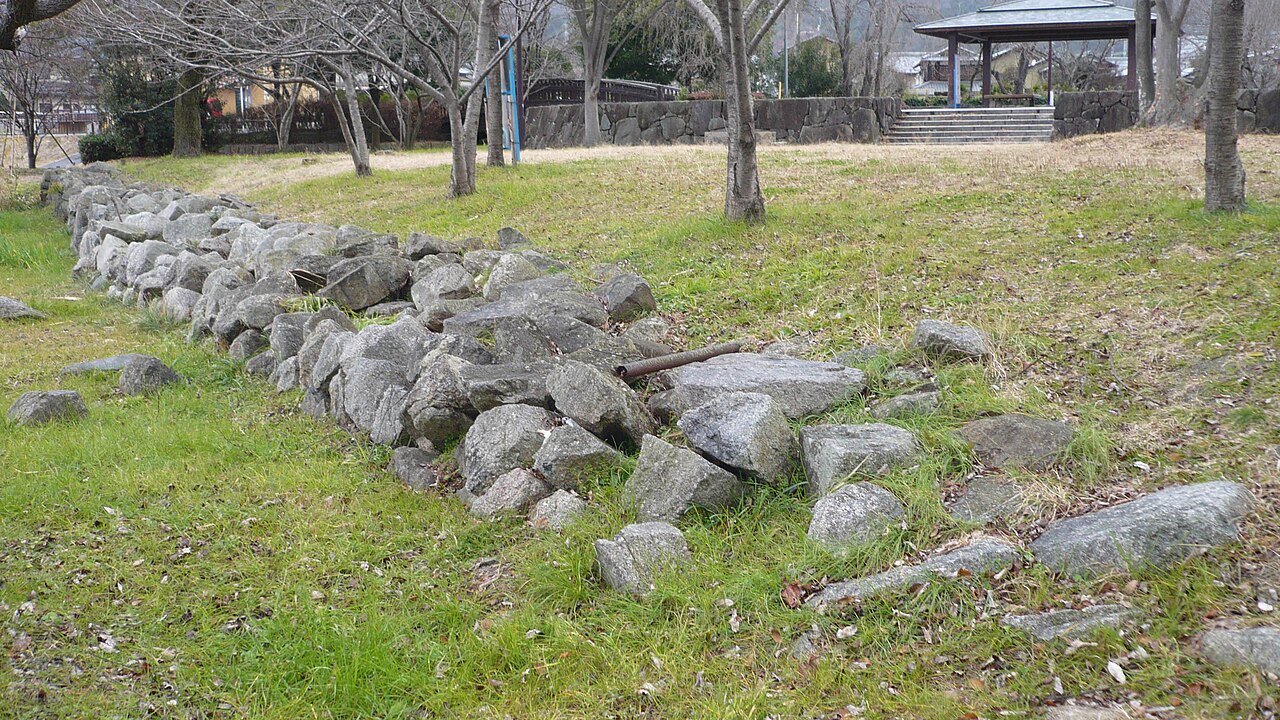
Today, Zeze Castle is classified as partially preserved. Visitors can explore the remaining stone walls, moats, and some reconstructed gates that hint at the castle's original grandeur. The site is a popular historical landmark in Ōtsu and is accessible to the public.

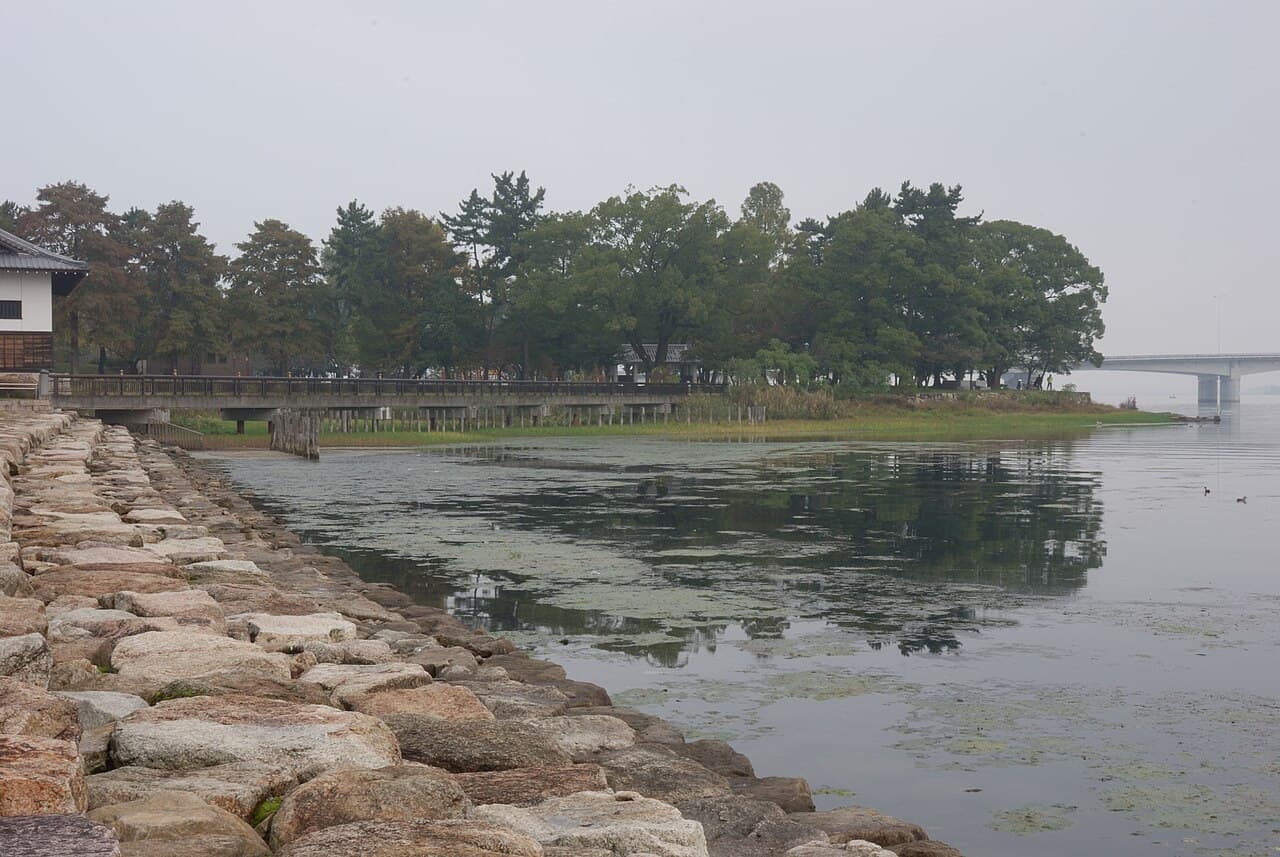
The castle grounds have been developed into a public park, offering scenic views of Lake Biwa and the surrounding landscape. Efforts to preserve and maintain the site continue, emphasizing its cultural and historical importance.

Visiting Zeze Castle

Zeze Castle is open to visitors year-round, with no admission fee for the castle grounds. The location is accessible by public transportation from Ōtsu city center. Walking trails around the site provide opportunities to appreciate the castle's defensive layout and natural surroundings.

Nearby attractions include Lake Biwa, historic temples, and museums that complement the cultural experience of visiting Zeze Castle.

Frequently asked questions (FAQ)

What is the historical significance of Zeze Castle?
Zeze Castle, built in the early 17th century, played a crucial role in the feudal era of Japan. It was strategically located to control the transportation routes between the capital and the western regions, showcasing the military architecture of its time.
When was Zeze Castle constructed?
Construction of Zeze Castle began in 1601 and was completed in 1604. It was built by the powerful feudal lord, Tadaoki Hosokawa, and has since been a symbol of the region's rich history.
What are the opening hours for Zeze Castle?
Zeze Castle is open to visitors from 9:00 AM to 5:00 PM, with last admissions at 4:30 PM. It is advisable to check for any seasonal changes in hours or special closures before planning your visit.
Can I access Zeze Castle with a wheelchair?
Yes, Zeze Castle is equipped with accessible pathways and facilities to accommodate visitors with mobility challenges. However, some areas may have limited accessibility due to the castle's historic architecture.
What is the best time to visit Zeze Castle?
The best time to visit Zeze Castle is during the cherry blossom season in spring (late March to early April) or in autumn when the leaves change color (October to November). These seasons offer stunning natural beauty and pleasant weather for exploring the castle grounds.
How much do tickets cost for Zeze Castle?
Tickets for Zeze Castle are priced at 600 yen for adults, while children under 15 can enter for free. Group discounts are available, so it's worth checking if you're visiting with a larger party.
Are there any nearby attractions to Zeze Castle?
Yes, visitors can explore several nearby attractions such as the Biwako Valley for stunning views and outdoor activities, or the nearby Lake Biwa, Japan's largest freshwater lake. These locations provide excellent opportunities for a full day of sightseeing.
How do I get to Zeze Castle from Ōtsu Station?
To reach Zeze Castle from Ōtsu Station, take the JR Kosei Line to Zeze Station, which is approximately a 10-minute ride. From there, it's about a 15-minute walk to the castle, making it easily accessible for visitors.

Photo gallery

Zeze Castle
Click to view

Photo by by Monado•CC BY-SA 3.0

1 photo • Click any image to view in full screen

Information

Hill Castle

Loading map...

Visitor reviews

No reviews yet. Been here? Write the first review and help other travelers!

Write the first review

Visited this castle? Share your experience

Your review helps other travelers and adds first-hand knowledge to our encyclopedia.
Write a review

(5/5)

0/2000 characters

Your review will be visible after admin approval

Nearby castles

7.4 km
Sakamoto Castle — Japan castle

Sakamoto Castle

Ōtsu, Japan

Sakamoto Castle (坂本城, Sakamoto-jō) was a notable hill castle situated on the shores of Lake Biwa in Ōtsu, Shiga Prefecture, Japan. Constructed during the 16th century in the midst of the Sengoku period, it served as a strategic military base and residence for prominent samurai commanders. The castle's location on a hillside overlooking the lake provided natural defensive advantages and control over vital waterways. Historical background and significance The castle is closely associated with Akechi Mitsuhide, a samurai general who played a pivotal role in the late Sengoku period. Mitsuhide was appointed as the castle's commander, using it as his base of operations. Sakamoto Castle became a center of political and military activity under his leadership, especially during the turbulent years leading up to the dramatic events of 1582. During this era, Japan was fragmented into competing domains, with regional lords vying for power. Sakamoto Castle's strategic position near Lake Biwa allowed control over transportation routes and served as a defensive stronghold against rival clans. The castle's prominence rose as Mitsuhide consolidated his influence in the region. Architectural features and layout Sakamoto Castle was designed as a hill castle, leveraging the natural terrain for defense. The castle complex included multiple baileys (courtyards) arranged on terraced levels ascending the hillside. Defensive structures such as stone walls, moats, and gates were integrated to protect the inner compounds. The castle's proximity to Lake Biwa meant that parts of its defenses incorporated water features, enhancing its security. The main keep (tenshu) was likely modest in scale compared to later castles but functioned as a command center and symbol of authority. The layout facilitated surveillance of the surrounding area and quick communication between different sections. Defensive elements Key defensive components included earthen embankments and stone ramparts that reinforced the hillside. The castle's moats were fed by the lake, creating a natural barrier. Narrow pathways and gates controlled access points, making it difficult for attackers to approach unnoticed. The castle in the sengoku period context As a military base, Sakamoto Castle was involved in the complex power struggles of the Sengoku period. Akechi Mitsuhide used the castle to consolidate his power in the region and to coordinate military campaigns. The castle's location was vital for controlling the surrounding provinces and securing supply lines. In 1582, Mitsuhide famously betrayed his lord Oda Nobunaga in the Incident at Honnō-ji. Although Sakamoto Castle was not the site of this event, it played a role in Mitsuhide's subsequent movements and defensive strategies. Decline and current status Sakamoto Castle was eventually dismantled in the early Edo period as part of the Tokugawa shogunate's policies to reduce the number of active castles and prevent rebellion. Today, the castle no longer stands, and only remnants such as earthworks and stone foundations remain. The site is recognized for its historical importance and is a point of interest for visitors exploring the Sengoku period heritage of the region. Visitors to the area can find markers and interpretive signs that provide context about the castle's past. The scenic location by Lake Biwa adds to the cultural value of the site. Cultural heritage and tourism Sakamoto Castle's legacy is preserved through local history museums and cultural events in Ōtsu. The castle is featured in various historical studies and reenactments that attract enthusiasts of Japanese history and samurai culture. Its story contributes to the broader understanding of the Sengoku period's complex feudal dynamics.

Renaissance (15th–17th c.)
Details
7.6 km
Yamashina Hongan-ji — Japan castle

Yamashina Hongan-ji

, Japan

Yamashina Hongan-ji, also known as Yamashina Midō, was a significant fortified Buddhist temple complex located in what is now Yamashina-ku, Kyoto, Japan. Established in the 15th century, it played a crucial role during the Sengoku period as a center for the Ikkō-ikki, a militant group of warrior monks and lay followers who resisted samurai domination. The fortified temple and its surrounding jōkamachi (castle town) formed a unique combination of religious and military architecture, reflecting the turbulent era of late medieval Japan. Historical context and significance The Yamashina Hongan-ji was part of the broader network of Hongan-ji temples affiliated with the Jōdo Shinshū sect of Buddhism. During the 15th and 16th centuries, the temple became a focal point for the Ikkō-ikki movement, which comprised warrior monks and peasant followers united by religious zeal and opposition to feudal samurai lords. This movement was particularly influential in the late medieval period, challenging the established military order and controlling territories through fortified temple complexes. The temple's fortified nature was a response to the violent conflicts of the Sengoku period, when regional warlords vied for power. The Ikkō-ikki used Yamashina Hongan-ji as a strategic base to organize resistance and maintain autonomy against samurai armies. Architectural features and layout Although much of the original structure is now in ruins, archaeological evidence reveals that Yamashina Hongan-ji was a fortified complex combining religious and military functions. The temple precincts were surrounded by defensive walls and moats, typical of castle-temple architecture of the period. The layout included main halls for worship, living quarters for monks and warriors, and fortified gates controlling access. The jōkamachi or castle town surrounding the temple was an integral part of its defense and economic support. It housed followers, artisans, and soldiers, creating a self-sustaining community that could withstand sieges. Defensive structures The temple's fortifications included earthen ramparts, stone walls, and moats that leveraged the natural terrain of Yamashina. The combination of religious buildings with military defenses exemplifies the dual role of such complexes during the late medieval conflicts in Japan. Role in the Ikkō-ikki uprisings Yamashina Hongan-ji was one of several fortified temples that served as strongholds for the Ikkō-ikki during their uprisings against samurai rule. These uprisings were marked by the mobilization of religious followers and peasants who sought to protect their communities from feudal oppression. The temple's strategic location near Kyoto allowed the Ikkō-ikki to exert influence in the region and resist attempts by powerful daimyo to subjugate them. However, the temple and its forces eventually succumbed to military campaigns by samurai armies seeking to restore control. Archaeological discoveries and preservation Today, the site of Yamashina Hongan-ji remains an important archaeological location. Excavations have uncovered foundations of walls, gates, and building remains that provide insight into the complex's structure and defensive capabilities. In 2002, parts of the ruins were designated as a National Historic Site of Japan, recognizing their cultural and historical value. Preservation efforts focus on maintaining the site as a testament to the unique blend of religious and military architecture and the turbulent history of the Sengoku period. Visiting the ruins today The ruins of Yamashina Hongan-ji offer visitors a glimpse into a rare type of fortified temple complex. While only remnants remain, the site provides valuable context for understanding the Ikkō-ikki movement and the role of religious institutions in medieval Japanese warfare. Visitors can explore the archaeological remains and imagine the once formidable combination of sacred space and military stronghold. The site is accessible within Yamashina-ku, Kyoto, and is part of the broader historical landscape of the region.

Late Medieval (14th–15th c.)
Details
12.5 km
Fushimi Castle — Japan castle

Fushimi Castle

Kyoto, Japan

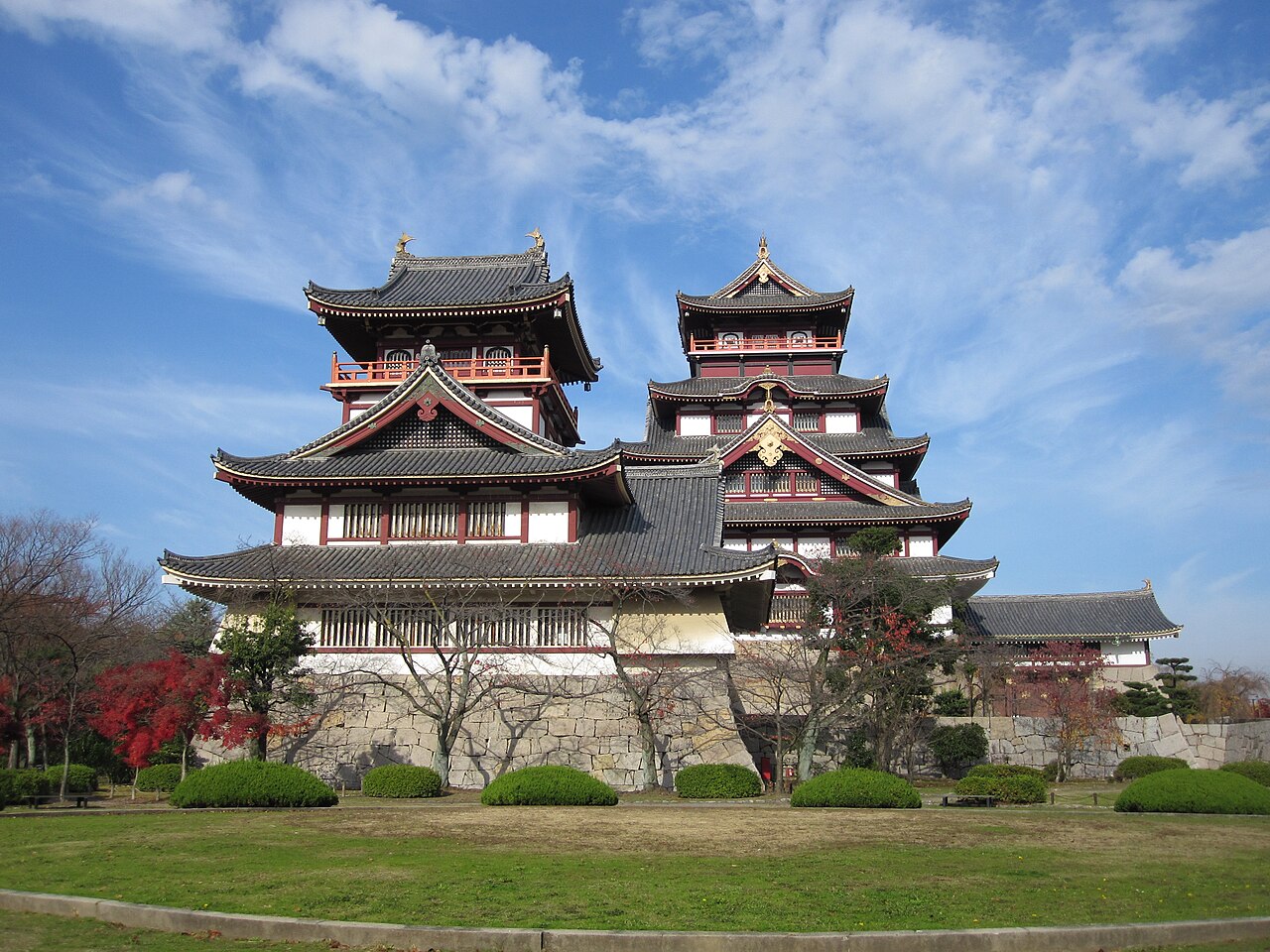
Fushimi Castle (伏見城, Fushimi-jō), also known as Momoyama Castle (桃山城, Momoyama-jō) or Fushimi-Momoyama Castle, is a historically significant Japanese hill castle located in the Fushimi Ward of Kyoto, Japan. Constructed between 1592 and 1594 by the powerful daimyo Toyotomi Hideyoshi, it served as his retirement residence and a symbol of his authority during the closing years of the Sengoku period, a time marked by intense military conflict and political upheaval. Construction and architectural features The castle was built atop a hill, strategically positioned to oversee the surrounding area and control important transportation routes. Its design reflected the transitional architectural style of the late 16th century, incorporating both defensive and residential elements. The castle complex included multiple towers, gates, stone walls, and moats that provided formidable protection. The central keep, or tenshu, was an imposing multi-storied structure that combined functional defense with elegant design, featuring curved eaves and ornate roof tiles typical of the Momoyama period aesthetic. The castle's layout was innovative for its time, blending military utility with grandeur. Its imposing presence and refined architectural details influenced subsequent Japanese castle construction, marking a shift toward more elaborate and decorative castle designs during the Azuchi–Momoyama period. Historical significance and events Fushimi Castle holds a pivotal place in Japanese history. It was constructed by Toyotomi Hideyoshi, one of Japan's great unifiers, who used it as a symbol of his power and as a retirement residence after decades of military campaigns. The castle's construction coincided with the final phase of the Sengoku period, a century-long era of civil war and social upheaval. Unfortunately, the original castle was severely damaged by the 1596 Keichō–Fushimi earthquake, which led to its near-total destruction. It was subsequently rebuilt, but political changes during the early Edo period led to its demolition in 1623. The site later became significant as the location of the tomb of Emperor Meiji, further cementing its cultural importance. The castle's name is closely associated with the Azuchi–Momoyama period of Japanese history, which is partially named after Fushimi Castle and the nearby Azuchi Castle, reflecting the era's distinctive cultural and architectural developments. Modern reconstruction and preservation The current structure known as Fushimi Castle is a faithful replica built in 1964 near the original site in Fushimi Ward. This reconstruction serves as a museum and cultural site, preserving the legacy of Toyotomi Hideyoshi and the architectural style of the Momoyama period. It offers visitors a chance to experience the grandeur of a late 16th-century Japanese castle, complete with exhibitions on the castle's history, samurai culture, and the Sengoku era. The replica includes reconstructed tenshu, moats, and stone walls, providing a tangible connection to Japan's feudal past. It stands as an educational resource and tourist attraction, highlighting the significance of Fushimi Castle in Japanese heritage. Cultural impact and legacy Fushimi Castle's influence extends beyond its physical structure. It played a role in shaping the cultural identity of the Momoyama period, known for its artistic innovation and architectural advancements. The castle's design elements inspired other castles and buildings throughout Japan, contributing to the era's distinctive style characterized by bold colors, lavish decoration, and a blend of military and aesthetic considerations. Today, Fushimi Castle is recognized not only as a historical monument but also as a symbol of Toyotomi Hideyoshi's legacy and the transformative period in which it was built. Its story is integral to understanding the transition from the chaotic Sengoku period to the relative peace of the Edo period under Tokugawa rule. Visiting information Visitors to Fushimi Castle can explore the reconstructed castle grounds, including the tenshu and surrounding defensive structures. The site offers exhibitions on the castle's history, samurai armor, and period artifacts. It is located in the Fushimi Ward of Kyoto, accessible by public transportation from central Kyoto. The castle grounds are open year-round, with typical visiting hours from morning to late afternoon. Admission fees apply, supporting the maintenance and educational programs of the site. The castle is a popular destination for those interested in Japanese history, architecture, and the legacy of the Sengoku and Momoyama periods.

Renaissance (15th–17th c.)
Details