Yamashina Hongan-ji
Yamashina Hongan-ji, also known as Yamashina Midō, was a significant fortified Buddhist temple complex located in what is now Yamashina-ku, Kyoto, Japan. Established in the 15th century, it played a crucial role during the Sengoku period as a center for the Ikkō-ikki, a militant group of warrior monks and lay followers who resisted samurai domination. The fortified temple and its surrounding jōkamachi (castle town) formed a unique combination of religious and military architecture, reflecting the turbulent era of late medieval Japan.
Historical context and significance
The Yamashina Hongan-ji was part of the broader network of Hongan-ji temples affiliated with the Jōdo Shinshū sect of Buddhism. During the 15th and 16th centuries, the temple became a focal point for the Ikkō-ikki movement, which comprised warrior monks and peasant followers united by religious zeal and opposition to feudal samurai lords. This movement was particularly influential in the late medieval period, challenging the established military order and controlling territories through fortified temple complexes.
The temple's fortified nature was a response to the violent conflicts of the Sengoku period, when regional warlords vied for power. The Ikkō-ikki used Yamashina Hongan-ji as a strategic base to organize resistance and maintain autonomy against samurai armies.
Architectural features and layout
Although much of the original structure is now in ruins, archaeological evidence reveals that Yamashina Hongan-ji was a fortified complex combining religious and military functions. The temple precincts were surrounded by defensive walls and moats, typical of castle-temple architecture of the period. The layout included main halls for worship, living quarters for monks and warriors, and fortified gates controlling access.
The jōkamachi or castle town surrounding the temple was an integral part of its defense and economic support. It housed followers, artisans, and soldiers, creating a self-sustaining community that could withstand sieges.
Defensive structures
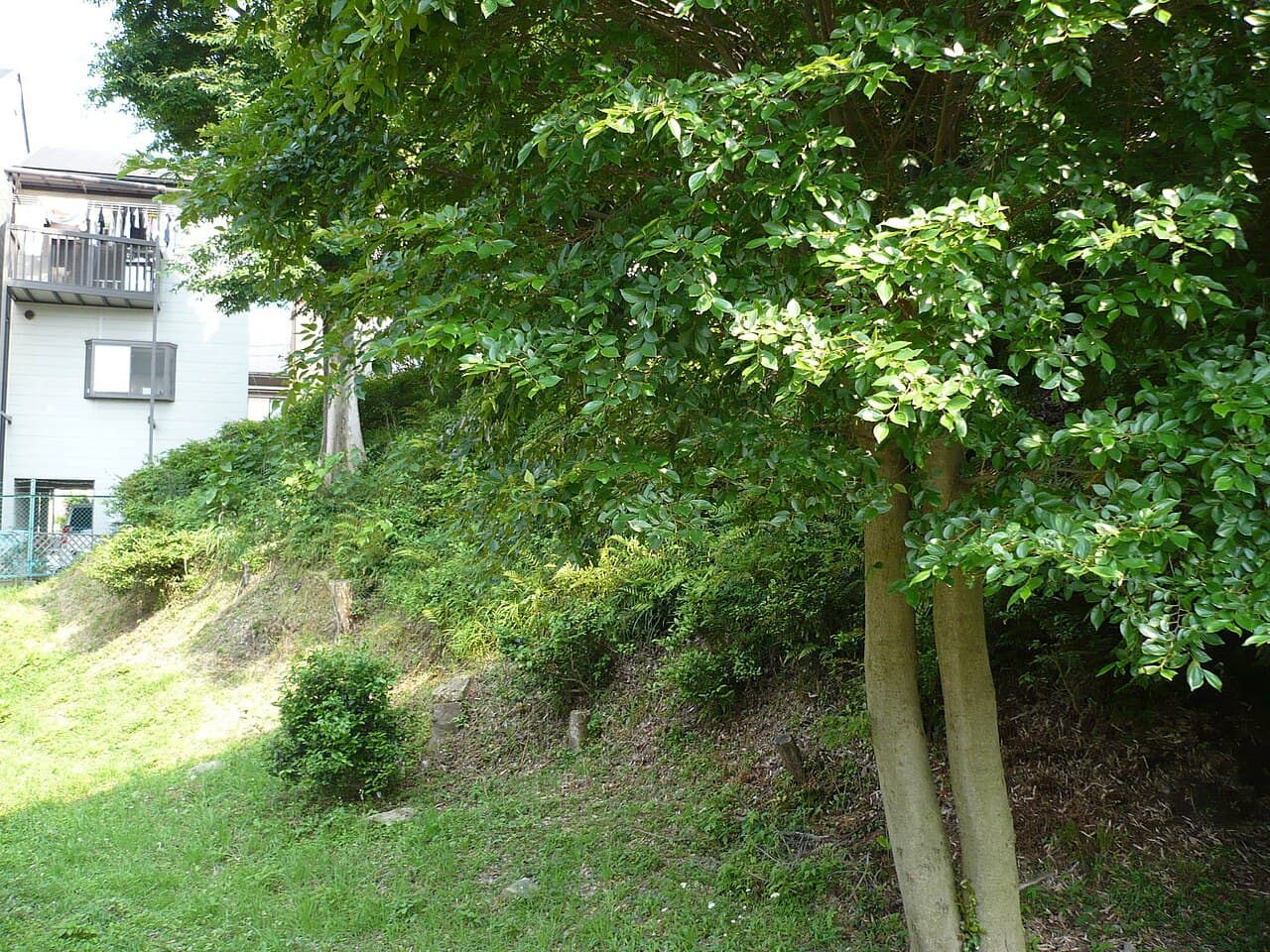
The temple's fortifications included earthen ramparts, stone walls, and moats that leveraged the natural terrain of Yamashina. The combination of religious buildings with military defenses exemplifies the dual role of such complexes during the late medieval conflicts in Japan.
Role in the Ikkō-ikki uprisings
Yamashina Hongan-ji was one of several fortified temples that served as strongholds for the Ikkō-ikki during their uprisings against samurai rule. These uprisings were marked by the mobilization of religious followers and peasants who sought to protect their communities from feudal oppression.
The temple's strategic location near Kyoto allowed the Ikkō-ikki to exert influence in the region and resist attempts by powerful daimyo to subjugate them. However, the temple and its forces eventually succumbed to military campaigns by samurai armies seeking to restore control.
Archaeological discoveries and preservation
Today, the site of Yamashina Hongan-ji remains an important archaeological location. Excavations have uncovered foundations of walls, gates, and building remains that provide insight into the complex's structure and defensive capabilities.
In 2002, parts of the ruins were designated as a National Historic Site of Japan, recognizing their cultural and historical value. Preservation efforts focus on maintaining the site as a testament to the unique blend of religious and military architecture and the turbulent history of the Sengoku period.
Visiting the ruins today
The ruins of Yamashina Hongan-ji offer visitors a glimpse into a rare type of fortified temple complex. While only remnants remain, the site provides valuable context for understanding the Ikkō-ikki movement and the role of religious institutions in medieval Japanese warfare.
Visitors can explore the archaeological remains and imagine the once formidable combination of sacred space and military stronghold. The site is accessible within Yamashina-ku, Kyoto, and is part of the broader historical landscape of the region.
Frequently asked questions (FAQ)
- What is the historical significance of Yamashina Hongan-ji?
- Yamashina Hongan-ji is a prominent temple in Japan, founded in the 16th century as part of the Jodo Shinshu sect of Buddhism. It played a crucial role in the spread of Shin Buddhism and is known for its rich history and cultural heritage, attracting visitors interested in Japan's religious evolution.
- When was Yamashina Hongan-ji built?
- The current structure of Yamashina Hongan-ji was completed in 1591, although the site itself has been associated with the Hongan-ji sect since the 16th century. The temple has undergone various renovations and restorations throughout its history, preserving its architectural beauty and historical relevance.
- What are the opening hours for Yamashina Hongan-ji?
- Yamashina Hongan-ji is open to visitors daily from 9:00 AM to 5:00 PM. It is advisable to check for any specific holiday hours or special event schedules before planning your visit to ensure a smooth experience.
- Can I enter Yamashina Hongan-ji freely, or is there an admission fee?
- Visitors can enter Yamashina Hongan-ji free of charge, making it an accessible destination for anyone interested in Japanese culture and history. However, donations are appreciated to help maintain the temple and its grounds.
- Is it possible to take photographs inside Yamashina Hongan-ji?
- Photography is generally allowed in many areas of Yamashina Hongan-ji, but visitors should be respectful and check for any signs that indicate restrictions. It’s best to ask temple staff if unsure, as they can provide guidance on where photography is permitted.
- What is the best time to visit Yamashina Hongan-ji?
- The best time to visit Yamashina Hongan-ji is during the spring and autumn months, when the weather is mild and the surrounding scenery is particularly beautiful. Cherry blossoms in spring and vibrant autumn leaves create a stunning backdrop for your visit.
- Are there any nearby attractions to visit while at Yamashina Hongan-ji?
- Yes, nearby attractions include the famous Nanzen-ji Temple and the picturesque Philosopher's Path, which offers a scenic walk lined with cherry trees and various shrines. Exploring these sites can enhance your cultural experience during your visit to Yamashina Hongan-ji.
- How do I get to Yamashina Hongan-ji?
- Yamashina Hongan-ji is easily accessible via public transportation, with the nearest train station being Yamashina Station. From there, a short bus or taxi ride will take you directly to the temple, making it convenient for visitors traveling from central Kyoto.
Photo gallery

Photo by 投稿者が撮影•Public domain
Information
Loading map...
Visitor reviews
No reviews yet. Been here? Write the first review and help other travelers!
Write the first reviewVisited this castle? Share your experience
Your review helps other travelers and adds first-hand knowledge to our encyclopedia.