Sakamoto Castle — Japan castle

Sakamoto Castle

Sakamoto Castle: a Sengoku period lakeside fortress in Ōtsu, Japan
Ōtsu, Japan
Renaissance (15th–17th c.)
Ruins

Sakamoto Castle (坂本城, Sakamoto-jō) was a notable hill castle situated on the shores of Lake Biwa in Ōtsu, Shiga Prefecture, Japan. Constructed during the 16th century in the midst of the Sengoku period, it served as a strategic military base and residence for prominent samurai commanders. The castle's location on a hillside overlooking the lake provided natural defensive advantages and control over vital waterways.

Historical background and significance

The castle is closely associated with Akechi Mitsuhide, a samurai general who played a pivotal role in the late Sengoku period. Mitsuhide was appointed as the castle's commander, using it as his base of operations. Sakamoto Castle became a center of political and military activity under his leadership, especially during the turbulent years leading up to the dramatic events of 1582.

During this era, Japan was fragmented into competing domains, with regional lords vying for power. Sakamoto Castle's strategic position near Lake Biwa allowed control over transportation routes and served as a defensive stronghold against rival clans. The castle's prominence rose as Mitsuhide consolidated his influence in the region.

Architectural features and layout

Sakamoto Castle was designed as a hill castle, leveraging the natural terrain for defense. The castle complex included multiple baileys (courtyards) arranged on terraced levels ascending the hillside. Defensive structures such as stone walls, moats, and gates were integrated to protect the inner compounds.

The castle's proximity to Lake Biwa meant that parts of its defenses incorporated water features, enhancing its security. The main keep (tenshu) was likely modest in scale compared to later castles but functioned as a command center and symbol of authority. The layout facilitated surveillance of the surrounding area and quick communication between different sections.

Defensive elements

Key defensive components included earthen embankments and stone ramparts that reinforced the hillside. The castle's moats were fed by the lake, creating a natural barrier. Narrow pathways and gates controlled access points, making it difficult for attackers to approach unnoticed.

The castle in the sengoku period context

As a military base, Sakamoto Castle was involved in the complex power struggles of the Sengoku period. Akechi Mitsuhide used the castle to consolidate his power in the region and to coordinate military campaigns. The castle's location was vital for controlling the surrounding provinces and securing supply lines.

In 1582, Mitsuhide famously betrayed his lord Oda Nobunaga in the Incident at Honnō-ji. Although Sakamoto Castle was not the site of this event, it played a role in Mitsuhide's subsequent movements and defensive strategies.

Decline and current status

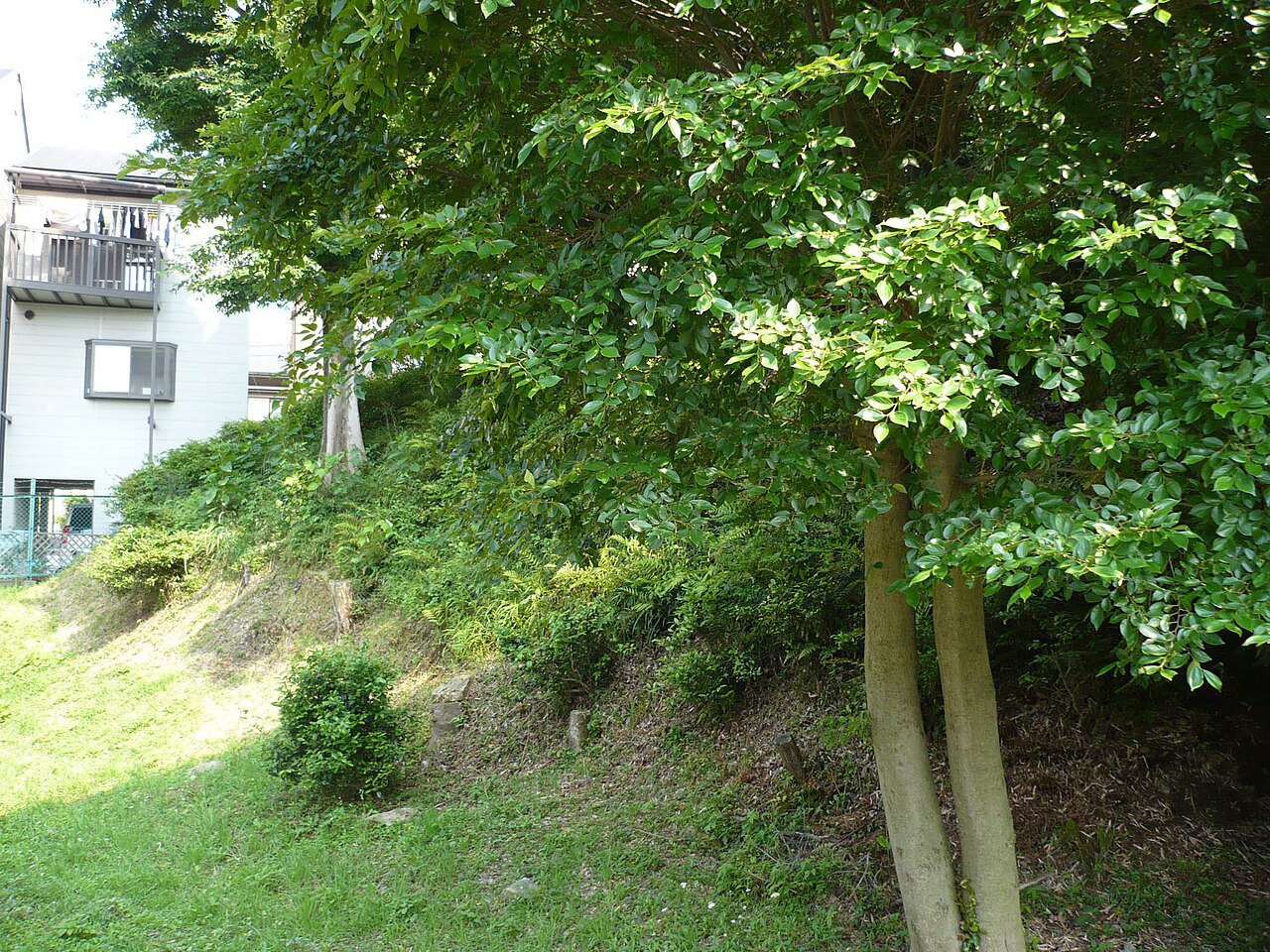
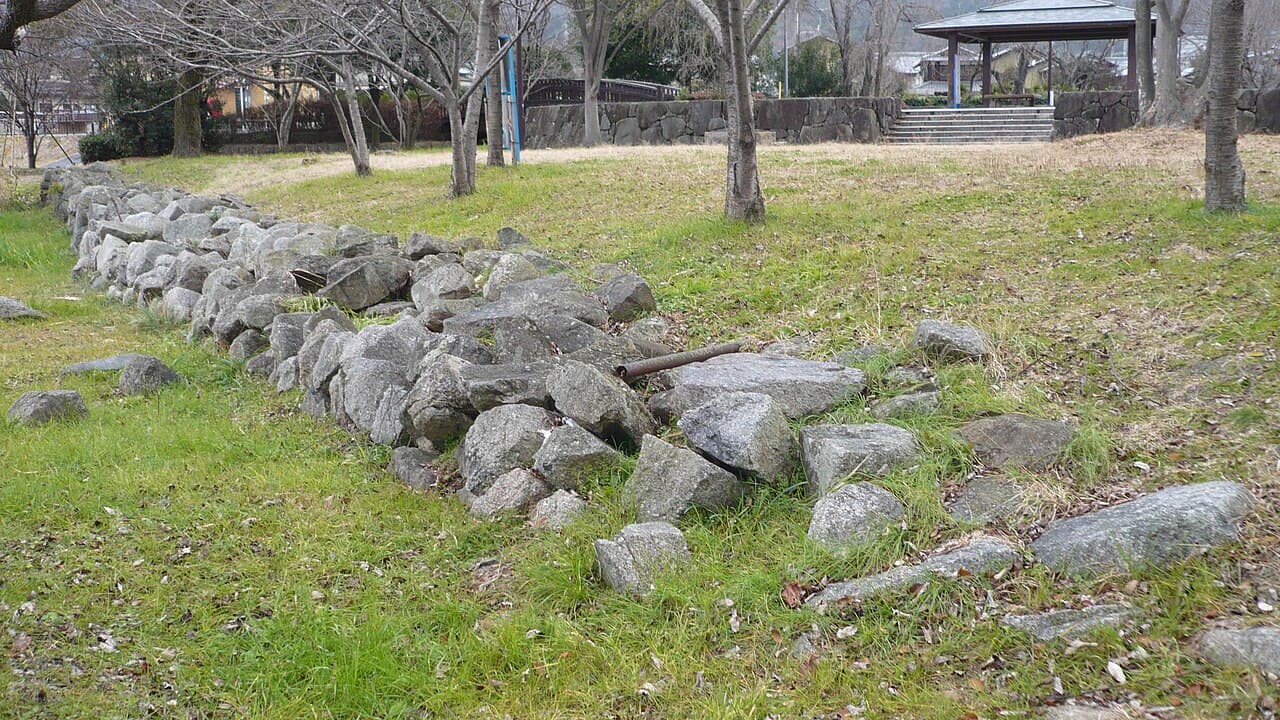
Sakamoto Castle was eventually dismantled in the early Edo period as part of the Tokugawa shogunate's policies to reduce the number of active castles and prevent rebellion. Today, the castle no longer stands, and only remnants such as earthworks and stone foundations remain. The site is recognized for its historical importance and is a point of interest for visitors exploring the Sengoku period heritage of the region.

Visitors to the area can find markers and interpretive signs that provide context about the castle's past. The scenic location by Lake Biwa adds to the cultural value of the site.

Cultural heritage and tourism

Sakamoto Castle's legacy is preserved through local history museums and cultural events in Ōtsu. The castle is featured in various historical studies and reenactments that attract enthusiasts of Japanese history and samurai culture. Its story contributes to the broader understanding of the Sengoku period's complex feudal dynamics.

Frequently asked questions (FAQ)

How do I get to Sakamoto Castle?
Sakamoto Castle is located in Ōtsu, Japan, and can be accessed via public transportation. The nearest train station is Hama-Otsu Station, from which you can take a short bus ride or walk to the castle grounds.
What is the historical significance of Sakamoto Castle?
Sakamoto Castle, built in the late 16th century, played a vital role during the Sengoku period as a strategic military stronghold. It is notable for its association with the famous warlord Toyotomi Hideyoshi and provides insight into Japan's feudal history.
When was Sakamoto Castle constructed?
Sakamoto Castle was constructed in 1585 under the orders of Toyotomi Hideyoshi. It served as a base for military operations and was an important site during various conflicts in the region.
Can I explore the castle grounds?
Yes, visitors can explore the castle grounds, which include reconstructed walls and scenic views of Lake Biwa. While the main keep no longer stands, the remaining structures and gardens are well-preserved and offer a glimpse into the castle's historical architecture.
Why is Sakamoto Castle a popular tourist destination?
Sakamoto Castle is popular for its rich history, beautiful surroundings, and proximity to Lake Biwa. The castle's serene environment and historical significance make it an attractive spot for both history enthusiasts and casual visitors.
Is it possible to visit Sakamoto Castle year-round?
Yes, Sakamoto Castle is open to visitors year-round. However, it’s advisable to check local conditions and any seasonal events that may affect your visit.
What are the opening hours for Sakamoto Castle?
Sakamoto Castle is typically open from 9:00 AM to 5:00 PM, with last entry at 4:30 PM. These hours may vary during holidays or special events, so it's a good idea to check ahead of your visit.
Are there any ticket prices for visiting Sakamoto Castle?
Entry to the castle grounds is generally free, but there may be small fees for specific exhibitions or guided tours. It's best to confirm the latest pricing on the castle's official website or at the entrance.
What is the best time to visit Sakamoto Castle?
The best time to visit Sakamoto Castle is during the cherry blossom season in spring or the autumn foliage period. These seasons offer stunning views and a pleasant climate, enhancing your overall experience at the castle.
What nearby attractions can I visit while at Sakamoto Castle?
While visiting Sakamoto Castle, you can explore the nearby Hiyoshi Taisha Shrine and the beautiful shores of Lake Biwa. Additionally, the scenic landscapes and hiking trails in the area provide excellent opportunities for outdoor activities.

Photo gallery

Sakamoto Castle
Click to view

Photo by 投稿者が撮影•Public domain

1 photo • Click any image to view in full screen

Information

Hill Castle

Loading map...

Visitor reviews

No reviews yet. Been here? Write the first review and help other travelers!

Write the first review

Visited this castle? Share your experience

Your review helps other travelers and adds first-hand knowledge to our encyclopedia.
Write a review

(5/5)

0/2000 characters

Your review will be visible after admin approval

Nearby castles

7.4 km
Zeze Castle — Japan castle

Zeze Castle

Ōtsu, Japan

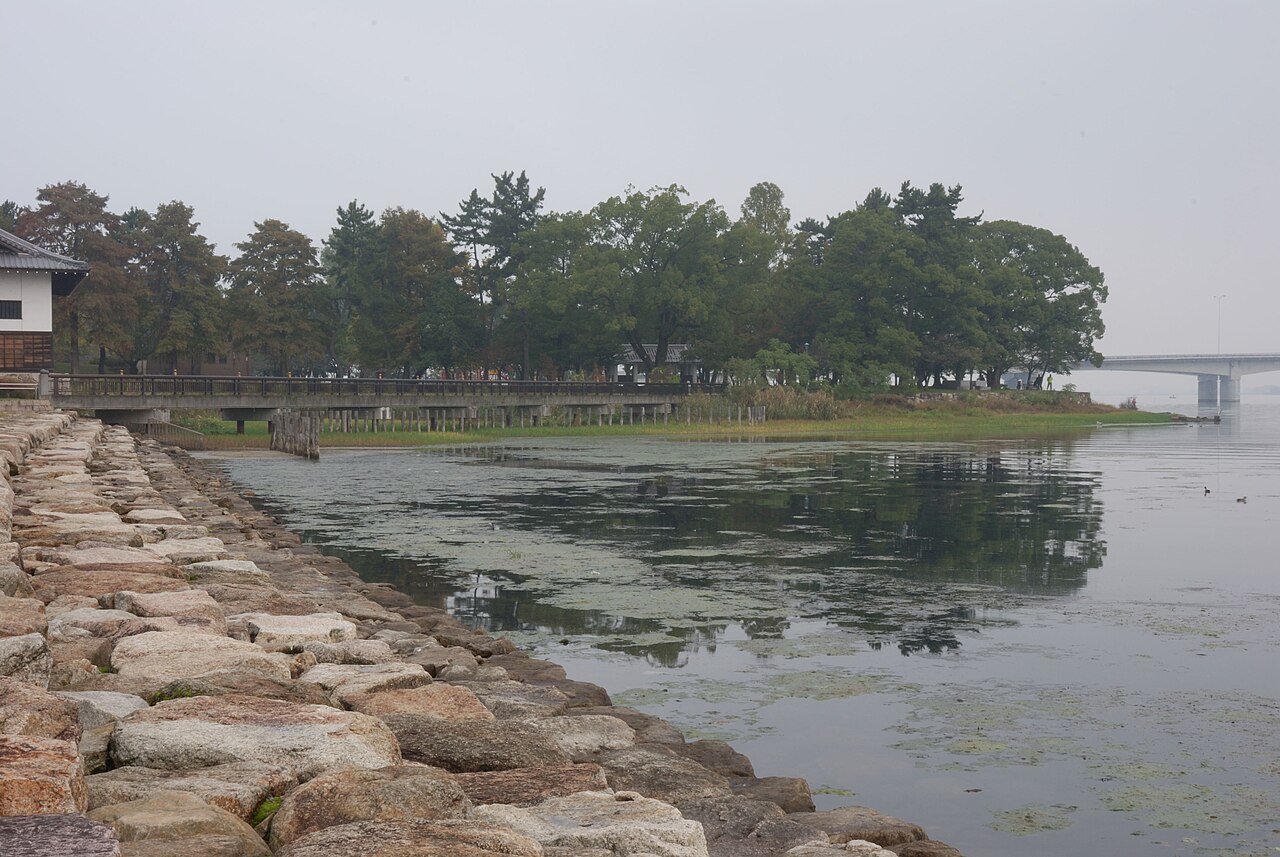
Zeze Castle (Zeze-jō, 膳所城) is a notable hirashiro-style Japanese castle situated in the eastern part of the city of Ōtsu, within Shiga Prefecture, Japan. Constructed in the early 17th century, this castle played a significant role during the Edo period as a strategic fortification guarding the approaches to the ancient capital of Kyoto. Its location on a hill overlooking the shores of Lake Biwa provided both defensive advantages and control over important transportation routes.Historical context and constructionZeze Castle was originally built in 1601 by Todo Takatora, a renowned castle architect and daimyo known for his expertise in castle design and fortifications. The castle was constructed as a hill castle (hirayamajiro), combining natural topography with man-made defenses. It was part of the Tokugawa shogunate's efforts to secure the region and maintain control over strategic points around Kyoto.The castle's design reflected the military architectural principles of the early Edo period, incorporating stone walls, moats, and multiple baileys to create layered defenses. Zeze Castle's layout was influenced by the need to defend against both land and water-based attacks, given its proximity to Lake Biwa.Architectural features and styleZeze Castle is classified as a hill castle due to its construction on elevated terrain, which allowed defenders to monitor and control the surrounding area effectively. Unlike many castles built on mountains or plains, hirashiro-style castles like Zeze use a combination of hilltop positioning and flat land for their complex.The castle's architecture reflects early Edo period military design rather than Renaissance European styles, which is consistent with Japanese castle-building traditions. It featured a main keep (tenshu), although the original tenshu was destroyed during later conflicts and was not reconstructed.The castle grounds included multiple baileys (kuruwa) surrounded by stone ramparts and deep moats. Gates and watchtowers were strategically placed to strengthen the defense system. The use of earthen walls (dorui) and wooden structures was typical of Japanese castles of this era.Historical significance and eventsZeze Castle served as the seat of the Zeze Domain, which was governed by various daimyo families throughout the Edo period. Its position made it a key military and administrative center in the region.During the late Edo period, the castle saw reduced military importance as Japan entered a period of relative peace under the Tokugawa shogunate. However, it remained a symbol of feudal authority and regional governance.In the Meiji Restoration, many Japanese castles were dismantled or repurposed, and Zeze Castle was no exception. Much of its original structures were lost due to demolition and natural decay, leaving only remnants and ruins today.Current condition and preservationToday, Zeze Castle is classified as partially preserved. Visitors can explore the remaining stone walls, moats, and some reconstructed gates that hint at the castle's original grandeur. The site is a popular historical landmark in Ōtsu and is accessible to the public.The castle grounds have been developed into a public park, offering scenic views of Lake Biwa and the surrounding landscape. Efforts to preserve and maintain the site continue, emphasizing its cultural and historical importance.Visiting Zeze CastleZeze Castle is open to visitors year-round, with no admission fee for the castle grounds. The location is accessible by public transportation from Ōtsu city center. Walking trails around the site provide opportunities to appreciate the castle's defensive layout and natural surroundings.Nearby attractions include Lake Biwa, historic temples, and museums that complement the cultural experience of visiting Zeze Castle.

Renaissance (15th–17th c.)
Details
10.2 km
Yamashina Hongan-ji — Japan castle

Yamashina Hongan-ji

, Japan

Yamashina Hongan-ji, also known as Yamashina Midō, was a significant fortified Buddhist temple complex located in what is now Yamashina-ku, Kyoto, Japan. Established in the 15th century, it played a crucial role during the Sengoku period as a center for the Ikkō-ikki, a militant group of warrior monks and lay followers who resisted samurai domination. The fortified temple and its surrounding jōkamachi (castle town) formed a unique combination of religious and military architecture, reflecting the turbulent era of late medieval Japan. Historical context and significance The Yamashina Hongan-ji was part of the broader network of Hongan-ji temples affiliated with the Jōdo Shinshū sect of Buddhism. During the 15th and 16th centuries, the temple became a focal point for the Ikkō-ikki movement, which comprised warrior monks and peasant followers united by religious zeal and opposition to feudal samurai lords. This movement was particularly influential in the late medieval period, challenging the established military order and controlling territories through fortified temple complexes. The temple's fortified nature was a response to the violent conflicts of the Sengoku period, when regional warlords vied for power. The Ikkō-ikki used Yamashina Hongan-ji as a strategic base to organize resistance and maintain autonomy against samurai armies. Architectural features and layout Although much of the original structure is now in ruins, archaeological evidence reveals that Yamashina Hongan-ji was a fortified complex combining religious and military functions. The temple precincts were surrounded by defensive walls and moats, typical of castle-temple architecture of the period. The layout included main halls for worship, living quarters for monks and warriors, and fortified gates controlling access. The jōkamachi or castle town surrounding the temple was an integral part of its defense and economic support. It housed followers, artisans, and soldiers, creating a self-sustaining community that could withstand sieges. Defensive structures The temple's fortifications included earthen ramparts, stone walls, and moats that leveraged the natural terrain of Yamashina. The combination of religious buildings with military defenses exemplifies the dual role of such complexes during the late medieval conflicts in Japan. Role in the Ikkō-ikki uprisings Yamashina Hongan-ji was one of several fortified temples that served as strongholds for the Ikkō-ikki during their uprisings against samurai rule. These uprisings were marked by the mobilization of religious followers and peasants who sought to protect their communities from feudal oppression. The temple's strategic location near Kyoto allowed the Ikkō-ikki to exert influence in the region and resist attempts by powerful daimyo to subjugate them. However, the temple and its forces eventually succumbed to military campaigns by samurai armies seeking to restore control. Archaeological discoveries and preservation Today, the site of Yamashina Hongan-ji remains an important archaeological location. Excavations have uncovered foundations of walls, gates, and building remains that provide insight into the complex's structure and defensive capabilities. In 2002, parts of the ruins were designated as a National Historic Site of Japan, recognizing their cultural and historical value. Preservation efforts focus on maintaining the site as a testament to the unique blend of religious and military architecture and the turbulent history of the Sengoku period. Visiting the ruins today The ruins of Yamashina Hongan-ji offer visitors a glimpse into a rare type of fortified temple complex. While only remnants remain, the site provides valuable context for understanding the Ikkō-ikki movement and the role of religious institutions in medieval Japanese warfare. Visitors can explore the archaeological remains and imagine the once formidable combination of sacred space and military stronghold. The site is accessible within Yamashina-ku, Kyoto, and is part of the broader historical landscape of the region.

Late Medieval (14th–15th c.)
Details
12.8 km
Nijo Castle — Japan castle

Nijo Castle

Kyoto, Japan

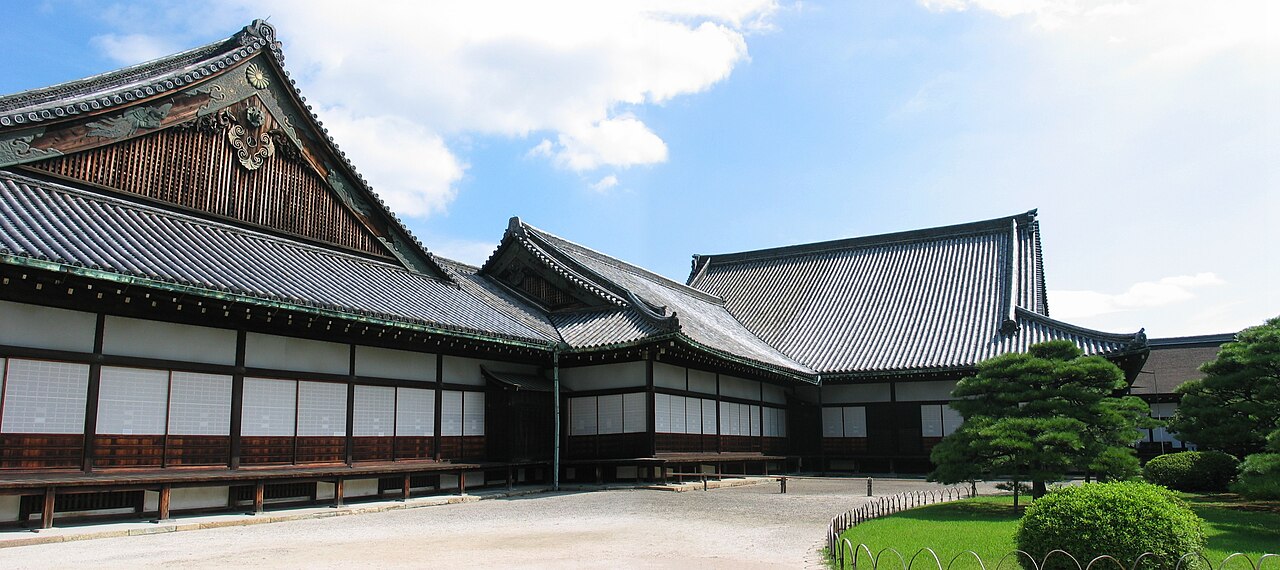
Nijo Castle in Kyoto, Japan, is a remarkable example of a lowland castle that served as the Kyoto residence and headquarters of Tokugawa Ieyasu, the first shogun of the Tokugawa shogunate, established in 1603. This castle complex is a significant cultural and historical landmark that reflects the power and prestige of the Tokugawa shogunate, which ruled Japan for over 260 years from 1603 to 1868. The castle was originally built on the site of a mansion constructed by the warlord Oda Nobunaga in 1569. However, the present castle was erected by Tokugawa Ieyasu in 1603 to serve as his official residence when he was in Kyoto. Unlike many Japanese castles, Nijo Castle was not primarily designed for military defense but as a symbol of authority and governance. The castle's wide moat, massive stone walls, and elaborate gates were sufficient to demonstrate the shogun's dominance and deter potential threats. Architectural layout and defensive features Nijo Castle is classified as a lowland castle, built on flat terrain rather than on a hill or mountain. The castle complex originally included multiple baileys surrounded by moats and stone walls, with numerous gates, turrets, and storehouses that served both defensive and administrative functions. Although the main keep (tenshu) was destroyed by lightning in 1750 and never rebuilt, the remaining structures provide a comprehensive view of the castle's layout and historical function. The castle's fortifications include impressive stone walls that enclose the compound, providing protection and delineating the shogun's domain. The moats surrounding the castle are broad and deep, serving as a formidable barrier against invaders. The elaborate gates, such as the famous Karamon gate, are richly decorated and symbolize the prestige of the Tokugawa shogunate. These gates also functioned as controlled entry points, enhancing security. Palatial structures and artistic heritage The centerpiece of Nijo Castle is the Ninomaru Palace, which was primarily used for administrative affairs and official receptions. This palace is renowned for its exquisite interior decoration and artistic masterpieces. The palace contains numerous offices and meeting rooms that reflect its role as the shogun's administrative center. One of the most striking features of the Ninomaru Palace is the series of screen paintings created by artists of the Kano school. These paintings use intense colors and abundant gold leaf to depict natural motifs such as flowers, trees, birds, and tigers, designed to impress visitors with the shogun's cultural sophistication and power. The palace also features the famous "nightingale floors", ingeniously constructed to squeak when walked upon, serving as an early warning system against intruders. In addition to the Ninomaru Palace, the Honmaru Goten palace was originally the Kyoto villa of a branch of the Imperial Family. This structure was relocated to the castle grounds after the Meiji Restoration when the imperial court moved to Tokyo. The Honmaru Goten was reopened to the public in September 2024 and is accessible mainly by online reservation, offering visitors a glimpse into the imperial heritage associated with the castle. Gardens and natural surroundings The castle grounds encompass several beautifully maintained gardens and wooded areas, including groves of plum and cherry trees. These gardens provide a serene environment and enhance the aesthetic appeal of the castle complex. The landscaping reflects traditional Japanese garden design principles, emphasizing harmony with nature and seasonal beauty, which were important cultural values during the Edo period. Historical significance and cultural legacy Nijo Castle stands as a powerful symbol of the Tokugawa shogunate's authority and governance in Kyoto. Its construction was intended to demonstrate the shogun's prestige and control over the imperial capital. The castle's architectural features and artistic treasures offer valuable insights into the political and cultural history of early modern Japan. The castle has been designated a National Treasure of Japan, recognizing its outstanding historical and cultural value. While the main keep no longer exists, the preservation of the Ninomaru Palace, gates, walls, and other structures allows visitors to experience the grandeur of the Tokugawa era. The castle is a popular destination for tourists seeking to explore Japan's feudal history beyond the numerous temples of Kyoto. Visitor experience and recommendations Visitors to Nijo Castle are encouraged to explore not only the ornate Karamon gate and the palatial interiors but also the extensive grounds and the many original gates, storehouses, walls, and turrets that contribute to the castle's historical ambiance. The Honmaru Goten palace's recent reopening offers an additional attraction for those interested in imperial history. The castle is accessible most days, with the Honmaru Goten requiring advance online reservations, although limited tickets may be available on-site. The combination of impressive defensive architecture, exquisite artistic details, and tranquil gardens makes Nijo Castle a must-see for castle enthusiasts and cultural tourists alike.

Renaissance (15th–17th c.)
Details