Fushimi Castle
Fushimi Castle (伏見城, Fushimi-jō), also known as Momoyama Castle (桃山城, Momoyama-jō) or Fushimi-Momoyama Castle, is a historically significant Japanese hill castle located in the Fushimi Ward of Kyoto, Japan. Constructed between 1592 and 1594 by the powerful daimyo Toyotomi Hideyoshi, it served as his retirement residence and a symbol of his authority during the closing years of the Sengoku period, a time marked by intense military conflict and political upheaval.
Construction and architectural features
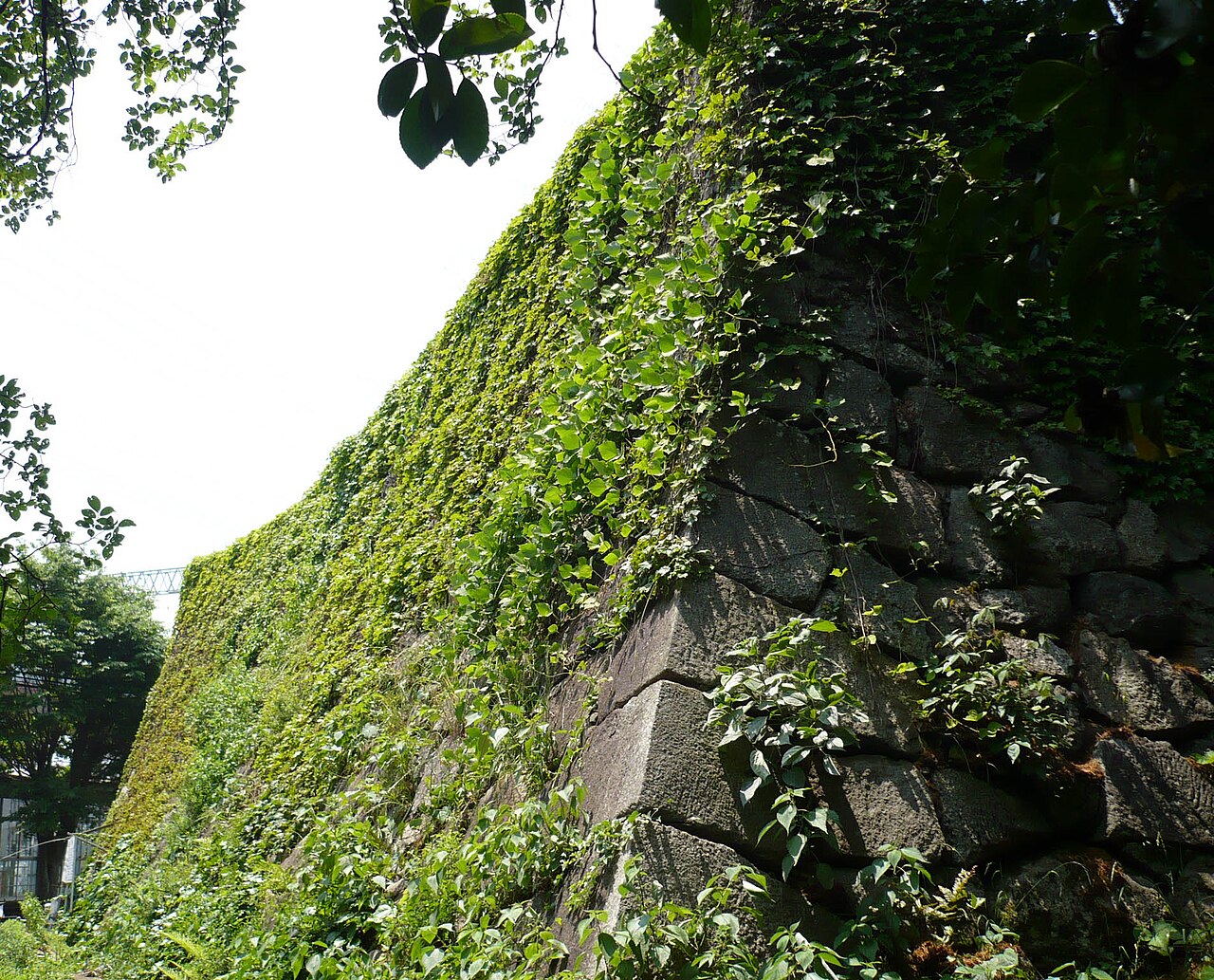
The castle was built atop a hill, strategically positioned to oversee the surrounding area and control important transportation routes. Its design reflected the transitional architectural style of the late 16th century, incorporating both defensive and residential elements. The castle complex included multiple towers, gates, stone walls, and moats that provided formidable protection. The central keep, or tenshu, was an imposing multi-storied structure that combined functional defense with elegant design, featuring curved eaves and ornate roof tiles typical of the Momoyama period aesthetic.
The castle's layout was innovative for its time, blending military utility with grandeur. Its imposing presence and refined architectural details influenced subsequent Japanese castle construction, marking a shift toward more elaborate and decorative castle designs during the Azuchi–Momoyama period.
Historical significance and events
Fushimi Castle holds a pivotal place in Japanese history. It was constructed by Toyotomi Hideyoshi, one of Japan's great unifiers, who used it as a symbol of his power and as a retirement residence after decades of military campaigns. The castle's construction coincided with the final phase of the Sengoku period, a century-long era of civil war and social upheaval.
Unfortunately, the original castle was severely damaged by the 1596 Keichō–Fushimi earthquake, which led to its near-total destruction. It was subsequently rebuilt, but political changes during the early Edo period led to its demolition in 1623. The site later became significant as the location of the tomb of Emperor Meiji, further cementing its cultural importance.
The castle's name is closely associated with the Azuchi–Momoyama period of Japanese history, which is partially named after Fushimi Castle and the nearby Azuchi Castle, reflecting the era's distinctive cultural and architectural developments.
Modern reconstruction and preservation
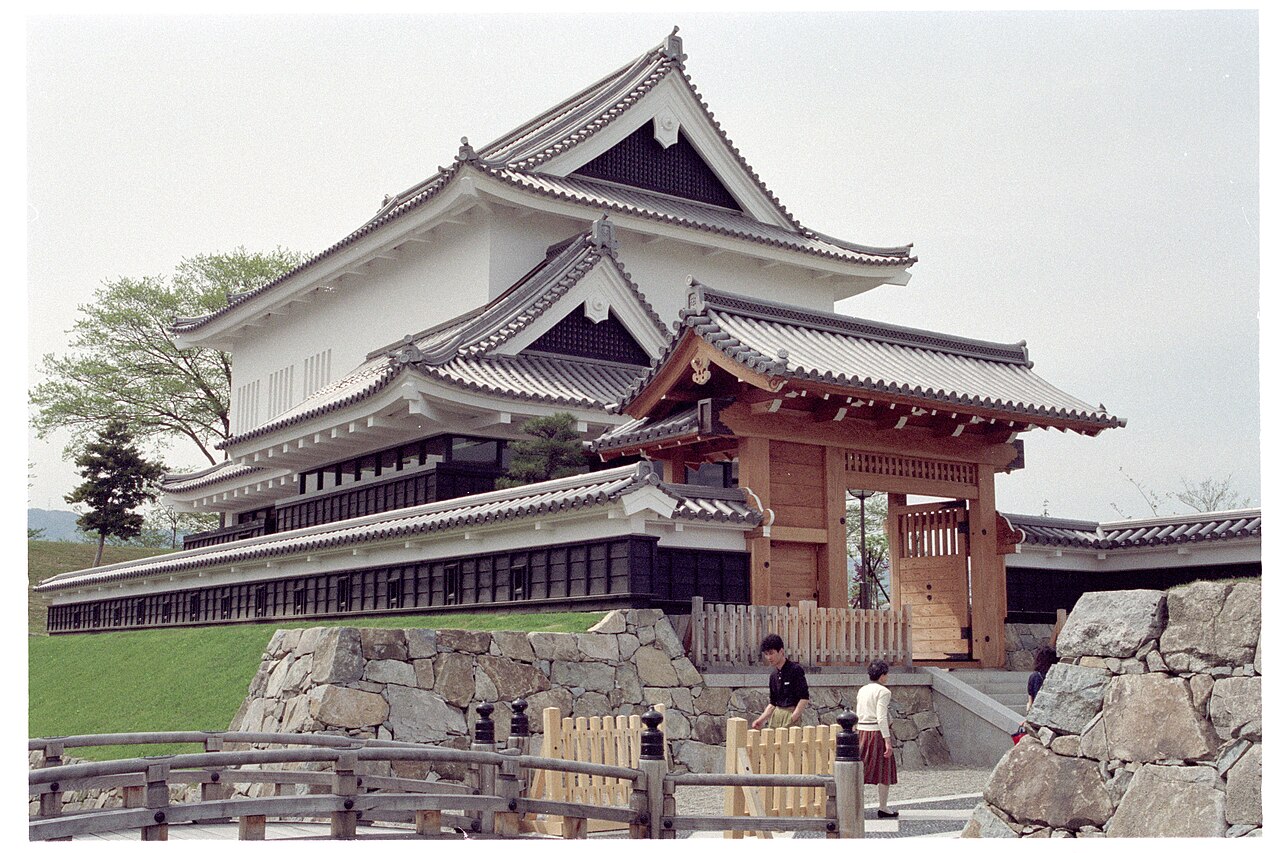
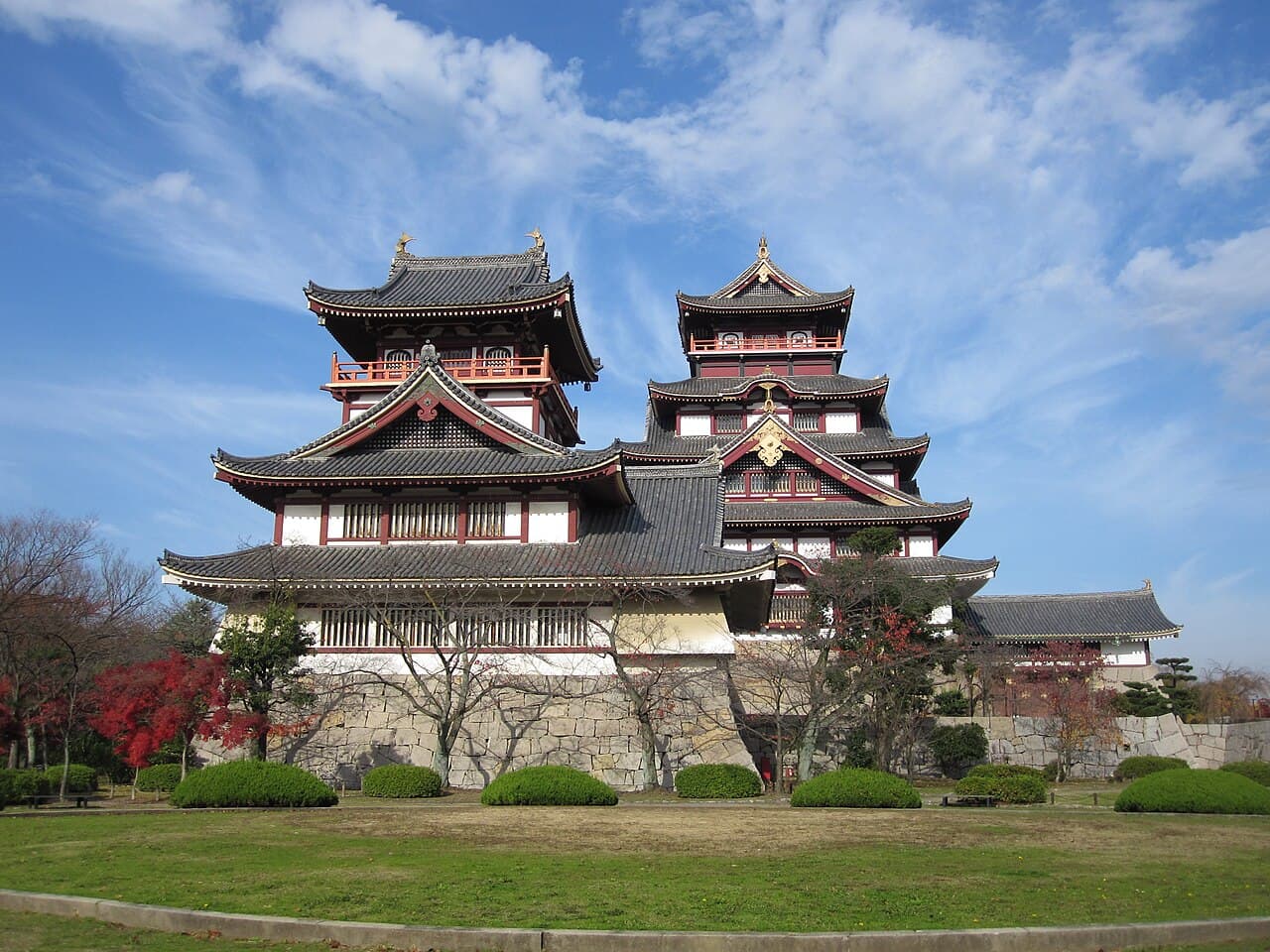
The current structure known as Fushimi Castle is a faithful replica built in 1964 near the original site in Fushimi Ward. This reconstruction serves as a museum and cultural site, preserving the legacy of Toyotomi Hideyoshi and the architectural style of the Momoyama period. It offers visitors a chance to experience the grandeur of a late 16th-century Japanese castle, complete with exhibitions on the castle's history, samurai culture, and the Sengoku era.
The replica includes reconstructed tenshu, moats, and stone walls, providing a tangible connection to Japan's feudal past. It stands as an educational resource and tourist attraction, highlighting the significance of Fushimi Castle in Japanese heritage.
Cultural impact and legacy
Fushimi Castle's influence extends beyond its physical structure. It played a role in shaping the cultural identity of the Momoyama period, known for its artistic innovation and architectural advancements. The castle's design elements inspired other castles and buildings throughout Japan, contributing to the era's distinctive style characterized by bold colors, lavish decoration, and a blend of military and aesthetic considerations.
Today, Fushimi Castle is recognized not only as a historical monument but also as a symbol of Toyotomi Hideyoshi's legacy and the transformative period in which it was built. Its story is integral to understanding the transition from the chaotic Sengoku period to the relative peace of the Edo period under Tokugawa rule.
Visiting information
Visitors to Fushimi Castle can explore the reconstructed castle grounds, including the tenshu and surrounding defensive structures. The site offers exhibitions on the castle's history, samurai armor, and period artifacts. It is located in the Fushimi Ward of Kyoto, accessible by public transportation from central Kyoto.
The castle grounds are open year-round, with typical visiting hours from morning to late afternoon. Admission fees apply, supporting the maintenance and educational programs of the site. The castle is a popular destination for those interested in Japanese history, architecture, and the legacy of the Sengoku and Momoyama periods.
Frequently asked questions (FAQ)
- How do I get to Fushimi Castle?
- Fushimi Castle is located in Kyoto, Japan, and can be easily accessed via public transportation. The nearest station is Fushimi-Momoyama Station, which is a short walk from the castle grounds. You can also take a taxi or drive, with parking available nearby.
- What is the historical significance of Fushimi Castle?
- Fushimi Castle was originally built in 1592 by Toyotomi Hideyoshi and served as a strategic military base during the late Sengoku period. It played a crucial role in the unification of Japan and is an important site for understanding the history of feudal Japan. The castle is also significant for its unique architectural style that reflects the aesthetics of the time.
- When was Fushimi Castle constructed?
- Fushimi Castle was constructed in 1592 and completed in 1594. It was one of the last castles built before the unification of Japan under the Tokugawa shogunate. Unfortunately, the original structure was demolished in the early 17th century, but the site has been preserved and reconstructed for visitors.
- Can I take guided tours of Fushimi Castle?
- Yes, guided tours are available at Fushimi Castle, providing visitors with in-depth knowledge about its history and architecture. These tours often include access to the main keep and other significant areas of the castle grounds. It's advisable to check the official website for tour schedules and availability.
- Why is Fushimi Castle a popular tourist destination?
- Fushimi Castle is popular due to its rich history, beautiful architecture, and scenic location overlooking the city of Kyoto. The castle provides a glimpse into Japan's feudal past and attracts history enthusiasts, architecture lovers, and photographers alike. Its beautiful gardens and surrounding parkland also make it a pleasant spot for leisurely walks.
- Is it possible to visit Fushimi Castle year-round?
- Yes, Fushimi Castle is open to visitors year-round, although opening hours may vary by season. The best time to visit is during spring for cherry blossom viewing or in autumn for the stunning fall foliage. Always check the official website for the latest information on opening hours and seasonal events.
- What are the ticket prices for Fushimi Castle?
- Admission to Fushimi Castle is generally affordable, with a small fee for entrance to the main keep and surrounding areas. Discounts may be available for children, seniors, and groups. It's best to check the official website for current ticket prices and any promotional offers.
- What are the opening hours for Fushimi Castle?
- Fushimi Castle typically opens at 9:00 AM and closes at 5:00 PM, but hours may vary depending on the season. During peak tourist seasons, extended hours may be offered to accommodate more visitors. Always verify the current opening hours on the official website before your visit.
- What nearby attractions can I visit while at Fushimi Castle?
- Nearby attractions include the Fushimi Inari Taisha Shrine, famous for its thousands of vermilion torii gates, and the stunning Tofuku-ji Temple, known for its beautiful gardens. Both locations are within a short distance and make for great additions to your itinerary. Exploring these sites will enhance your experience of Kyoto's rich cultural heritage.
Photo gallery

Photo by Thomas vanierschot•Public domain
Information
Loading map...
Visitor reviews
No reviews yet. Been here? Write the first review and help other travelers!
Write the first reviewVisited this castle? Share your experience
Your review helps other travelers and adds first-hand knowledge to our encyclopedia.