Zat ul Hajj Fort
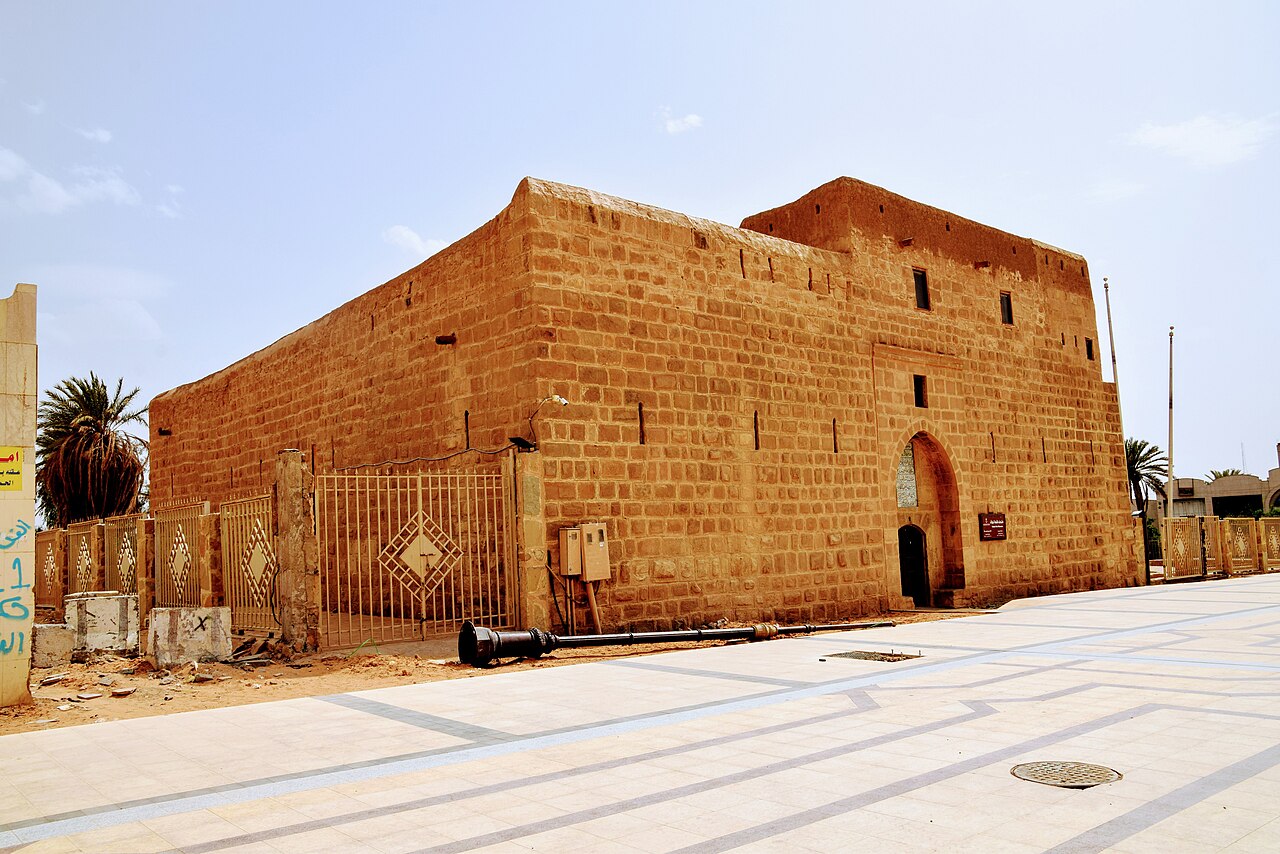
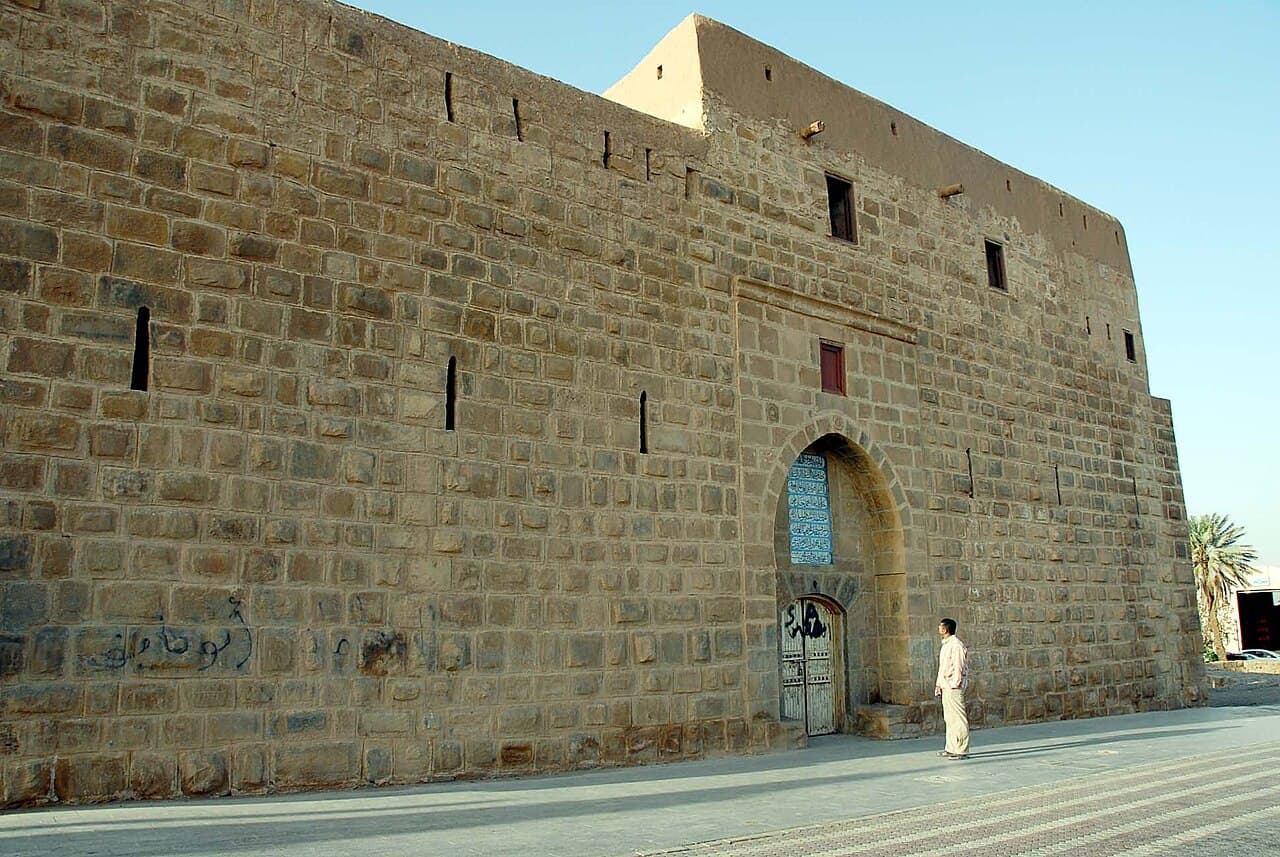
Zat ul Hajj Fort is a notable example of a bastioned fortress located in Saudi Arabia. While the exact city of its location remains unspecified, this fort is recognized for its strategic military design, characterized by robust bastions that provided enhanced defense capabilities during its operational period.
Architectural features and design
The fortress is distinguished by its bastioned walls, a hallmark of military architecture intended to withstand artillery attacks and provide overlapping fields of fire. These bastions are typically angular projections from the main curtain walls, allowing defenders to cover adjacent walls with gunfire, eliminating blind spots. This design reflects advancements in fortification techniques that became prevalent from the 16th century onward, particularly in regions exposed to artillery warfare.
The structure likely includes thick stone walls, embrasures for cannons, and a fortified gatehouse, all constructed to serve both defensive and administrative functions. The layout would have been planned to accommodate garrison troops, storage for arms and supplies, and possibly quarters for commanding officers.
Historical context and significance
Saudi Arabia's strategic location along historic trade routes and pilgrimage paths necessitated the construction of fortified structures like Zat ul Hajj Fort. The fort's name suggests a connection to the Hajj pilgrimage, indicating its possible role in protecting pilgrims or controlling access to pilgrimage routes. Such forts were vital in maintaining security and asserting control over key territories.
Although specific historical events tied to Zat ul Hajj Fort are not well documented, bastioned fortresses in the Arabian Peninsula generally played roles in regional conflicts, tribal disputes, and as defensive posts against external threats during the early modern period.
Construction period and architectural style
The fort's architectural style aligns with the bastioned fortress typology, which emerged during the post-medieval period, roughly from the 16th to 18th centuries. This style represents a transition from medieval castle designs to fortifications adapted for gunpowder weaponry. The exact construction date of Zat ul Hajj Fort is not clearly recorded, but its features suggest it was built or significantly modified during this era.
Current condition and preservation
Details about the current condition of Zat ul Hajj Fort are limited. However, bastioned fortresses in the region vary widely in preservation, with some maintained as historical sites and others existing as ruins. The fort's strategic and cultural importance underscores the potential value in preservation efforts to safeguard its architectural heritage.
Cultural and heritage importance
Zat ul Hajj Fort represents an important piece of Saudi Arabia's military and architectural history. Its design reflects the adaptation of global fortification trends to local needs and conditions. The fort contributes to understanding the region's historical defense mechanisms and the protection of significant routes such as those used during the Hajj pilgrimage.
Visiting information
Due to the lack of specific location details and visitor information, potential visitors should seek local guidance or contact Saudi heritage authorities for access and touring possibilities. The fort's historical significance makes it a point of interest for scholars and enthusiasts of military architecture and Middle Eastern history.
Frequently asked questions (FAQ)
- What is the historical significance of Zat ul Hajj Fort?
- Zat ul Hajj Fort served as a strategic bastioned fortress in Saudi Arabia, likely protecting pilgrimage routes and regional trade paths during the post-medieval period.
- What architectural features define Zat ul Hajj Fort?
- The fort features bastioned walls designed to withstand artillery attacks, including angular projections allowing defenders to cover adjacent walls effectively.
- When was Zat ul Hajj Fort likely constructed?
- While the exact construction date is unknown, its bastioned design suggests it was built or modified between the 16th and 18th centuries during the post-medieval period.
- Can visitors tour Zat ul Hajj Fort?
- Specific visitor information is not readily available due to the fort's unclear location; interested individuals should contact local heritage authorities for access details.
- Why is the fort named Zat ul Hajj?
- The name indicates a possible connection to the Hajj pilgrimage, suggesting the fort may have played a role in protecting pilgrims or controlling pilgrimage routes.
Photo gallery

Information
Loading map...
Visitor reviews
No reviews yet. Been here? Write the first review and help other travelers!
Write the first reviewVisited this castle? Share your experience
Your review helps other travelers and adds first-hand knowledge to our encyclopedia.