Tabuk Castle
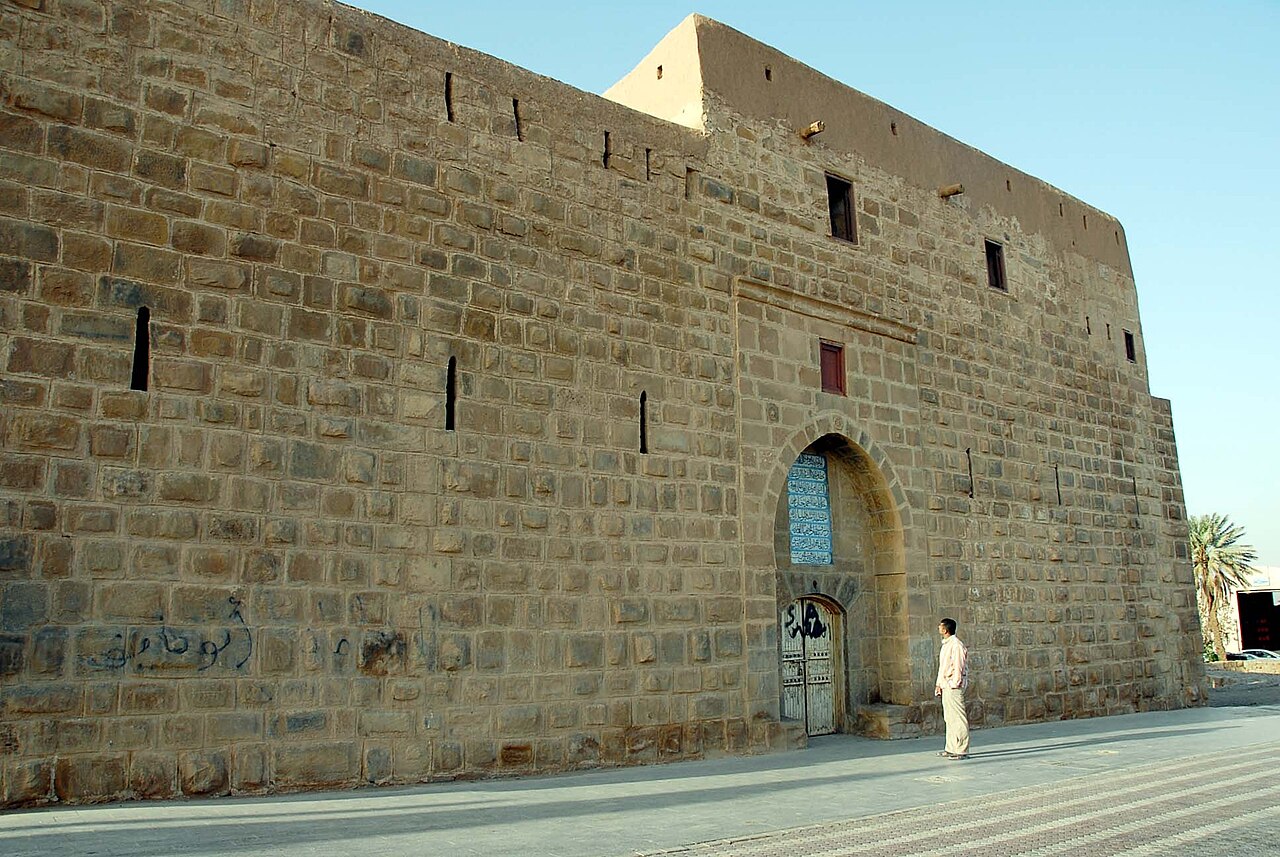
Tabuk Castle, also known as Tabuk Fortress, is a prominent 16th-century hill castle situated in Tabuk, the administrative center of Tabuk Province in northwestern Saudi Arabia. Constructed in 1559 during the Renaissance period, this fortress played a strategic role in the defense and control of the region, protecting important trade routes and serving as a military stronghold.
Historical background and significance
The castle's construction dates back to the mid-16th century, a time when the Ottoman Empire exerted influence over the Arabian Peninsula. Tabuk Castle was built under Ottoman auspices as part of a broader network of fortifications designed to secure the empire's southern borders and safeguard the pilgrimage routes to Mecca. Its location atop a hill provided a commanding view of the surrounding landscape, allowing early warning of any approaching threats.
Throughout its history, the castle witnessed various phases of military and administrative use. It served as a garrison for Ottoman troops and later became an important symbol of regional authority. The fortress also played a role in local governance and was a center for controlling caravan traffic and maintaining security in the harsh desert environment.
Architectural features and design
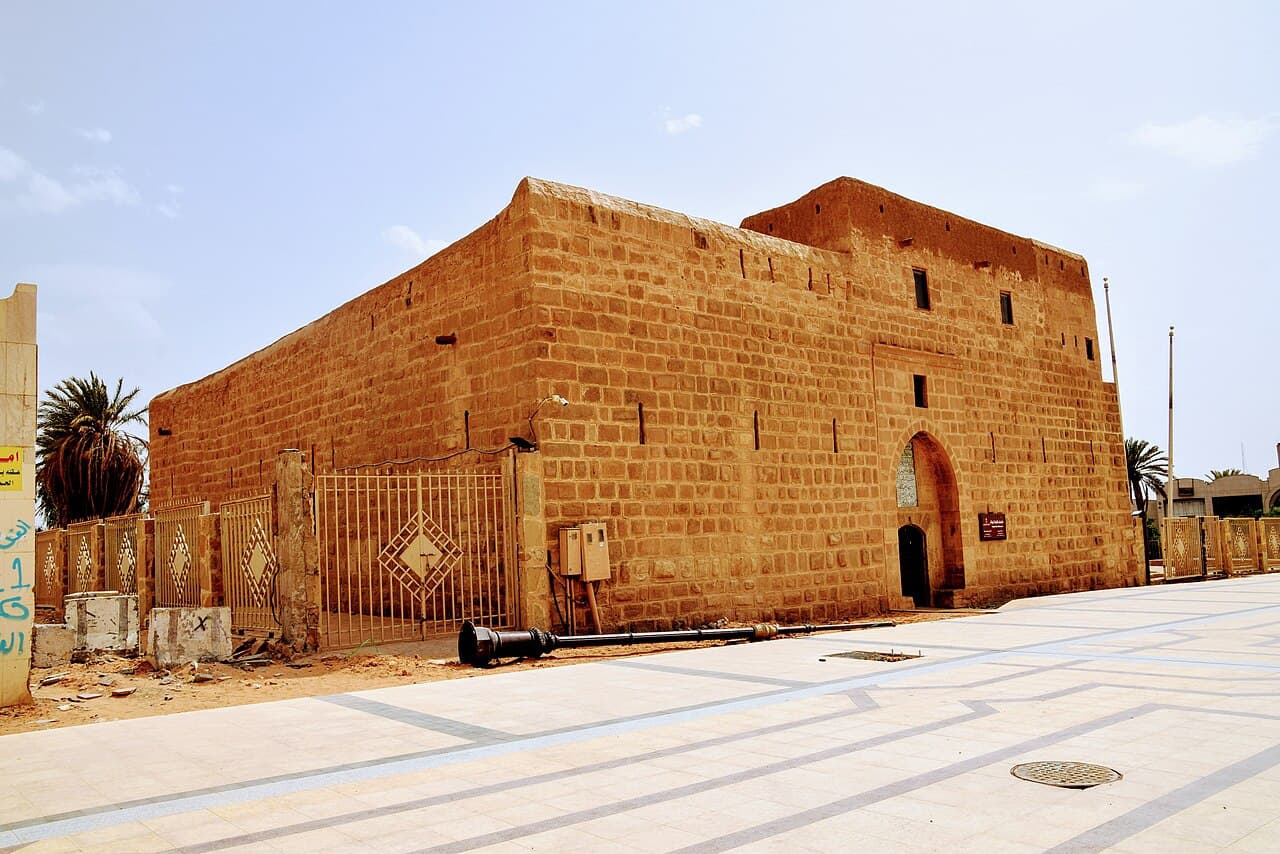
Tabuk Castle exemplifies typical hill castle architecture adapted to the arid climate and terrain of northwestern Arabia. The fortress is constructed primarily from local stone and mudbrick, materials chosen for their availability and thermal properties, which help moderate interior temperatures.
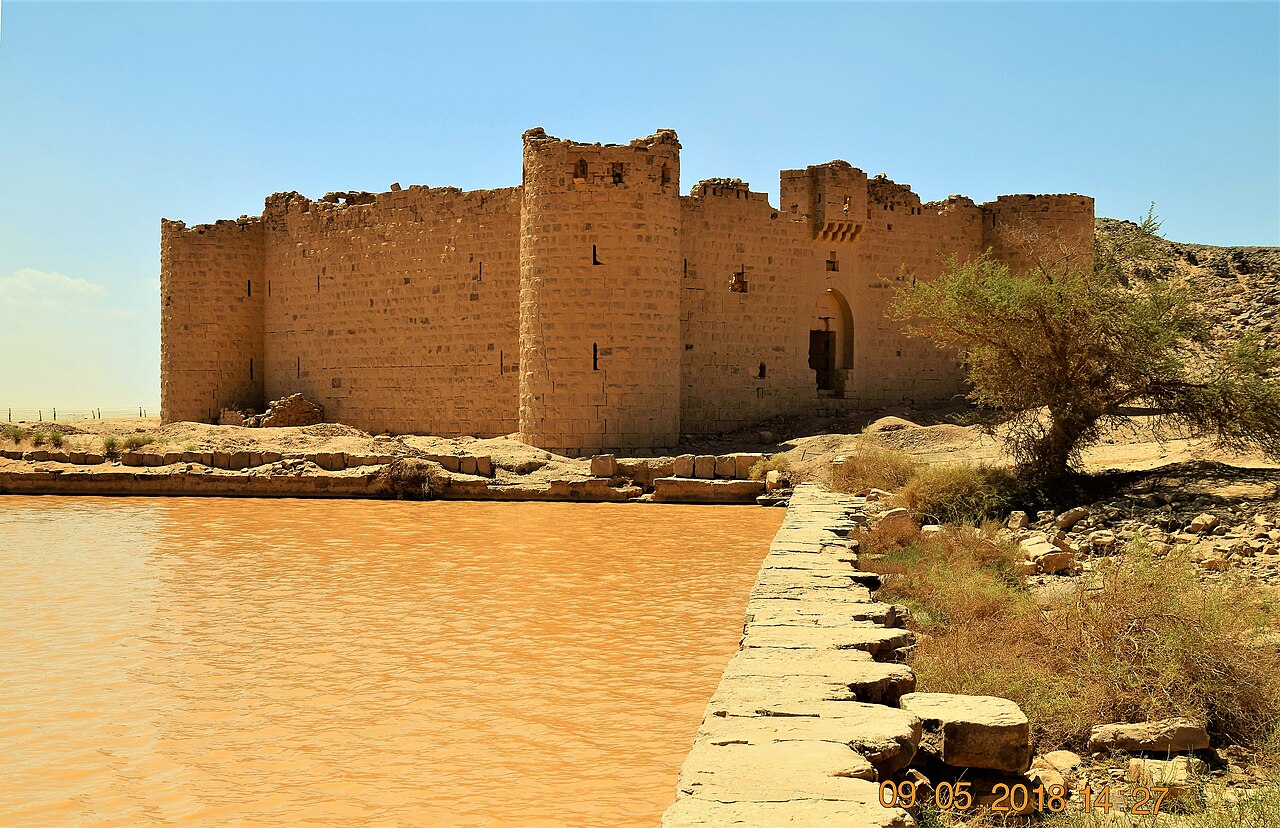
The castle's design includes thick defensive walls with battlements and towers strategically positioned for surveillance and defense. The main entrance is fortified with a heavy gate, and the walls are punctuated by arrow slits and gun ports, reflecting the military technology of the period.
Inside, the castle contains several chambers and courtyards that would have housed soldiers, administrative offices, and storage facilities. The layout is compact yet functional, emphasizing defense and control over comfort. The elevated position of the castle on a hill enhances its defensive capabilities and visibility.
Restoration and current use
In recent decades, Tabuk Castle has undergone restoration efforts to preserve its structural integrity and historical value. These efforts have included reinforcing the walls, repairing damaged sections, and adapting parts of the interior for public access.
Today, the castle functions as a museum open to visitors, showcasing artifacts and exhibits related to the castle's history, the Ottoman period in the region, and the cultural heritage of Tabuk. The museum provides educational opportunities and promotes awareness of the area's historical significance.
Geographical and cultural context
Located in the city of Tabuk, the castle overlooks a region characterized by desert landscapes and rugged hills. This strategic location was vital for controlling the ancient trade and pilgrimage routes passing through northwestern Arabia.
The fortress is an important cultural landmark in Saudi Arabia, reflecting the architectural and military traditions of the Ottoman era. It contributes to the understanding of the historical interactions between the Arabian Peninsula and the wider Islamic world during the Renaissance period.
Visitor information and accessibility
Tabuk Castle is accessible to the public, offering visitors a chance to explore its historic walls, towers, and museum exhibits. The site provides insight into the military architecture of the 16th century and the historical context of the region.
Visitors can appreciate the castle's elevated position, which offers panoramic views of the city of Tabuk and the surrounding desert. The museum's exhibits enhance the visitor experience by providing detailed information about the castle's construction, use, and restoration.
Frequently asked questions (FAQ)
- When was Tabuk Castle built?
- Tabuk Castle was constructed in 1559 during the Renaissance period under Ottoman influence.
- What architectural style characterizes Tabuk Castle?
- Tabuk Castle features typical hill castle architecture with thick defensive walls, battlements, and towers adapted to the arid climate.
- Can visitors tour Tabuk Castle today?
- Yes, Tabuk Castle has been restored and converted into a museum that is open to the public.
- Where is Tabuk Castle located?
- The castle is located in the city of Tabuk, the capital of Tabuk Province in northwestern Saudi Arabia.
- What was the strategic importance of Tabuk Castle?
- The castle served as a military stronghold protecting trade routes and pilgrimage paths, and as a garrison for Ottoman troops.
Photo gallery

Information
Loading map...
Visitor reviews
No reviews yet. Been here? Write the first review and help other travelers!
Write the first reviewVisited this castle? Share your experience
Your review helps other travelers and adds first-hand knowledge to our encyclopedia.