Zar Khezer Khan Castle
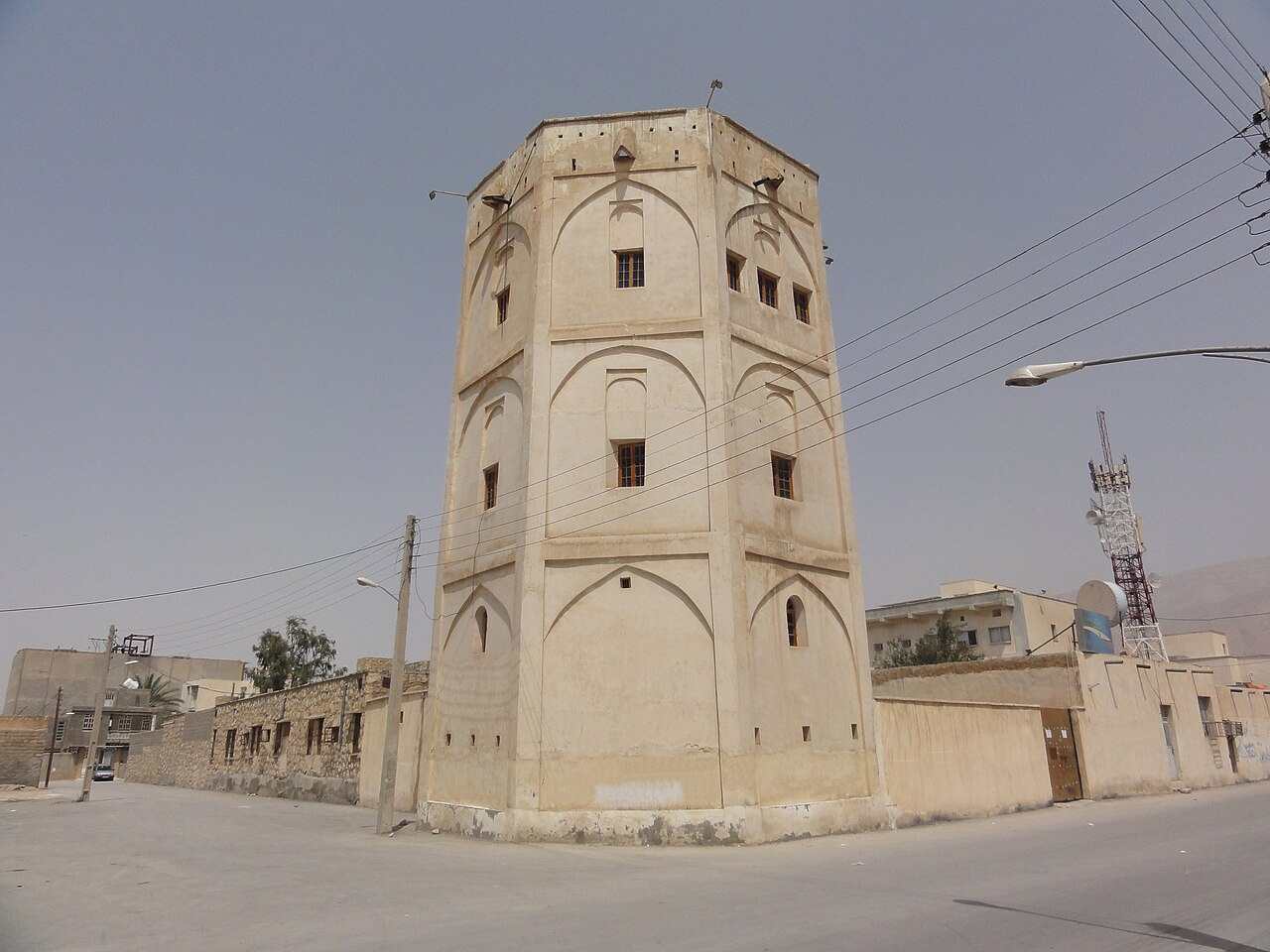
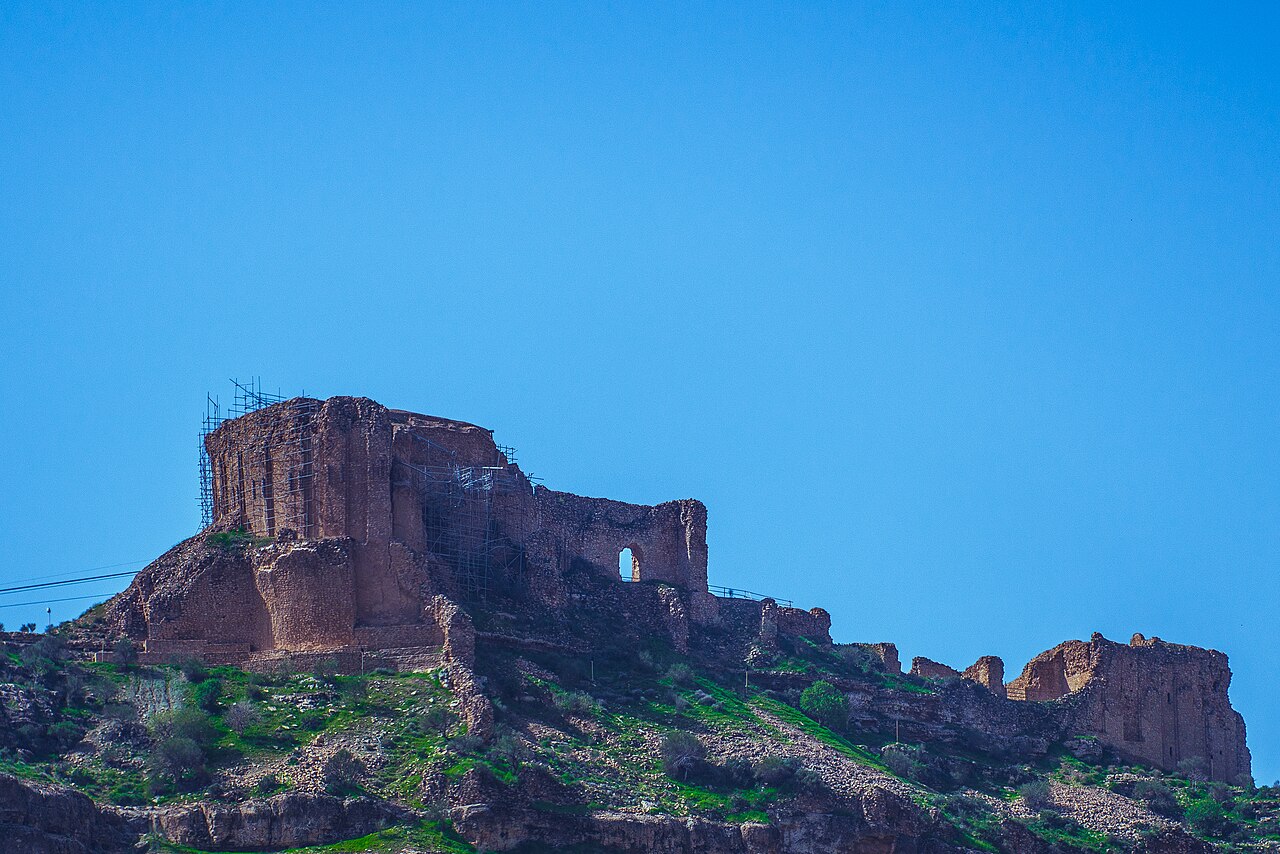
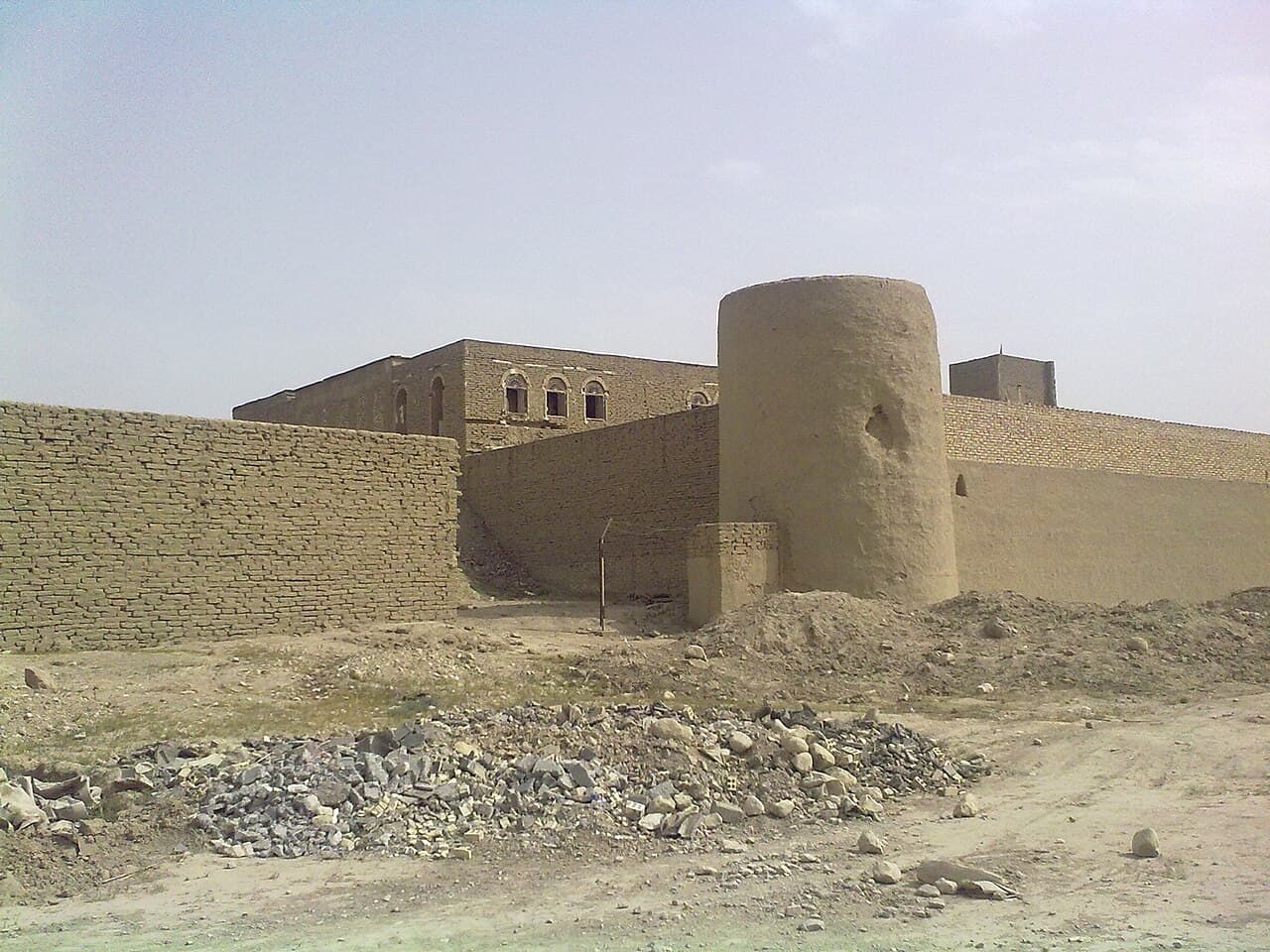
Zar Khezer Khan Castle, also known as Kalat Ahram Castle (Persian: قلعه کلات اهرم), is a historic fortress situated in Ahram, within Tangestan County of Bushehr Province, Iran. This hill castle dates back to the Qajar dynasty, reflecting the architectural and strategic military styles of the period.
Historical context and significance
The castle was constructed during the Qajar dynasty (1789–1925), a time when Iran underwent significant political and military transformations. The Qajars sought to consolidate power and defend their territories against internal and external threats. Castles such as Zar Khezer Khan served as military strongholds and administrative centers in the region, offering protection and control over local populations and trade routes.
Located in the southwestern part of Iran, Bushehr Province has historically been a strategic area due to its proximity to the Persian Gulf. The presence of Zar Khezer Khan Castle in Ahram highlights the importance of fortifications in securing the province's interior from potential incursions and maintaining regional stability during the Qajar era.
Architectural features and design
Zar Khezer Khan Castle exemplifies typical hill castle characteristics, built on elevated terrain to maximize defensive advantage. The castle's location atop a hill allowed for extensive surveillance of the surrounding landscape, making it difficult for attackers to approach unnoticed.
The fortress is constructed primarily of locally sourced stone and mortar, materials common in Iranian castle architecture of the time. Its walls are robust and designed to withstand sieges, with battlements and parapets providing cover for defenders. The castle likely included a series of towers and lookout points, though specific details about these features require further archaeological study.
Within the castle grounds, there would have been various functional spaces such as living quarters, storage rooms, and possibly a central courtyard. These elements were typical of Qajar military architecture, balancing defensive needs with the practical requirements of garrison life.
Defensive elements
The castle's design incorporates natural topography with man-made fortifications. Steep slopes around the hill provided natural barriers, while the castle walls enhanced these defenses. Entry points were probably limited and heavily fortified, with gates designed to control access and repel attackers.
Cultural and regional importance
As a relic of the Qajar dynasty, Zar Khezer Khan Castle contributes to the understanding of Iran's military and architectural history during the late 18th and 19th centuries. It reflects the regional adaptations of castle construction in southern Iran, where climate and geography influenced building techniques.
The castle also holds cultural significance for the local communities in Bushehr Province, symbolizing their historical heritage and connection to the broader narrative of Iranian history. Preservation of such sites aids in maintaining cultural identity and offers opportunities for education and tourism.
Current condition and preservation
Today, Zar Khezer Khan Castle remains a partially preserved structure. While some sections of the walls and foundational elements survive, the castle has suffered from natural erosion and lack of extensive restoration efforts. Its ruins still convey the scale and strategic importance of the fortress.
Efforts to document and preserve the castle are important for safeguarding this piece of Iran's architectural heritage. Increased awareness and conservation initiatives could help protect the site from further deterioration and promote it as a cultural attraction.
Visiting Zar Khezer Khan Castle
Visitors to Bushehr Province interested in historical architecture and Iranian heritage may find Zar Khezer Khan Castle a noteworthy site. Its hilltop location offers scenic views of the surrounding landscape, enhancing the experience of exploring the ruins.
Access to the castle may require travel through rural areas around Ahram, and facilities at the site are limited due to its preservation status. Prospective visitors should plan accordingly and consider guided tours to gain deeper insights into the castle's history and architecture.
Nearby attractions
Bushehr Province offers a variety of cultural and natural attractions, including coastal areas along the Persian Gulf, traditional bazaars, and other historical sites. Combining a visit to Zar Khezer Khan Castle with these destinations can provide a richer understanding of the region's diverse heritage.
Frequently asked questions (FAQ)
- When was Zar Khezer Khan Castle built?
- Zar Khezer Khan Castle was constructed during the Qajar dynasty, which lasted from 1789 to 1925.
- Where is Zar Khezer Khan Castle located?
- The castle is located in Ahram, Tangestan County, within Bushehr Province, Iran.
- What type of castle is Zar Khezer Khan Castle?
- It is classified as a hill castle, built on elevated terrain to maximize defensive advantages.
- What is the current condition of Zar Khezer Khan Castle?
- The castle is partially preserved, with some walls and foundations still visible despite natural erosion.
- Can visitors access Zar Khezer Khan Castle easily?
- Access may require travel through rural areas around Ahram, and facilities at the site are limited due to its preservation status.
Photo gallery

Information
Loading map...
Visitor reviews
No reviews yet. Been here? Write the first review and help other travelers!
Write the first reviewVisited this castle? Share your experience
Your review helps other travelers and adds first-hand knowledge to our encyclopedia.