Khormoj Castle
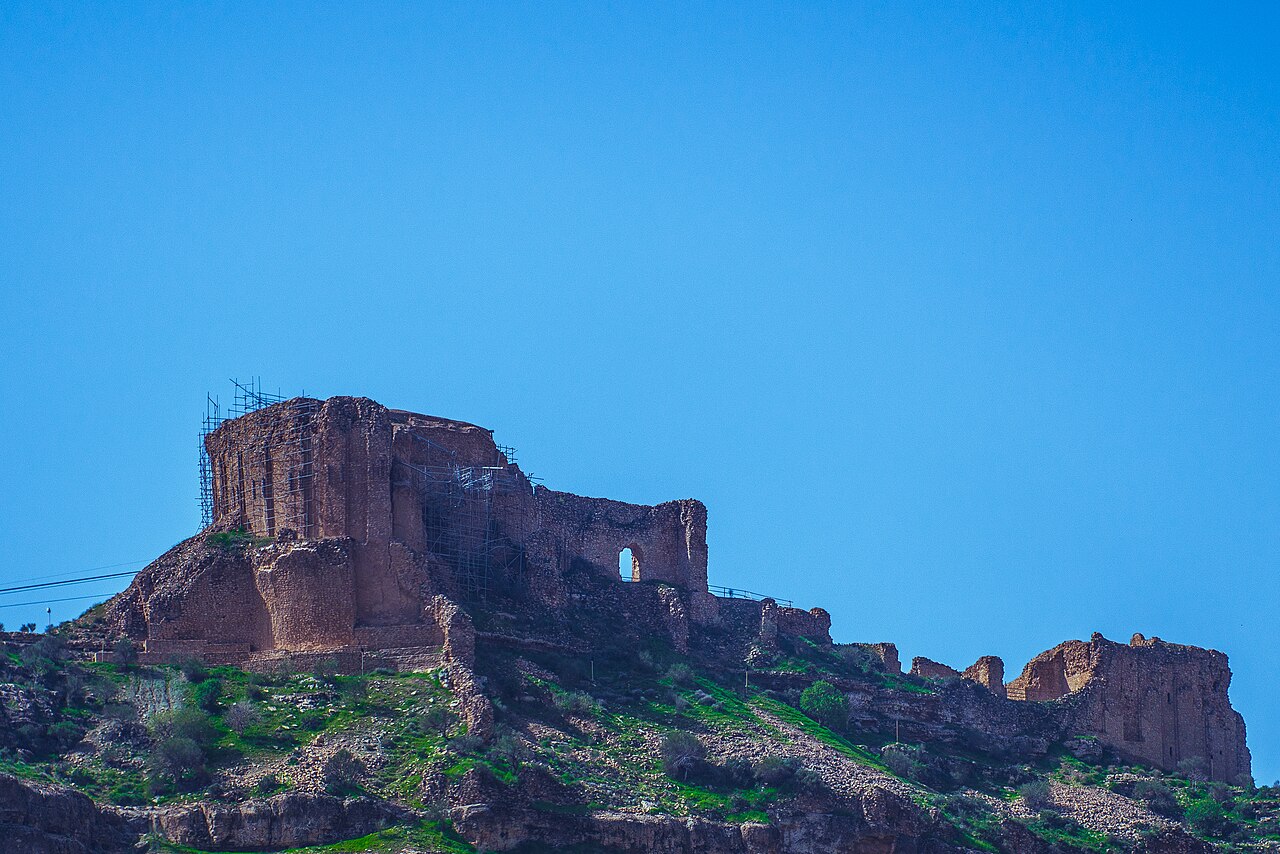
Khormoj castle (Persian: قلعه خورموج) is a significant historical fortress situated in Dashti County within Bushehr Province, Iran. This hill castle traces its origins to the Qajar dynasty, a period that spanned from the late 18th century to the early 20th century. The castle's strategic location atop a hill provided a commanding view of the surrounding landscape, which was essential for defense and surveillance during its active use.
Historical context and significance
The Qajar dynasty ruled Iran from 1789 to 1925, a time marked by both internal strife and external pressures from colonial powers. Castles like Khormoj were vital for maintaining control over regional territories and protecting trade routes. Although Khormoj castle is less internationally renowned than some other Persian fortresses, it played a crucial role in local governance and military defense in Bushehr Province.
Architectural features and construction
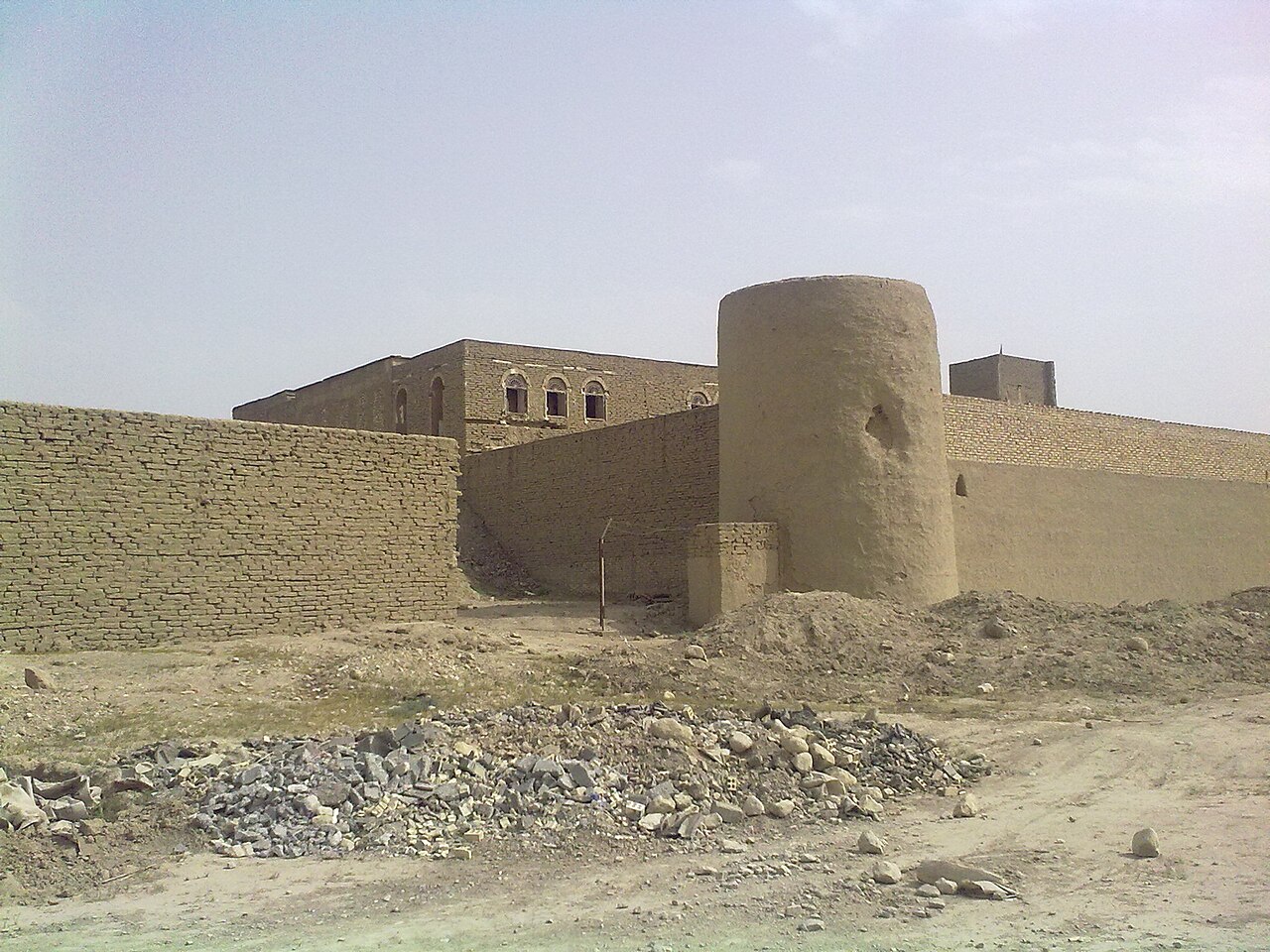
Khormoj castle exemplifies the typical features of a hill castle constructed during the Qajar period. Built primarily with local stone and brick, the fortress incorporates thick defensive walls designed to withstand attacks. The elevated position on a hill not only enhanced its defensibility but also allowed for natural drainage and visibility.
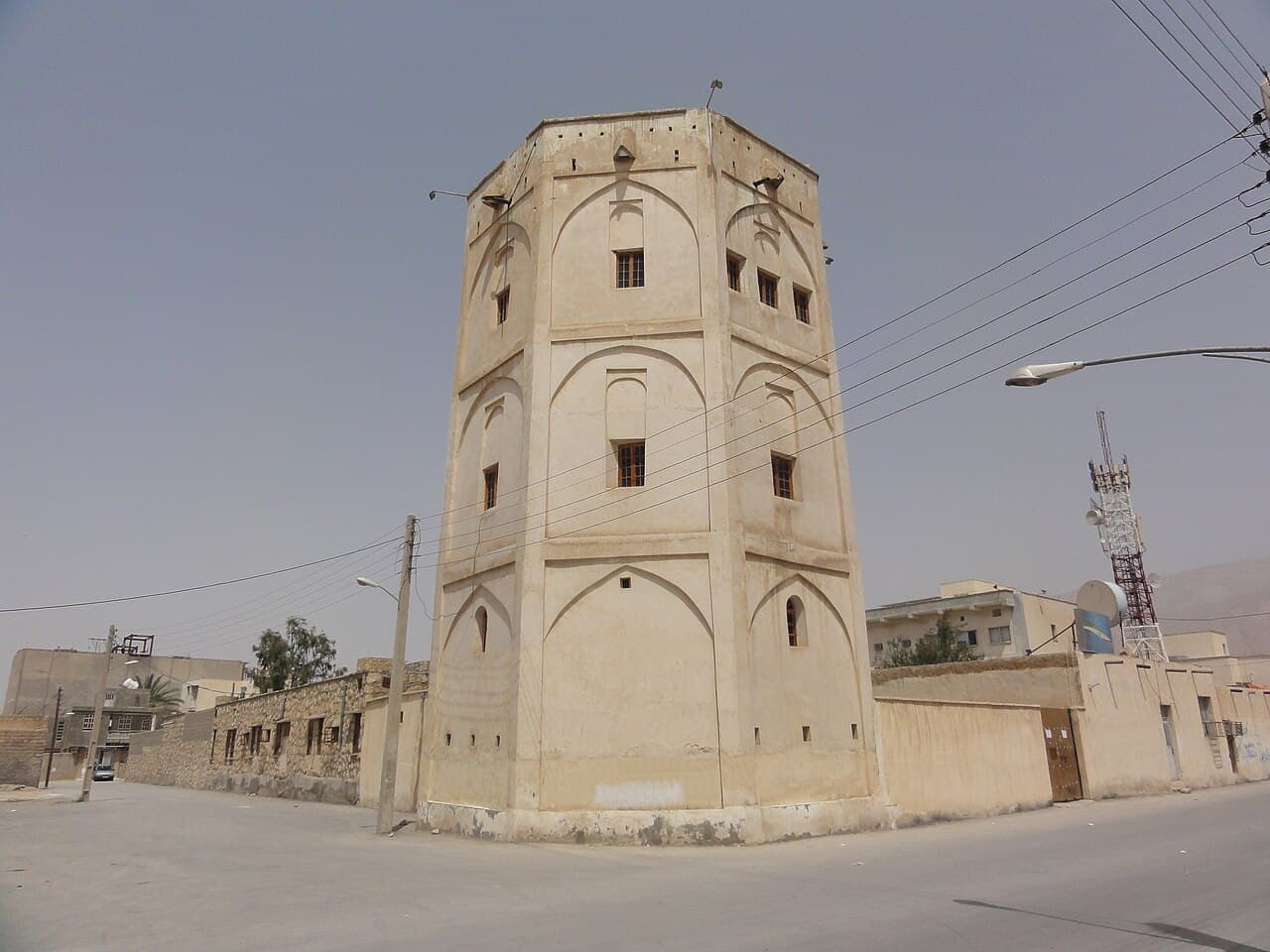
The castle likely included battlements, watchtowers, and fortified gates to control access. While detailed architectural surveys are limited, the structure reflects the military architectural trends of the late 18th and 19th centuries in Iran, combining traditional Persian defensive design with adaptations to contemporary warfare needs.
Materials and construction techniques
The use of stone and brick was common in the region, chosen for durability and availability. The walls were probably reinforced with mortar made from lime and other local materials. The castle's layout would have been planned to maximize defensive capabilities, including narrow passages and elevated platforms for archers or later, firearms.
Role in regional defense and administration
During the Qajar era, Khormoj castle served as a military stronghold and administrative center. It helped secure the surrounding territory against tribal raids and rival factions. The castle's presence signified authority and control, often housing local governors or military commanders responsible for maintaining order.
Current condition and preservation
Today, Khormoj castle remains a partially preserved relic of Iran's Qajar dynasty fortifications. While some sections of the walls and foundations survive, much of the original structure has suffered from natural decay and lack of extensive restoration. The site offers valuable insight into the defensive architecture of the period and continues to attract interest from historians and visitors interested in Iran's military heritage.
Visiting Khormoj castle
Access to Khormoj castle allows visitors to explore the remnants of a Qajar-era hill castle set in the scenic landscape of Bushehr Province. Given its historical significance, the site is important for cultural tourism and education about Iran's regional history. Visitors should prepare for uneven terrain typical of hilltop fortresses and check local resources for visiting hours and access conditions.
Frequently asked questions (FAQ)
- What is the historical significance of Khormoj Castle?
- Khormoj Castle is a prominent historical site in Iran, showcasing the architectural style and military defenses of the region. Believed to date back to the Sassanian period, it reflects the rich cultural heritage and strategic importance of the area throughout history.
- When was Khormoj Castle built?
- Khormoj Castle was constructed during the Sassanian era, around the 3rd to 7th centuries AD. Its robust structure and design have allowed it to withstand the test of time and remain a key attraction for historians and tourists alike.
- Is it possible to visit Khormoj Castle?
- Yes, Khormoj Castle is open to visitors who wish to explore its ancient walls and learn about its history. The site is accessible, but it's advisable to check local guidelines and opening times before your visit.
- When is the best time to visit Khormoj Castle?
- The best time to visit Khormoj Castle is during the spring and autumn months when the weather is milder and more pleasant. These seasons offer a more enjoyable experience for outdoor exploration and photography.
- Can I take photographs at Khormoj Castle?
- Visitors are generally allowed to take photographs at Khormoj Castle, making it a great opportunity to capture the stunning architecture and surrounding landscapes. However, it's recommended to be respectful of the site and other visitors while doing so.
- What are the opening hours for Khormoj Castle?
- Khormoj Castle typically opens in the morning and closes in the early evening, but exact hours may vary seasonally. It’s best to check with local tourism resources for the most accurate information before planning your visit.
- Are there any nearby attractions to Khormoj Castle?
- Yes, there are several attractions near Khormoj Castle, including local markets and cultural sites that reflect the heritage of the region. Exploring these nearby areas can enhance your experience and provide a deeper understanding of the local culture.
- What are the ticket prices for visiting Khormoj Castle?
- The ticket prices for Khormoj Castle are generally affordable, making it accessible for most visitors. It's advisable to check current rates at the entrance or on official tourism websites for any updates before your visit.
- How do I get to Khormoj Castle?
- Khormoj Castle is accessible by road, and visitors can reach it via personal vehicles or local transportation. It's recommended to use a navigation app for the best routes and to check for any travel advisories before your journey.
Photo gallery

Information
Loading map...
Visitor reviews
No reviews yet. Been here? Write the first review and help other travelers!
Write the first reviewVisited this castle? Share your experience
Your review helps other travelers and adds first-hand knowledge to our encyclopedia.