Zamok Borki
Zamok Borki represents a unique example of a modern-era fortress located in the Russian Federation. Unlike many castles rooted in medieval history, Zamok Borki was constructed in the 20th century, reflecting military architectural trends of that period rather than traditional medieval styles. Today, it exists primarily as archaeological ruins, offering insight into 20th-century defensive structures within Russia.
Historical context and significance
The construction of Zamok Borki took place during a time when fortifications were evolving rapidly due to advancements in artillery and warfare technology. While most castles are associated with medieval or early modern periods, Zamok Borki’s origins in the contemporary period set it apart as a rare example of a fortress built primarily for modern defense purposes. This period saw the transition from traditional castle architecture to more utilitarian military installations designed to withstand modern weaponry.
Although the exact historical events linked to Zamok Borki remain limited in public records, its presence as a 20th-century fortress suggests it may have played a role in regional defense strategies, possibly related to the geopolitical tensions experienced by Russia throughout the 1900s. The fortress likely served as a stronghold or observation point, integrating the latest military architectural concepts of its time.
Architectural features and layout
Zamok Borki’s design diverges from classical castle aesthetics, focusing instead on functional military architecture. The ruins indicate the use of reinforced concrete and other modern materials typical of 20th-century fortifications. Unlike medieval castles with high curtain walls and towers, Zamok Borki’s remains suggest a low-profile structure optimized for defense against artillery bombardment.
The fortress likely included features such as bunkers, underground passages, and observation posts. The layout would have been designed to maximize visibility and firing range while minimizing exposure to enemy fire. Defensive walls were probably thick and angled to deflect shells, and the site’s strategic placement would have been chosen to control important approaches or borders.
Defensive structures and materials
The surviving ruins reveal the use of reinforced concrete, a hallmark of 20th-century military construction, replacing traditional stone masonry. This material provided enhanced durability and resistance to explosive impacts. The fortress’s walls and foundations were constructed to absorb shock and protect personnel and equipment inside.
Additional defensive elements may have included anti-tank obstacles and machine gun emplacements, reflecting the tactical needs of the era. The design emphasized camouflage and low visibility to aerial reconnaissance, which became increasingly important during the 20th century.
Current condition and archaeological importance
Today, Zamok Borki stands as ruins, with much of its original structure eroded or collapsed. The site’s condition reflects decades of exposure to natural elements and the absence of extensive restoration efforts. Despite this, the ruins provide valuable archaeological data about military architecture in the contemporary period.
Archaeologists and historians study Zamok Borki to understand the evolution of fortress design in response to modern warfare challenges. The site offers a tangible connection to 20th-century military history in Russia and contributes to broader knowledge about defensive strategies during turbulent geopolitical times.
Visiting Zamok Borki
While not a typical tourist destination due to its remote location and ruined state, Zamok Borki attracts visitors interested in military history and archaeology. Visitors should prepare for limited facilities and accessibility challenges. Exploring the ruins offers a unique opportunity to witness firsthand the remnants of a modern fortress and reflect on the historical context of 20th-century defensive architecture.
Preservation efforts remain limited, emphasizing the importance of responsible visitation to protect the site’s fragile remains. Visitors are encouraged to respect the site and contribute to awareness of its historical value.
Frequently asked questions (FAQ)
- How do I get to Zamok Borki?
- Zamok Borki is accessible by car or public transport from major cities in the Russian Federation. The nearest train station is located in the town of Borki, from where you can take a taxi or a local bus to the castle.
- What is the historical significance of Zamok Borki?
- Zamok Borki is a remarkable example of Russian architectural heritage, built in the 19th century. It served as a residence for local nobility and played a crucial role in the region's cultural history.
- When was Zamok Borki constructed?
- The construction of Zamok Borki began in 1820 and was completed in 1826. This castle reflects the architectural styles popular during that period in Russia, combining elements of classical and neo-Gothic design.
- Can I take guided tours of the castle?
- Yes, guided tours of Zamok Borki are available for visitors, providing in-depth information about its history and architecture. Tours are conducted in both Russian and English, allowing for a better understanding of the castle's significance.
- Why is Zamok Borki a popular tourist destination?
- Zamok Borki attracts visitors due to its stunning architecture, rich history, and beautiful surrounding landscapes. The castle's unique design and historical importance make it a must-see for anyone interested in Russian heritage.
- Is it possible to host events at Zamok Borki?
- Yes, Zamok Borki offers facilities for hosting various events, including weddings, corporate gatherings, and cultural events. Interested parties should contact the castle’s management for more details on booking and arrangements.
- What are the opening hours of Zamok Borki?
- Zamok Borki is open to visitors from 10 AM to 6 PM, Tuesday through Sunday. It is closed on Mondays, so be sure to plan your visit accordingly.
- What are the ticket prices for visiting Zamok Borki?
- Tickets to Zamok Borki are reasonably priced, with discounts available for students and seniors. Children under the age of 12 can enter for free, making it an affordable outing for families.
- When is the best time to visit Zamok Borki?
- The best time to visit Zamok Borki is during the spring and early fall when the weather is mild and the surrounding gardens are in full bloom. Summer can also be a great time, but it may be busier with tourists.
- Are there any nearby attractions to visit?
- Yes, there are several attractions near Zamok Borki, including local museums and parks that showcase the area's natural beauty and history. Visitors can also explore nearby villages to experience traditional Russian culture.
Photo gallery

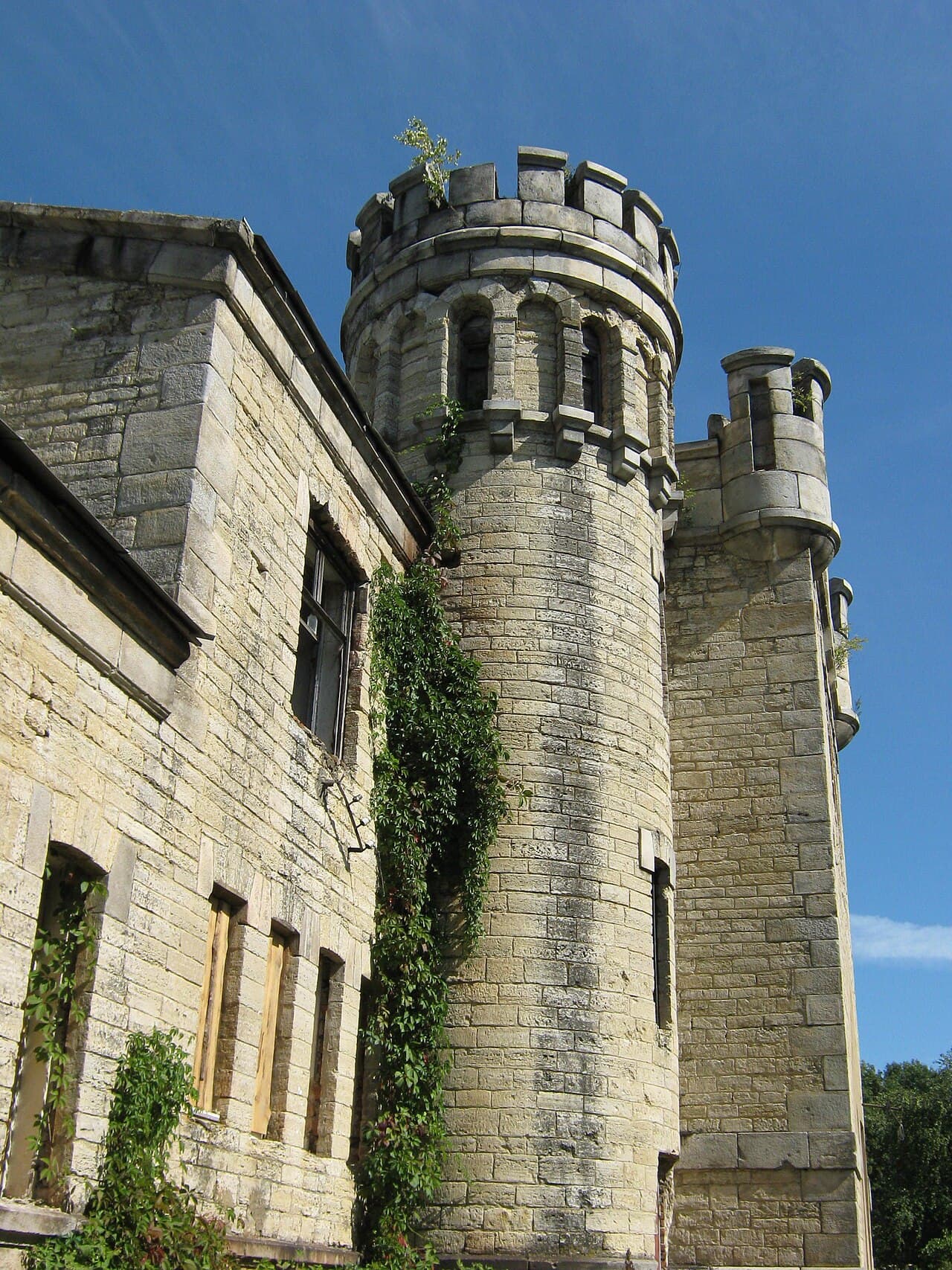
Photo by Skazochnik97•Public domain
Information
Loading map...
Visitor reviews
No reviews yet. Been here? Write the first review and help other travelers!
Write the first reviewVisited this castle? Share your experience
Your review helps other travelers and adds first-hand knowledge to our encyclopedia.