Rila Fortress
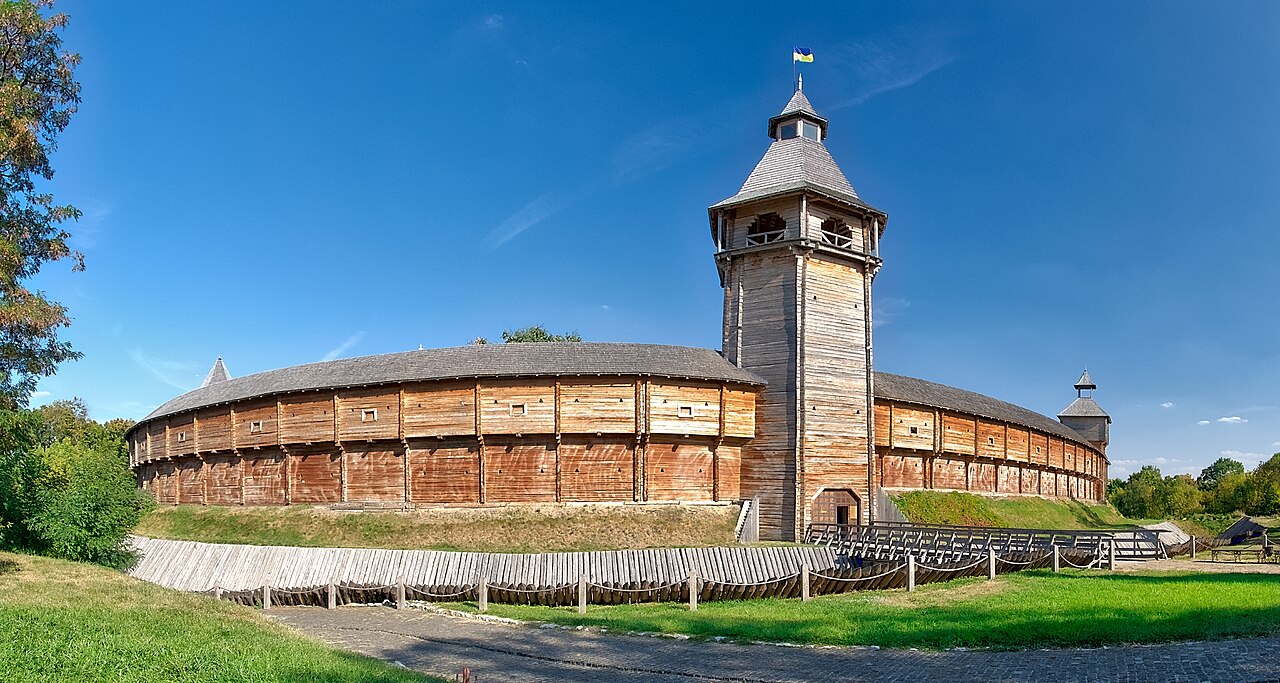
Rila Fortress is a bastioned fortress located in the Russian Federation, representing a significant example of military architecture designed for defense and strategic control. Bastioned fortresses are characterized by angular bastions projecting outward from the curtain walls, allowing defenders to cover adjacent walls with crossfire. This design was a response to the development of artillery in warfare, marking an evolution from medieval castles to early modern fortifications.
Architectural design and defensive features
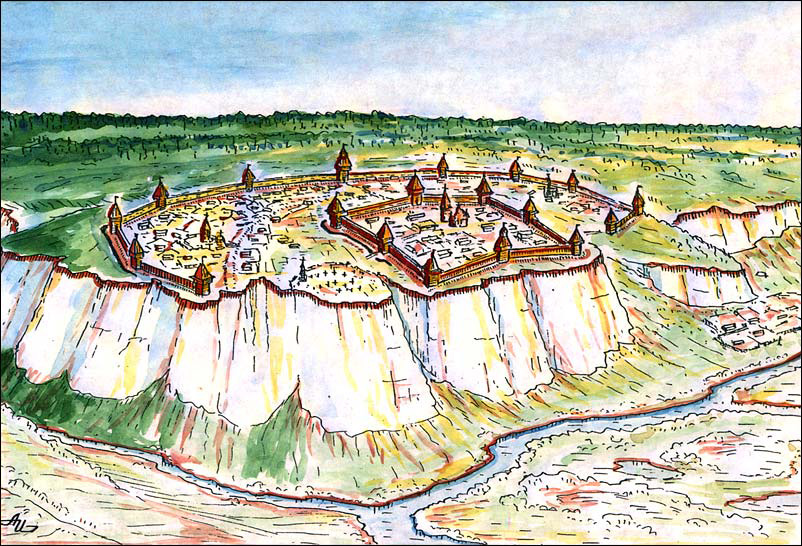
The fortress incorporates angular bastions at its corners, which are key features of bastioned fortifications. These bastions provided overlapping fields of fire, eliminating blind spots and enhancing the fortress's defensive capabilities. The walls are typically thick and sloped to better absorb and deflect cannon fire. The curtain walls connect the bastions, forming a polygonal or star-shaped layout common in bastioned fortresses.
Additional defensive elements likely included moats or ditches surrounding the fortress, reinforced gates with drawbridges or portcullises, and internal structures such as barracks, armories, and command posts. The fortress's layout was designed to maximize defense while accommodating the needs of a garrisoned force.
Historical context and significance
While specific historical details about Rila Fortress are scarce, bastioned fortifications became prominent in the early modern period (16th to 18th centuries) as artillery technology advanced. The fortress would have played a role in regional military defense, controlling strategic routes and serving as a base for troops.
In the Russian Federation, bastioned fortresses were constructed to protect borders and important cities from external threats. These fortresses reflect the military engineering knowledge of their time and the adaptation to new warfare technologies.
Preservation and current status
The current condition of Rila Fortress is not well documented. Many bastioned fortresses in the region have suffered from neglect or partial ruin, while others have been restored or preserved as cultural heritage sites. If accessible, the fortress would offer valuable insights into the military architecture and history of the area.
Visiting and cultural importance
Details about public access, visiting hours, and guided tours for Rila Fortress are not readily available. Visitors interested in military architecture and history may find the fortress noteworthy if it is open to the public. The site may also be of interest to researchers and historians specializing in fortifications and early modern military history.
Frequently asked questions (FAQ)
- What is a bastioned fortress?
- A bastioned fortress is a type of fortification characterized by angular bastions projecting from the walls, designed to provide overlapping fields of fire against attackers.
- When were bastioned fortresses commonly built?
- Bastioned fortresses were commonly built during the early modern period, especially from the 16th to 18th centuries, as a response to advances in artillery.
- Can I visit Rila Fortress?
- Information about public access and visiting hours for Rila Fortress is currently unavailable, so it is recommended to check local sources before planning a visit.
- Why were bastioned fortresses important in military history?
- Bastioned fortresses allowed defenders to cover all approaches with gunfire, reducing blind spots and improving defense against artillery and infantry attacks.
Photo gallery

Information
Loading map...
Visitor reviews
No reviews yet. Been here? Write the first review and help other travelers!
Write the first reviewVisited this castle? Share your experience
Your review helps other travelers and adds first-hand knowledge to our encyclopedia.