Belgorod Fortress
Belgorod fortress is a significant example of a 16th-century bastioned fortress located in the Russian Federation. Constructed during the Renaissance period, this fortress was part of a broader strategic effort to fortify the southern borders of the Russian state against invasions and raids, particularly from the Crimean Tatars and other nomadic groups.
The strategic importance and historical context
Built in the 16th century, the Belgorod fortress played a crucial role in the defense system of Russia's southern frontier. During this period, the Russian state was expanding and consolidating its territories, necessitating the construction of robust fortifications. The fortress was designed to withstand artillery attacks, reflecting the military advancements of the Renaissance era.
Architectural features and design
The fortress is classified as a bastioned fortress, a style that emerged in response to the development of gunpowder artillery. Its design incorporates angular bastions projecting outward from the main walls, allowing defenders to cover adjacent walls with cannon and musket fire, eliminating blind spots. This design was revolutionary compared to earlier medieval castles, which typically had round towers and high walls vulnerable to cannon fire.
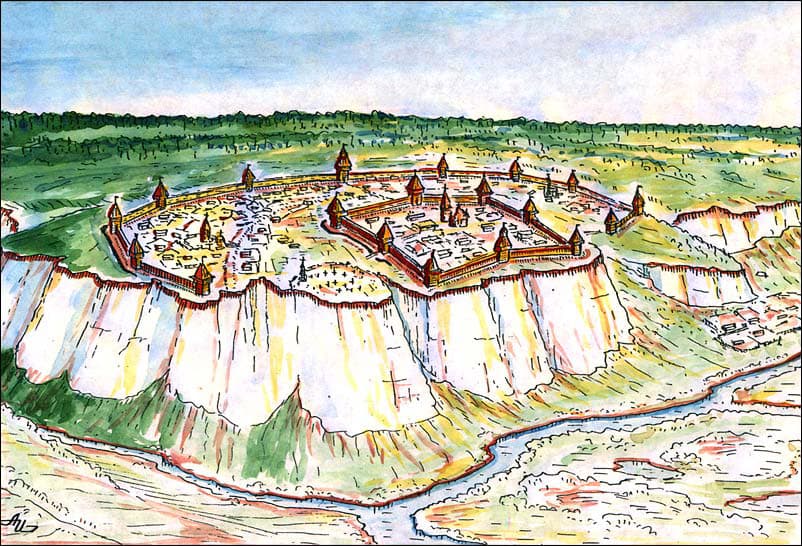
The walls of Belgorod fortress were constructed thick and low, optimized to absorb and deflect artillery shots. The fortress likely included moats or ditches surrounding the walls, along with ravelins and curtain walls to further impede attackers. Gatehouses would have been heavily fortified, possibly with drawbridges and barbicans, enhancing the defensive capabilities.
Materials and construction techniques
The fortress was built primarily from local stone and brick, materials typical for Russian fortifications of the Renaissance period. The masonry techniques would have combined traditional Russian methods with influences from Western Europe, reflecting the exchange of military architectural knowledge during the Renaissance.
Role in regional defense and military history
Belgorod fortress served as a military stronghold and administrative center, controlling key routes and protecting the surrounding region. It was part of a network of fortresses that secured the southern borders of Russia and facilitated the expansion into the steppe regions. The fortress's presence deterred raids and provided a base for Russian troops during conflicts.
Throughout its history, the fortress likely witnessed various military engagements, sieges, and changes in control, although specific battles are less documented compared to more famous Russian fortresses.
Preservation and current status
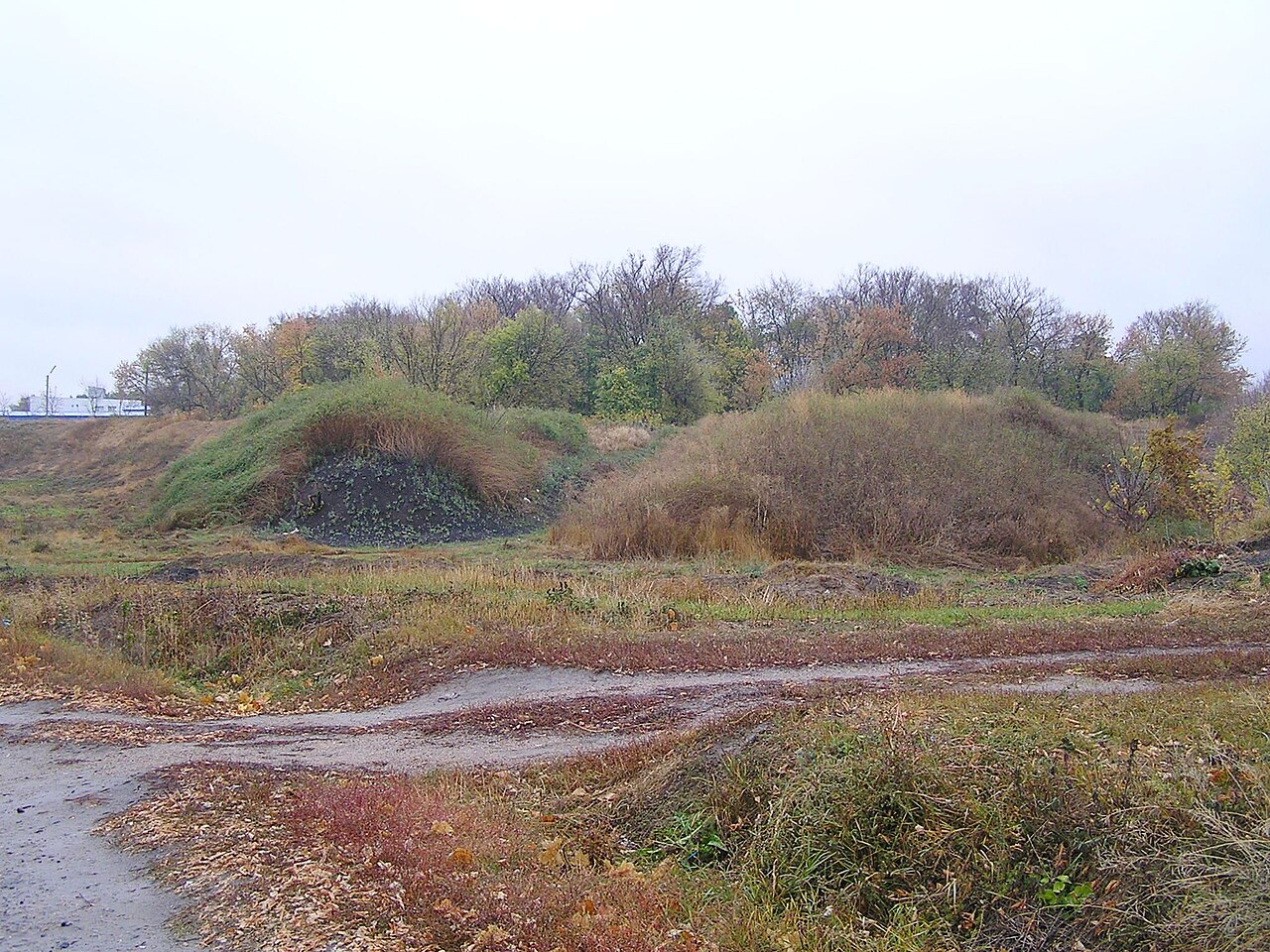
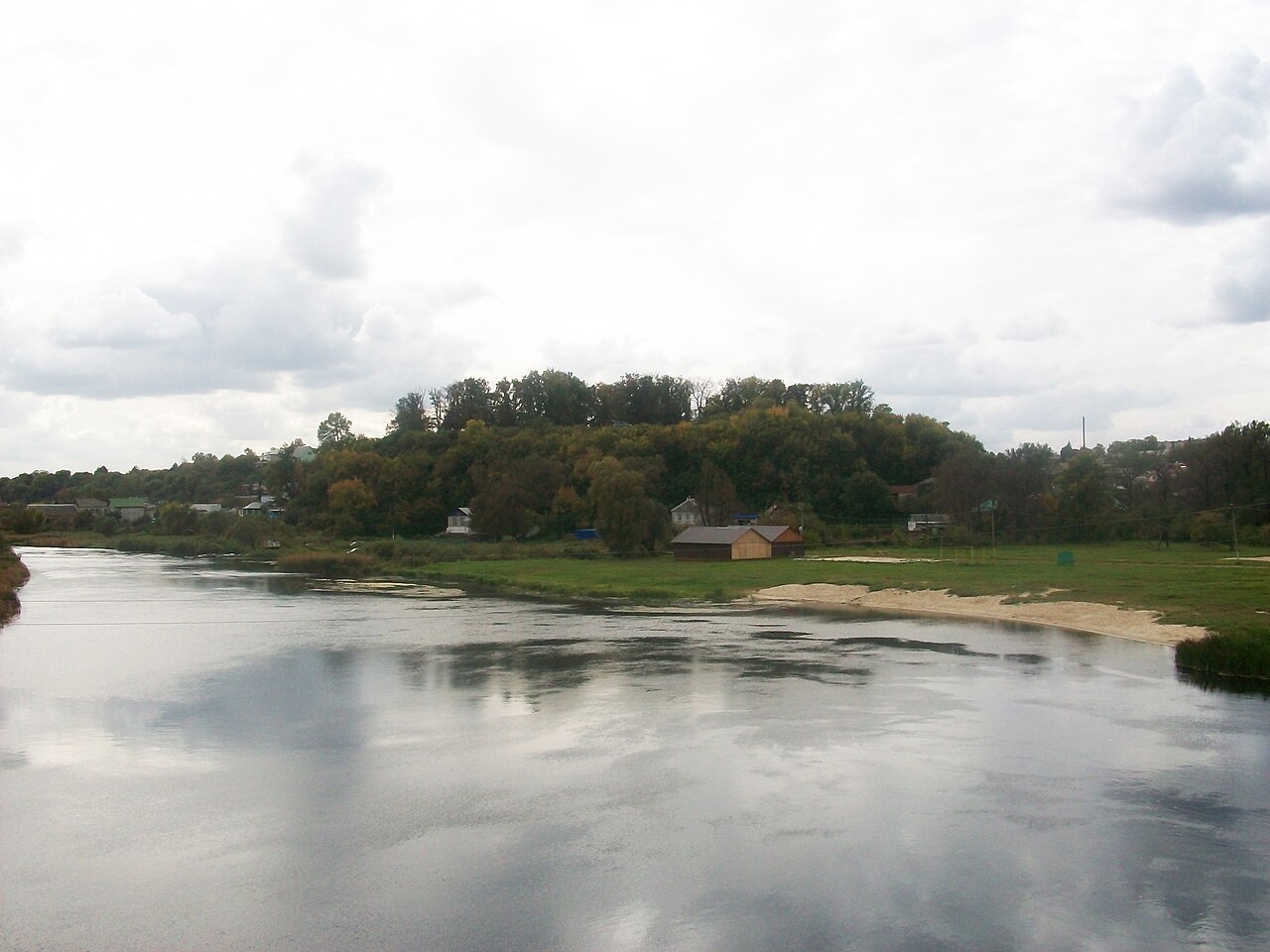
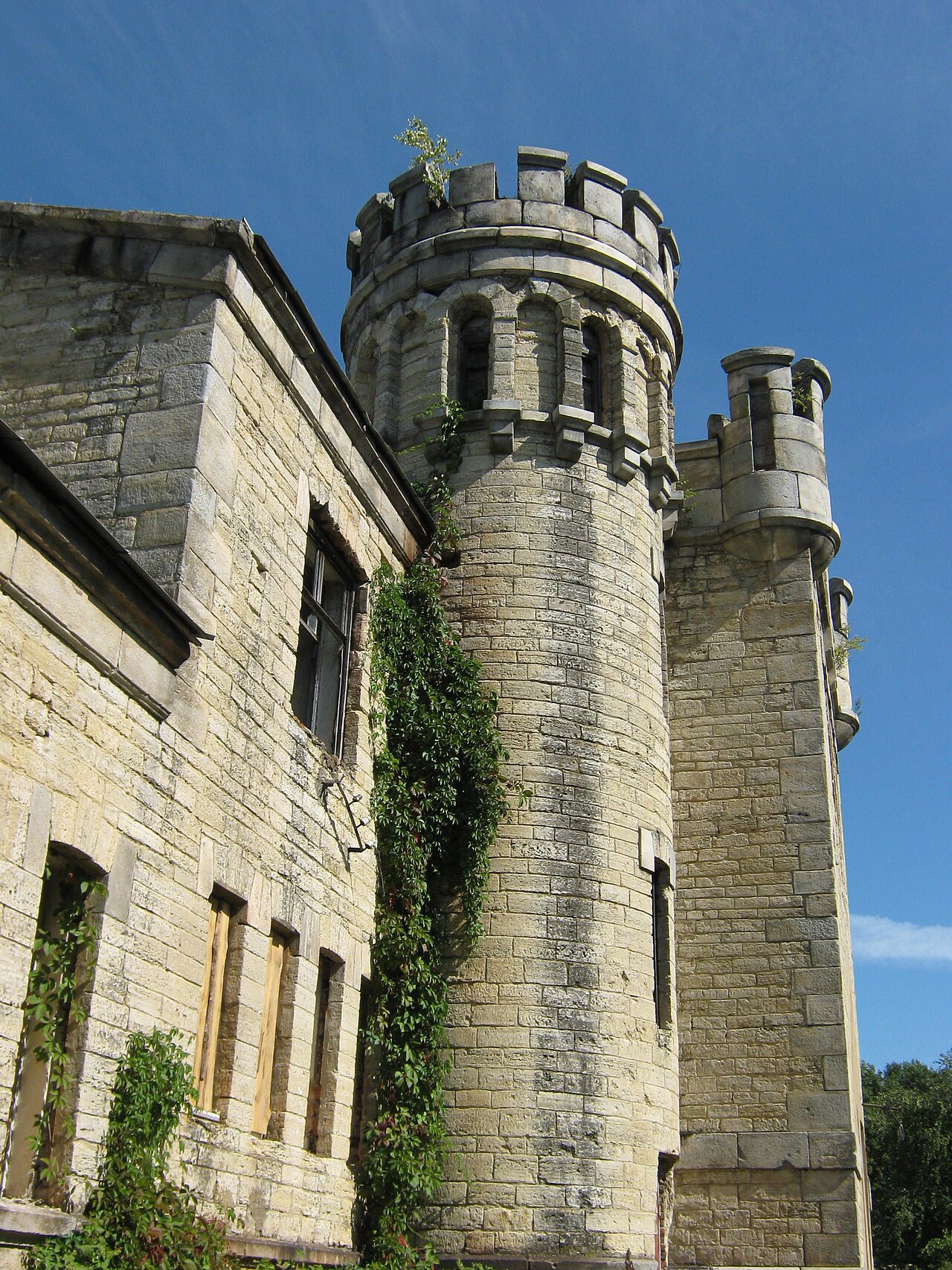
Today, the Belgorod fortress remains a valuable cultural and historical monument. Its condition varies, with some sections well-preserved or restored, while others may be in ruins or partially preserved. The fortress attracts visitors interested in military architecture and Russian history, offering insights into Renaissance-era fortification techniques adapted to the Russian context.
Visitor experience and accessibility
Visitors to Belgorod fortress can explore its defensive walls, bastions, and possibly remaining gate structures. Interpretive signage or guided tours may be available to provide historical context and explain the architectural features. The site contributes to the understanding of the evolution of fortress design in Russia and the broader European military architectural developments during the Renaissance.
Frequently asked questions (FAQ)
- How do I get to Belgorod Fortress?
- Belgorod Fortress is located in the city of Belgorod, which is accessible by train, bus, or car from major cities in the Russian Federation. The fortress is situated near the city center, making it easy to reach on foot or via local transportation once you arrive in Belgorod.
- What is the historical significance of Belgorod Fortress?
- Belgorod Fortress, built in the 17th century, played a crucial role in defending the Russian borders against invasions from the south. It is a symbol of Russian military architecture and has witnessed many historical events, reflecting the region's strategic importance throughout history.
- When was Belgorod Fortress constructed?
- Construction of Belgorod Fortress began in 1650 and was completed in 1666. It was established as a defensive structure to protect Russia from raids by the Crimean Khanate and other threats during a tumultuous period in Russian history.
- Can I visit Belgorod Fortress year-round?
- Yes, Belgorod Fortress is open for visitors year-round, although hours may vary by season. Be sure to check the official website or local tourism information for specific opening times based on your visit.
- Why is the architecture of Belgorod Fortress unique?
- The fortress showcases a blend of traditional Russian fortification techniques with Renaissance influences, characterized by its thick walls and bastions. Its well-preserved structures, including towers and gates, offer a glimpse into the military engineering of the 17th century.
- Is it possible to take guided tours of Belgorod Fortress?
- Yes, guided tours are available for visitors who wish to learn more about the fortress's rich history and architecture. These tours often include access to various parts of the fortress and are conducted in multiple languages.
- What are the ticket prices for visiting Belgorod Fortress?
- Ticket prices for Belgorod Fortress are generally affordable, with discounts available for students and seniors. It's advisable to check the fortress's official website for the most current pricing and any special offers for group visits.
- What is the best time to visit Belgorod Fortress?
- The best time to visit Belgorod Fortress is during the spring and early autumn when the weather is mild and comfortable for exploring. Summer can also be a popular time, but it may be crowded with tourists, so plan accordingly.
- Are there any nearby attractions to explore after visiting Belgorod Fortress?
- Yes, after visiting Belgorod Fortress, you can explore nearby attractions such as the Belgorod State Art Museum and the Cathedral of St. Nicholas. The city also offers beautiful parks and local dining options to enhance your visit.
Photo gallery

Information
Loading map...
Visitor reviews
No reviews yet. Been here? Write the first review and help other travelers!
Write the first reviewVisited this castle? Share your experience
Your review helps other travelers and adds first-hand knowledge to our encyclopedia.