Tula Kremlin
The Tula Kremlin is a prominent bastioned fortress located in the city of Tula, Russia. Constructed in the early 16th century, it represents a significant example of Russian military architecture during the Renaissance period. The fortress was built to protect the southern borders of the Grand Duchy of Moscow from invasions and played a vital role in the defense system of the region.
Architectural design and fortifications
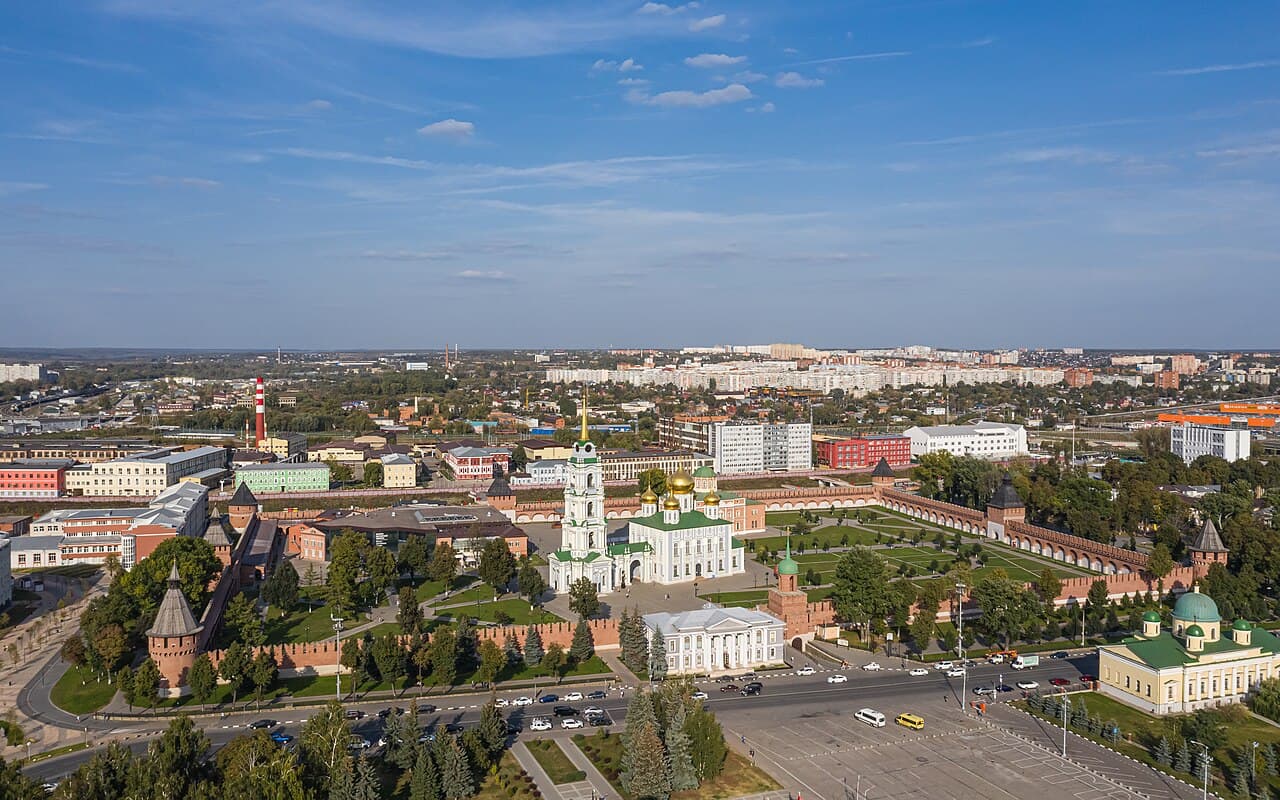
The Tula Kremlin is characterized by its robust fortification walls and bastions, which exemplify the transition from medieval defensive structures to more modern Renaissance military engineering. The walls are constructed from thick brick and stone, designed to withstand artillery attacks that became increasingly common during the 16th century. The fortress features several towers strategically positioned along its perimeter, serving both as lookout points and defensive positions.
The layout of the Kremlin is roughly rectangular, enclosed by high walls with battlements and walkways for guards. The bastions protrude outward, allowing defenders to cover adjacent walls with crossfire, a hallmark of Renaissance fortress design. These bastions were essential for repelling attacks and provided platforms for cannons and other artillery.
Historical significance and construction
Construction of the Tula Kremlin began in the early 1500s, under the rule of the Grand Duchy of Moscow. Its establishment was part of a broader effort to fortify the southern frontier against the Crimean Tatars and other nomadic groups. The fortress not only served military purposes but also became a political and administrative center for the region.
Over the centuries, the Kremlin witnessed numerous sieges and battles, reflecting its strategic importance. It was a key defensive stronghold during the Time of Troubles in the early 17th century and later during various conflicts involving the Russian state.
Religious architecture within the Kremlin
Within the walls of the Tula Kremlin stand two significant cathedrals that highlight the cultural and religious heritage of the site. The Assumption Cathedral, built between 1762 and 1766, is an example of Russian ecclesiastical architecture from the 18th century. It features traditional Orthodox design elements, including onion domes and ornate iconostasis.
The Epiphany Cathedral, constructed later between 1855 and 1863, reflects the architectural styles of the mid-19th century. This cathedral adds to the religious and historical depth of the Kremlin, serving as a place of worship and community gathering.
Preservation and current status
Today, the Tula Kremlin is well preserved and functions as a cultural and historical monument. It attracts visitors interested in Russian history, architecture, and heritage. The fortress complex includes museums and exhibition spaces that showcase its military and religious significance.
The Kremlin remains an important symbol of Tula's historical identity and continues to be a focus of preservation efforts to maintain its structural integrity and historical authenticity.
Visiting the Tula Kremlin
Visitors to the Tula Kremlin can explore its imposing walls, towers, and bastions, as well as the two historic cathedrals within its grounds. The site offers guided tours that provide insights into its architectural features and historical context. The surrounding city of Tula also offers additional attractions related to its rich cultural heritage.
Frequently asked questions (FAQ)
- How do I get to Tula Kremlin?
- Tula Kremlin is easily accessible by public transport, including buses and trains from Moscow and other nearby cities. Once in Tula, you can reach the Kremlin on foot as it is located in the city center.
- What is the historical significance of Tula Kremlin?
- Tula Kremlin, built in the 16th century, is a UNESCO World Heritage Site and a prime example of Russian defensive architecture. It played a crucial role in the defense against invasions and is a symbol of Tula's rich history and cultural heritage.
- When was Tula Kremlin constructed?
- Construction of Tula Kremlin began in 1507 and was completed in the early 16th century. It was designed to protect the region from enemy attacks and has stood the test of time, showcasing its remarkable architectural features.
- Can I visit Tula Kremlin year-round?
- Yes, Tula Kremlin is open for visitors throughout the year, although specific attractions within the Kremlin may have seasonal hours. It’s advisable to check the official website for any changes in opening hours before your visit.
- Why is Tula Kremlin famous for its architecture?
- Tula Kremlin is renowned for its unique blend of Russian and European architectural styles, featuring red brick walls, towers, and beautiful cathedrals. Its design reflects the military and cultural significance of the era in which it was built.
- Is it possible to take guided tours of Tula Kremlin?
- Yes, guided tours are available at Tula Kremlin, providing visitors with in-depth information about its history and architecture. These tours can enhance your experience and help you appreciate the significance of this historic site.
- What are the ticket prices for Tula Kremlin?
- Ticket prices for Tula Kremlin vary depending on the type of access you require, with general admission being quite affordable. Discounts may be available for students, seniors, and groups, so be sure to inquire at the ticket office.
- What are the opening hours of Tula Kremlin?
- Tula Kremlin typically opens at 10 AM and closes at 7 PM, with extended hours during the summer months. It's important to check for any holiday hours or special events that may affect the regular schedule.
- What nearby attractions can I visit while at Tula Kremlin?
- While visiting Tula Kremlin, you can also explore nearby attractions such as the Tula State Museum of Weapons and the Yasnaya Polyana estate, home to the famous writer Leo Tolstoy. These sites complement your visit and provide a deeper insight into Tula's cultural landscape.

Information
Loading map...
Visitor reviews
No reviews yet. Been here? Write the first review and help other travelers!
Write the first reviewVisited this castle? Share your experience
Your review helps other travelers and adds first-hand knowledge to our encyclopedia.