Zamek w Bydgoszczy
Zamek w Bydgoszczy, also known as the Bydgoszcz castle, is a significant historic monument located in the city of Bydgoszcz, in northern Poland. This hill castle stands as a reminder of the region's medieval past and its strategic importance in the defense and administration of the area. The castle's origins date back to the 14th century, during the High Medieval period, when it was constructed as part of the efforts to secure the northern borders of the Kingdom of Poland.
Historical background and strategic importance
The castle in Bydgoszcz was established by the Teutonic Knights, a military order that played a crucial role in the history of northern Poland and the Baltic region. Built on a natural hill overlooking the Brda River, the castle's location was chosen to control river traffic and protect the trade routes that connected the interior of Poland with the Baltic Sea. This strategic position allowed the castle to serve as a military stronghold and administrative center.
Throughout its history, the castle witnessed several conflicts, including battles during the Polish-Teutonic wars. It was a focal point during the struggles between Poland and the Teutonic Order, as well as later during the Swedish invasions in the 17th century. The castle's fortifications were adapted over time to meet the changing demands of warfare.
Architectural features and construction
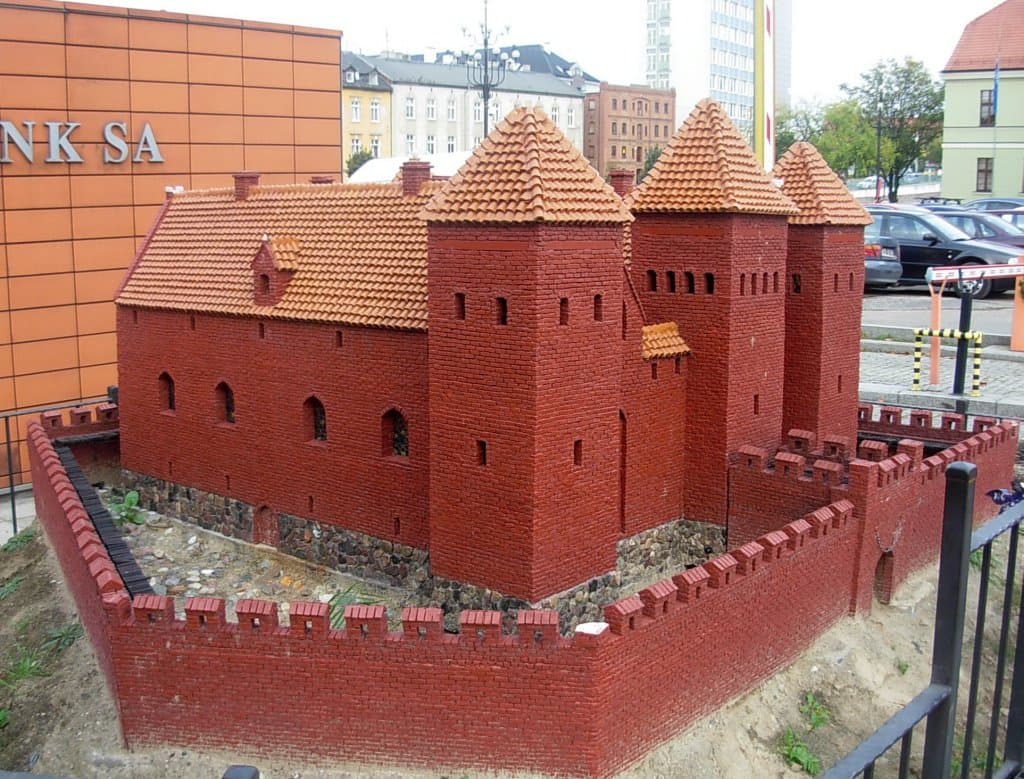
The castle's architecture reflects the typical characteristics of High Medieval hill castles built by the Teutonic Knights. Constructed primarily from brick and stone, the castle featured a keep or donjon as its central element, surrounded by defensive walls and towers. The walls were reinforced with battlements and arrow slits, enabling defenders to repel attackers effectively.
The castle complex included a courtyard with various auxiliary buildings such as a chapel, living quarters, and storage facilities. The presence of a moat or ditch around the hill further enhanced its defensive capabilities. Over the centuries, the castle underwent several renovations and expansions, incorporating elements of Gothic architecture, visible in pointed arches and ribbed vaults within the surviving structures.
Defensive structures
The castle's defensive walls were thick and high, designed to withstand sieges and artillery fire. Towers placed at strategic points allowed for surveillance and flanking fire. The main gate was fortified with a drawbridge and portcullis, common features in medieval fortifications.
Residential and functional spaces
Inside the castle, the great hall served as the main gathering place for the castle's inhabitants and guests. Living quarters were modest but functional, reflecting the military nature of the castle. A chapel within the castle complex provided spiritual services, emphasizing the religious aspect of the Teutonic Knights' presence.
Later history and current status
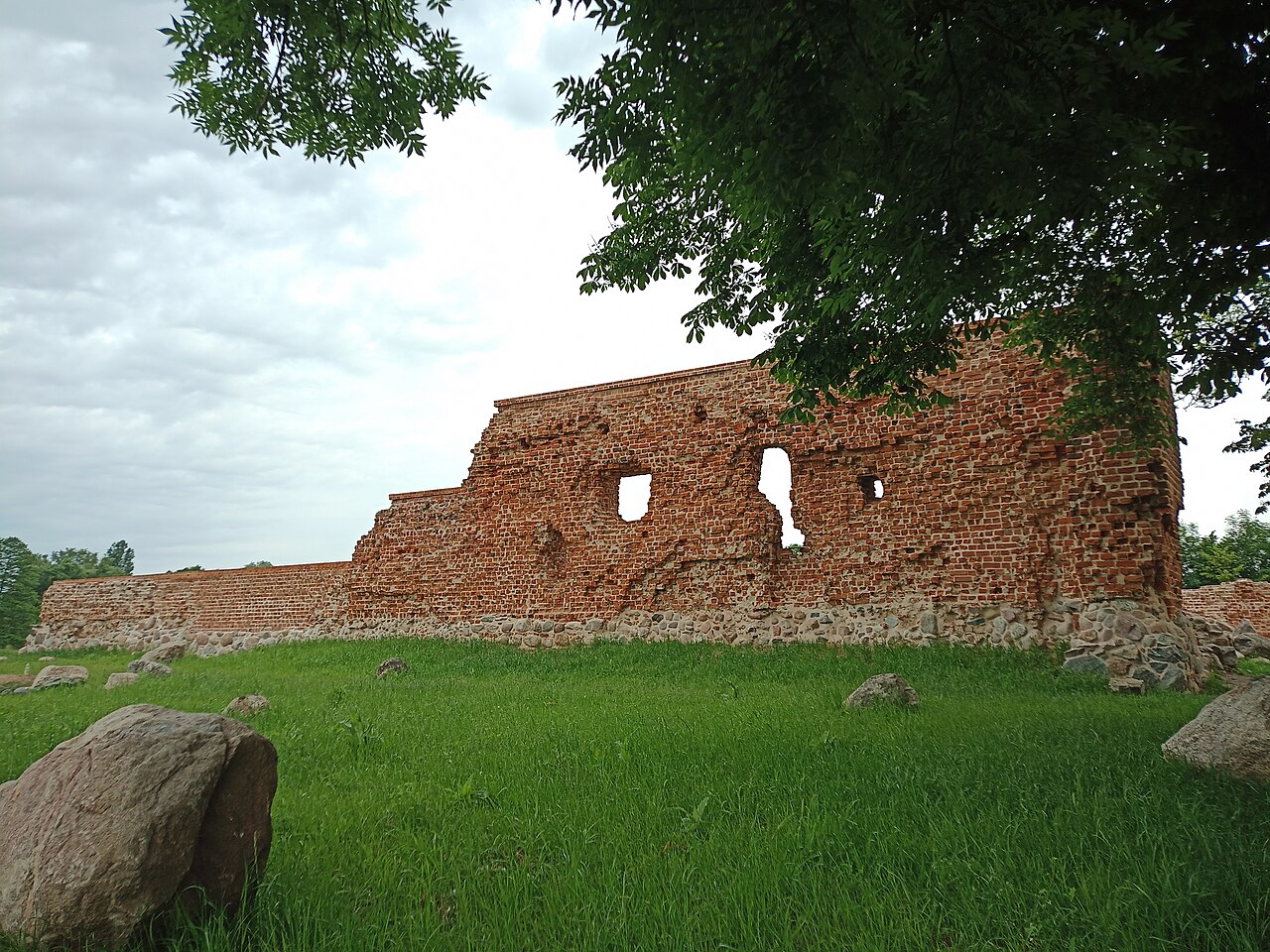
By the early modern period, the castle's military significance declined as new forms of warfare emerged. Parts of the castle fell into disrepair, and some sections were dismantled or repurposed. Despite this, the site remains an important cultural landmark in Bydgoszcz.
Today, the castle is preserved as a historic ruin, with ongoing efforts to maintain and protect the remaining structures. It serves as a tourist attraction and a symbol of the city's medieval heritage. Archaeological research at the site continues to uncover more about the castle's past and its role in regional history.
Visiting information
Visitors to Zamek w Bydgoszczy can explore the castle grounds and enjoy views of the Brda River and the surrounding cityscape. The site is accessible to the public, with informational signage explaining the castle's history and architectural features. Guided tours and cultural events are occasionally held to enhance the visitor experience.
Significance in Polish heritage
Bydgoszcz castle is an important example of medieval military architecture in Poland. It illustrates the influence of the Teutonic Order in the region and the historical conflicts that shaped northern Poland. The castle contributes to the cultural identity of Bydgoszcz and is a focal point for local history enthusiasts and scholars.
Frequently asked questions (FAQ)
- What is the historical significance of Zamek w Bydgoszczy?
- Zamek w Bydgoszczy, or the Bydgoszcz Castle, dates back to the 14th century and played a crucial role in the region's history, serving as a royal residence and a military stronghold. Its strategic location allowed it to be a key player in various political and military events throughout the centuries, particularly during the struggles for control over Pomerania.
- When was Zamek w Bydgoszczy built?
- The construction of Zamek w Bydgoszczy began in the late 14th century, specifically around 1358, under the rule of the Teutonic Knights. The castle has undergone numerous renovations and restorations since its initial construction, reflecting various architectural styles over the years.
- What are the opening hours of Zamek w Bydgoszczy?
- Zamek w Bydgoszczy is typically open to visitors from Tuesday to Sunday, with varying hours depending on the season. It is advisable to check the official website or contact the castle directly for the most accurate and up-to-date information regarding opening hours.
- Can I purchase tickets in advance for Zamek w Bydgoszczy?
- Yes, you can purchase tickets in advance for Zamek w Bydgoszczy through their official website or at the castle itself. Advance booking is recommended, especially during peak tourist seasons, to ensure availability and avoid long waiting times.
- Is Zamek w Bydgoszczy accessible for visitors with disabilities?
- Zamek w Bydgoszczy strives to be accessible to all visitors, including those with disabilities. The castle provides facilities such as ramps and accessible restrooms, but it's advisable to check specific accessibility options before your visit to ensure a comfortable experience.
- What is the best time to visit Zamek w Bydgoszczy?
- The best time to visit Zamek w Bydgoszczy is during the late spring and early fall when the weather is pleasant, and the surrounding gardens are in full bloom. Additionally, visiting during weekdays may help you avoid crowds and enhance your experience.
- Are there any nearby attractions to visit along with Zamek w Bydgoszczy?
- Yes, there are several nearby attractions, including the picturesque Mill Island and the beautiful Cathedral of St. Martin and St. Nicholas. Exploring the charming old town of Bydgoszcz, with its vibrant culture and history, can also enhance your visit to the castle.
- What are the ticket prices for Zamek w Bydgoszczy?
- Ticket prices for Zamek w Bydgoszczy are generally affordable, with discounts available for students, seniors, and groups. It's best to check the official website for the latest ticket prices and any special promotions that may be available during your visit.
Photo gallery

Photo by Pit1233•Public domain
Information
Loading map...
Visitor reviews
No reviews yet. Been here? Write the first review and help other travelers!
Write the first reviewVisited this castle? Share your experience
Your review helps other travelers and adds first-hand knowledge to our encyclopedia.