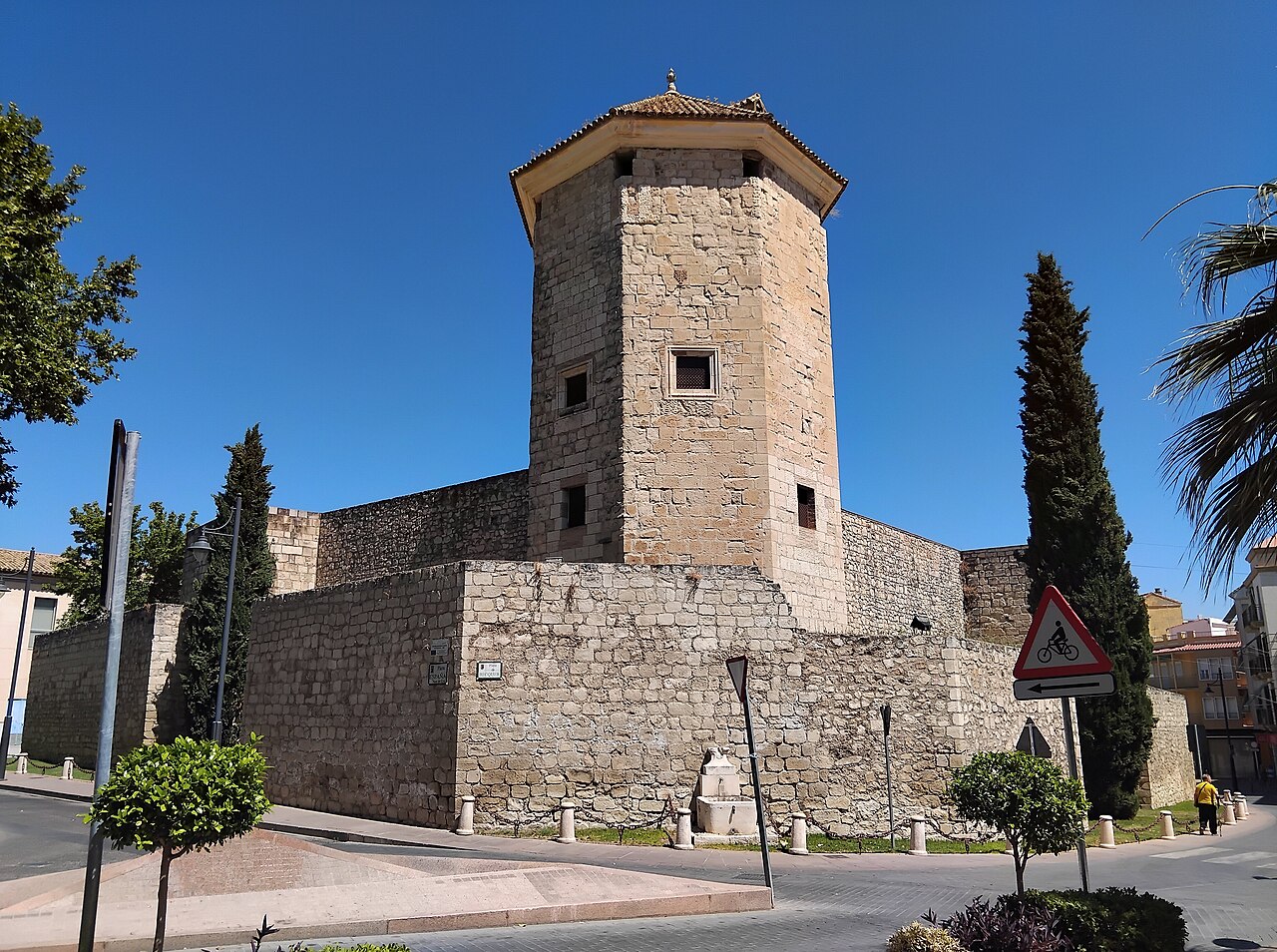
Zambra Castle, locally known as Castillo de Zambra, is a medieval fortress perched on a hill surrounded by extensive olive groves near the village of Zambra in the province of Córdoba, Spain. The castle's elevated position offers strategic views over the surrounding landscape, a typical feature of hill castles designed for defense during the medieval period.
The village of Zambra itself holds historical significance, having been known as Cisimbrium during Roman times. Today, it is part of the municipality of the nearby village of Rute. While detailed historical records about the castle are scarce, it is understood to have medieval origins, likely serving as a defensive stronghold within this region of Andalusia.
Architectural features and layout
The surviving structure of Zambra Castle is rectangular in plan, measuring approximately 18 by 26 meters. This compact footprint suggests it was a modestly sized fortress, possibly a fortified residence or a small military outpost rather than a large-scale castle complex. Within the walls, there are several partially collapsed interior spaces, indicating rooms or chambers that once served various functions such as storage, living quarters, or defensive positions.
The castle's construction likely employed local stone materials typical of the region, with walls designed to withstand sieges and provide vantage points for surveillance. The hilltop location would have enhanced its defensive capabilities, allowing occupants to monitor approaching threats and control access routes.
Historical context and significance
Although specific historical events linked to Zambra Castle are not well documented, its medieval origin places it within a period marked by frequent conflicts and territorial disputes in Andalusia. Castles like Zambra played crucial roles in controlling rural areas and protecting local populations from raids or invasions.
The proximity of the castle to Roman-era settlements suggests the site may have held strategic importance for centuries, transitioning from Roman to medieval military use. The lack of extensive ruins or detailed chronicles may indicate that Zambra Castle was overshadowed by larger fortresses in the region or that it was abandoned relatively early.
Access and visitor experience
Today, Zambra Castle is freely accessible to visitors, though reaching it requires a 45-minute walk from the village of Zambra. The path leads through olive groves without clearly marked trails, offering an adventurous experience for visitors who enjoy exploring less touristy historical sites.
The sense of discovery is heightened by the castle's remote setting and the partial preservation of its walls and interior spaces. Visitors can appreciate the castle's silhouette against the Andalusian landscape and imagine its role in the region's medieval past.
Preservation status
The castle remains are in a partially preserved state, with some walls and interior sections still standing, though others have collapsed over time. This condition reflects the castle's age and the natural wear from exposure to the elements. Preservation efforts, if any, appear minimal, contributing to the site's authentic and rugged atmosphere.
Frequently asked questions (FAQ)
- How do I get to Zambra Castle?
- Zambra Castle is located in Rute, Spain, easily accessible by car or public transport. If driving, you can follow the A-45 motorway and take the exit for Rute. Public buses are also available from nearby cities, making it a convenient destination for visitors.
- What are the opening hours of Zambra Castle?
- Zambra Castle is open to visitors from 10 AM to 6 PM, Tuesday through Sunday, with extended hours during the summer months. It is advisable to check the official website or contact local tourism offices for any seasonal changes in opening times. Remember to plan your visit accordingly to fully enjoy the castle's offerings.
- When was Zambra Castle built?
- Zambra Castle dates back to the 13th century, constructed during the time of Muslim rule in Spain. It served as a strategic fortification for controlling the surrounding areas and has a rich history that reflects the cultural influences of the period. The castle’s architecture showcases a blend of Moorish and Christian styles, making it a significant historical site.
- Can I take guided tours of Zambra Castle?
- Yes, guided tours are available for visitors who want to learn more about the history and architecture of Zambra Castle. These tours typically provide in-depth information and insights that enhance your experience. It’s recommended to book in advance, especially during peak tourist seasons.
- Why is Zambra Castle historically significant?
- Zambra Castle holds historical significance due to its role in the defense and governance of the region during various periods of Spanish history. It has witnessed numerous battles and changes in power, which are essential to understanding the cultural heritage of Rute and the Andalusian region. The castle is also a testament to the architectural evolution over centuries.
- Is it possible to host events at Zambra Castle?
- Yes, Zambra Castle can be rented for special events such as weddings, corporate gatherings, and cultural events. The stunning backdrop of the castle along with its historical ambiance makes it an attractive venue. It's best to contact the castle administration for details on availability, pricing, and specific arrangements.
- What are the ticket prices for Zambra Castle?
- Ticket prices for Zambra Castle are generally affordable, with discounts available for students and seniors. As of the latest information, adults can expect to pay around 5 euros, while children under 12 may enter for free. Always check the official site for the most current pricing and any special promotions.
- What are some nearby attractions to Zambra Castle?
- Near Zambra Castle, visitors can explore the charming town of Rute, known for its rich traditions and local artisan products. Additionally, the beautiful natural parks in the surrounding area offer hiking and picturesque landscapes. Don’t miss the chance to visit local museums and taste traditional Andalusian cuisine during your stay.
- Is Zambra Castle accessible for visitors with disabilities?
- Zambra Castle has made efforts to improve accessibility for visitors with disabilities, including ramps and designated pathways. However, it is advisable to contact the castle in advance to confirm specific accessibility features and any assistance that may be required during your visit. Your comfort and experience are important, and the staff will do their best to accommodate your needs.
Information
Address
Calle Ubada, Spain
Loading map...
Visitor reviews
No reviews yet. Been here? Write the first review and help other travelers!
Write the first reviewVisited this castle? Share your experience
Your review helps other travelers and adds first-hand knowledge to our encyclopedia.