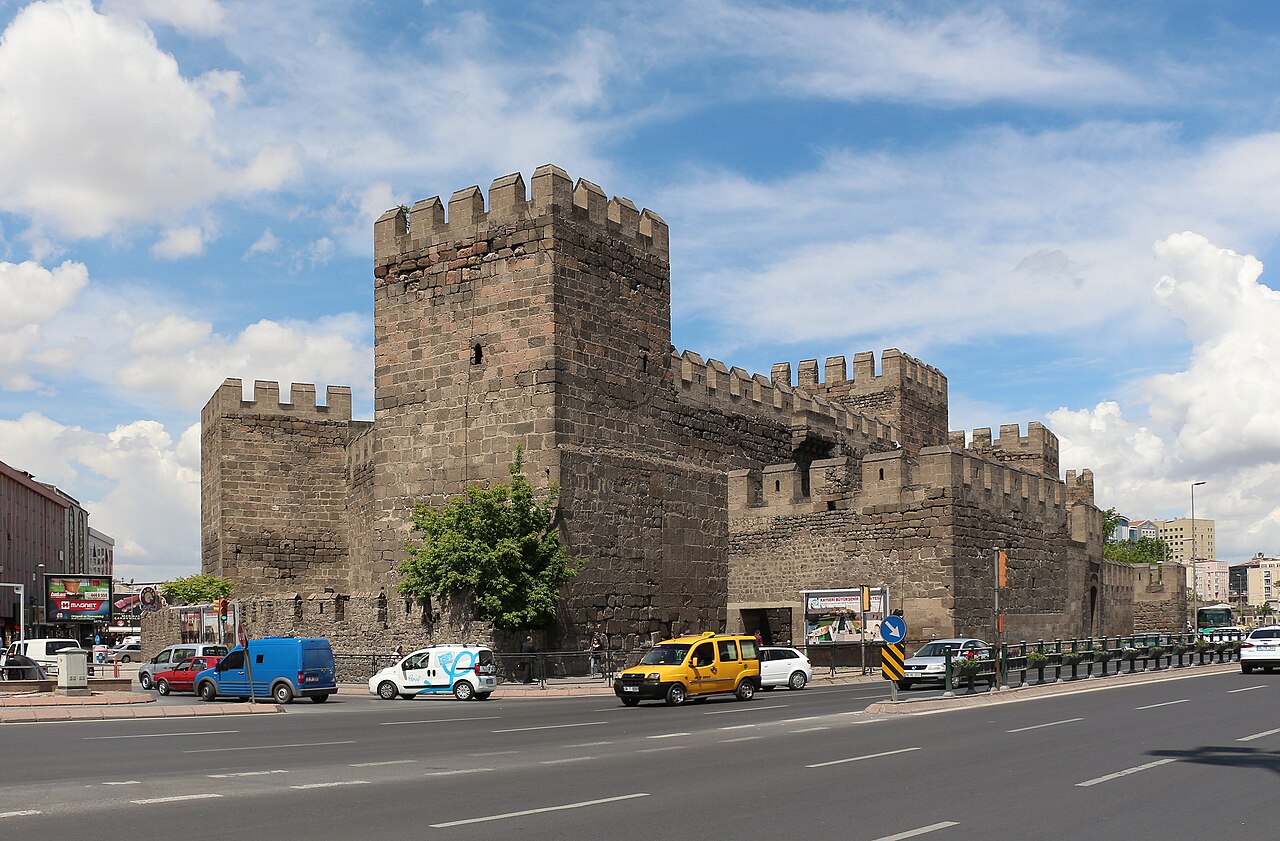
Zamantı Castle
Zamantı Castle, also known locally as Zamantı Kalesi, Melikgazi Kalesi, or Kuş Kalesi, is a historic fortress located above the village of Melikgazi in the province of Kayseri, Turkey. This castle occupies a commanding position on a ridge overlooking the north side of the Zamantı River valley, a strategic location that controlled a vital trade route connecting the ancient city of Caesarea (modern-day Kayseri) with the fortress of Lykandos near present-day Elbistan. Its historical significance is tied to its role as a military stronghold during the Byzantine, Danishmend, and Seljuk periods.
The origins and Byzantine foundation
The castle is believed to have been originally constructed in the early 10th century, around 910 AD, by the Armenian Byzantine general Melias, who was the strategos (military governor) of the region. It was likely known as Tzamandos during this period. Melias established the fortress to secure the Zamantı valley and protect the trade and military routes vital to Byzantine control in the region. The castle's initial construction reflects typical Byzantine military architecture of the era, designed to withstand sieges and control the surrounding terrain.
In 914/915 AD, the fortress was attacked and captured by the Arab forces from Tarsus. The Arabs razed the castle, demonstrating its strategic importance as a military target. Despite this destruction, the site continued to hold significance for subsequent rulers who recognized its value in controlling the area.
Medieval control and reconstruction under Danishmends and Seljuks
Following the decline of Byzantine authority in the region, the castle came under the control of the Danishmends between 1074 and 1178. The Danishmends, a Turkish emirate, undertook repairs and fortifications of the castle, adapting it to their defensive needs. Their presence in the area is also marked by the nearby tomb of Emir Melik Gazi from the 1130s, located in the village below, which is a significant example of Danishmend funerary architecture.
In 1178, the castle passed into the hands of the Seljuk Sultanate of Rûm, who also restored and enhanced the fortress. Seljuk mason's marks found on the castle walls testify to their construction activity. The Seljuks employed khorasan mortar in the inner facades, a distinctive building technique of their time, while the outer walls feature cut stone blocks, some of which exhibit an Armenian style of masonry, indicating a blend of cultural influences in the castle's fabric.
Architecture and structural features
Zamantı Castle is strategically situated on a ridge, providing extensive views over the Zamantı valley and the surrounding landscape. The castle's walls are constructed with a combination of cut stone and khorasan mortar, reflecting the multiple phases of construction and repair by different rulers. The outer facade's Armenian-style stonework suggests an early Byzantine or Armenian influence, while the inner walls showcase Seljuk craftsmanship.
Approximately 200 meters northeast of the main fortress, on the same ridge but at a lower elevation, lie the ruins of a round tower, likely serving as a watchtower to monitor the valley and surrounding approaches. This outpost would have been an integral part of the castle's defensive system, providing early warning of enemy movements.
Historical significance and decline
The castle remained a key defensive position until the 13th century, when the region fell to the invading Mongols after the Seljuk defeat at the Battle of Köse Dağ in 1243. It is probable that the castle was destroyed or abandoned during this period, as no evidence of repairs or occupation after the Mongol invasion has been found. This marked the end of Zamantı Castle's active military use.
Visiting Zamantı Castle today
Today, Zamantı Castle is freely accessible to visitors. A dirt road leads from the village of Melikgazi up to the castle, followed by a short but steep scramble to reach the ruins. While the remains inside the castle are limited, the site offers excellent panoramic views of the surrounding valley and landscape, making it a rewarding destination for history enthusiasts and hikers.
Visitors can also explore the nearby Danishmend tomb in the village, dedicated to Emir Melik Gazi, which dates back to the 1130s and represents an important cultural monument of the period.
Preservation and cultural context
Zamantı Castle stands as a partially preserved monument reflecting the layered history of Anatolia, from Byzantine to Turkish rule. Its architectural features illustrate the interaction of different cultures and military traditions in the region. Although much of the castle is in ruins, the site remains significant for understanding medieval fortifications and the historical dynamics of Kayseri province.
Frequently asked questions (FAQ)
- How do I get to Zamantı Castle?
- Zamantı Castle is located in Melikgazi, Turkey, and can be accessed by car or public transportation from major cities nearby. The closest airport is Kayseri Erkilet Airport, which is about 20 kilometers away. Local buses and taxis are available to take you closer to the castle.
- What is the historical significance of Zamantı Castle?
- Zamantı Castle dates back to the Byzantine period and has played a crucial role in the region's history as a defensive structure. It has witnessed various historical events and changes in rule, making it an important landmark for understanding the area’s past. The castle also reflects the architectural styles of its time.
- When was Zamantı Castle built?
- Zamantı Castle was constructed during the Byzantine era, with estimates suggesting it was built around the 11th century. It has since undergone various renovations and restorations that reflect different periods of architectural influences. This long history adds to its cultural and historical value.
- Can I visit Zamantı Castle year-round?
- Yes, Zamantı Castle is open to visitors year-round, although the best time to visit is during the spring and autumn when the weather is more pleasant. During the summer months, it can get quite hot, making exploration less enjoyable. Always check for any special events or closures before planning your visit.
- Why is Zamantı Castle a must-visit attraction?
- Zamantı Castle offers a unique glimpse into Turkey's rich history and stunning architecture, making it a must-visit for history enthusiasts and architecture lovers. The panoramic views from the castle provide a breathtaking backdrop for photographs and memorable experiences. Exploring its ruins allows visitors to connect with the past in an immersive way.
- Is it possible to access Zamantı Castle with mobility aids?
- While Zamantı Castle is a historical site, the terrain may present challenges for those using mobility aids. The pathways can be uneven and steep, so it is advisable to check in advance about accessibility options. Local guides may also provide assistance to enhance your visit.
- What are the ticket prices for Zamantı Castle?
- Admission to Zamantı Castle is generally affordable, with ticket prices usually ranging from a few Turkish Lira to a small fee for guided tours. Discounts may be available for students, seniors, and groups. Always confirm the latest prices before your visit as they may vary.
- What are the opening hours of Zamantı Castle?
- Zamantı Castle typically opens at 9 AM and closes at 6 PM, but these hours can vary based on the season and special events. It is recommended to check the official website or contact local tourism offices for the most current opening times before your visit. Planning your trip accordingly will ensure you have ample time to explore.
- Are there any nearby attractions to visit?
- Yes, there are several nearby attractions that complement a visit to Zamantı Castle, including historic towns and natural parks. Visitors can explore the nearby Kayseri city, known for its rich history and cuisine, or enjoy the beautiful landscapes of Erciyes Mountain. Making a day of exploring the area can enhance your experience.
Information
Loading map...
Visitor reviews
No reviews yet. Been here? Write the first review and help other travelers!
Write the first reviewVisited this castle? Share your experience
Your review helps other travelers and adds first-hand knowledge to our encyclopedia.