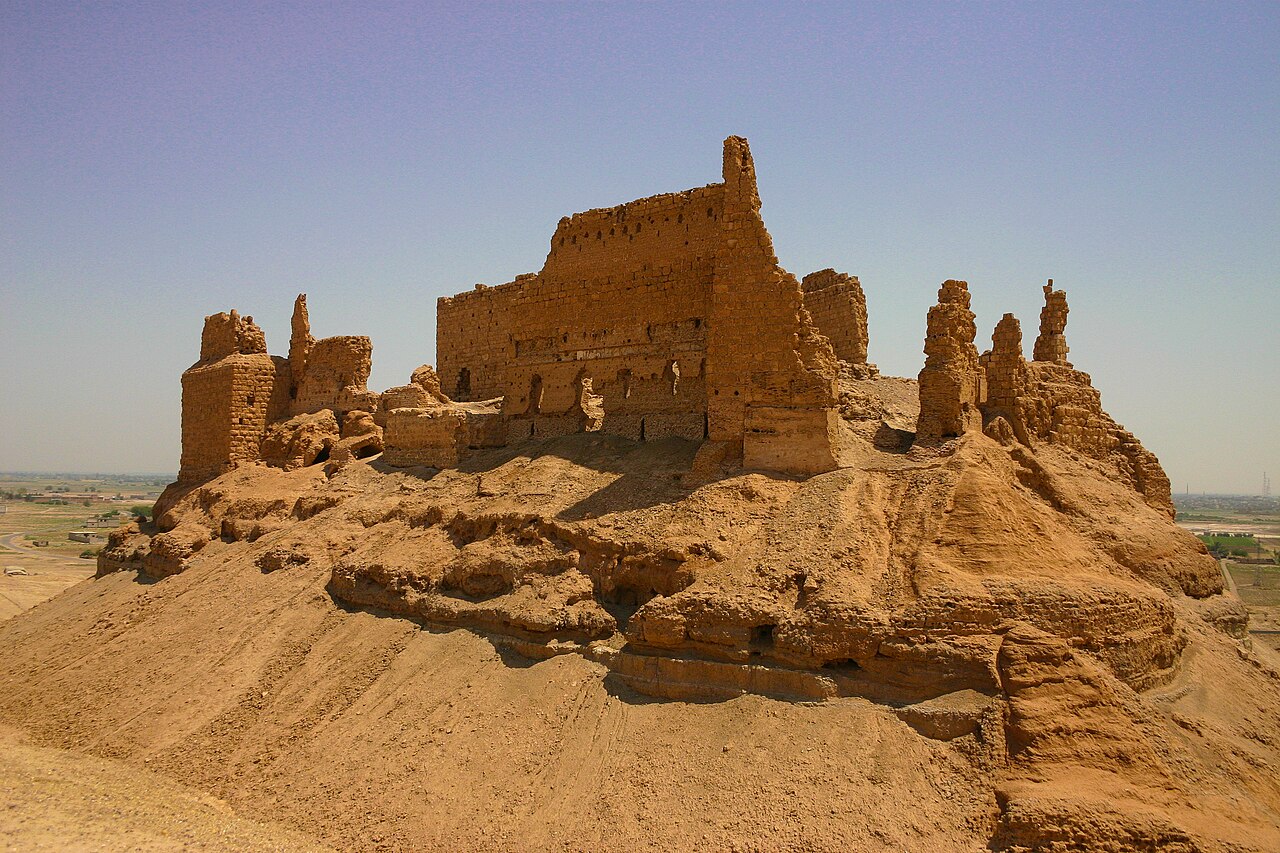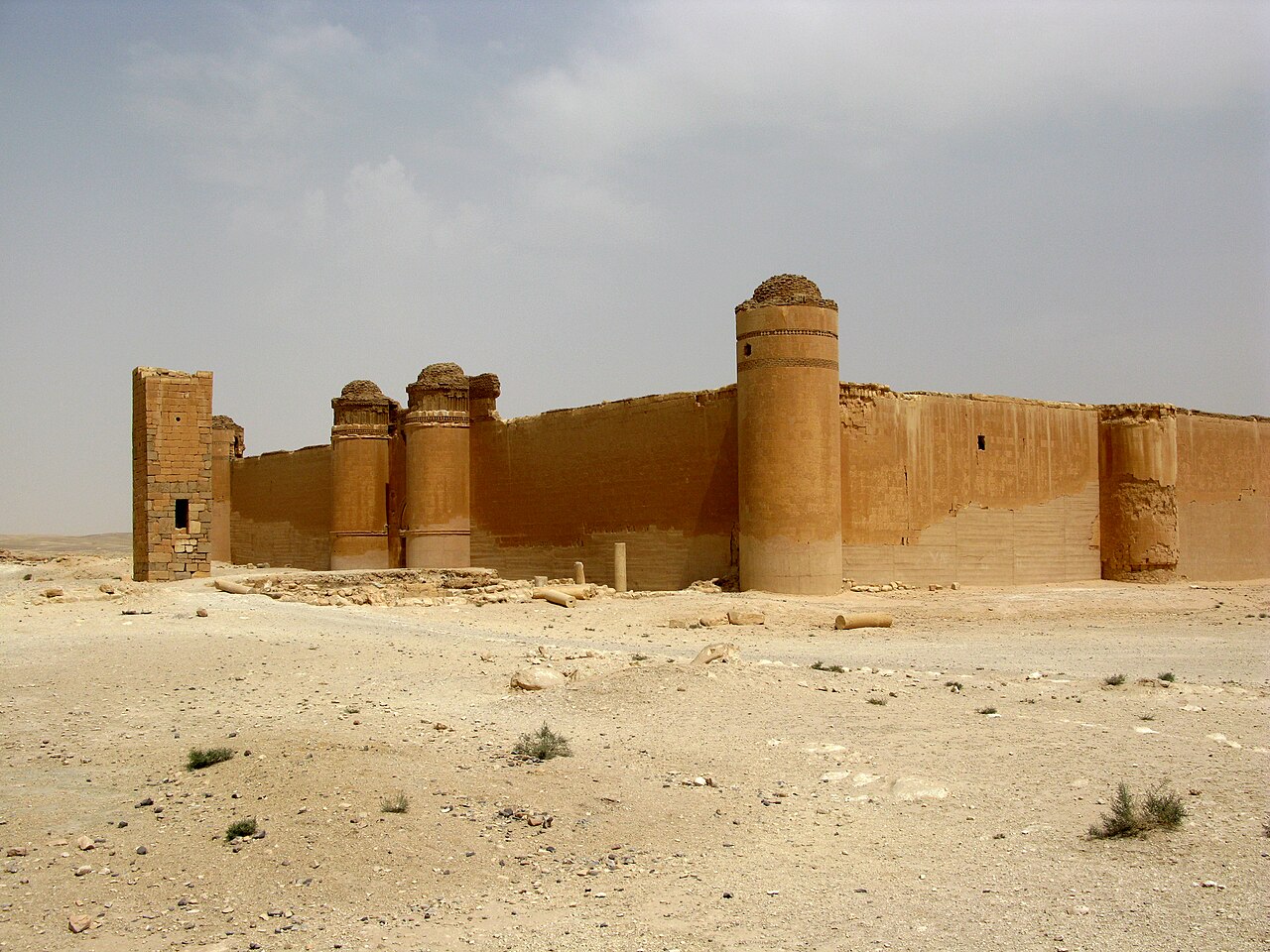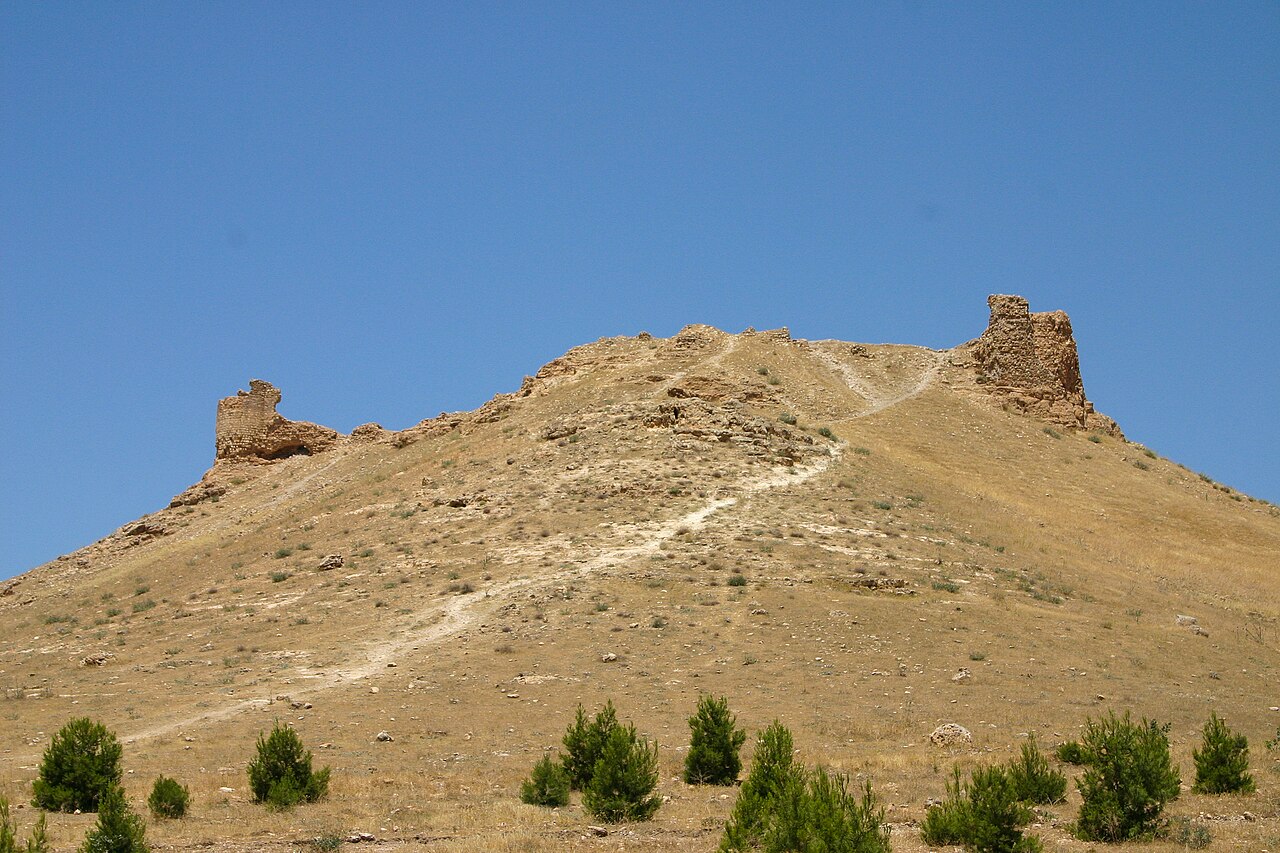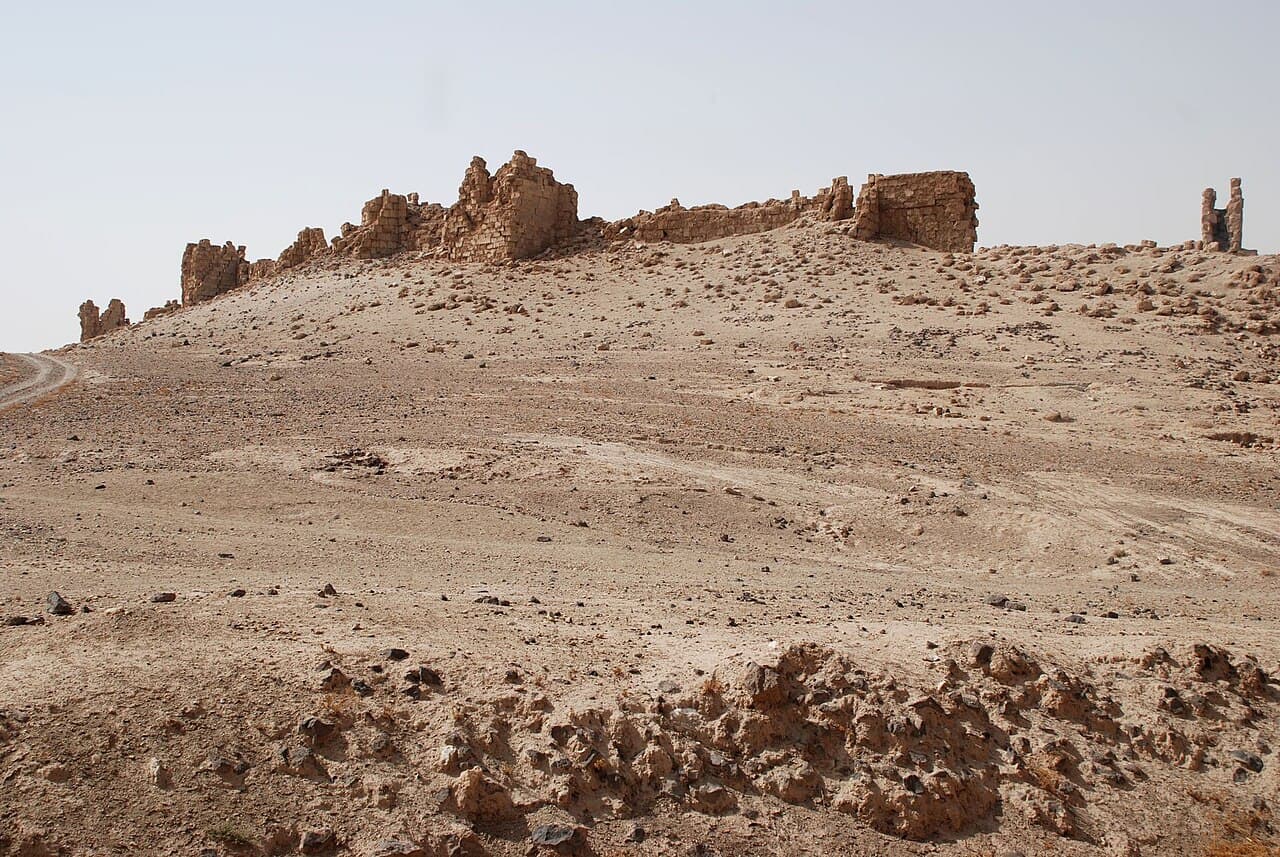
Zalabiye is a significant archaeological site located on the left bank of the Euphrates River in the Deir ez-Zor Governorate of the Syrian Arab Republic. This site represents the remains of an ancient fortified settlement that played a strategic role in controlling river traffic and regional trade routes during antiquity and the early medieval period.
Historical context and significance
The site of Zalabiye dates back primarily to the late antiquity and early medieval periods. It is believed to have been constructed or significantly fortified during the era of the Roman Empire and later the Byzantine Empire as part of a defensive network along the Euphrates frontier. Its strategic location allowed control over the river crossing and protection against incursions from eastern tribes and rival powers.
Throughout its history, Zalabiye witnessed several phases of occupation and fortification upgrades, reflecting the changing military and political landscape of the region. The site was part of a chain of fortresses that included other notable sites such as Halabiye and Circesium, which collectively guarded the Euphrates borderlands.
Architectural features and layout
The remains at Zalabiye consist predominantly of ruined defensive walls, towers, and remnants of gates that once formed a fortified enclosure. The fortifications were constructed using local stone and mortar, showcasing typical late Roman military architecture adapted to the terrain along the riverbank.
The defensive walls were reinforced with rectangular and semi-circular towers positioned at intervals to provide overlapping fields of fire. The site also includes traces of internal structures such as barracks, storage facilities, and possibly a citadel or keep, although these are less well preserved.
The proximity to the Euphrates meant the fortress could control river traffic and benefit from natural defensive advantages, including the river itself acting as a moat on one side. Archaeological surveys have revealed evidence of a complex water management system, possibly including cisterns and channels to secure water supply during sieges.
Archaeological investigations and current condition
Zalabiye has been the subject of archaeological interest since the 20th century, with various expeditions documenting and excavating parts of the site. Due to its location in a region affected by conflict and limited accessibility, comprehensive excavation and restoration work have been challenging.
Today, Zalabiye remains in a state of ruins, with many of the walls and towers partially collapsed or eroded. Despite this, the site provides valuable insights into the military architecture and frontier defense strategies of the late Roman and Byzantine periods in the Near East.
Cultural and heritage importance
As an archaeological site, Zalabiye contributes to understanding the historical dynamics of the Euphrates region, especially concerning the Roman-Byzantine frontier systems. It holds significance for scholars studying ancient military architecture, trade routes, and settlement patterns along one of the world's most important rivers.
Preservation of Zalabiye is important for cultural heritage, although ongoing regional instability has hindered conservation efforts. The site remains a testament to the complex history of fortifications that shaped the control and defense of the Euphrates corridor.
Frequently asked questions (FAQ)
- How do I get to Zalabiye Castle?
- Zalabiye Castle is located in the Syrian Arab Republic, approximately 12 kilometers northwest of the city of Homs. Visitors can access the castle by car or taxi from Homs, and local guides are available for those seeking a more informative journey.
- What is the historical significance of Zalabiye Castle?
- Zalabiye Castle dates back to the medieval period and served as a strategic fortification for various empires, including the Crusaders and the Mamluks. Its historical significance lies in its role as a military stronghold and a witness to the rich tapestry of conflicts in the region.
- When was Zalabiye Castle built?
- The exact date of construction for Zalabiye Castle is not precisely known, but it is believed to have been built in the 12th century. The castle showcases architectural styles that reflect the era's military needs and the influence of various cultures.
- Can I visit Zalabiye Castle?
- Yes, Zalabiye Castle is open to visitors who wish to explore its historical and architectural features. However, it is advisable to check local travel advisories and accessibility due to the current situation in the region.
- Why is Zalabiye Castle a popular destination?
- Zalabiye Castle is popular among history enthusiasts and tourists for its impressive architecture and panoramic views of the surrounding landscape. Its rich history and well-preserved structures make it a fascinating site for those interested in the medieval period.
- Is it possible to take guided tours of Zalabiye Castle?
- Yes, guided tours of Zalabiye Castle are available and provide visitors with in-depth knowledge about its history and architecture. Local guides can offer insights that enhance the overall experience of exploring the castle.
- What are the opening hours for Zalabiye Castle?
- Zalabiye Castle typically opens from 9 AM to 5 PM, but it's recommended to check for any changes or special hours before planning your visit. Seasonal variations may affect opening times, so confirming in advance ensures a smooth experience.
- Are there any ticket prices for visiting Zalabiye Castle?
- Currently, there are no significant entrance fees to visit Zalabiye Castle, but donations for maintenance and preservation are appreciated. Visitors should check with local authorities for any updates regarding fees or special events that may require tickets.
- What is the best time to visit Zalabiye Castle?
- The best time to visit Zalabiye Castle is during the spring and fall months when the weather is mild and pleasant. Visiting during these seasons allows for a more enjoyable exploration of the castle and its surroundings.
- What nearby attractions can I visit along with Zalabiye Castle?
- Near Zalabiye Castle, visitors can explore the ancient city of Homs, known for its historical sites and vibrant culture. Other attractions include the Temple of Baalshamin and the nearby ruins of Apamea, offering a broader historical context to your visit.
Photo gallery

Information
Loading map...
Visitor reviews
No reviews yet. Been here? Write the first review and help other travelers!
Write the first reviewVisited this castle? Share your experience
Your review helps other travelers and adds first-hand knowledge to our encyclopedia.