Qal'at Sukkara
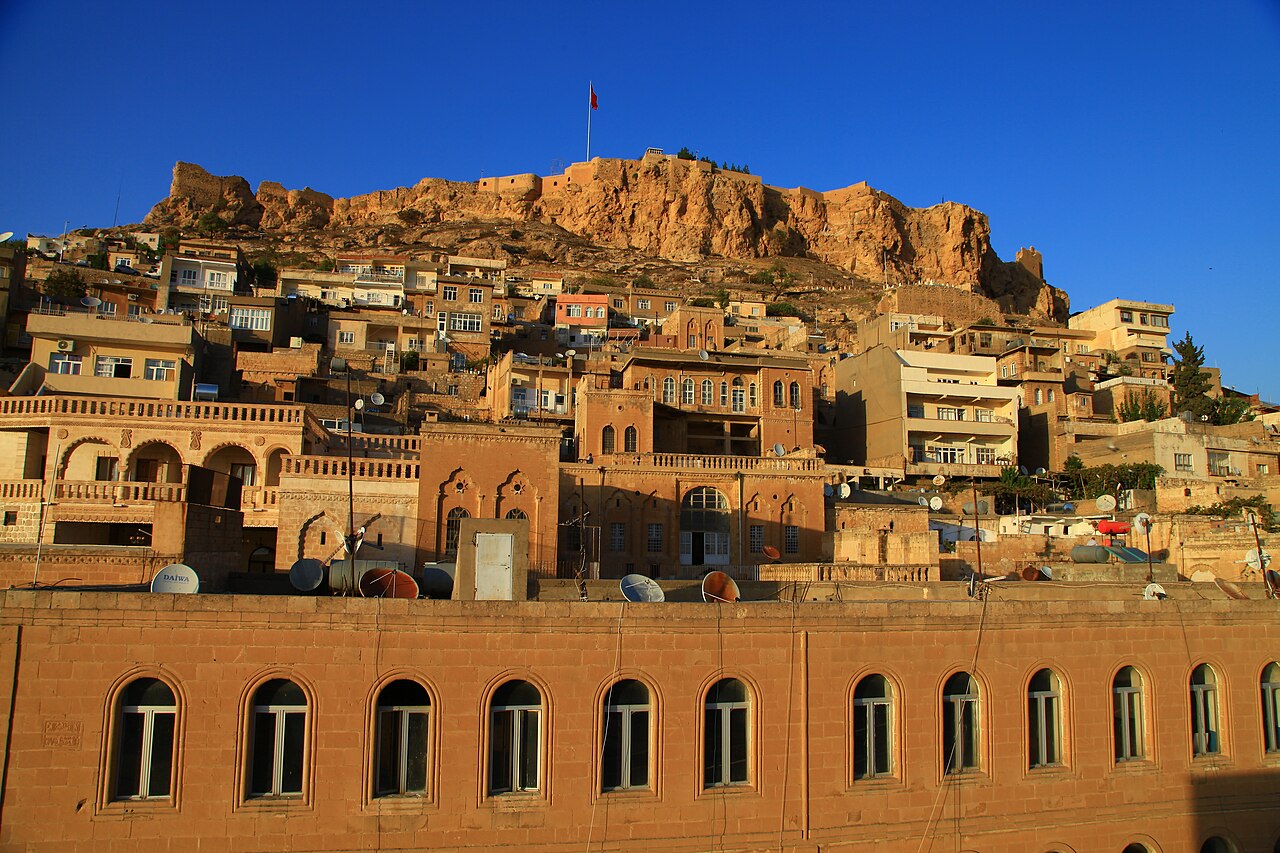
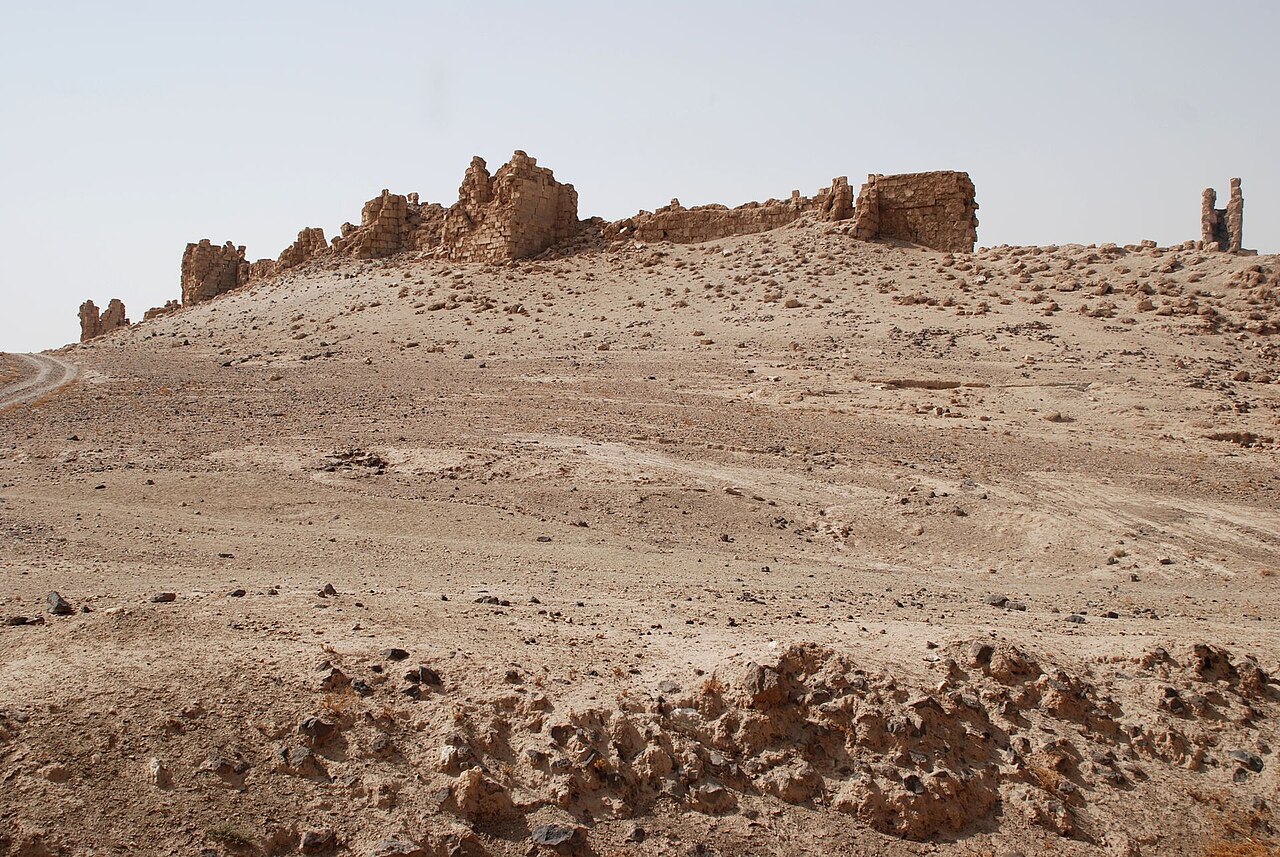
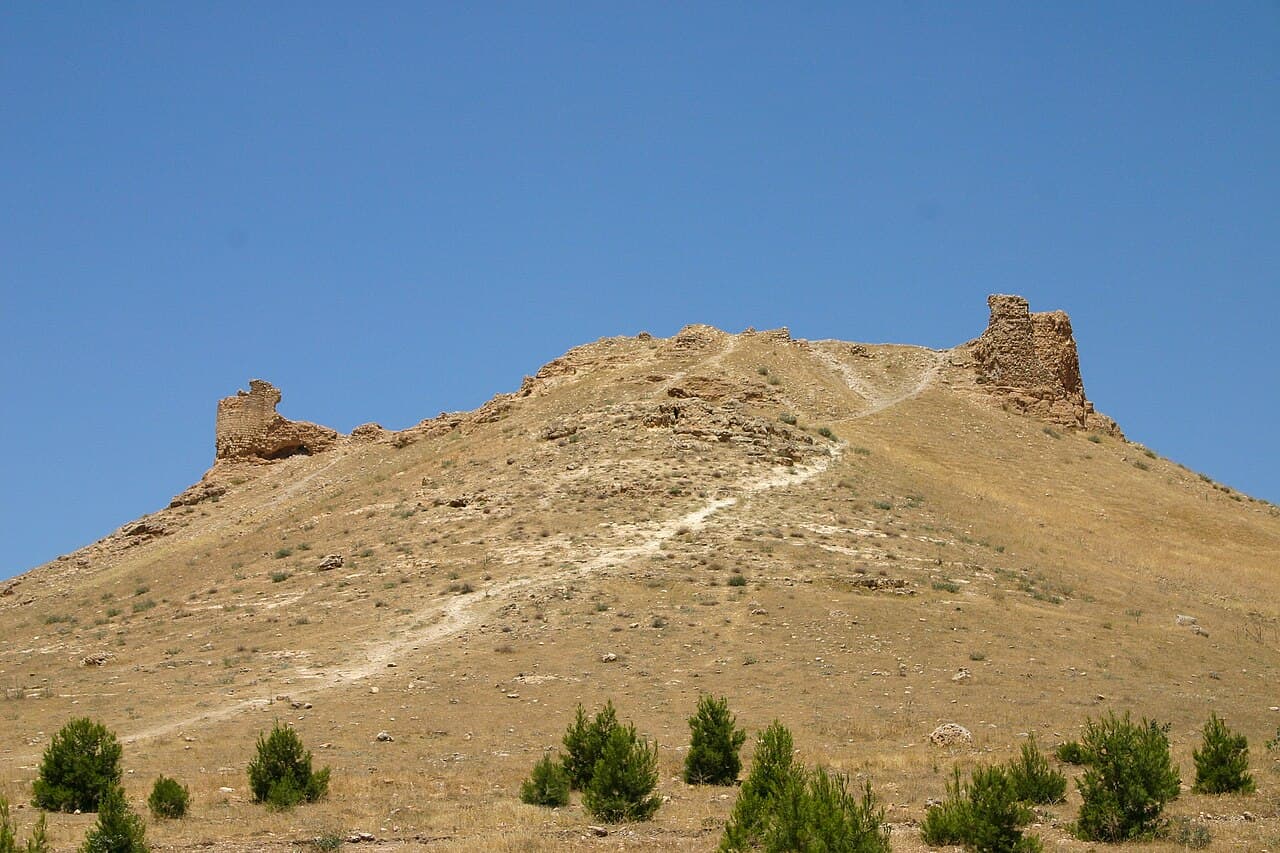
Qal'at Sukkara (Arabic: قلعة سكرة) is a significant Ayyubid castle dating back to the 12th century, located on Mount Abdulaziz in the al-Hasakah Governorate of the Syrian Arab Republic. This Islamic fortress was strategically constructed to exert control over the expansive northern plains surrounding the mountain, serving both military and administrative purposes during a turbulent period of regional conflict.
Historical context and strategic importance
Built during the High Medieval period, Qal'at Sukkara was part of a network of fortifications established by the Ayyubid dynasty, which ruled large parts of the Middle East following the decline of the Seljuk Turks. The castle's location on Mount Abdulaziz provided a commanding vantage point over the surrounding landscape, enabling surveillance of enemy movements and control of key trade and military routes.
The 12th century was marked by frequent conflicts among Crusader states, Muslim dynasties, and local tribal powers. Fortresses like Qal'at Sukkara played a crucial role in regional defense and the assertion of Ayyubid authority. Its bastioned design reflects adaptations to evolving military technology and siege tactics of the time.
Architectural features and design
Bastioned fortress layout
Qal'at Sukkara is classified as a bastioned fortress, a style characterized by projecting bastions or angular structures built into the curtain walls. These bastions allowed defenders to cover adjacent walls with crossfire, reducing blind spots and enhancing the castle's defensive capabilities against siege engines and infantry assaults.
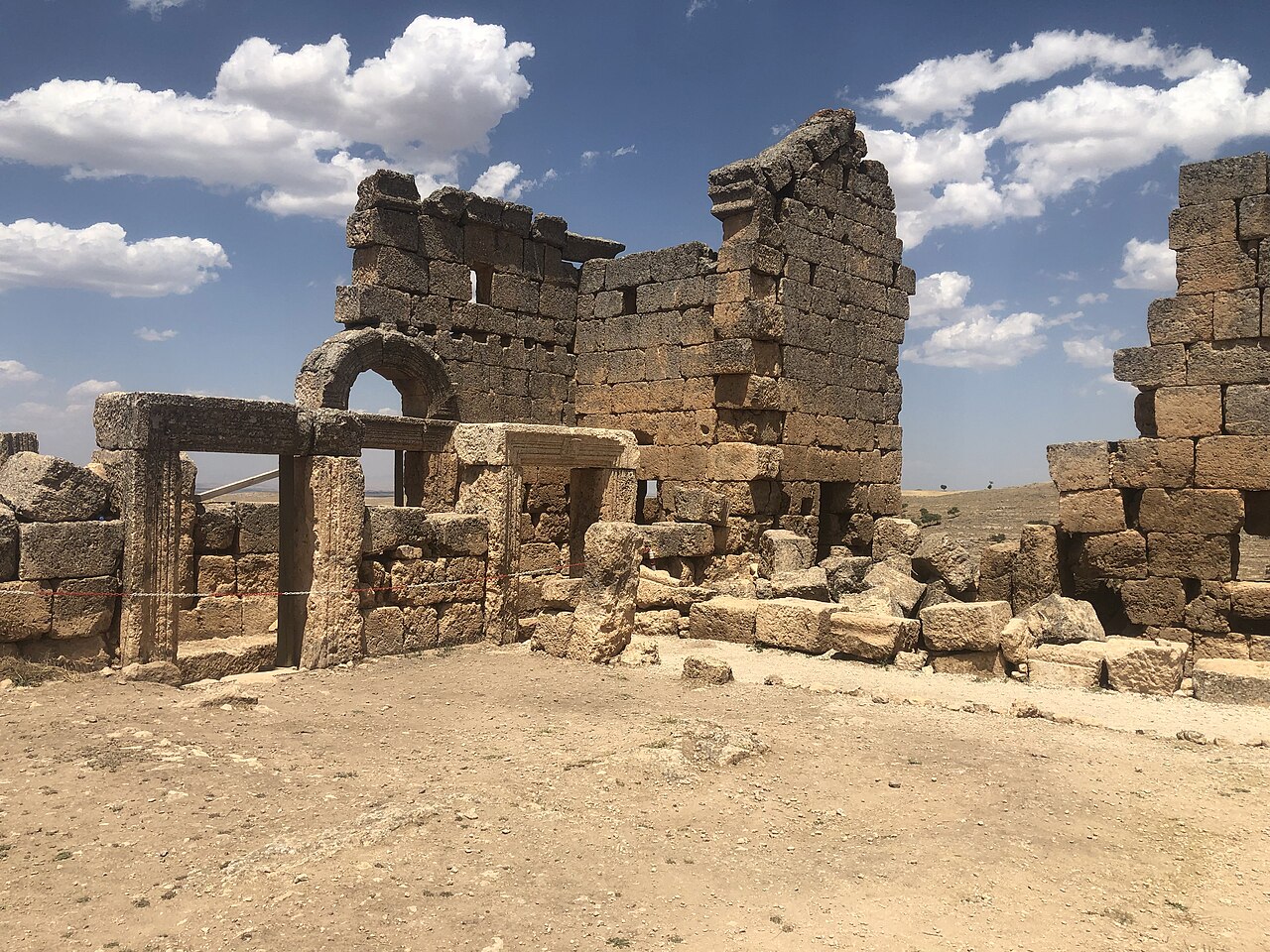
The fortress is constructed primarily from local stone, with thick walls designed to withstand bombardment. The design likely includes a combination of curtain walls, towers, and a fortified gatehouse, although detailed archaeological studies are limited. The elevated position on the mountain also provided natural defensive advantages, including steep slopes that hindered direct attacks.
Internal structures and facilities
While specific details of the internal layout remain scarce, typical Ayyubid castles of this period often contained residential quarters, armories, cisterns for water storage, and courtyards for troop assembly. The fortress likely served as a garrison for soldiers and a local administrative center.
Preservation and current condition
The current condition of Qal'at Sukkara is not extensively documented, but as with many medieval fortresses in the region, it may be partially preserved or in ruins due to centuries of neglect, natural erosion, and the impacts of modern conflicts in Syria. Its remote location on Mount Abdulaziz has limited comprehensive archaeological excavation and restoration efforts.
Cultural and historical significance
Qal'at Sukkara represents an important example of Ayyubid military architecture and the strategic use of bastioned fortifications in the Middle East during the 12th century. It reflects the military, political, and cultural dynamics of the High Medieval period in Syria, illustrating how fortresses were adapted to meet the challenges of warfare and governance.
As part of the broader heritage of Islamic castles, Qal'at Sukkara contributes to understanding the evolution of fortification techniques and the historical landscape of northern Syria. It remains a point of interest for historians and archaeologists studying the Ayyubid era and medieval military architecture.
Frequently asked questions (FAQ)
- When was Qal'at Sukkara built and by whom?
- Qal'at Sukkara was built in the 12th century during the Ayyubid dynasty's rule in Syria, serving as a strategic fortress.
- What is the architectural style of Qal'at Sukkara?
- Qal'at Sukkara is a bastioned fortress, featuring projecting bastions designed to improve defense against attacks.
- Where is Qal'at Sukkara located?
- The castle is located on Mount Abdulaziz in the al-Hasakah Governorate of northeastern Syria.
- Is Qal'at Sukkara accessible to visitors?
- Due to its remote location and limited documentation, access to Qal'at Sukkara may be restricted and it is not a common tourist destination.
- What was the strategic importance of Qal'at Sukkara?
- Qal'at Sukkara controlled the northern plains from its elevated position, overseeing trade and military routes during the High Medieval period.
Photo gallery

Information
Loading map...
Visitor reviews
No reviews yet. Been here? Write the first review and help other travelers!
Write the first reviewVisited this castle? Share your experience
Your review helps other travelers and adds first-hand knowledge to our encyclopedia.