Zahhak Castle
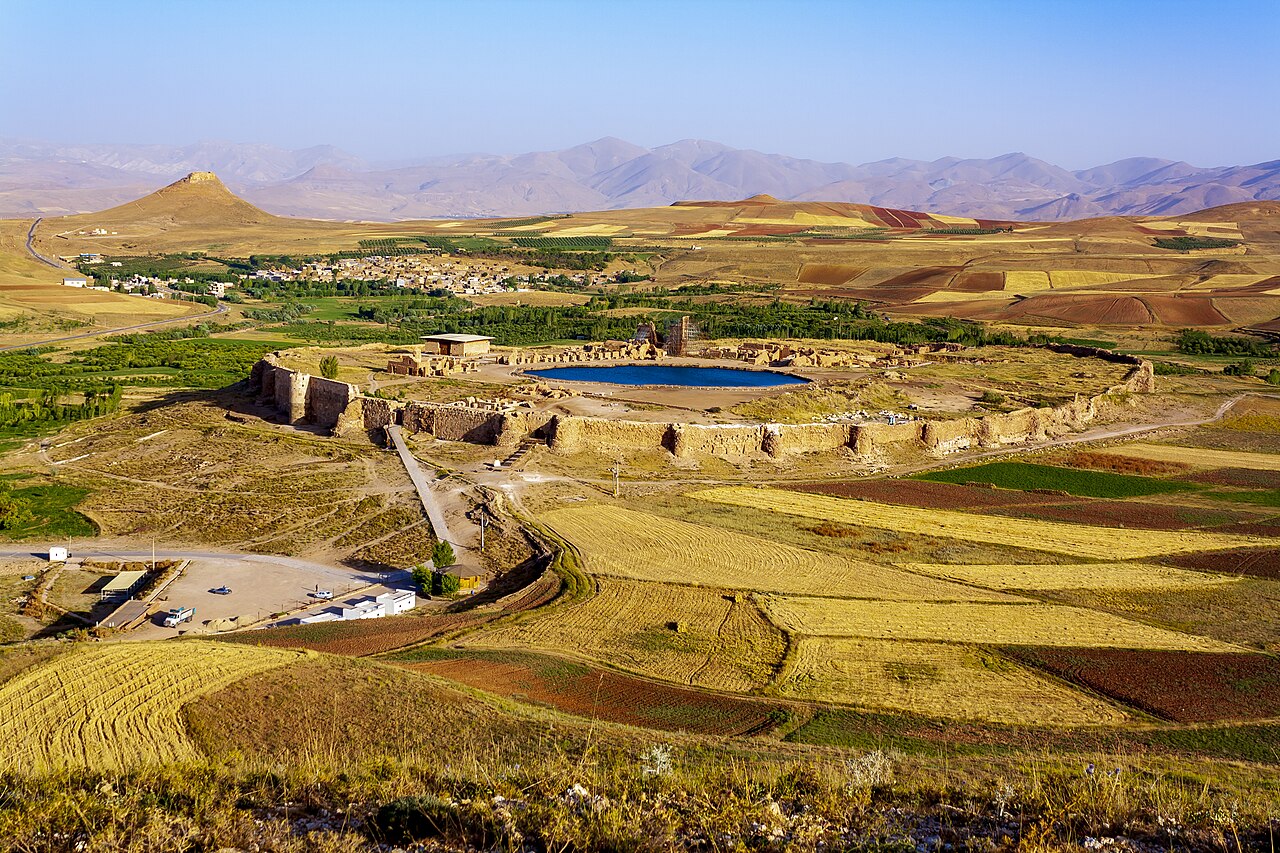
Zahhak Castle stands as a monumental testament to Iran's rich historical tapestry, nestled near Hashtrud in the Gilan region. This ancient hill castle boasts origins dating back over two to three thousand years, marking it as one of the enduring strongholds of successive Iranian civilizations, beginning with the Median Empire. The castle's strategic location atop a rugged hill provided natural defenses that were skillfully enhanced by its builders across multiple eras.
Early construction and strategic significance
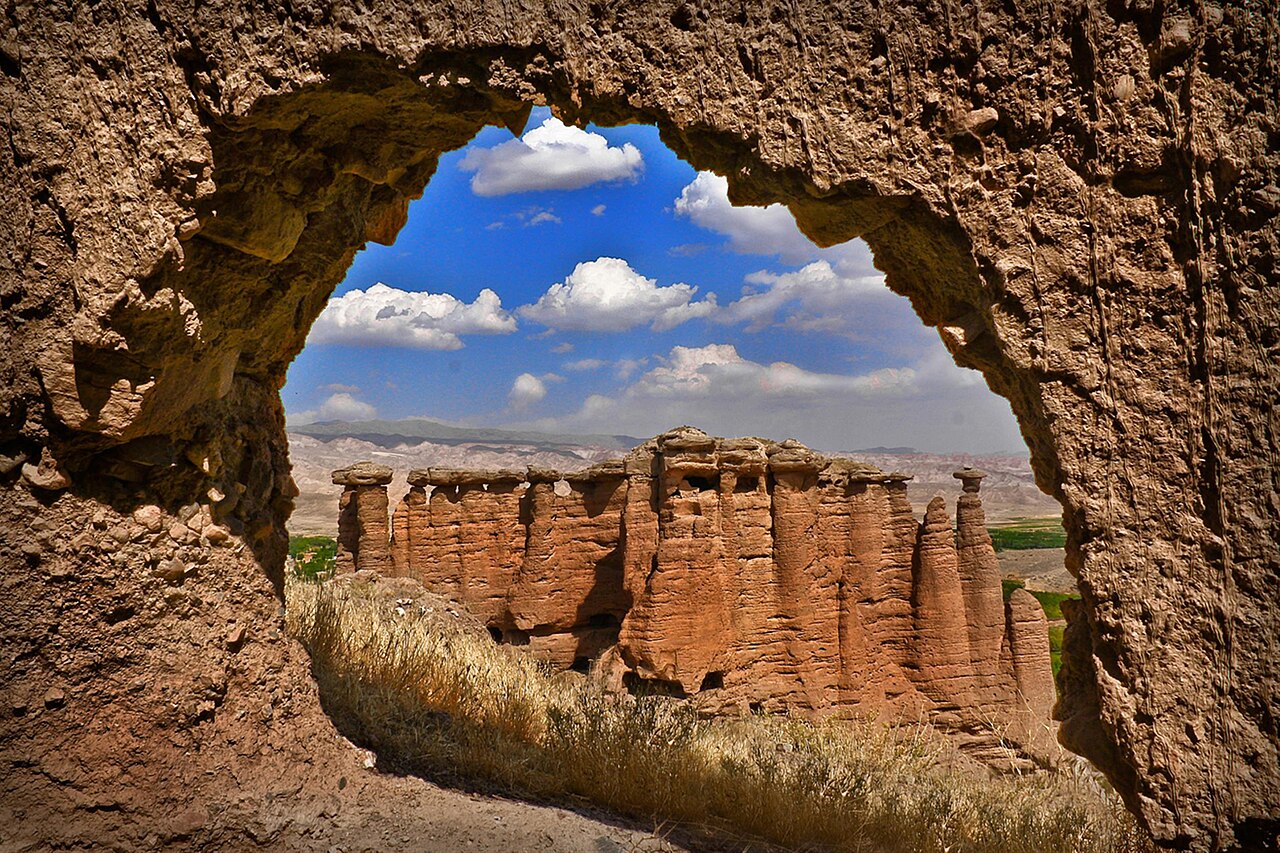
The initial construction of Zahhak Castle is attributed to the Median period, when the fortress was established to control vital routes and oversee the surrounding landscape. The Medes, known for their early state formation in Iran, utilized the elevated terrain to fortify their position against rival tribes and emerging empires. The castle's placement on a hill surrounded by cliffs on three sides made it a formidable defensive site.
Following the Medes, the castle was expanded and maintained by the Achaemenid Empire, the first great Persian empire renowned for its administrative and military prowess. The Achaemenids likely reinforced the fortress to secure their northern frontiers and to serve as a regional administrative center. Architectural elements from this period, while less visible today, laid the groundwork for later developments.
Parthian and sasanian architectural advancements
The Parthian period (1st century CE) brought significant architectural and artistic enhancements to Zahhak Castle. Excavations have revealed a remarkable four-iwan (chahar taqi) hall with a vaulted ceiling constructed from large red bricks measuring approximately 32 by 32 by 10 centimeters. This hall, about eleven meters square internally, is adorned with vibrant stucco reliefs painted in ochre, yellow, blue, and green. The reliefs depict a rich array of motifs including human figures, animals, geometric patterns, and floral designs, showcasing the skilled craftsmanship characteristic of Parthian artisanship.
Alongside the hall, numerous rooms—some roofless chambers carved into the ground and others rock-cut cavities—indicate a complex settlement adapted to the rugged terrain. These spaces often include niches and cisterns, suggesting careful planning for water storage and habitation needs. A natural spring nearby was ingeniously connected to the fortress via an underground clay pipe system, ensuring a reliable water supply. Archaeologists have uncovered terracotta pipe fragments and stone molds likely used for their manufacture, highlighting advanced engineering techniques.
The Sasanian Empire continued to utilize Zahhak Castle as a military garrison and administrative hub. The castle's defensive walls, featuring semi-cylindrical towers built from finely cut rectangular stones, reflect typical late Sasanian military architecture. These walls encompass two adjacent hills and the valley between them, creating a fortified city approximately one kilometer in length. The Sasanians' masonry and fortification methods enhanced the castle's defensive capabilities, maintaining its strategic importance.
Notable architectural features and cultural significance
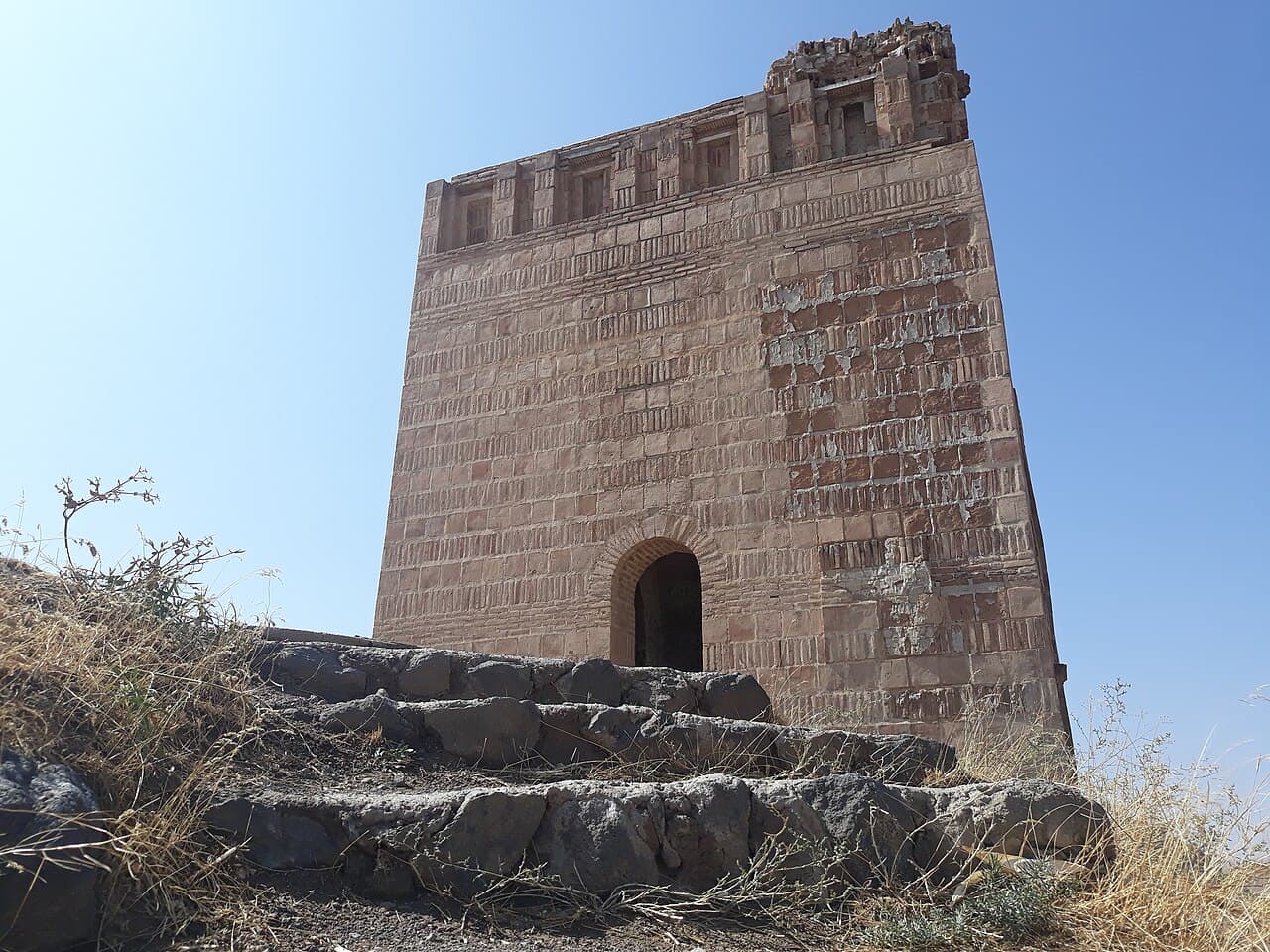
Within the fortress enclosure stands a distinctive pavilion measuring nearly six by six meters internally and rising about twelve meters high. Raised on a foundation of unworked stones, this pavilion includes vaulted arches facing the river valley. Constructed from bricks approximately 32 by 32 by 6 centimeters, it features traces of painted plaster with motifs such as female faces, meander patterns, and relief decorations. This structure exhibits architectural influences from the Achaemenid, Near Eastern, and Roman traditions, including stepped merlons crowning the walls. Dating to the Parthian period, the pavilion likely served as a significant component of the palace complex rather than a religious fire temple or chahartaq.
The castle's name, Zahhak, connects it to Iranian mythology, specifically the legendary king Azhi Dahaka, an evil figure marked by serpents on his shoulders. While this association is symbolic rather than historical, it underscores the site's prominence in local cultural memory. Over centuries, the fortress has been known by various names including Narin Qala, Dazhdehak, Qiz Qalasi, Dash Qalasi, Baruas, Royi Dezh, and Qal‘eh Guyi, reflecting the linguistic and cultural shifts in the region.
Archaeological investigations and preservation challenges
In 1971, a German archaeological team conducted formal excavations at Zahhak Castle, uncovering important architectural elements from the Sasanian period and artifacts from Islamic times. Their work revealed the castle's multi-layered history and the artistic achievements of the Parthian era, including the richly decorated four-iwan hall. Unfortunately, the site suffered damage during and after World War II due to unauthorized excavations by foreign military personnel searching for inscriptions and relics, which compromised some of its archaeological integrity.
The castle complex spans roughly ten kilometers in length and one to two kilometers in width, integrating natural rock formations with constructed elements. The defensive walls and towers, the rock-cut chambers, and the water management systems collectively illustrate a sophisticated fortress adapted to its environment and evolving through millennia of Iranian history.
The fortress and its surroundings
Adjacent to the castle lies a cemetery marked by a carved stone ram statue, hinting at ancient local funerary customs. The combination of natural defenses, extensive fortifications, and complex architecture indicates Zahhak Castle's long-term military, administrative, and possibly religious significance. It served as a vital stronghold through the Median, Achaemenid, Parthian, and Sasanian periods and continued to be used into Islamic times, including by the Ismailis, known for their fortified settlements.
Today, Zahhak Castle remains a site of great historical and cultural importance. Its ruins offer valuable insights into ancient Iranian fortification techniques, architectural styles, and the region's strategic role in the broader history of Persia. Preservation efforts continue to protect this remarkable hill castle, allowing visitors and scholars alike to explore its storied past.
Frequently asked questions (FAQ)
- How do I get to Zahhak Castle?
- Zahhak Castle is located in the Alborz Mountains of Iran, approximately 80 kilometers from the city of Tehran. Visitors can reach the castle by car or through organized tours that typically depart from major cities nearby. Public transportation options are limited, so it's advisable to plan your trip in advance.
- What is the historical significance of Zahhak Castle?
- Zahhak Castle is steeped in legend, believed to be linked to the mythical figure Zahhak from Persian mythology. The castle is thought to date back to the Sassanian period, serving as a strategic military stronghold. Its historical importance lies in its role in regional defense and its reflection of ancient Persian architecture.
- When was Zahhak Castle built?
- The exact date of construction for Zahhak Castle is not precisely known, but it is believed to have been built during the Sassanian era, around the 3rd to 7th centuries AD. Its architecture showcases the advanced building techniques of the time and offers insights into the period's military and cultural practices.
- Can I visit Zahhak Castle year-round?
- Yes, Zahhak Castle is open to visitors year-round, although accessibility may vary depending on weather conditions, especially in winter. The best time to visit is during the spring and autumn months when the weather is mild, making for a comfortable experience exploring the castle and its surroundings.
- Why is Zahhak Castle popular among tourists?
- Zahhak Castle attracts tourists due to its rich history, stunning mountainous backdrop, and the intriguing legends associated with it. The panoramic views from the castle site are breathtaking, making it a perfect spot for photography and exploration. Additionally, its proximity to Tehran makes it an accessible day trip for those interested in Iranian history and culture.
- Is it possible to enter the castle?
- Yes, visitors can enter Zahhak Castle and explore its ruins, although certain areas may be restricted for safety reasons. Guided tours are often available, providing insights into the castle's history and architecture. It's recommended to wear comfortable shoes as the terrain can be uneven.
- What are the opening hours for Zahhak Castle?
- Zahhak Castle is typically open to visitors from early morning until sunset, with hours varying seasonally. It is advisable to check local resources or contact tourism offices for the most current opening times before planning your visit. Early visits can help you avoid crowds and enjoy a more peaceful experience.
- Are there any nearby attractions to Zahhak Castle?
- Yes, several attractions are located near Zahhak Castle, including the stunning natural landscapes of Alborz National Park and other historical sites in the vicinity. Visitors can also explore local villages and experience traditional Iranian culture. Combining your visit to Zahhak Castle with these nearby attractions can enrich your travel experience.
- What are the ticket prices for Zahhak Castle?
- Entry fees for Zahhak Castle are generally moderate, making it accessible for most visitors. Prices may vary depending on whether you opt for a guided tour or visit independently. It's advisable to carry cash, as card payments may not be accepted at the site.
Photo gallery

Information
Loading map...
Visitor reviews
No reviews yet. Been here? Write the first review and help other travelers!
Write the first reviewVisited this castle? Share your experience
Your review helps other travelers and adds first-hand knowledge to our encyclopedia.