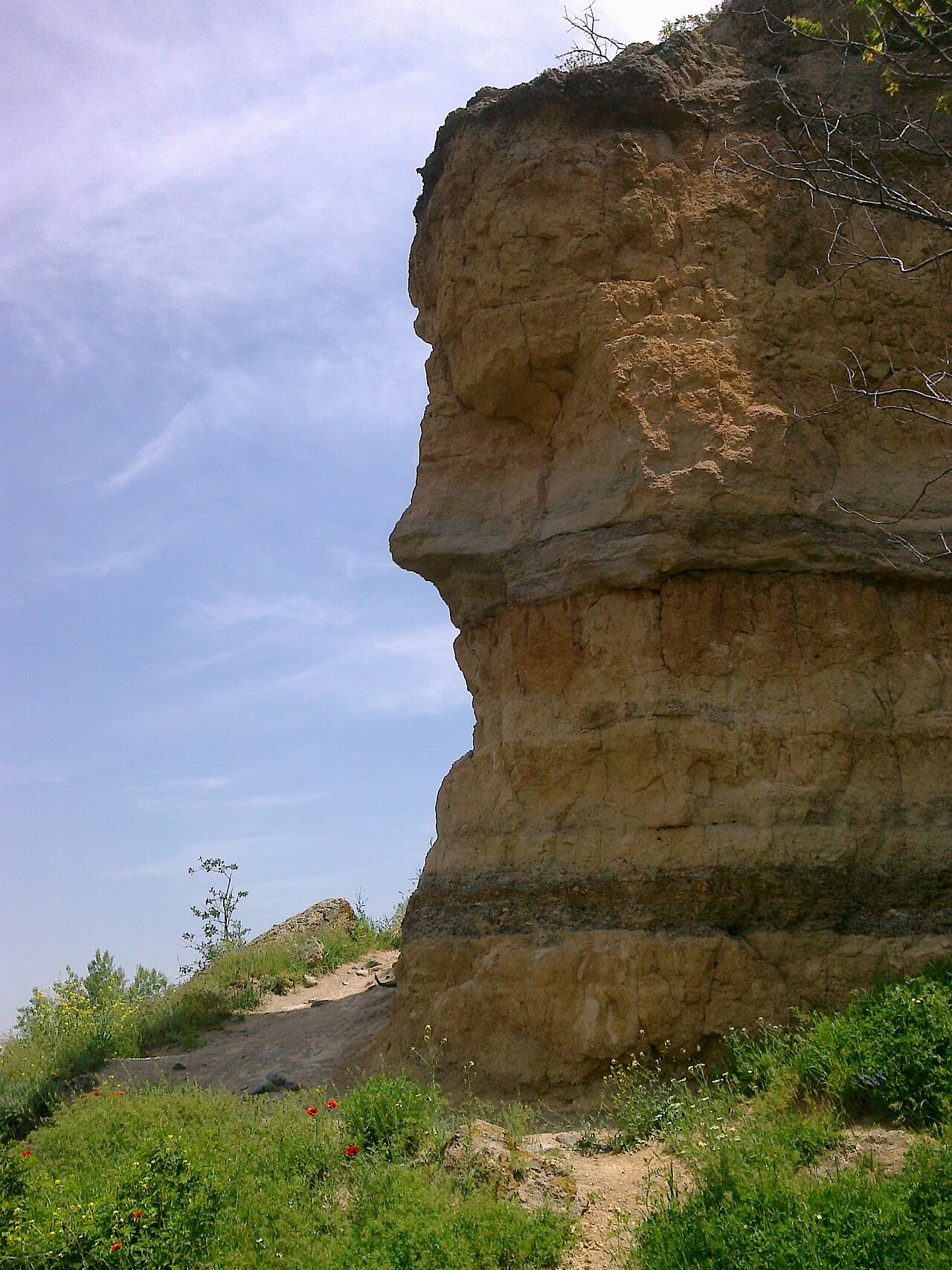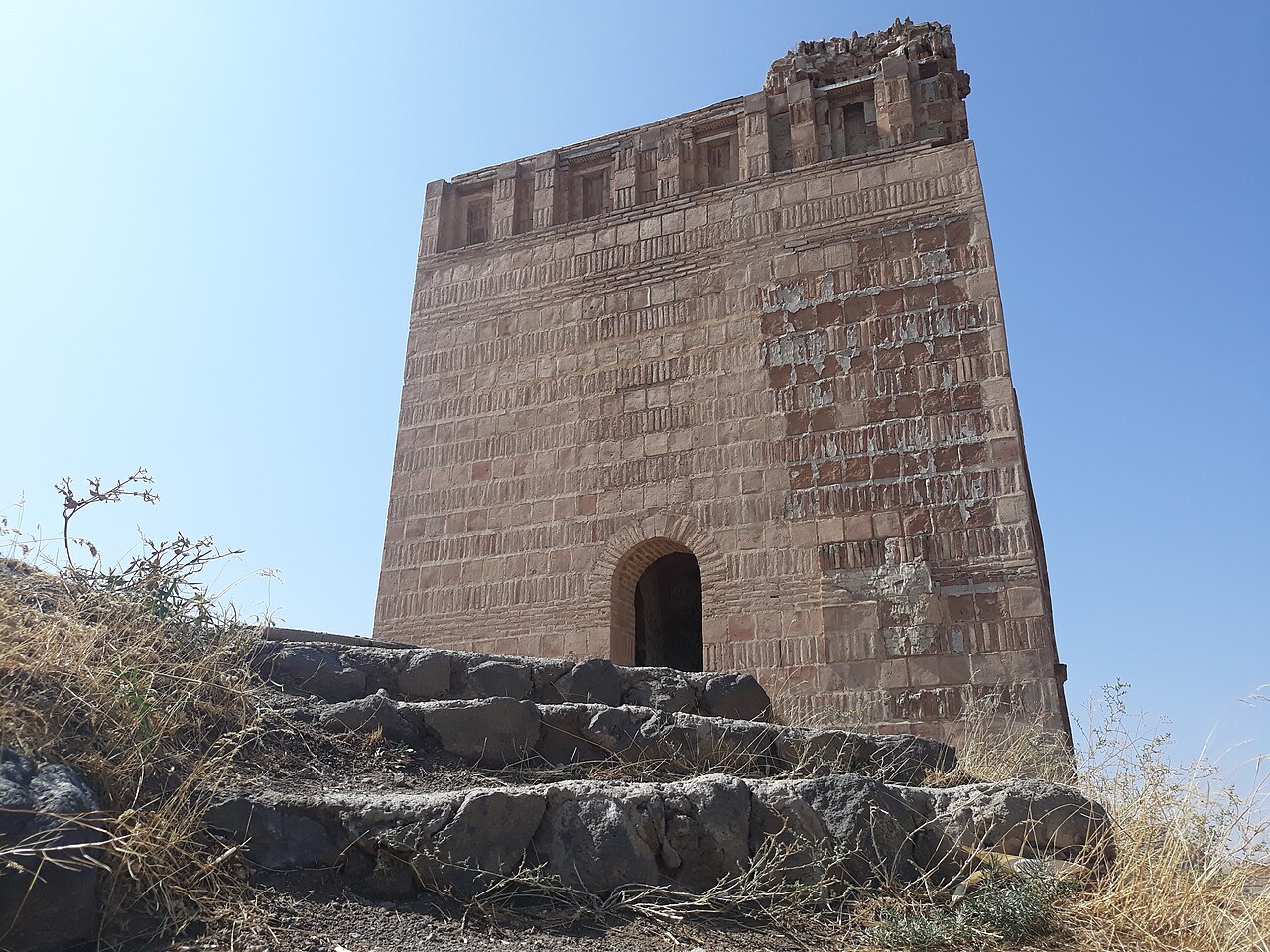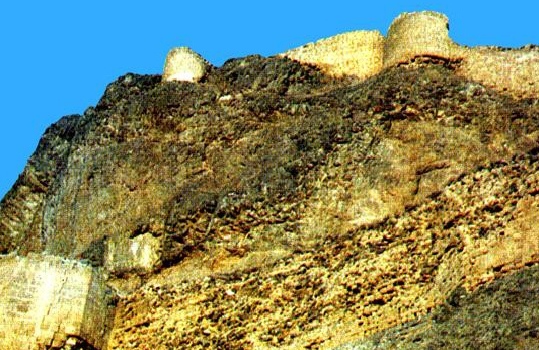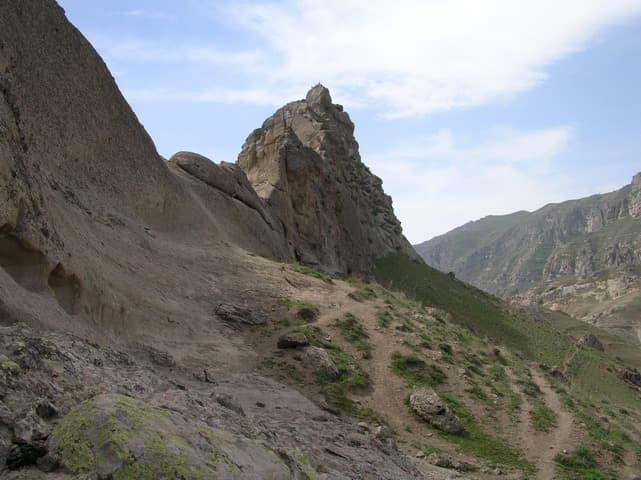
Poshtab Castle, also known as Pashtou Castle (Persian: قلعه پشتاب), is a remarkable hill castle located in the village of Poshtab within Ahar County in northwestern Iran. This ancient fortress is perched atop a natural rock formation, utilizing the rugged terrain to enhance its defensive capabilities. The castle's strategic position on a rocky outcrop with inaccessible cliffs on most sides makes it a classic example of a hill castle designed for defense and surveillance.
Historical background and significance
The origins of Poshtab Castle trace back to the Parthian and Sassanid periods, placing its construction roughly between the 3rd century BCE and the 7th century CE. These eras were characterized by significant developments in military architecture in the region, as the Parthians and Sassanids sought to fortify their territories against various nomadic incursions and rival empires. Poshtab Castle, like many fortifications of its time, served as a military stronghold and a refuge for local populations during times of conflict.
Its proximity to the better-known Qahqaheh Castle, another Sassanid fortress, highlights the strategic network of defensive sites established across this part of Iran. This network was crucial for controlling trade routes and securing the empire's borders.
Architectural features and layout
The castle is notable for its integration with the natural landscape. Built directly on a large rock, the structure incorporates stairs carved into the stone and engraved cabins or chambers hewn from the rock face. These features illustrate the ingenuity of ancient builders in adapting their construction techniques to the challenging terrain.
Poshtab Castle has only one known entry point, which was a common defensive feature to limit access and enhance security. The other sides are protected by steep, inaccessible cliffs, effectively serving as natural barriers against attackers. This design minimized the need for extensive man-made fortifications on those sides.
The castle's internal layout likely included living quarters, storage areas, and defensive positions, although much of the detailed plan remains to be fully studied. The carved chambers suggest a multifunctional use, possibly including residential spaces and storage for provisions or weapons.
Construction techniques and materials
The construction of Poshtab Castle demonstrates advanced stone-working skills characteristic of the Sassanid and Parthian eras. The use of the natural rock as both foundation and building material reduced the need for transporting large quantities of stone, while also providing a solid and durable base.
The carved stairs and cabins required precise craftsmanship and knowledge of the rock's properties. This method of construction also helped the castle blend into its environment, making it less conspicuous and harder to assault.
Role and function through history
Throughout its history, Poshtab Castle functioned primarily as a military fortress. Its location allowed it to serve as a lookout point and a defensive bastion against invading forces. The castle likely played a role in regional conflicts and the protection of local communities during turbulent periods.
Given its connection to the Sassanid and Parthian empires, the castle also represents the broader historical narrative of Iranian military architecture and the empire's strategies for territorial control.
Current condition and preservation
Today, Poshtab Castle remains a significant archaeological site, although it is in a state of ruins. Many of the carved features and rock formations are still visible, offering valuable insights into ancient construction methods and defensive design. The castle's remote location and natural defenses have helped preserve much of its structure despite centuries of exposure.
Efforts to study and preserve Poshtab Castle contribute to understanding the region's rich cultural heritage and the legacy of ancient Iranian civilizations.
Visiting Poshtab Castle
While the castle is not as widely known as some other Iranian fortresses, it attracts visitors interested in ancient history and architecture. Access to the site involves navigating rugged terrain, so visitors should be prepared for a challenging hike. The unique combination of natural and man-made features makes Poshtab Castle a fascinating destination for those exploring the historical landscapes of northwestern Iran.
Nearby attractions
Visitors to Poshtab Castle often combine their trip with a visit to nearby Qahqaheh Castle, another prominent fortress from the same historical periods. The region offers a rich tapestry of archaeological and cultural sites that illustrate the military and architectural advancements of ancient Iran.
Frequently asked questions (FAQ)
- How do I get to Poshtab Castle?
- Poshtab Castle is located in the heart of Iran, and the easiest way to reach it is by car or taxi from nearby cities. Public transportation options may be limited, so plan your journey in advance to ensure a smooth visit.
- What is the historical significance of Poshtab Castle?
- Poshtab Castle dates back to the Safavid era and served as a strategic military fortress. Its architecture reflects the rich history of Iran and offers insight into the region's past conflicts and governance.
- When was Poshtab Castle built?
- Construction of Poshtab Castle began in the early 17th century during the Safavid dynasty. The castle was designed as a fortified structure to defend against invasions and has stood the test of time since its completion.
- Can I take photos inside Poshtab Castle?
- Yes, visitors are allowed to take photos inside Poshtab Castle, but it's advisable to respect any restrictions in certain areas. Capturing the stunning architecture and scenic surroundings can enhance your experience.
- Why is Poshtab Castle a popular tourist destination?
- Poshtab Castle attracts visitors due to its historical significance, unique architecture, and picturesque setting. It offers a glimpse into Iran's rich cultural heritage and is a must-visit for history enthusiasts.
- Is it possible to explore the castle's interior?
- Yes, visitors can explore the interior of Poshtab Castle, which includes various rooms and towers that showcase its historical architecture. Guided tours may be available, providing valuable insights into the castle's history.
- What are the opening hours for Poshtab Castle?
- Poshtab Castle is typically open to visitors from 9 AM to 6 PM, but hours may vary depending on the season. It's best to check ahead for any changes or special events that may affect visiting times.
- What is the best time to visit Poshtab Castle?
- The best time to visit Poshtab Castle is during the spring and autumn months when the weather is mild. These seasons offer pleasant conditions for exploring the castle and enjoying the surrounding landscape.
- What are the ticket prices for Poshtab Castle?
- Ticket prices for Poshtab Castle are generally affordable, with discounts available for students and groups. It's recommended to check the official website or local tourism information for the most current pricing details before your visit.
- Are there any nearby attractions to visit after Poshtab Castle?
- Yes, there are several nearby attractions, including beautiful parks and historical sites that reflect Iran's rich culture. Consider visiting local museums or other castles in the area to enhance your experience.
Photo gallery

Photo by Ali.pourhamidi at Persian Wikipedia.•Public domain
Information
Loading map...
Visitor reviews
No reviews yet. Been here? Write the first review and help other travelers!
Write the first reviewVisited this castle? Share your experience
Your review helps other travelers and adds first-hand knowledge to our encyclopedia.