Zahara de la Sierra Castle
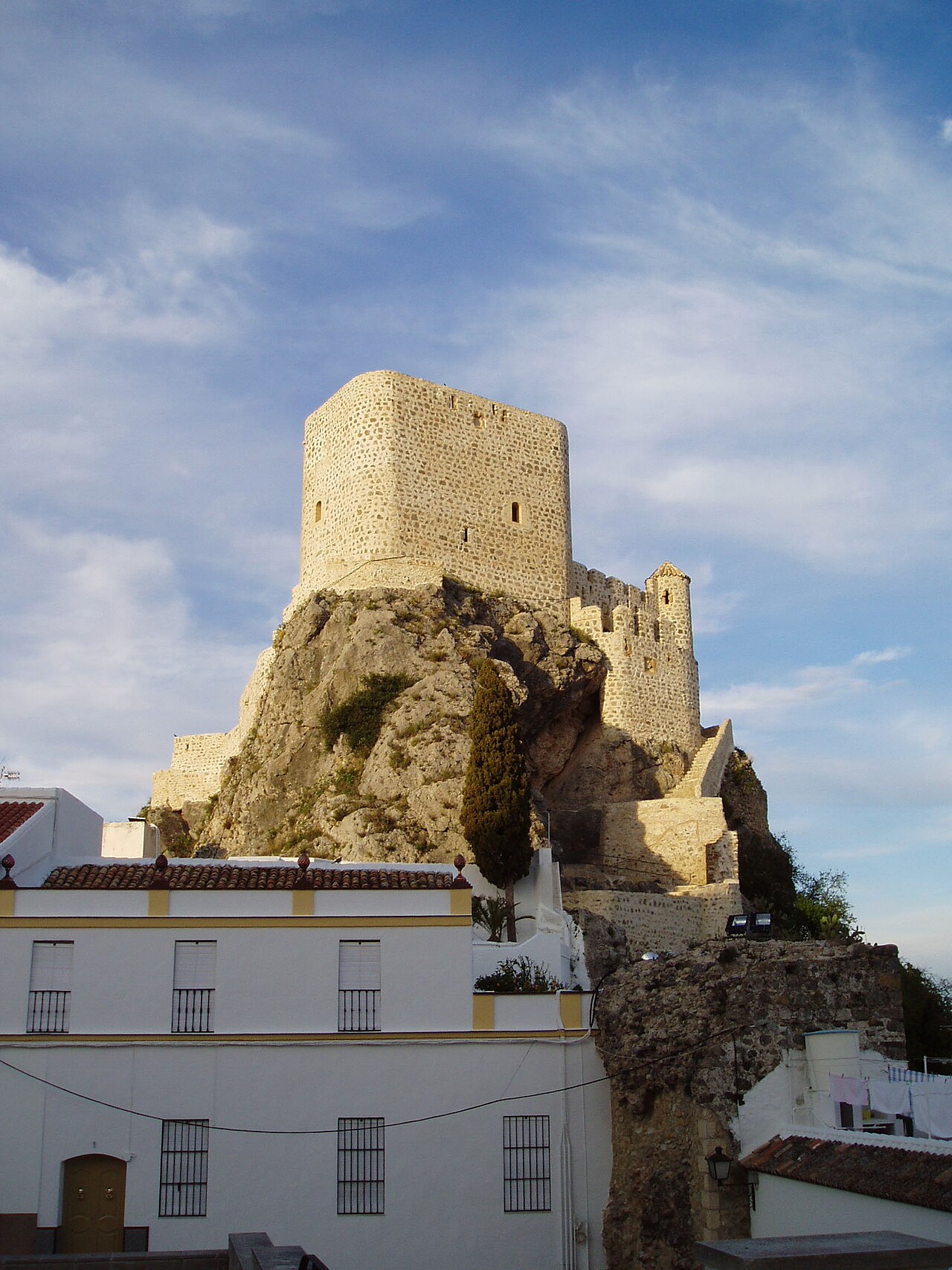
Zahara de la Sierra Castle stands as a remarkable example of a hill castle strategically perched atop a rocky promontory in the municipality of Zahara de la Sierra, Andalusia, Spain. Dating back to the 13th century, this fortress was originally constructed by the Nasrid Kingdom of Granada and later adapted by Christian rulers, reflecting the turbulent history of the Reconquista and the shifting frontiers between Muslim and Christian territories. Its commanding position overlooking the valley and the surrounding landscape made it a critical defensive stronghold controlling access between the cities of Ronda and Seville.
Architectural features and layout
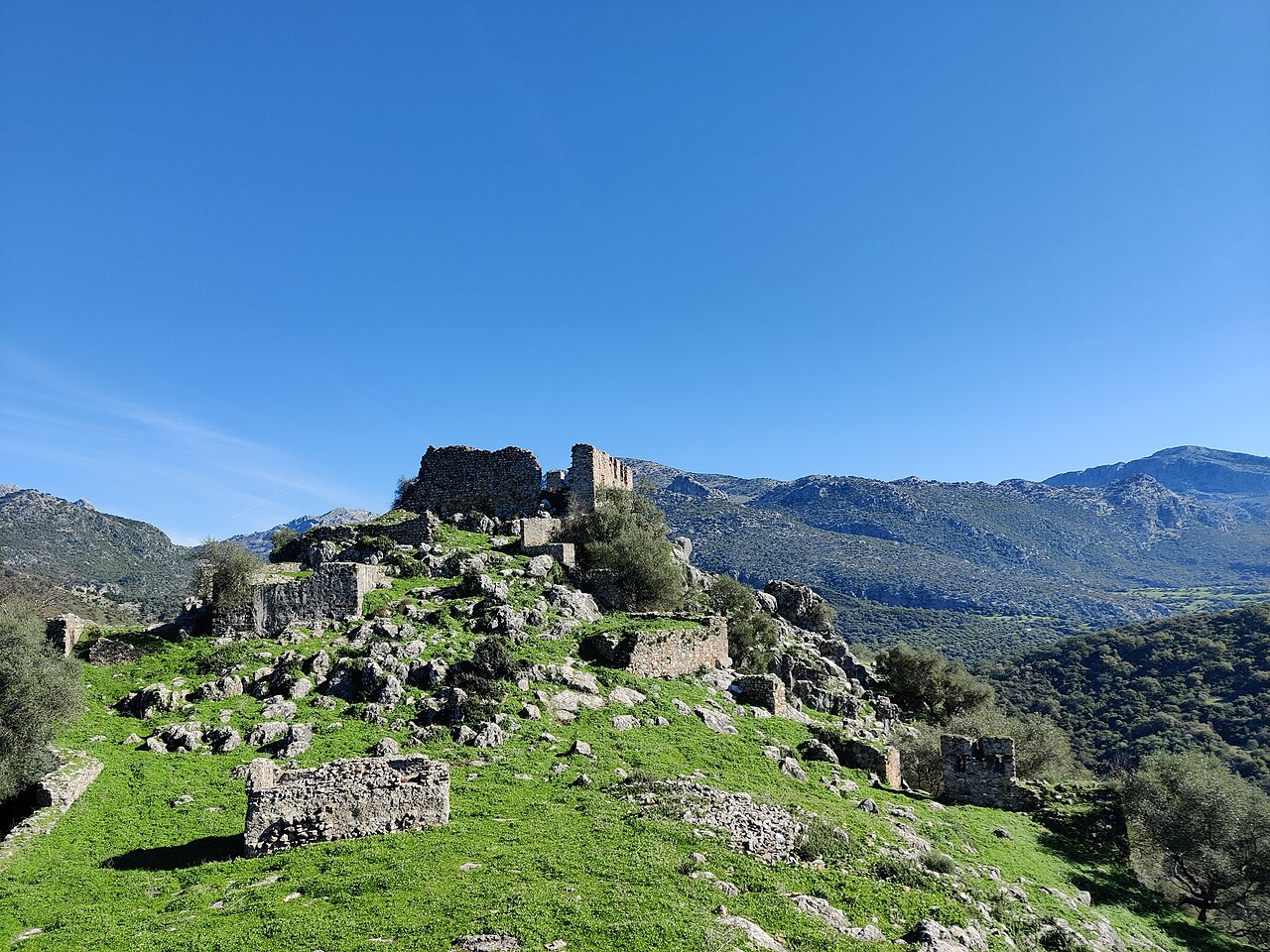
The castle covers an extensive area of approximately six hectares on a rocky hill known locally as Villa Arabe or Villa Medieval. The most prominent architectural feature is the homage tower, which served as the keep and last line of defense. Visitors approaching the site ascend a steep path lined with native vegetation such as cacti, pines, wildflowers, prickly pear, and almond trees. Along the way, one encounters the foundations of various unmarked buildings that cling to the gentler slopes of the hill, hinting at the castle’s complex internal layout.
Before reaching the homage tower, visitors pass the Iglesia Mayor, a historic building initially mistaken for the keep due to its imposing structure. Although the church’s supporting buttresses are modern, its walls are original, demonstrating the castle’s adaptation to Christian religious functions after the Reconquista. The castle’s defensive walls combine Nasrid masonry techniques with later Christian modifications, illustrating the layered architectural history of the site.
One of the castle’s remarkable features is an Arab-era cistern (aljibe) recently uncovered beneath the keep tower. This cistern was vital for water storage, enabling the fortress to withstand sieges by ensuring a reliable water supply. Such engineering ingenuity highlights the advanced military architecture of the Nasrid period.
Historical significance and military role
The castle’s history is deeply intertwined with the political and military struggles of medieval Spain. Originally built by the Nasrid Kingdom of Granada in the late 13th century, it served as a crucial frontier fortress marking the boundary of Nasrid control. Its strategic importance is underscored by the notable 1282 meeting held within its walls between Alfonso X of Castile and Abu Yusuf Yaqub ibn Abd al-Haqq, the Marinid Sultan, emphasizing its role as a diplomatic as well as military site.
Throughout the 14th and 15th centuries, the castle changed hands multiple times amid the Reconquista’s shifting tides. In 1407, Juan II of Castile captured the fortress from the Nasrids, only for it to be briefly reclaimed by Nasrid forces in 1481. The final Christian recapture occurred in 1483 under Rodrigo Ponce de León, Marquis of Cádiz, consolidating Catholic Monarchs’ control over the region.
The castle’s military relevance extended beyond the medieval period. During the Spanish War of Independence in the early 19th century, it was occupied by French forces under General Soult. Spanish troops led by Pedro de Pineda mounted an offensive to retake the stronghold, demonstrating the castle’s enduring strategic value.
Additionally, the surrounding region’s volatile history is marked by events such as the 1410 sack of Zahara by the Emir of Granada, which provoked a retaliatory campaign by the Infante Fernando capturing Antequera. These episodes reflect the castle’s position at the heart of the conflict between Muslim and Christian powers in Andalusia.
Current condition and visitor experience
Today, Zahara de la Sierra Castle remains a well-preserved hill castle offering visitors a tangible connection to its rich historical past. The surviving defensive walls reveal a mix of Nasrid and Christian construction techniques, while the imposing homage tower invites exploration and provides panoramic views of the surrounding landscape. From the tower, visitors can see the village of Zahara, the nearby Zahara reservoir, and distant towns such as Algodonales and Olvera.
The castle’s location between the Sierra de Grazalema Natural Park and the reservoir highlights its strategic siting amidst natural resources and rugged terrain. The path to the castle is accessible from the roof of the Hotel de la Villa, featuring a wide trail with handrails, although the climb is steep and requires care, especially due to nesting birds along the way.
The site was designated a Bien de Interés Cultural in 1985, recognizing its cultural and historical significance. Visitors today can appreciate the castle not only as a military fortress but also as a symbol of the complex cultural heritage of Andalusia, shaped by centuries of interaction between Christian and Muslim civilizations.
Architectural details and construction techniques
The castle’s construction reflects the high medieval period’s military architectural principles, combining functional defensive elements with adaptations to the local terrain. The use of buttressed walls and masonry techniques from both Nasrid and Christian builders illustrates the evolution of fortification methods over time.
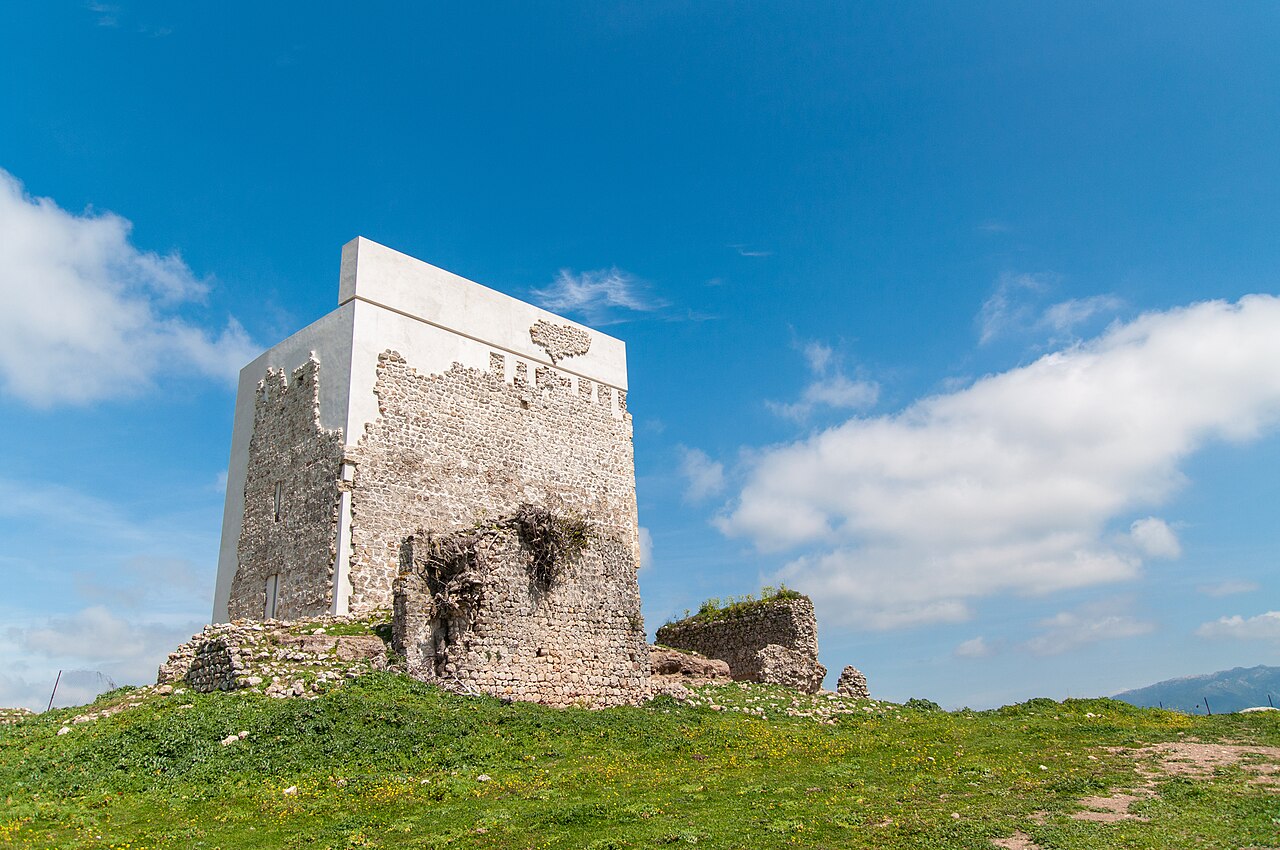
The homage tower served as the castle’s keep, a fortified refuge during attacks and a symbol of lordly power. Its position at approximately 600 meters above sea level maximized visibility and control over the surrounding valley. The recently uncovered aljibe cistern beneath the tower is a testament to the importance of water management in sustaining long sieges.
Other architectural features include remnants of defensive walls with battlements, gatehouses, and the foundations of auxiliary buildings that supported the castle’s military and domestic functions. The integration of the Iglesia Mayor within the castle complex demonstrates the fusion of religious and military architecture following the Reconquista.
Cultural heritage and significance
Zahara de la Sierra Castle is a significant cultural landmark representing the layered history of Andalusia. Its origins as a Nasrid fortress and subsequent Christian adaptations embody the region’s complex history of conquest, coexistence, and conflict. The castle’s preservation and status as a Bien de Interés Cultural ensure that it remains a vital link to Spain’s medieval past.
Visitors to the castle not only experience a well-preserved military structure but also gain insight into the historical narratives that shaped southern Spain. The castle’s commanding views and evocative ruins continue to inspire appreciation for the architectural and historical legacy of the Nasrid and Christian periods.
Frequently asked questions (FAQ)
- How do I get to Zahara de la Sierra Castle?
- The castle is accessible via a steep path starting from the car park on the roof of Hotel de la Villa in Zahara de la Sierra. The trail is wide and equipped with handrails, but the climb is steep, so comfortable footwear is recommended.
- What is the historical significance of Zahara de la Sierra Castle?
- Zahara de la Sierra Castle was a strategic frontier fortress built by the Nasrid Kingdom of Granada in the 13th century. It played a key role in the Reconquista, changing hands between Muslim and Christian rulers and witnessing significant historical events.
- Can visitors climb the castle tower?
- Yes, visitors can ascend the castle's prominent homage tower, which offers panoramic views of the surrounding valley, Zahara reservoir, and nearby towns such as Algodonales and Olvera.
- When is the best time to visit Zahara de la Sierra Castle?
- The best time to visit is during spring and autumn when the weather is mild, and the surrounding natural landscape is vibrant with wildflowers and greenery.
- Is Zahara de la Sierra Castle suitable for families with children?
- While the castle grounds are generally safe, the steep paths and uneven terrain may be challenging for young children. Supervision is advised, and visitors should take care on the climb.
- Are there any nearby attractions to visit after Zahara de la Sierra Castle?
- Nearby attractions include the Sierra de Grazalema Natural Park and the Zahara reservoir, both offering opportunities for hiking, nature observation, and outdoor activities.
Information
Sources & official resources
Verify the information above using these authoritative references.
Loading map...
Visitor reviews
No reviews yet. Been here? Write the first review and help other travelers!
Write the first reviewVisited this castle? Share your experience
Your review helps other travelers and adds first-hand knowledge to our encyclopedia.