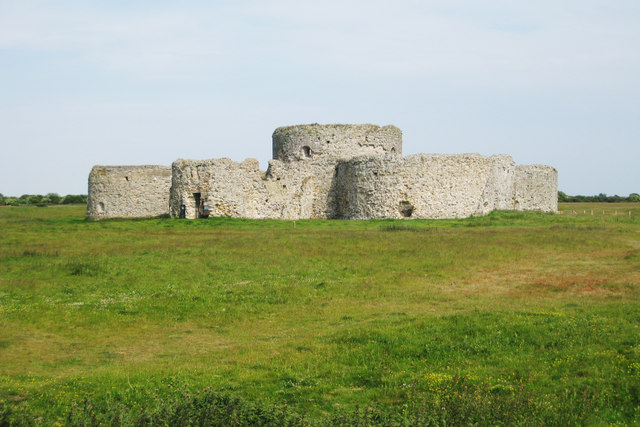
Rye Castle
Rye Castle, also known as Ypres Tower, stands as a significant High Medieval fortification located in the historic town of Rye, England. Constructed in 1249 by royal permission from King Henry III, it was part of an extensive coastal defense system designed to protect the town and surrounding areas from frequent raids by the French during a period of ongoing conflict between England and France. The castle's strategic position near the coast made it a crucial military installation guarding one of the most important harbors in medieval England.
Historical context and strategic importance
During the 13th century, the English Channel was a volatile frontier, with frequent French incursions threatening the southeastern coast of England. Rye, being a prosperous port town, was particularly vulnerable. The construction of Rye Castle was a direct response to these threats, intended to bolster the town's defenses and secure the harbor. The castle was named Ypres Tower, reflecting its original role as a fortified tower within the town's defensive network.
The castle's military significance extended beyond the medieval period. Over the centuries, it adapted to changing military needs, including defenses against the threat posed by Napoleon Bonaparte in the early 19th century, evidenced by exhibits showing the evolution of Romney Marsh coastline defenses.
Architectural features and layout
Rye Castle is a classic example of a High Medieval defensive structure, characterized by thick stone walls, battlements, and a commanding balcony offering expansive views of the surrounding Romney Marsh and the coastline. The castle's design reflects its multifaceted role as a fortification, prison, and administrative center.
The tower itself served multiple purposes: it was a stronghold against invaders, a court hall, and a prison. Inside, visitors can explore the prison cells where prisoners, including the notorious murderer John Breads, were held. The cells show evidence of medieval incarceration practices, including chains and confinement areas.
Additional features include displays of locally-made medieval pottery, an embroidery depicting Rye's history and daily life, and various medieval artifacts that provide insight into the town's cultural heritage. A smugglers' lantern is also exhibited, highlighting Rye's historical role in coastal smuggling activities.
Evolution of use and preservation
Over the centuries, Rye Castle transitioned from a military fortification to a private dwelling, a prison, and a court hall. Its adaptive reuse reflects the changing social and political landscape of the region. Today, it functions as a museum, preserving and interpreting the rich history of Rye and its defensive structures.
The castle is a Grade I listed building, recognizing its exceptional architectural and historic importance. Its preservation allows visitors to experience firsthand the layered history of a site that has witnessed centuries of conflict, governance, and community life.
Visitor experience and educational value
Visitors to Rye Castle can enjoy panoramic views from the balcony, looking out over the Romney Marsh and the remnants of what was once a bustling harbor. The museum offers a variety of exhibits that engage visitors with the castle's multifaceted history, from medieval times through the Napoleonic era.
The displays include detailed models illustrating the changing coastline and defensive strategies, enhancing understanding of the castle's enduring military role. Interactive elements and historical narratives bring to life the stories of those who lived, worked, and were imprisoned within its walls.
Significance in local heritage
Rye Castle remains a cornerstone of Rye's cultural identity, embodying the town's resilience and historical importance as a fortified port. Its preservation and public accessibility contribute to ongoing education about England's medieval coastal defenses and the evolution of military architecture.
Accessibility and visitor information
The castle is open to the public, providing educational tours and exhibits suitable for a wide range of visitors, including families, history enthusiasts, and scholars. Its location within the historic town of Rye makes it easily accessible, and it is often included in heritage trails and cultural itineraries focused on medieval England.
Frequently asked questions (FAQ)
- When was Rye Castle built and for what purpose?
- Rye Castle was built in 1249 under the permission of King Henry III to defend the town of Rye from frequent French raids during the 13th century.
- What architectural style characterizes Rye Castle?
- Rye Castle is characterized by <strong>Gothic</strong> architectural features typical of High Medieval fortifications, including thick stone walls and defensive battlements.
- Can visitors explore the prison cells inside Rye Castle?
- Yes, visitors can see the medieval prison cells where prisoners like John Breads were held, including displays of chains and confinement areas.
- What exhibits are displayed at Rye Castle museum?
- The museum features locally-made medieval pottery, an embroidery depicting Rye's history, medieval artifacts, a smugglers' lantern, and models showing coastal defense changes.
- Is Rye Castle accessible to the public and what are the opening hours?
- Rye Castle is open daily from 10:00 to 16:00, welcoming visitors interested in exploring its historical and architectural significance.
Information
Opening hours
10:00-16:00, daily
Ticket prices
£5 adult, £3 child
Current owner
Municipality
Website
Visit websiteSources & official resources
Verify the information above using these authoritative references.
Loading map...
Visitor reviews
No reviews yet. Been here? Write the first review and help other travelers!
Write the first reviewVisited this castle? Share your experience
Your review helps other travelers and adds first-hand knowledge to our encyclopedia.