Yoshida Castle
Yoshida Castle (吉田城, Yoshida-jō) is a historically significant Japanese hill castle located in Toyohashi, in the southeastern part of Aichi Prefecture, Japan. Constructed in the 16th century during the turbulent Sengoku period, the castle played an important role in regional military and political affairs. It is also known by its alternative names, Imabashi Castle (今橋城, Imabashi-jō) and later as Toyohashi Castle.
Historical background and significance
The castle was initially built as a strategic fortification to control the eastern part of Mikawa Province. It served as a vital military base for various feudal lords during the Sengoku period, a time marked by constant warfare and shifting alliances. By the Edo period, Yoshida Castle became the seat of the Inaba clan, the daimyō of the Tateyama Domain. The Inaba clan governed the castle and its surrounding lands, overseeing administrative and military functions.
Yoshida Castle's location was critical for controlling access to the Pacific coast and the Tōkaidō road, a major route connecting Kyoto and Edo (modern Tokyo). Its position on a hill provided natural defensive advantages and a commanding view of the surrounding area, which was essential for monitoring troop movements and protecting the domain.
Architectural features and layout
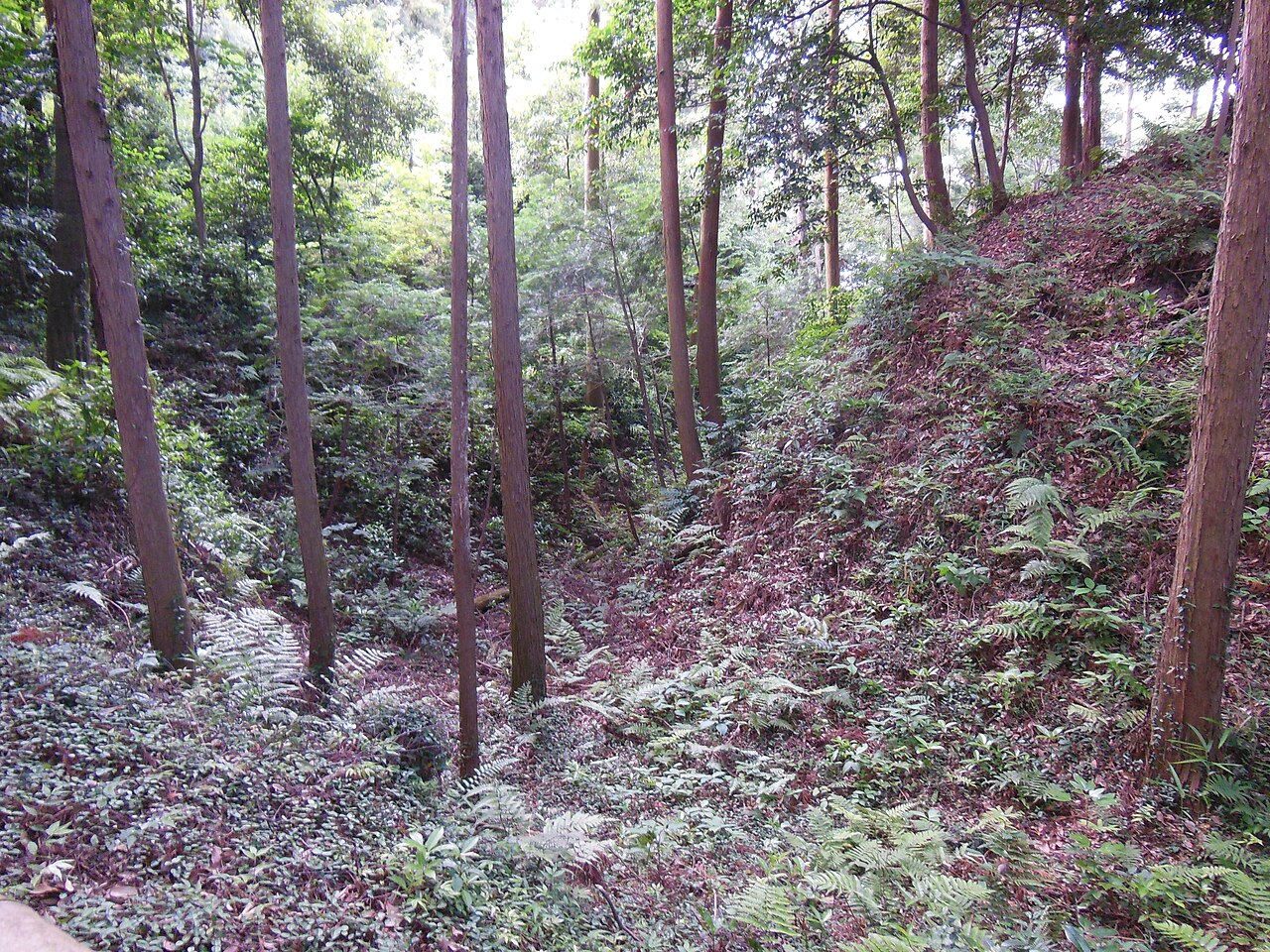
The castle is a classic example of a hill castle (yamajiro), constructed on elevated terrain to maximize defense. The original fortifications included stone walls, moats, and earthen ramparts. The main keep (tenshu) was a multi-storied tower designed for both defense and residence, although it was modest compared to some larger castles of the period.
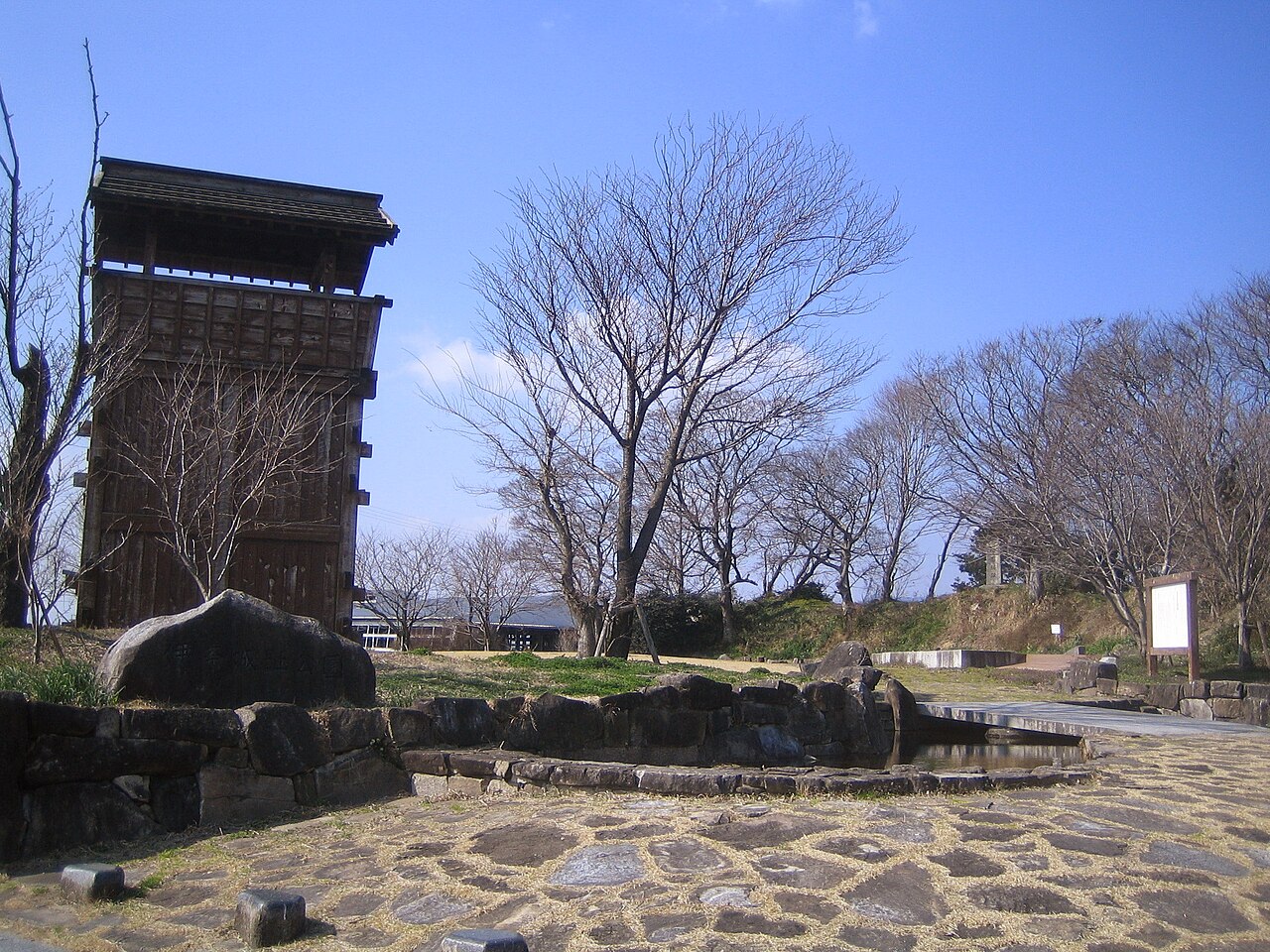
Yoshida Castle's layout featured a central bailey surrounded by several enclosures (kuruwa), each protected by walls and gates. The castle grounds included residential quarters, storehouses, and armories. Defensive structures such as watchtowers and turrets were strategically placed to cover approaches and blind spots.
Castle keep and defensive structures
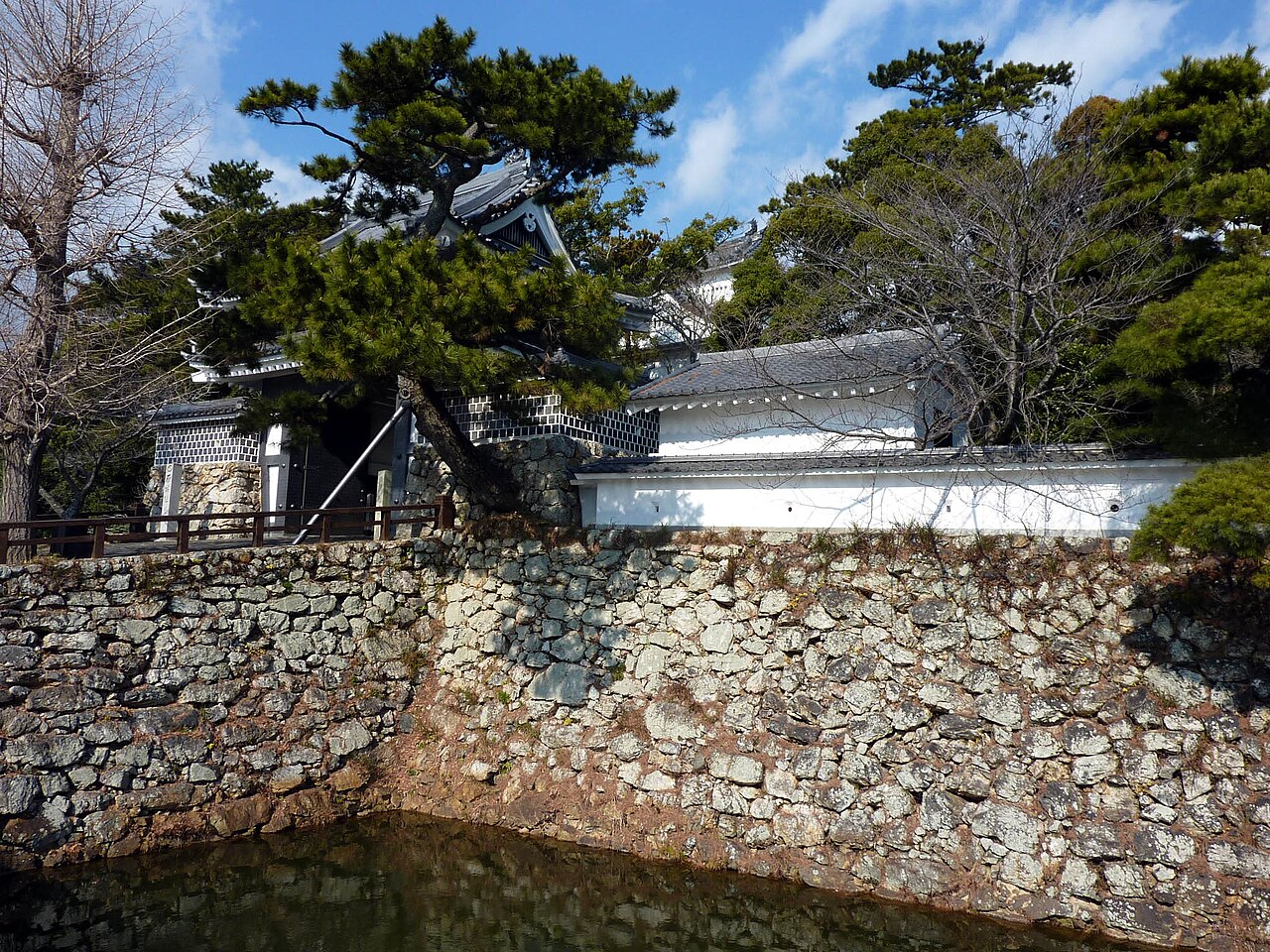
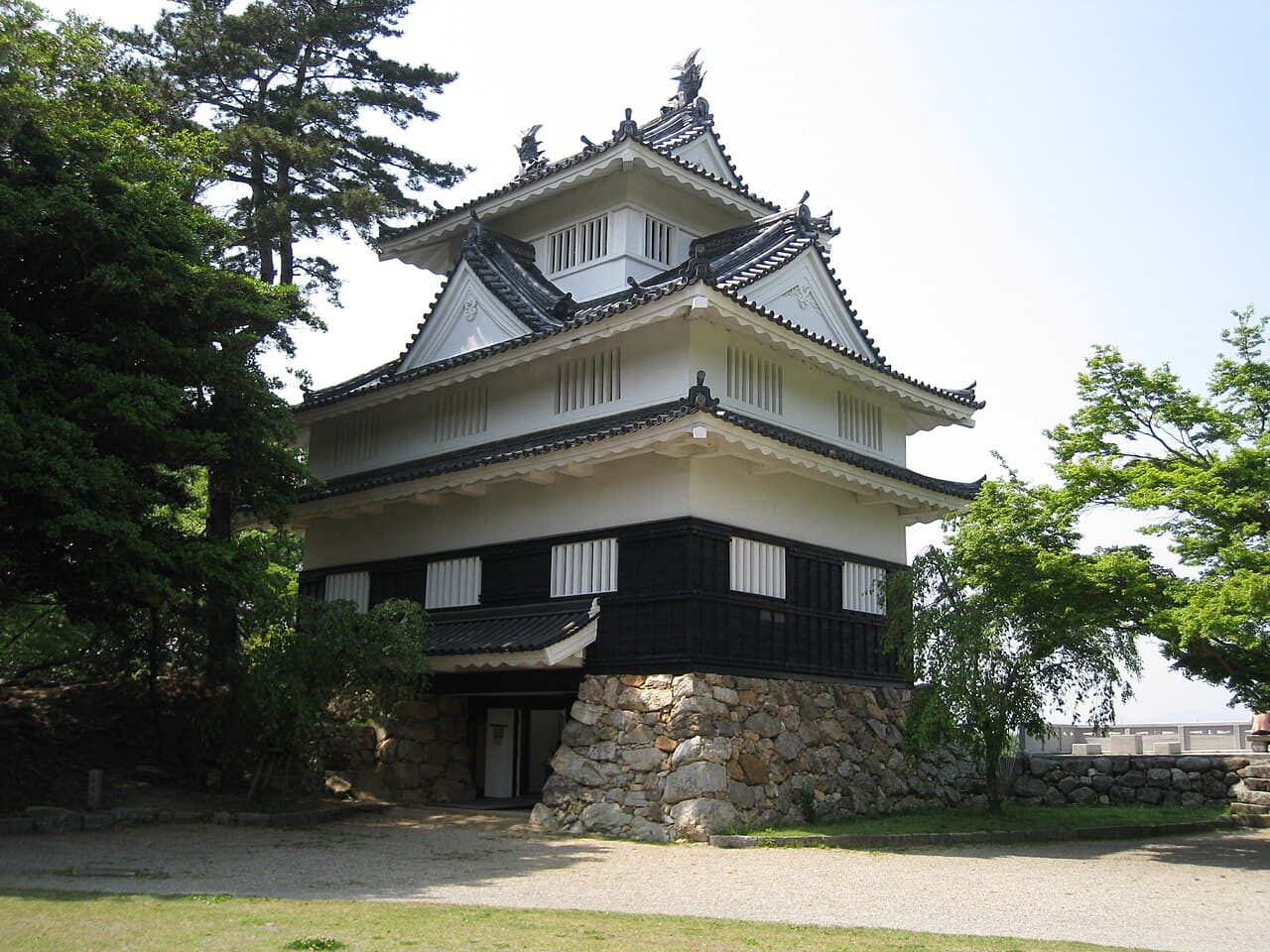
The original tenshu was destroyed in the 18th century and was not rebuilt in its original form. Today, the castle grounds include a reconstructed donjon and other buildings that serve as a museum and cultural site. The stone walls and moats remain prominent features, illustrating traditional Japanese castle defensive techniques.
Role during the edo period and beyond
During the Edo period, Yoshida Castle functioned primarily as the administrative center for the Tateyama Domain. The Inaba clan maintained the castle and its defenses, but the peaceful conditions of the Tokugawa shogunate reduced the need for extensive military readiness.
Following the Meiji Restoration, many Japanese castles were dismantled or repurposed, and Yoshida Castle underwent significant changes. Parts of the castle grounds were converted for public use, including parks and government buildings. Some original structures were lost, but efforts to preserve and restore key elements have been ongoing.
Modern preservation and cultural importance
Today, Yoshida Castle is recognized as an important cultural heritage site in Toyohashi. The castle park is a popular destination for locals and tourists, especially during the cherry blossom season. The reconstructed buildings and remaining stone walls provide insight into Japanese castle architecture and feudal history.
The castle hosts various cultural events and exhibitions, contributing to the preservation of regional history and traditional craftsmanship. It stands as a testament to the architectural ingenuity and strategic military planning of Japan's feudal era.
Visitor information
Visitors can explore the castle grounds, including the reconstructed donjon which houses a museum displaying artifacts and historical exhibits related to the castle and the Inaba clan. The site offers walking paths, scenic views, and educational signage to enhance the visitor experience.
Yoshida Castle is accessible from central Toyohashi by public transportation, making it a convenient historical attraction. Guided tours and seasonal events provide deeper engagement with the castle's history and cultural significance.
Frequently asked questions (FAQ)
- What is the historical significance of Yoshida Castle?
- Yoshida Castle, built in the early 17th century, played a crucial role in the defense of the region during the Edo period. It served as a strategic military base and a residence for local lords, reflecting the feudal system of Japan. Today, it stands as a testament to Japan’s rich history and architectural heritage.
- When was Yoshida Castle constructed?
- Yoshida Castle was constructed in 1618 under the orders of the Matsudaira clan. The castle has undergone several renovations since its original construction, preserving its historical architecture while adapting to modern needs.
- What are the opening hours for Yoshida Castle?
- Yoshida Castle is open to visitors from 9:00 AM to 5:00 PM daily, with last admission at 4:30 PM. During national holidays and peak tourist seasons, the castle may extend its hours, so it's advisable to check the official website for any special announcements.
- Can I access Yoshida Castle with public transportation?
- Yes, Yoshida Castle is easily accessible by public transportation. Visitors can take a train to Toyohashi Station and then a short bus ride or a leisurely 20-minute walk to the castle grounds.
- Is it possible to take guided tours of Yoshida Castle?
- Yes, guided tours of Yoshida Castle are available, offering visitors in-depth insights into its history and architecture. Tours are conducted in both Japanese and English, and it's recommended to book in advance, especially during peak tourist seasons.
- What is the ticket price for visiting Yoshida Castle?
- The general admission fee for Yoshida Castle is 500 yen for adults, while children under 15 can enter for free. Discounts may be available for groups, and certain special exhibitions may have separate fees.
- When is the best time to visit Yoshida Castle?
- The best time to visit Yoshida Castle is during the cherry blossom season in early April, when the surrounding park transforms into a beautiful landscape of pink blooms. Additionally, autumn offers stunning foliage, making it a picturesque time for photography and exploration.
- What nearby attractions should I visit when at Yoshida Castle?
- While visiting Yoshida Castle, you can also explore the Toyohashi Museum of Natural History and the nearby Toyohashi City Art Museum. Both attractions are within a short distance and offer a deeper understanding of the region’s culture and natural environment.
Photo gallery

Photo by Lombroso•Public domain
Information
Loading map...
Visitor reviews
No reviews yet. Been here? Write the first review and help other travelers!
Write the first reviewVisited this castle? Share your experience
Your review helps other travelers and adds first-hand knowledge to our encyclopedia.