Noda Castle
Noda Castle (野田城, Noda-jō) was a significant Sengoku period hill castle located in eastern Mikawa Province, in the area now part of Shinshiro city, Aichi Prefecture, Japan. Constructed in the 16th century, it played a strategic role during the turbulent era of feudal conflict known as the Sengoku period, a time marked by frequent battles among regional warlords vying for power.
Historical context and significance
During the Sengoku period, Japan was fragmented into numerous domains controlled by powerful samurai clans. Noda Castle was constructed as a defensive stronghold to protect the eastern approaches of Mikawa Province, a region of strategic importance due to its location between the powerful Oda and Tokugawa clans. The castle's position on a hill provided a commanding view of the surrounding terrain, allowing its occupants to monitor enemy movements and prepare for potential sieges.
The castle was involved in several military engagements, reflecting the volatile nature of the period. It notably faced attacks during the conflicts between the Imagawa clan and the rising Tokugawa clan, who sought to consolidate control over Mikawa and neighboring provinces. These clashes underscored the castle's role as a frontline defense in the power struggles that ultimately led to the unification of Japan under Tokugawa Ieyasu.
Architectural features and layout
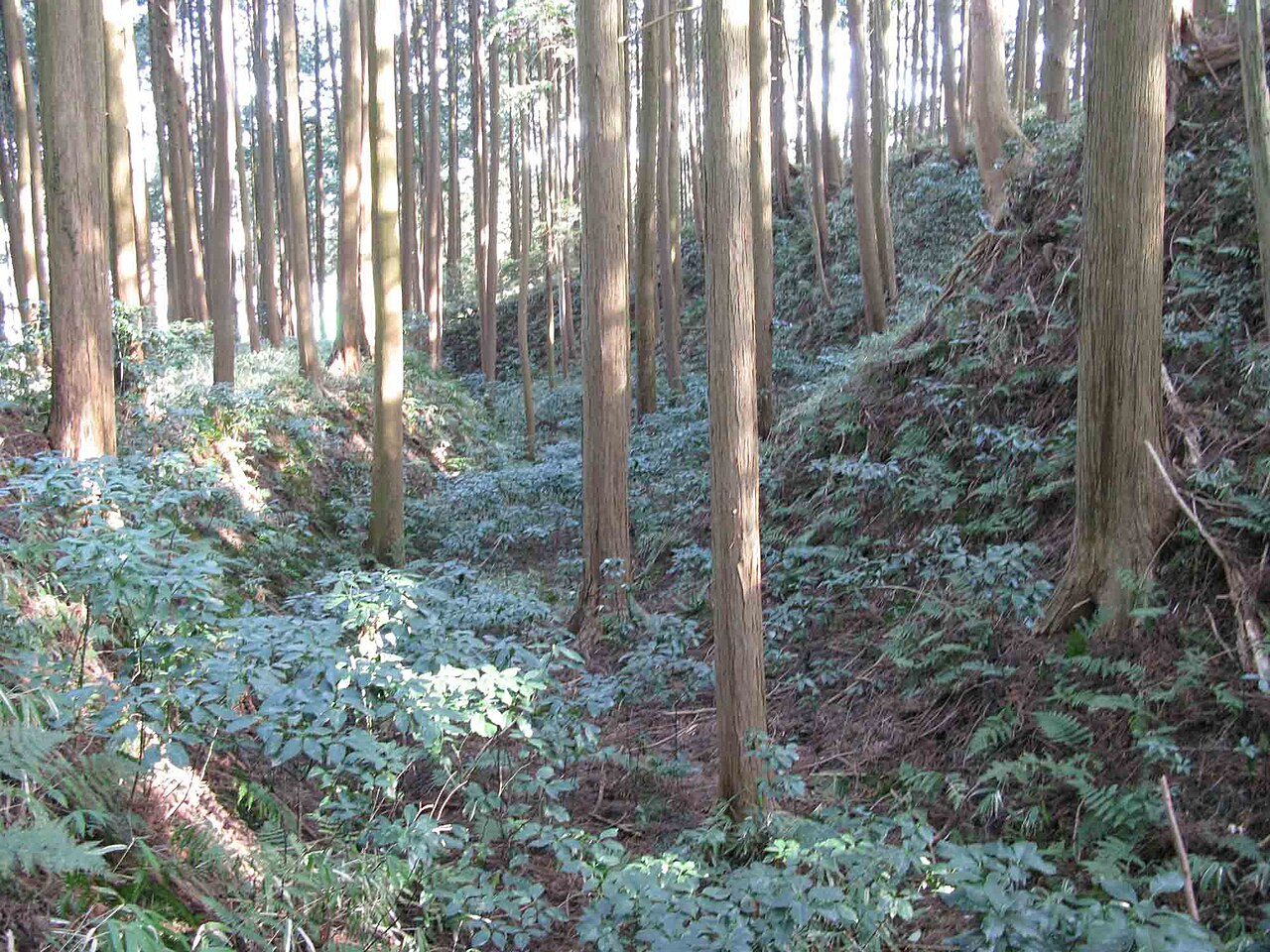
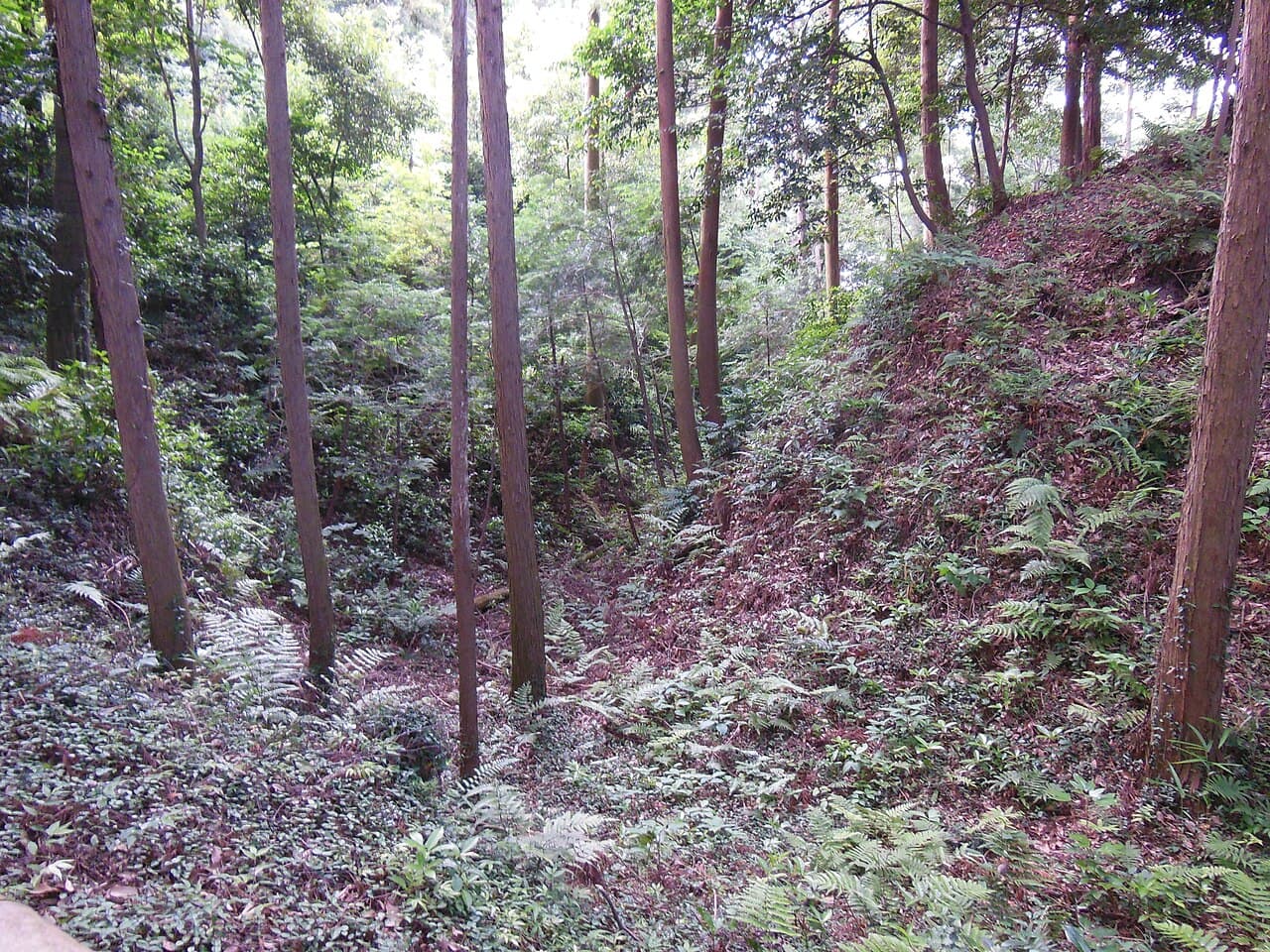
Noda Castle exemplified typical hill castle design of the Sengoku era, integrating the natural topography into its defensive structures. The castle's layout included multiple baileys (courtyards) arranged on terraced levels ascending the hill, connected by narrow paths and fortified gates. These baileys were surrounded by earthen walls and moats, enhancing the castle's defensive capabilities against attackers.
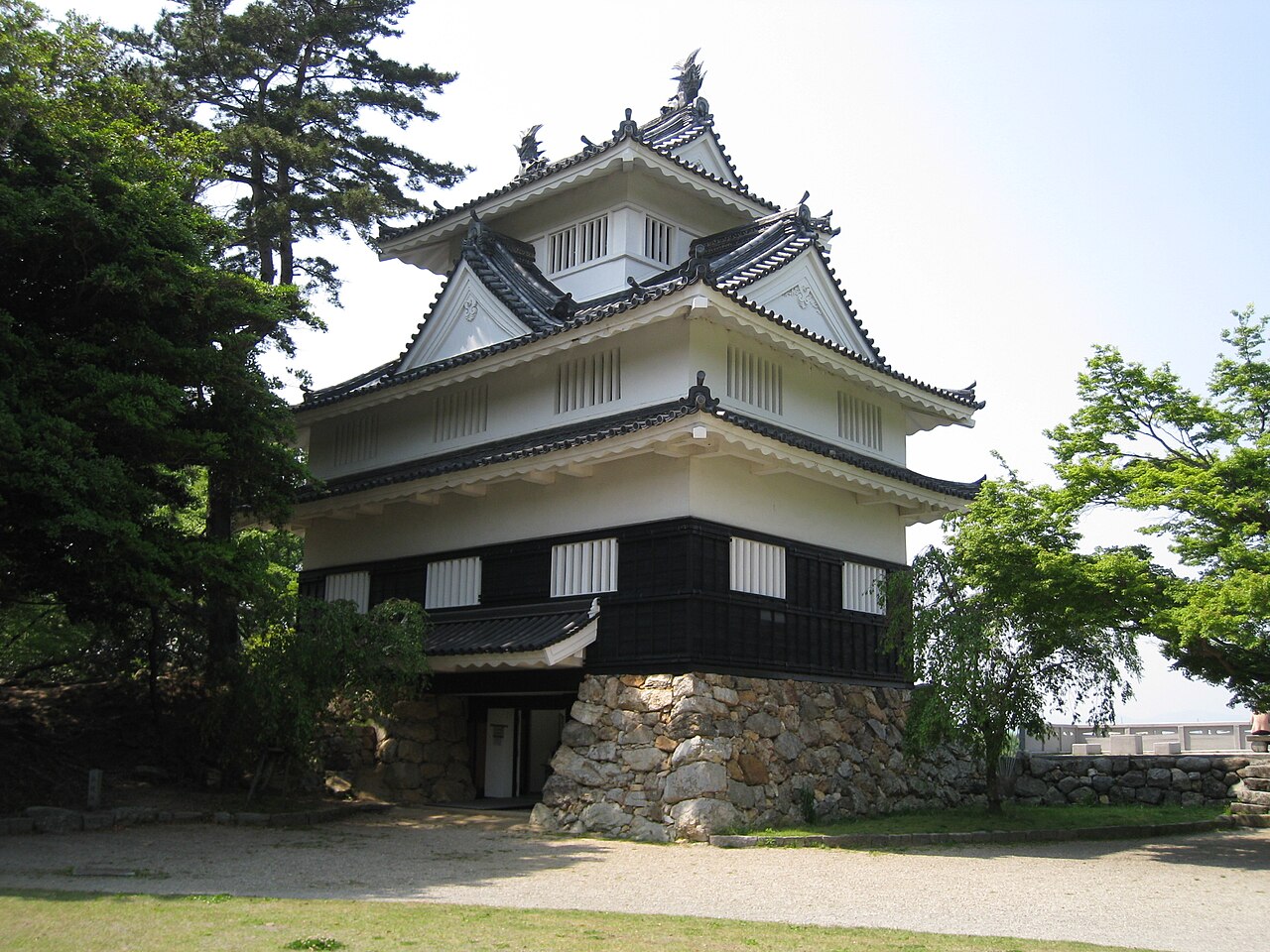
The main enclosure housed the honmaru, or central keep area, which contained the lord's residence and command facilities. Although no large stone donjon (keep) was typical for many hill castles of this period, wooden structures were common, often rebuilt or expanded as needed. Defensive features such as watchtowers, arrow slits, and stone bases supported the castle's ability to withstand sieges.
Use of natural terrain
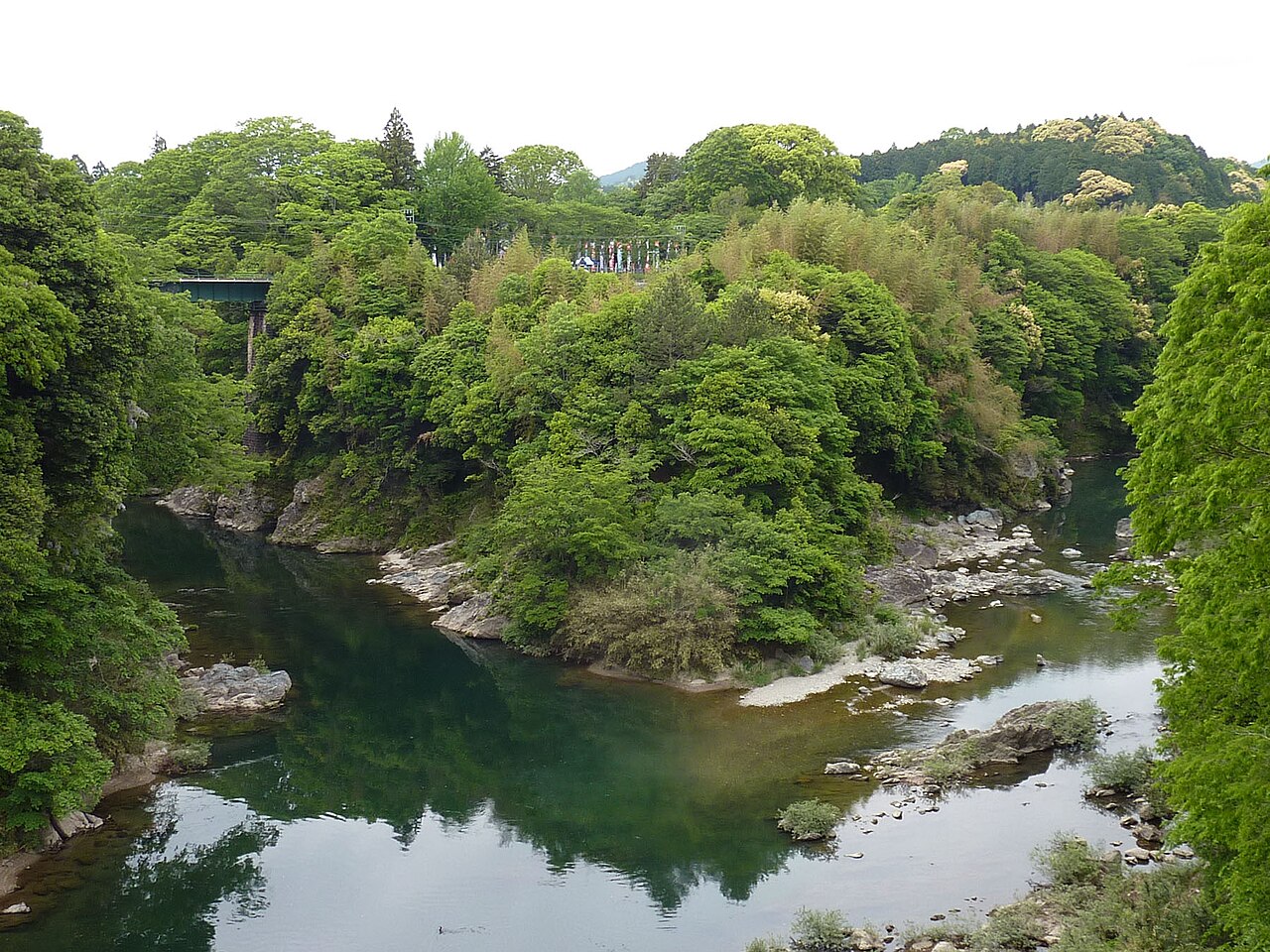
The castle's builders skillfully utilized the steep slopes and ridges of the hill to create natural barriers, reducing the need for extensive artificial fortifications. Steep cliffs and dense forests around the site further hindered enemy advances, making direct assaults costly and difficult. This strategic use of terrain was a hallmark of many Sengoku period hill castles, reflecting an understanding of both military tactics and local geography.
Decline and current condition
Following the establishment of the Tokugawa shogunate in the early 17th century, many regional castles like Noda Castle lost their military importance. The castle was eventually abandoned and fell into ruin as Japan entered the relatively peaceful Edo period. Today, the site of Noda Castle remains as archaeological ruins, with remnants of earthworks and foundation stones visible to visitors.
Efforts have been made to preserve the site as a cultural heritage location, providing insight into the castle architecture and feudal history of the Sengoku period. Interpretive signs and walking trails allow visitors to explore the terrain and imagine the castle's former strategic significance.
Visiting Noda Castle
The ruins of Noda Castle are accessible to the public and offer a glimpse into Japan's feudal past. Visitors can hike the hillside paths to view the layout of the former castle grounds and enjoy panoramic views of the surrounding landscape. The site is particularly attractive to those interested in Japanese castle architecture, military history, and the Sengoku era.
Nearby, the city of Shinshiro provides amenities and additional historical sites, making it a worthwhile destination for cultural tourism.
Frequently asked questions about Noda Castle
- When was Noda Castle built? Noda Castle was constructed in the 16th century during the Sengoku period, a time of intense feudal warfare in Japan.
- What type of castle is Noda Castle? It is classified as a hill castle, built on elevated terrain to maximize natural defenses.
- Can visitors explore the ruins of Noda Castle? Yes, the site is open to the public, with walking trails and informational signage to guide visitors around the remains.
- What was the strategic importance of Noda Castle? The castle guarded eastern Mikawa Province and played a role in conflicts between powerful samurai clans such as the Imagawa and Tokugawa.
- Is there a large keep or donjon at Noda Castle? No large stone keep survives or was typical; the castle mainly featured wooden structures integrated into its hilltop defenses.
- What is the current condition of Noda Castle? The castle exists as archaeological ruins with visible earthworks and foundation stones preserved for historical study.
- How do I get to Noda Castle? Noda Castle is located in Shinshiro, Aichi Prefecture, accessible by local transport and hiking routes.
Photo gallery

Information
Current owner
Municipality
Loading map...
Visitor reviews
No reviews yet. Been here? Write the first review and help other travelers!
Write the first reviewVisited this castle? Share your experience
Your review helps other travelers and adds first-hand knowledge to our encyclopedia.