Tahara Castle
Tahara Castle (田原城, Tahara-jō) is a historic hill castle situated in Tahara city, located in the southern part of Aichi Prefecture, Japan. Constructed in the 15th century during the late medieval period, the castle played a significant role in regional defense and governance. It was notably the residence of the Miyake clan, who were the daimyō of the 12,000 koku Tahara Domain at the end of the Edo period.
Historical background and significance
The origins of Tahara Castle trace back to the turbulent Sengoku period, a time marked by frequent military conflicts and shifting alliances among feudal lords across Japan. The castle's strategic location on a hill provided a natural advantage for surveillance and defense against rival factions. Throughout its history, Tahara Castle was a focal point for the control of the surrounding region, serving as a military stronghold and administrative center.
During the Edo period (1603–1868), the castle became the seat of the Miyake clan. The Miyake were a samurai family granted control over the Tahara Domain, which was assessed at 12,000 koku—a measure of the domain's rice production and economic value. Their governance contributed to the stability and development of the area under the Tokugawa shogunate's rule.
Architectural features and layout
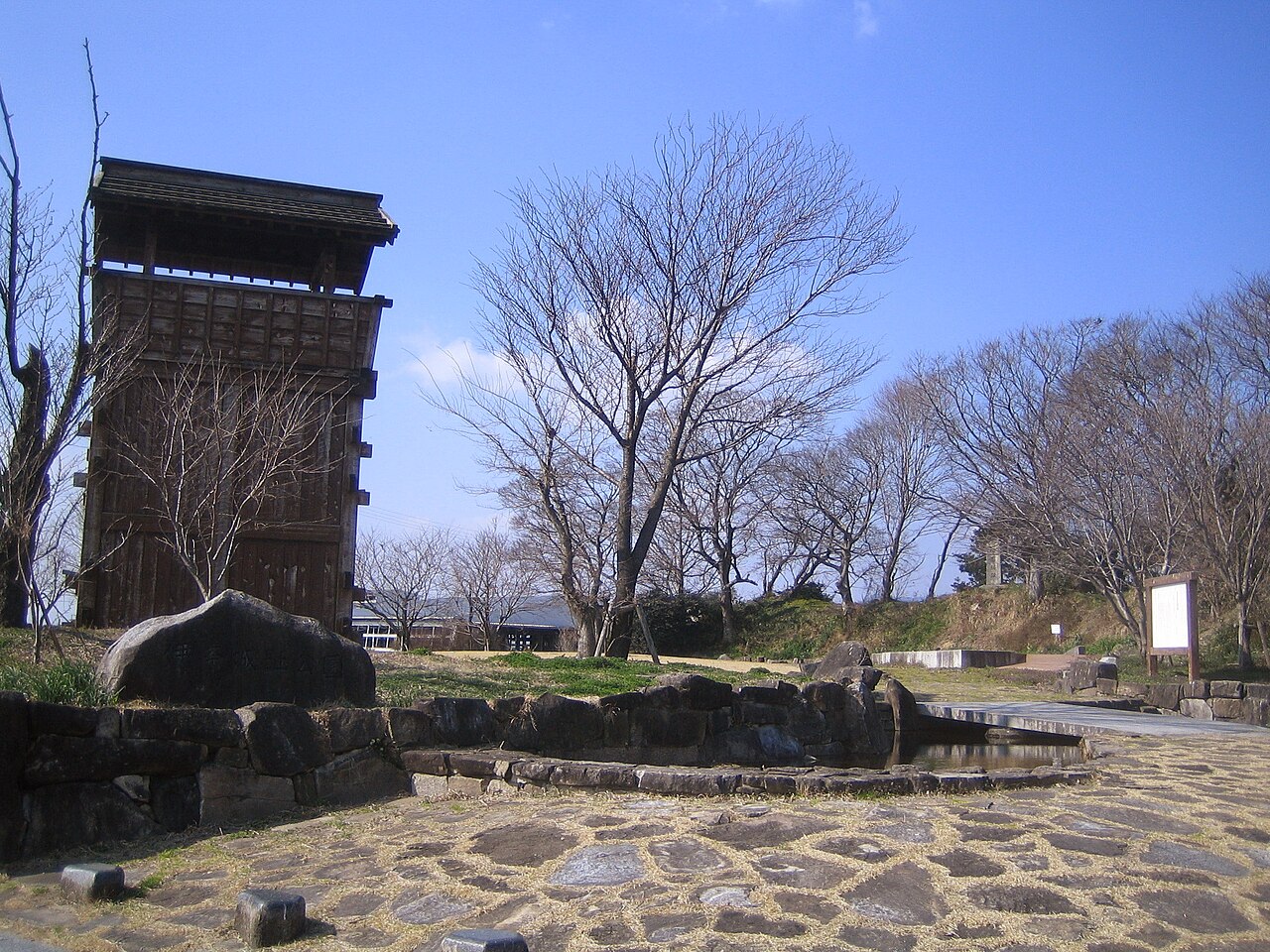
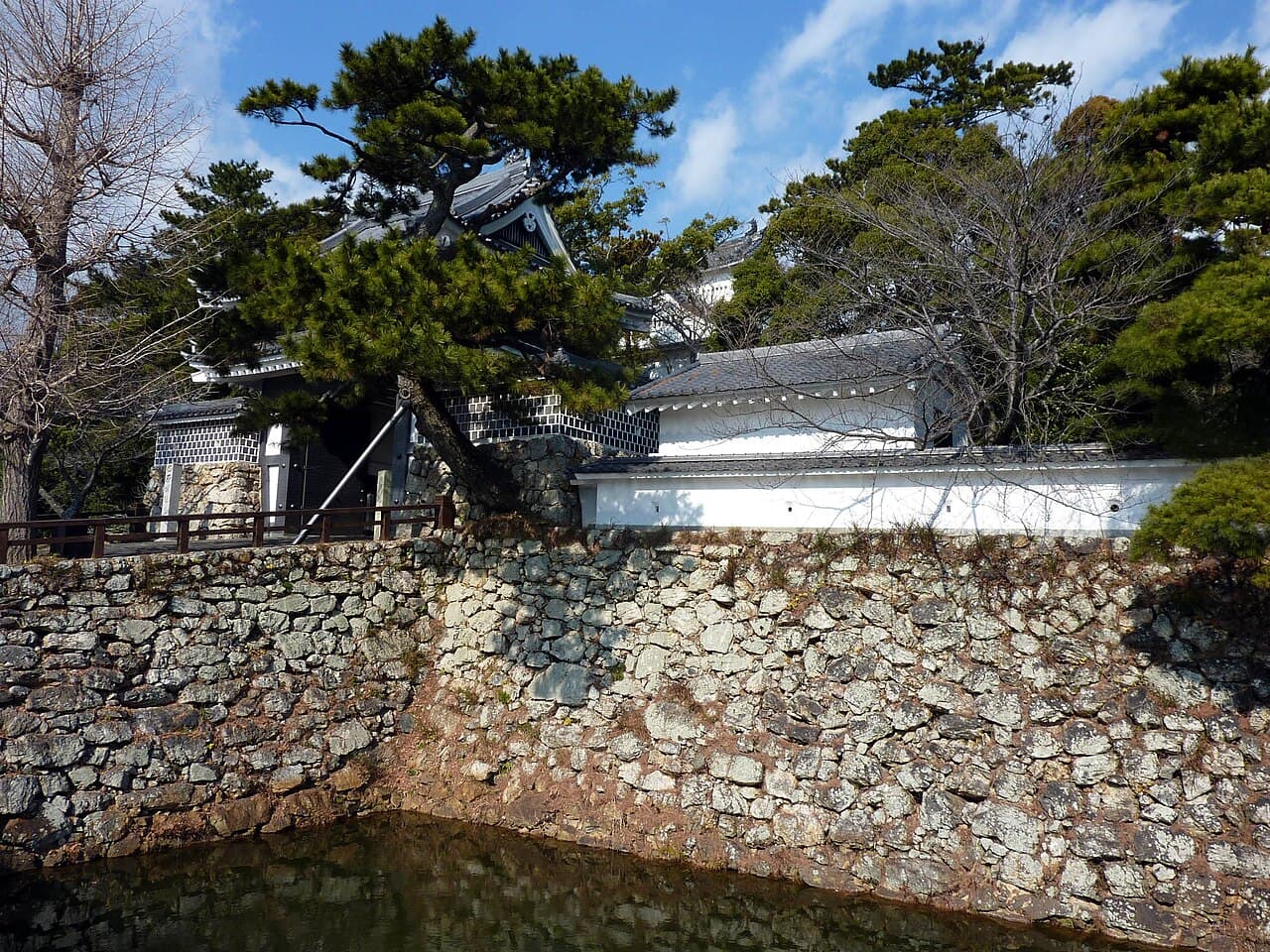
Tahara Castle exemplifies typical hill castle design, utilizing the natural topography to enhance its defensive capabilities. The castle complex was built on elevated terrain, enabling defenders to monitor approaching enemies from a distance. Key architectural elements included stone walls, earthen ramparts, and a series of baileys (courtyards) arranged to create multiple defensive layers.
The castle's main enclosure housed the honmaru (central bailey), where the lord's residence and administrative buildings were located. Surrounding this were the ninomaru and sannomaru (second and third baileys), which contained barracks, storehouses, and other support structures. Defensive features such as moats and gates were integrated into the layout to impede enemy advances.
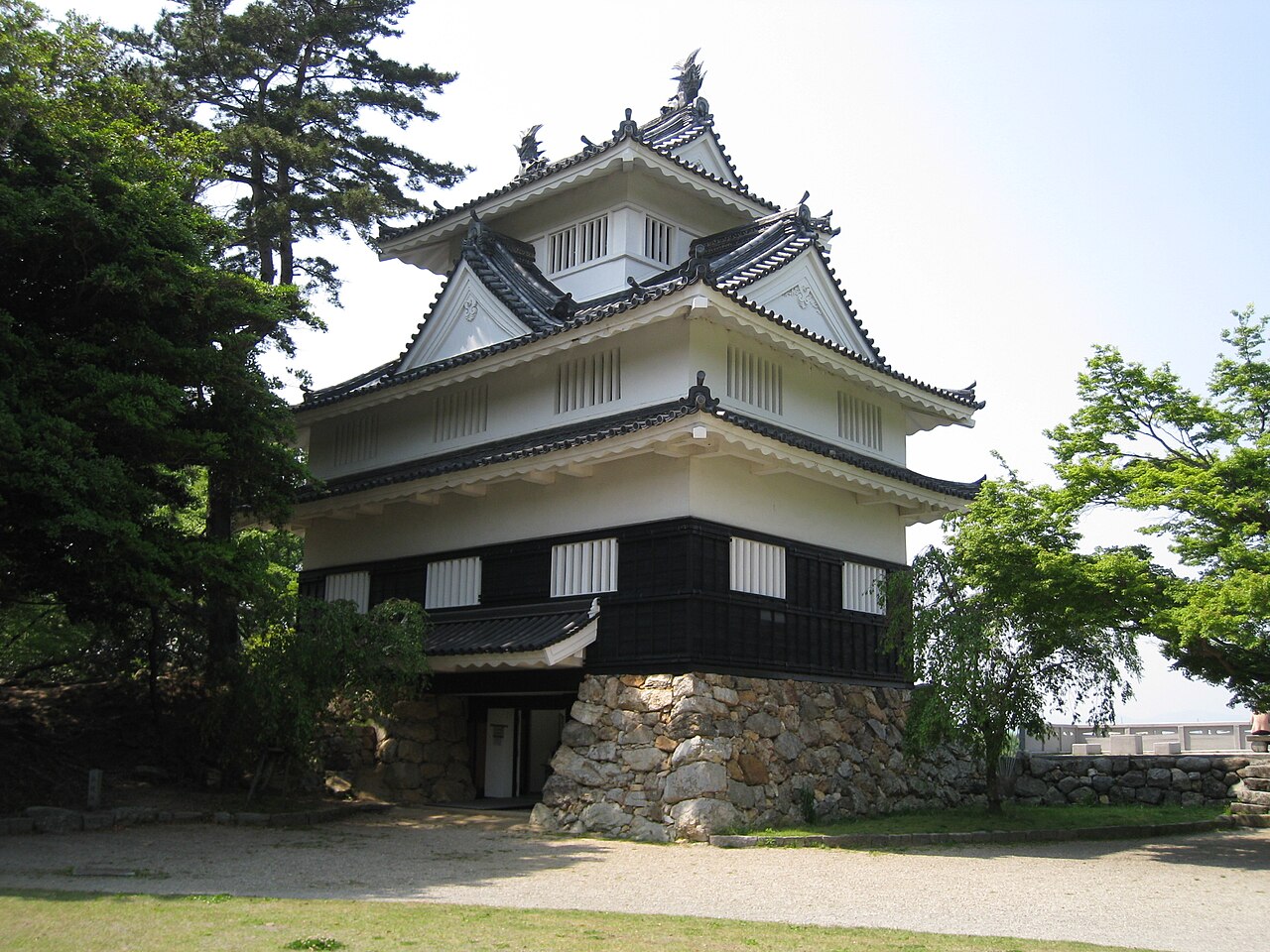
While much of the original castle structures have not survived intact, archaeological remains and reconstructed sections provide insight into the castle's former scale and complexity.
The miyake clan and the edo period
The Miyake clan played a central role in the history of Tahara Castle during the Edo period. As daimyō, they were responsible for managing the domain's affairs, including taxation, law enforcement, and military readiness. The clan's stewardship helped maintain peace and order in the region during a time of relative national stability under the Tokugawa shogunate.
The castle served not only as a military base but also as the political and cultural heart of the domain. It hosted official ceremonies, administrative meetings, and cultural events, reflecting the lifestyle and governance practices of a mid-sized feudal domain in Japan.
Modern status and preservation efforts
Today, Tahara Castle is recognized as an important cultural and historical site within Aichi Prefecture. Although the castle no longer retains all of its original structures, efforts have been made to preserve and reconstruct parts of the castle grounds. These initiatives aim to educate visitors about the castle's historical significance and architectural features.
The site includes a museum that displays artifacts related to the castle's history and the Miyake clan, as well as information about the broader context of Japanese castle architecture and feudal society. The castle grounds are accessible to the public and serve as a venue for cultural events and historical reenactments.
Visiting tahara castle
Visitors to Tahara Castle can explore the castle grounds, including reconstructed sections and archaeological sites. The location offers scenic views of the surrounding landscape, highlighting the strategic advantage of its hilltop position. Informational signage and guided tours provide context about the castle's history and architecture.
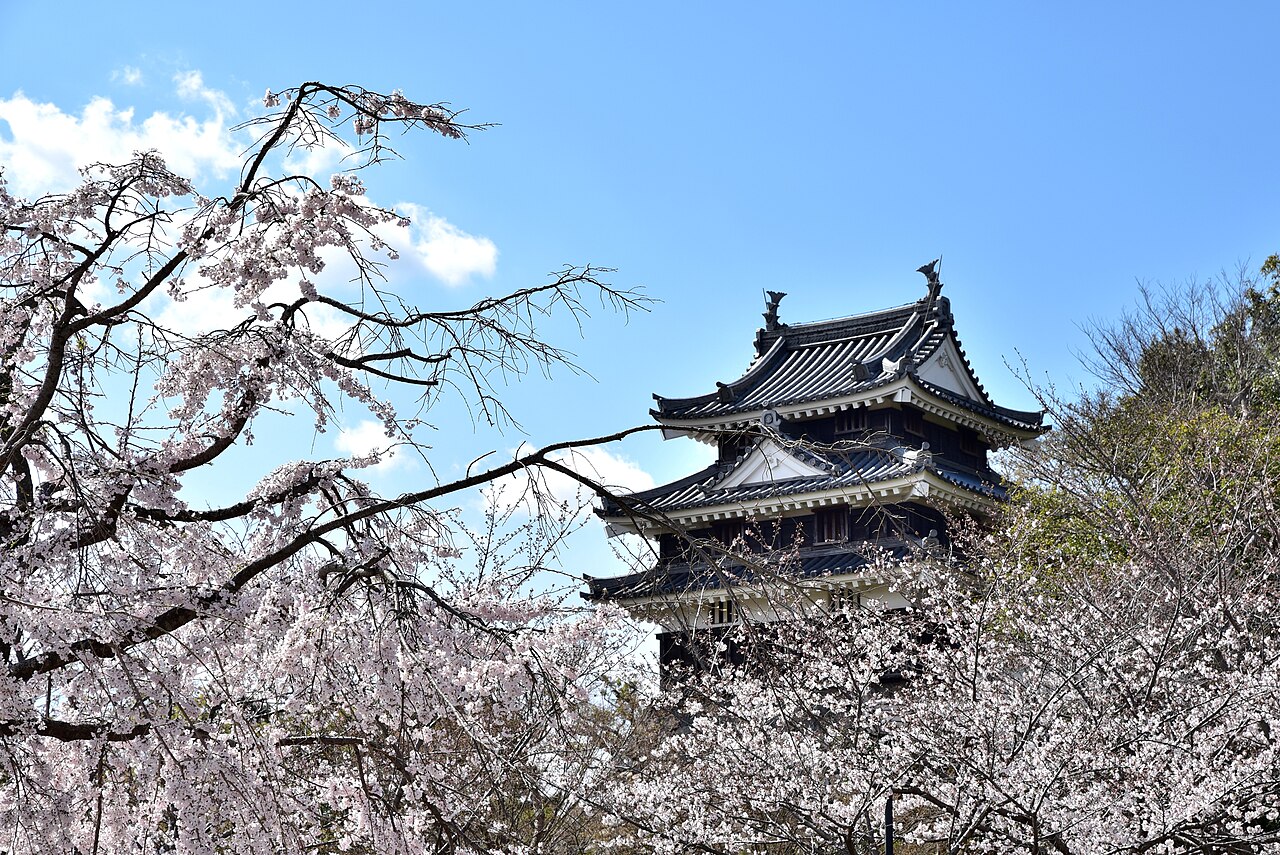
The castle is particularly attractive during the cherry blossom season when the grounds are adorned with blooming sakura trees, creating a picturesque setting that combines natural beauty with historical ambiance.
Frequently asked questions (FAQ)
- What is the historical significance of Tahara Castle?
- Tahara Castle, built in the early 17th century, played a crucial role in the region's defense during the Edo period. It served as a strategic stronghold for the Matsudaira clan and is an important symbol of Japan's feudal history.
- When was Tahara Castle constructed?
- Tahara Castle was constructed in 1611 and completed in 1614. Its design reflects the architectural styles of the time, showcasing the unique characteristics of Japanese castle construction.
- What are the opening hours for Tahara Castle?
- Tahara Castle is open to visitors from 9:00 AM to 5:00 PM daily. It is advisable to check for any seasonal variations in hours before planning your visit.
- Can I access Tahara Castle with public transportation?
- Yes, Tahara Castle is accessible by public transportation. Visitors can take a train to Tahara Station and then a short bus ride or a leisurely walk to the castle.
- Is it possible to take guided tours of Tahara Castle?
- Yes, guided tours are available at Tahara Castle, offering insights into its rich history and architectural features. These tours are highly recommended for a deeper understanding of the castle's significance.
- What is the best time to visit Tahara Castle?
- The best time to visit Tahara Castle is during the cherry blossom season in spring or the vibrant autumn months. These seasons not only enhance the beauty of the castle grounds but also offer a picturesque backdrop for photography.
- Are there any nearby attractions to visit while at Tahara Castle?
- Yes, nearby attractions include the Tahara City Museum and the scenic coastline of Mikawa Bay. These sites complement your visit and provide additional cultural and natural experiences.
- What are the ticket prices for entering Tahara Castle?
- The admission fee for Tahara Castle is very reasonable, typically around 300 yen for adults. Discounts may be available for children and groups, making it an affordable destination for families.
- Is Tahara Castle accessible for visitors with disabilities?
- Tahara Castle strives to be accessible for all visitors, with wheelchair-friendly paths and facilities. However, it is advisable to contact the castle administration in advance to ensure a smooth visit.
Photo gallery

Information
Loading map...
Visitor reviews
No reviews yet. Been here? Write the first review and help other travelers!
Write the first reviewVisited this castle? Share your experience
Your review helps other travelers and adds first-hand knowledge to our encyclopedia.