Ina Castle — Japan castle

Ina Castle

Ina Castle in Toyokawa, Aichi Prefecture, Japan
Toyokawa, Japan
Late Medieval (14th–15th c.)
Ruins

Ina Castle (伊奈城, Inajō) is a historic hill castle located in the Kozakai area of Toyokawa city in Aichi Prefecture, Japan. Constructed in the 15th century during the late medieval period, it represents a significant example of Japanese castle architecture from that era.

Historical background and significance

Built in the 15th century, Ina Castle was established during a time of frequent military conflicts known as the Sengoku period, when many regional lords fortified their domains. The castle's strategic location on a hill provided natural defensive advantages, allowing its occupants to monitor surrounding territories and control important routes in the region.

Ina Castle played a role in the local power struggles typical of the late medieval period in Japan. While not as large or famous as some contemporaneous castles, it contributed to the network of fortifications that helped maintain control over the area within Aichi Prefecture.

Architectural features and layout

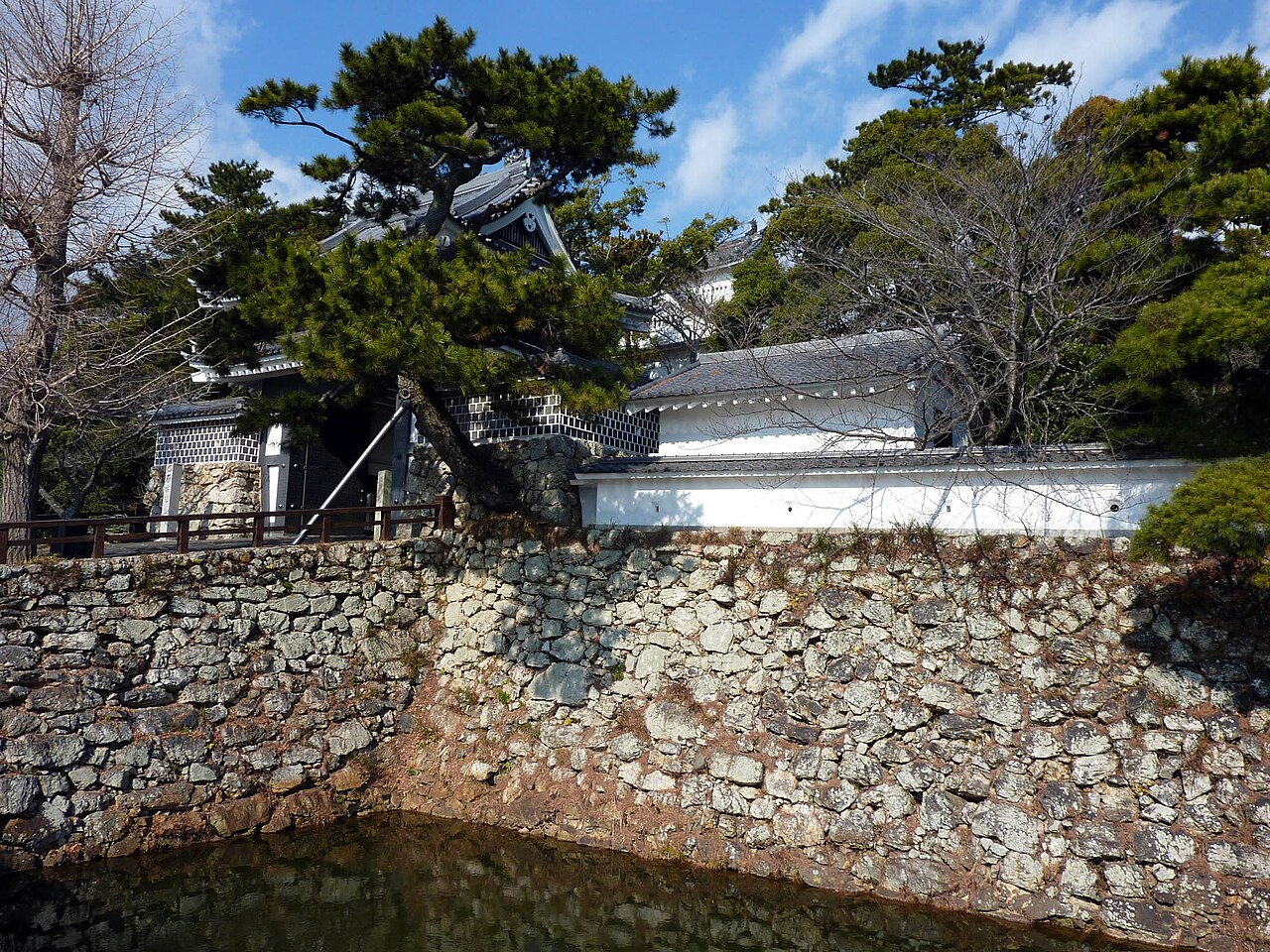
The castle exemplifies typical hill castle design, utilizing the natural topography to enhance defense. Its layout likely included multiple baileys (courtyards) arranged on terraces ascending the hill, connected by gates and walls designed to slow attackers.

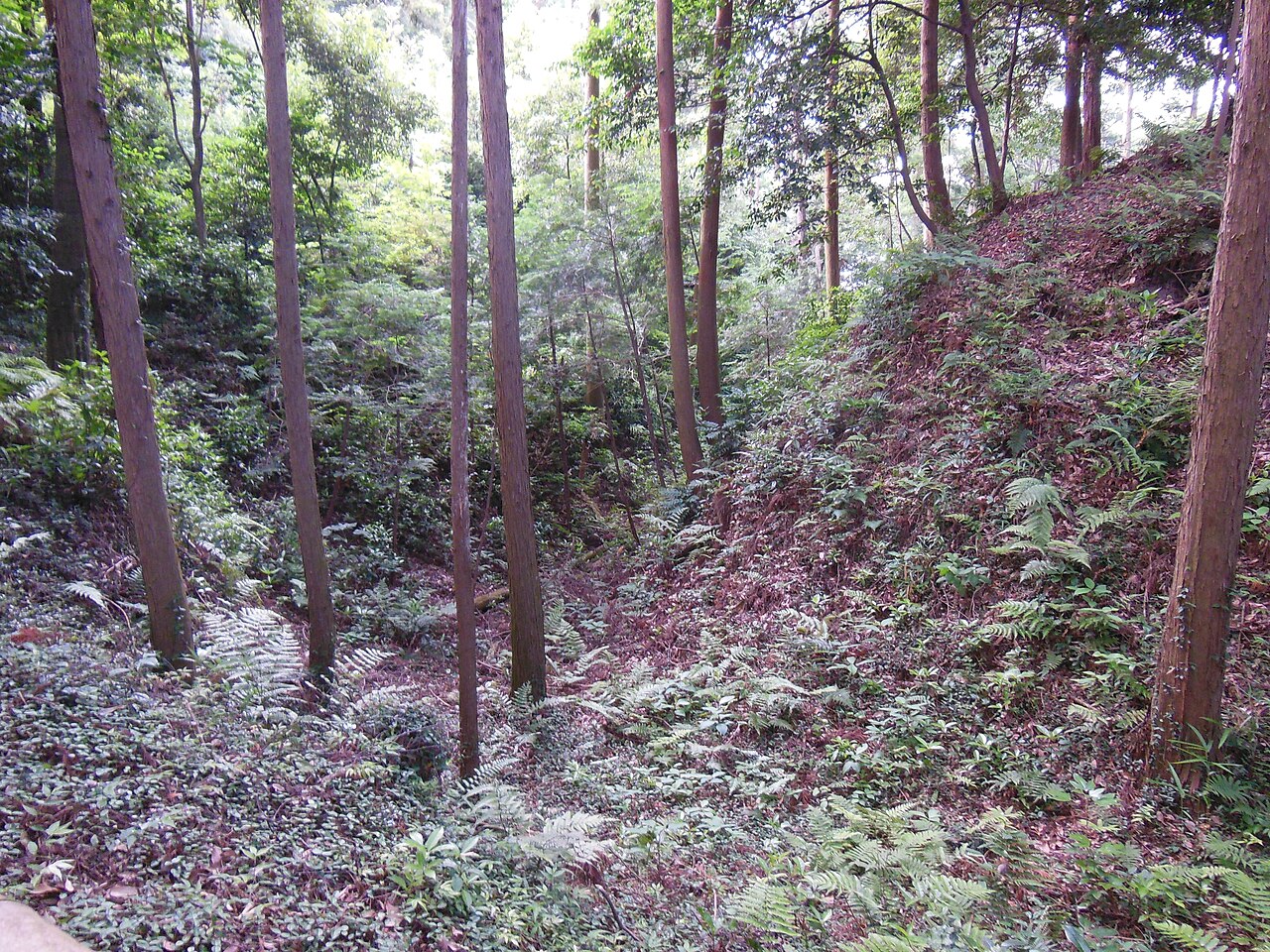
Key architectural elements would have included stone walls and wooden structures such as watchtowers and residential buildings. Defensive features might have also incorporated moats or dry ditches, common in Japanese castles of the period, to impede enemy advances.

Defensive structures

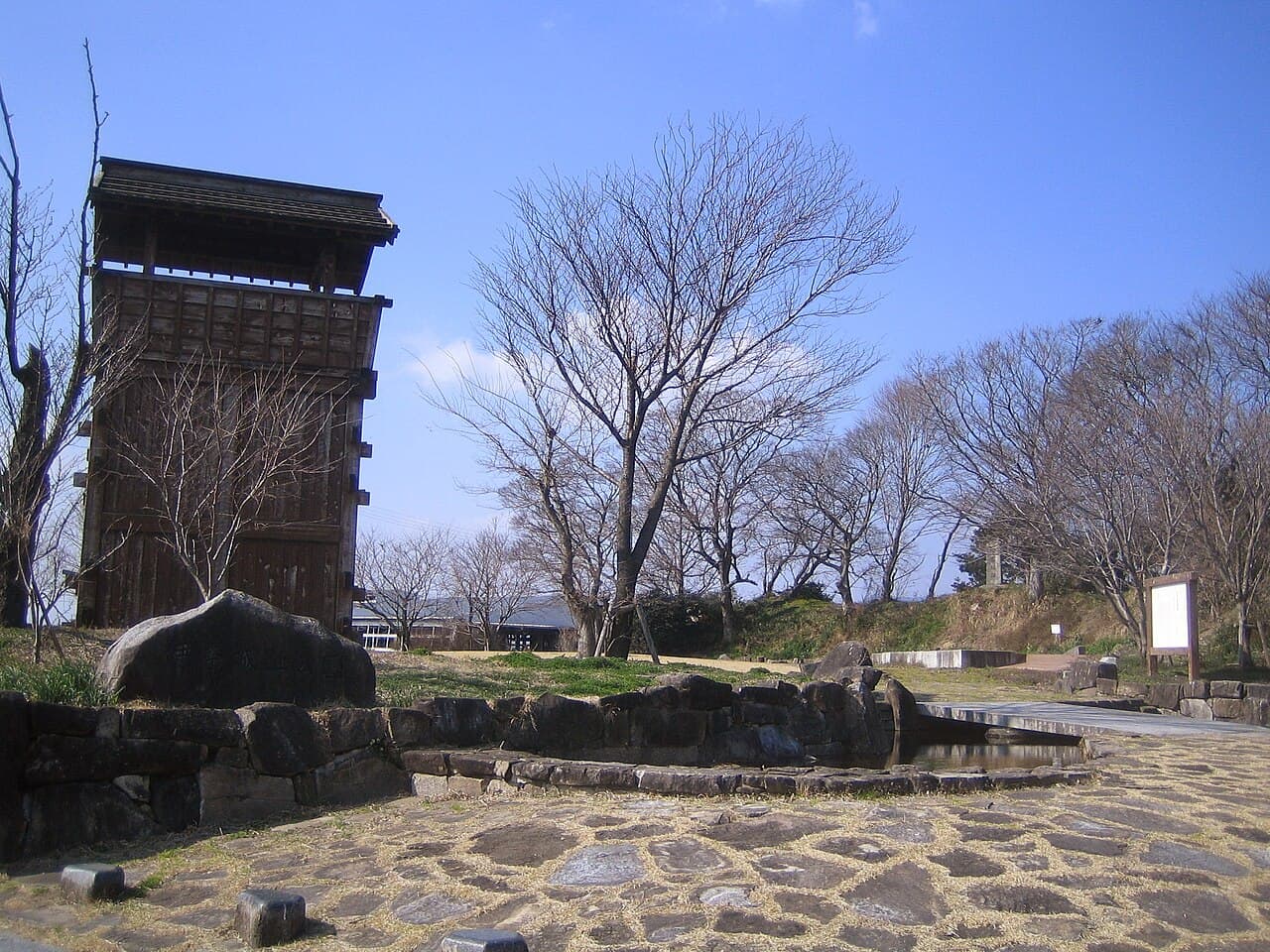
The castle's elevated position allowed for strong natural defenses. The use of earthen ramparts and stone fortifications would have been critical in repelling sieges. Gates were strategically placed to create choke points, and lookout towers provided extensive views of the surrounding landscape.

Current condition and preservation

Today, Ina Castle is classified as ruins. While much of the original wooden architecture has not survived, remnants of stone foundations, walls, and earthworks remain. These ruins offer valuable insights into the castle's original structure and the defensive strategies employed.

The site is accessible to visitors interested in Japanese history and castle architecture. It serves as a cultural heritage location, reflecting the military and architectural practices of the late medieval period.

Visiting Ina Castle

Visitors to the site can explore the castle ruins and enjoy views from the hilltop. The location in Toyokawa city makes it accessible for those touring Aichi Prefecture and interested in historical sites beyond the more famous castles.

Nearby attractions

The region around Ina Castle includes other historical sites and natural attractions, providing a broader context for those interested in Japan's feudal history and landscape.

Frequently asked questions (FAQ)

How do I get to Ina Castle?
Ina Castle is located in Toyokawa, Japan, and can be accessed by public transportation. The nearest train station is Toyokawa Station, from which you can take a bus or taxi to reach the castle grounds.
What is the historical significance of Ina Castle?
Built in the early 17th century, Ina Castle served as a strategic fortification during the Edo period. It played a crucial role in the defense of the region and is an important site for understanding Japanese feudal history.
When was Ina Castle constructed?
Ina Castle was constructed in 1612 and has undergone several renovations since then. The castle has been preserved as a historical site, showcasing the architectural style of its time.
Can I visit Ina Castle during the winter?
Yes, Ina Castle is open to visitors year-round, including the winter months. However, some facilities may have reduced hours or limited access during the colder seasons, so it's advisable to check ahead before your visit.
Why is Ina Castle popular among tourists?
Ina Castle is popular for its stunning architecture, beautiful gardens, and rich history. Visitors can explore the castle grounds, enjoy picturesque views, and learn about the cultural heritage of the area.
Is it possible to tour the inside of Ina Castle?
Yes, visitors can tour certain parts of Ina Castle, including the main keep and surrounding gardens. Guided tours are often available, providing insights into the castle's history and architecture.
What are the opening hours of Ina Castle?
Ina Castle typically opens at 9:00 AM and closes at 5:00 PM, with last entry one hour before closing. Hours may vary on national holidays, so it's best to check the official website for the most current information.
What are the ticket prices for Ina Castle?
Admission to Ina Castle is generally affordable, with tickets priced around 500 yen for adults. Discounts may be available for children and seniors, so be sure to ask at the ticket counter.
What is the best time to visit Ina Castle?
The best time to visit Ina Castle is during the spring and autumn when the weather is mild and the foliage is beautiful. Cherry blossoms in spring and vibrant autumn colors provide a stunning backdrop for your visit.
Are there any nearby attractions to visit?
Yes, there are several attractions near Ina Castle, including the Toyokawa Inari Shrine and the historical Toyokawa City Museum. These sites offer additional insights into the region's culture and history, making for a full day of exploration.

Photo gallery

Ina Castle
Click to view

Photo by Lombroso•Public domain

1 photo • Click any image to view in full screen

Information

Hill Castle

Loading map...

Visitor reviews

No reviews yet. Been here? Write the first review and help other travelers!

Write the first review

Visited this castle? Share your experience

Your review helps other travelers and adds first-hand knowledge to our encyclopedia.
Write a review

(5/5)

0/2000 characters

Your review will be visible after admin approval

Nearby castles

5.9 km
Yoshida Castle — Japan castle

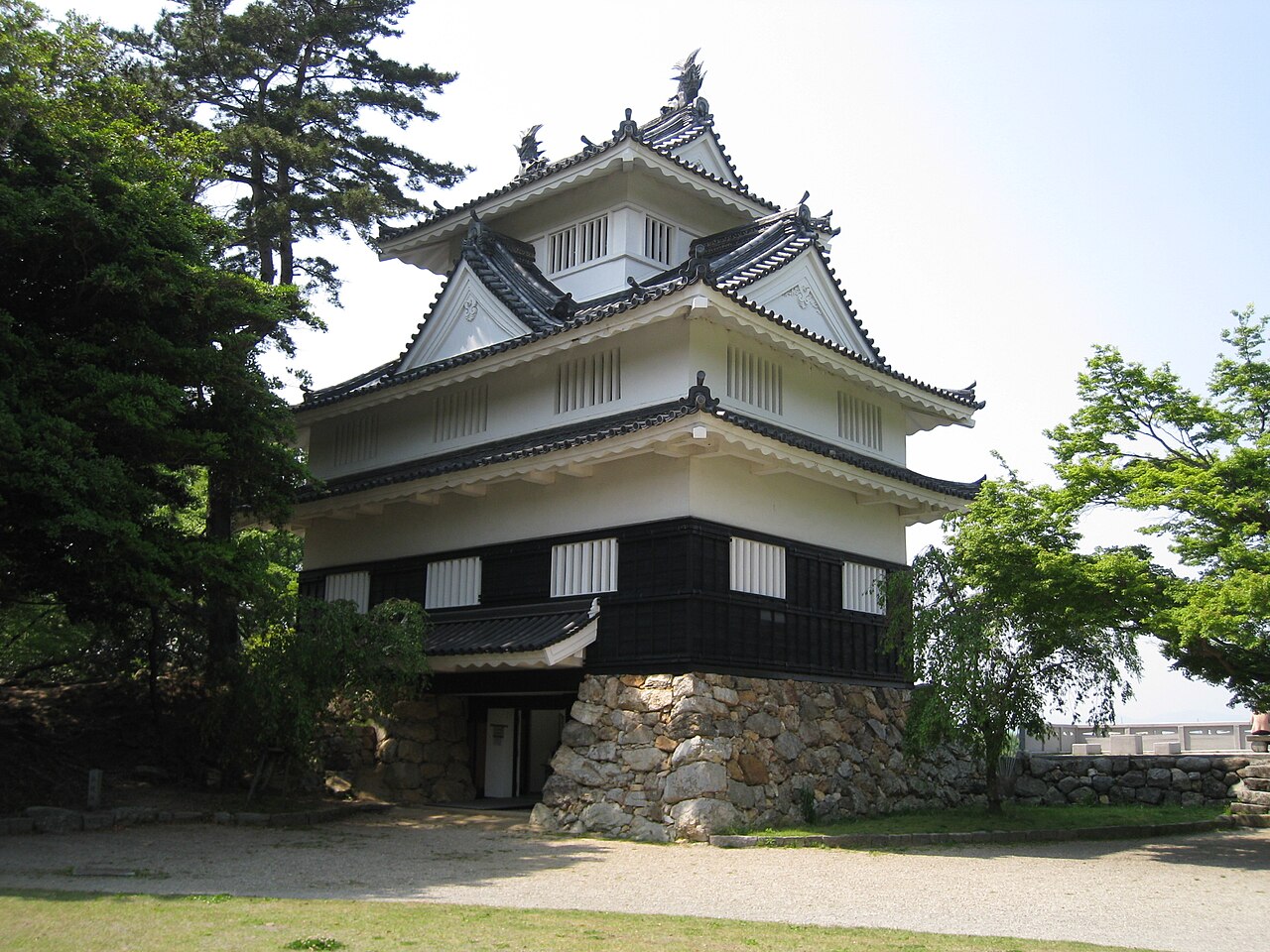
Yoshida Castle

Toyohashi, Japan

Yoshida Castle (吉田城, Yoshida-jō) is a historically significant Japanese hill castle located in Toyohashi, in the southeastern part of Aichi Prefecture, Japan. Constructed in the 16th century during the turbulent Sengoku period, the castle played an important role in regional military and political affairs. It is also known by its alternative names, Imabashi Castle (今橋城, Imabashi-jō) and later as Toyohashi Castle. Historical background and significance The castle was initially built as a strategic fortification to control the eastern part of Mikawa Province. It served as a vital military base for various feudal lords during the Sengoku period, a time marked by constant warfare and shifting alliances. By the Edo period, Yoshida Castle became the seat of the Inaba clan, the daimyō of the Tateyama Domain. The Inaba clan governed the castle and its surrounding lands, overseeing administrative and military functions. Yoshida Castle's location was critical for controlling access to the Pacific coast and the Tōkaidō road, a major route connecting Kyoto and Edo (modern Tokyo). Its position on a hill provided natural defensive advantages and a commanding view of the surrounding area, which was essential for monitoring troop movements and protecting the domain. Architectural features and layout The castle is a classic example of a hill castle (yamajiro), constructed on elevated terrain to maximize defense. The original fortifications included stone walls, moats, and earthen ramparts. The main keep (tenshu) was a multi-storied tower designed for both defense and residence, although it was modest compared to some larger castles of the period. Yoshida Castle's layout featured a central bailey surrounded by several enclosures (kuruwa), each protected by walls and gates. The castle grounds included residential quarters, storehouses, and armories. Defensive structures such as watchtowers and turrets were strategically placed to cover approaches and blind spots. Castle keep and defensive structures The original tenshu was destroyed in the 18th century and was not rebuilt in its original form. Today, the castle grounds include a reconstructed donjon and other buildings that serve as a museum and cultural site. The stone walls and moats remain prominent features, illustrating traditional Japanese castle defensive techniques. Role during the edo period and beyond During the Edo period, Yoshida Castle functioned primarily as the administrative center for the Tateyama Domain. The Inaba clan maintained the castle and its defenses, but the peaceful conditions of the Tokugawa shogunate reduced the need for extensive military readiness. Following the Meiji Restoration, many Japanese castles were dismantled or repurposed, and Yoshida Castle underwent significant changes. Parts of the castle grounds were converted for public use, including parks and government buildings. Some original structures were lost, but efforts to preserve and restore key elements have been ongoing. Modern preservation and cultural importance Today, Yoshida Castle is recognized as an important cultural heritage site in Toyohashi. The castle park is a popular destination for locals and tourists, especially during the cherry blossom season. The reconstructed buildings and remaining stone walls provide insight into Japanese castle architecture and feudal history. The castle hosts various cultural events and exhibitions, contributing to the preservation of regional history and traditional craftsmanship. It stands as a testament to the architectural ingenuity and strategic military planning of Japan's feudal era. Visitor information Visitors can explore the castle grounds, including the reconstructed donjon which houses a museum displaying artifacts and historical exhibits related to the castle and the Inaba clan. The site offers walking paths, scenic views, and educational signage to enhance the visitor experience. Yoshida Castle is accessible from central Toyohashi by public transportation, making it a convenient historical attraction. Guided tours and seasonal events provide deeper engagement with the castle's history and cultural significance.

Renaissance (15th–17th c.)
Details
15 km
Tahara Castle — Japan castle

Tahara Castle

Tahara, Japan

Tahara Castle (田原城, Tahara-jō) is a historic hill castle situated in Tahara city, located in the southern part of Aichi Prefecture, Japan. Constructed in the 15th century during the late medieval period, the castle played a significant role in regional defense and governance. It was notably the residence of the Miyake clan, who were the daimyō of the 12,000 koku Tahara Domain at the end of the Edo period. Historical background and significance The origins of Tahara Castle trace back to the turbulent Sengoku period, a time marked by frequent military conflicts and shifting alliances among feudal lords across Japan. The castle's strategic location on a hill provided a natural advantage for surveillance and defense against rival factions. Throughout its history, Tahara Castle was a focal point for the control of the surrounding region, serving as a military stronghold and administrative center. During the Edo period (1603–1868), the castle became the seat of the Miyake clan. The Miyake were a samurai family granted control over the Tahara Domain, which was assessed at 12,000 koku—a measure of the domain's rice production and economic value. Their governance contributed to the stability and development of the area under the Tokugawa shogunate's rule. Architectural features and layout Tahara Castle exemplifies typical hill castle design, utilizing the natural topography to enhance its defensive capabilities. The castle complex was built on elevated terrain, enabling defenders to monitor approaching enemies from a distance. Key architectural elements included stone walls, earthen ramparts, and a series of baileys (courtyards) arranged to create multiple defensive layers. The castle's main enclosure housed the honmaru (central bailey), where the lord's residence and administrative buildings were located. Surrounding this were the ninomaru and sannomaru (second and third baileys), which contained barracks, storehouses, and other support structures. Defensive features such as moats and gates were integrated into the layout to impede enemy advances. While much of the original castle structures have not survived intact, archaeological remains and reconstructed sections provide insight into the castle's former scale and complexity. The miyake clan and the edo period The Miyake clan played a central role in the history of Tahara Castle during the Edo period. As daimyō, they were responsible for managing the domain's affairs, including taxation, law enforcement, and military readiness. The clan's stewardship helped maintain peace and order in the region during a time of relative national stability under the Tokugawa shogunate. The castle served not only as a military base but also as the political and cultural heart of the domain. It hosted official ceremonies, administrative meetings, and cultural events, reflecting the lifestyle and governance practices of a mid-sized feudal domain in Japan. Modern status and preservation efforts Today, Tahara Castle is recognized as an important cultural and historical site within Aichi Prefecture. Although the castle no longer retains all of its original structures, efforts have been made to preserve and reconstruct parts of the castle grounds. These initiatives aim to educate visitors about the castle's historical significance and architectural features. The site includes a museum that displays artifacts related to the castle's history and the Miyake clan, as well as information about the broader context of Japanese castle architecture and feudal society. The castle grounds are accessible to the public and serve as a venue for cultural events and historical reenactments. Visiting tahara castle Visitors to Tahara Castle can explore the castle grounds, including reconstructed sections and archaeological sites. The location offers scenic views of the surrounding landscape, highlighting the strategic advantage of its hilltop position. Informational signage and guided tours provide context about the castle's history and architecture. The castle is particularly attractive during the cherry blossom season when the grounds are adorned with blooming sakura trees, creating a picturesque setting that combines natural beauty with historical ambiance.

Late Medieval (14th–15th c.)
Details
15.6 km
Noda Castle — Japan castle

Noda Castle

Shinshiro, Japan

Noda Castle (野田城, Noda-jō) was a significant Sengoku period hill castle located in eastern Mikawa Province, in the area now part of Shinshiro city, Aichi Prefecture, Japan. Constructed in the 16th century, it played a strategic role during the turbulent era of feudal conflict known as the Sengoku period, a time marked by frequent battles among regional warlords vying for power. Historical context and significance During the Sengoku period, Japan was fragmented into numerous domains controlled by powerful samurai clans. Noda Castle was constructed as a defensive stronghold to protect the eastern approaches of Mikawa Province, a region of strategic importance due to its location between the powerful Oda and Tokugawa clans. The castle's position on a hill provided a commanding view of the surrounding terrain, allowing its occupants to monitor enemy movements and prepare for potential sieges. The castle was involved in several military engagements, reflecting the volatile nature of the period. It notably faced attacks during the conflicts between the Imagawa clan and the rising Tokugawa clan, who sought to consolidate control over Mikawa and neighboring provinces. These clashes underscored the castle's role as a frontline defense in the power struggles that ultimately led to the unification of Japan under Tokugawa Ieyasu. Architectural features and layout Noda Castle exemplified typical hill castle design of the Sengoku era, integrating the natural topography into its defensive structures. The castle's layout included multiple baileys (courtyards) arranged on terraced levels ascending the hill, connected by narrow paths and fortified gates. These baileys were surrounded by earthen walls and moats, enhancing the castle's defensive capabilities against attackers. The main enclosure housed the honmaru, or central keep area, which contained the lord's residence and command facilities. Although no large stone donjon (keep) was typical for many hill castles of this period, wooden structures were common, often rebuilt or expanded as needed. Defensive features such as watchtowers, arrow slits, and stone bases supported the castle's ability to withstand sieges. Use of natural terrain The castle's builders skillfully utilized the steep slopes and ridges of the hill to create natural barriers, reducing the need for extensive artificial fortifications. Steep cliffs and dense forests around the site further hindered enemy advances, making direct assaults costly and difficult. This strategic use of terrain was a hallmark of many Sengoku period hill castles, reflecting an understanding of both military tactics and local geography. Decline and current condition Following the establishment of the Tokugawa shogunate in the early 17th century, many regional castles like Noda Castle lost their military importance. The castle was eventually abandoned and fell into ruin as Japan entered the relatively peaceful Edo period. Today, the site of Noda Castle remains as archaeological ruins, with remnants of earthworks and foundation stones visible to visitors. Efforts have been made to preserve the site as a cultural heritage location, providing insight into the castle architecture and feudal history of the Sengoku period. Interpretive signs and walking trails allow visitors to explore the terrain and imagine the castle's former strategic significance. Visiting Noda Castle The ruins of Noda Castle are accessible to the public and offer a glimpse into Japan's feudal past. Visitors can hike the hillside paths to view the layout of the former castle grounds and enjoy panoramic views of the surrounding landscape. The site is particularly attractive to those interested in Japanese castle architecture, military history, and the Sengoku era. Nearby, the city of Shinshiro provides amenities and additional historical sites, making it a worthwhile destination for cultural tourism. Frequently asked questions about Noda Castle When was Noda Castle built? Noda Castle was constructed in the 16th century during the Sengoku period, a time of intense feudal warfare in Japan. What type of castle is Noda Castle? It is classified as a hill castle, built on elevated terrain to maximize natural defenses. Can visitors explore the ruins of Noda Castle? Yes, the site is open to the public, with walking trails and informational signage to guide visitors around the remains. What was the strategic importance of Noda Castle? The castle guarded eastern Mikawa Province and played a role in conflicts between powerful samurai clans such as the Imagawa and Tokugawa. Is there a large keep or donjon at Noda Castle? No large stone keep survives or was typical; the castle mainly featured wooden structures integrated into its hilltop defenses. What is the current condition of Noda Castle? The castle exists as archaeological ruins with visible earthworks and foundation stones preserved for historical study. How do I get to Noda Castle? Noda Castle is located in Shinshiro, Aichi Prefecture, accessible by local transport and hiking routes.

Renaissance (15th–17th c.)
Details