Cawood Castle
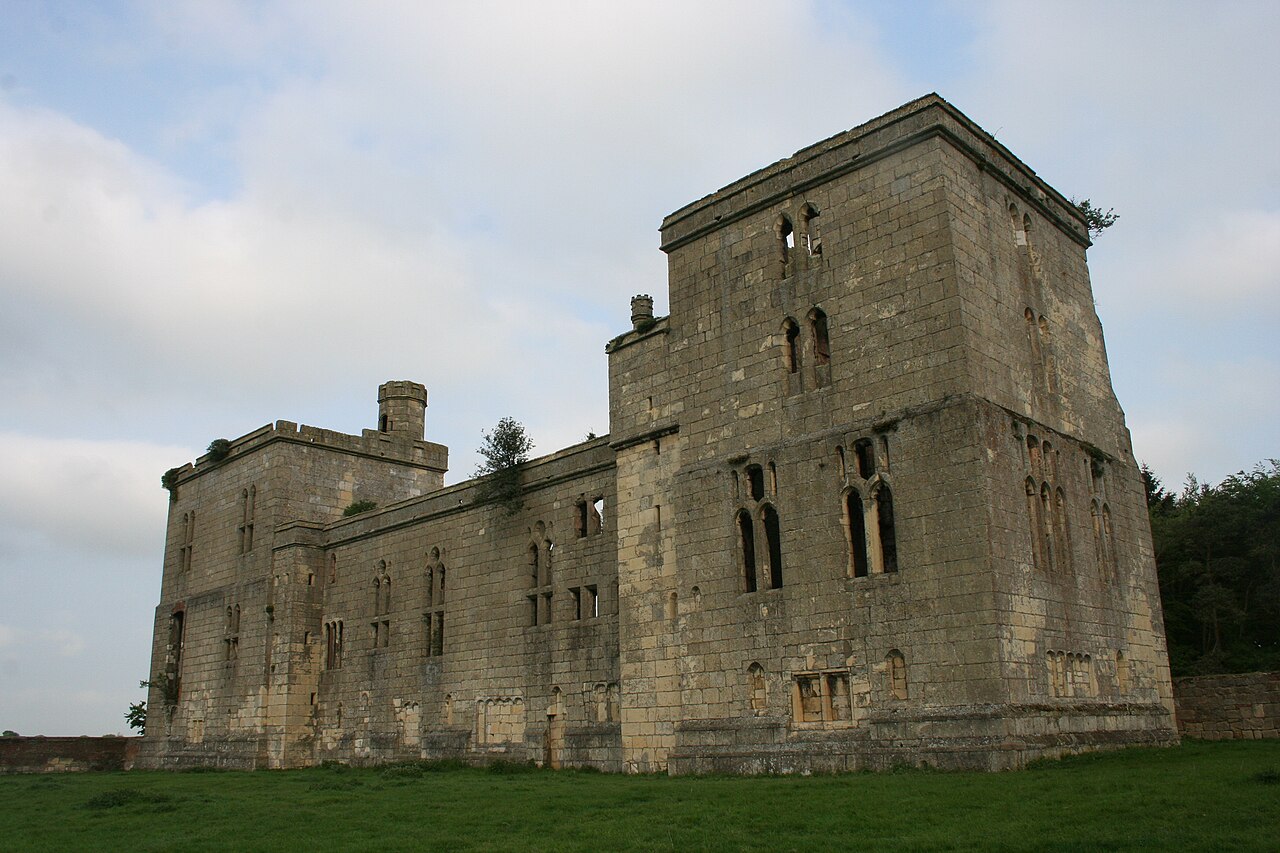
Cawood Castle is a significant historical site located in the village of Cawood, North Yorkshire, England. This grade I listed building represents the remains of a fortified medieval palace that served as a residence for the Archbishops of York. The castle's origins date back to the 14th century, with most surviving structures from the 15th century. It stands as an important example of a late medieval hill castle that combined residential comfort with defensive features.
Historical background and significance
The castle was originally established as a fortified residence for the powerful Archbishops of York, who were influential both politically and ecclesiastically during the medieval period. Its strategic location in North Yorkshire allowed the archbishops to exert control and maintain security over their extensive lands. The castle was not only a defensive stronghold but also a symbol of the archbishops' temporal power and wealth.
Throughout the late medieval period, Cawood Castle underwent various enhancements, reflecting the changing needs and tastes of its occupants. It played a role in regional politics and was occasionally involved in conflicts, including the turbulent times leading up to and during the English Civil War.
Architectural features and layout
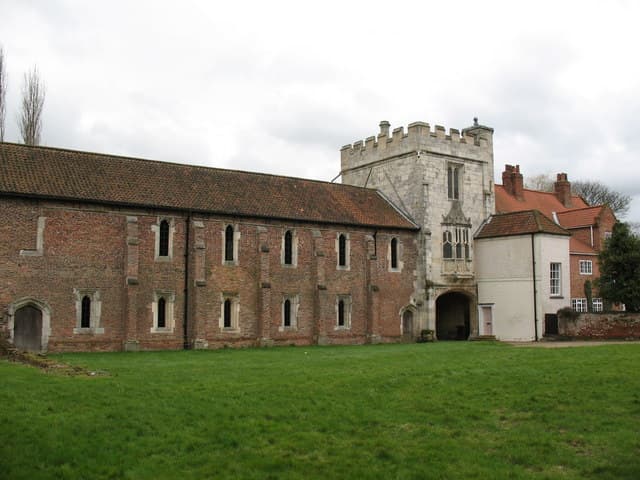
The castle was originally built as a hill castle, utilizing its elevated position for defense. The surviving remains include parts of the gatehouse, curtain walls, and sections of the residential quarters. The gatehouse was a prominent defensive feature, designed to control access and provide protection against attackers.
The castle's design reflects a combination of military and domestic architecture. The fortified walls and towers provided security, while the internal chambers and halls were arranged to accommodate the archbishops and their retinue comfortably. The castle complex included a great hall, private chambers, chapels, and service buildings.
Defensive structures
The castle's defenses included thick stone walls and a moat that surrounded parts of the site, enhancing its protection. The gatehouse was equipped with defensive mechanisms such as portcullises and arrow slits. The elevated position of the castle on a hill offered a commanding view of the surrounding landscape, enabling early warning of approaching threats.
Residential and ceremonial spaces
Inside the castle, the residential quarters were designed to provide comfort and status. The great hall served as the main gathering and ceremonial space, hosting feasts, meetings, and official functions. The private chambers were arranged to offer privacy and convenience for the archbishops and their guests.
Impact of the English Civil War and later history
Cawood Castle suffered significant damage during and after the English Civil War in the mid-17th century. Following the conflict, the castle was largely dismantled, and much of its stone was repurposed for other buildings in the region. This dismantling marked the end of its use as a fortified residence.
Despite the partial destruction, the remaining structures have been preserved as an important historical monument. The site provides valuable insights into medieval castle construction, ecclesiastical power, and regional history.
Preservation and current status
Today, Cawood Castle is recognized as a grade I listed building, highlighting its national importance and architectural interest. The castle is in a partially preserved state, with significant ruins accessible to the public. Conservation efforts have focused on stabilizing the surviving walls and gatehouse to prevent further decay.
The castle remains a point of interest for historians, archaeologists, and visitors interested in medieval architecture and the history of the Church of England. Its location in North Yorkshire makes it accessible for tourism and educational visits.
Visiting information and accessibility
Visitors to Cawood Castle can explore the ruins and appreciate the medieval architecture and historical context. While the site does not have extensive visitor facilities, it offers a glimpse into the life and times of the medieval archbishops and their fortified residence. The castle's setting in the village of Cawood provides a charming backdrop for visitors.
Access to the site is generally open during daylight hours, though specific opening times and ticketing information may vary. It is advisable to check local sources or visitor centers for the latest details before planning a visit.
Frequently asked questions (FAQ)
- How do I get to Cawood Castle?
- Cawood Castle is located just south of York in the United Kingdom. You can reach it by car, with parking options available nearby, or by taking public transport to Cawood Village and walking a short distance to the castle.
- What is the historical significance of Cawood Castle?
- Cawood Castle has a rich history dating back to the 12th century and served as a residence for the Archbishops of York. It played a vital role in the political and religious life of England during the medieval period.
- When was Cawood Castle built?
- Cawood Castle was originally constructed in the early 12th century, with significant additions and renovations made over the centuries. Its architecture reflects the defensive needs of the time as well as the evolving styles of later periods.
- Can I visit Cawood Castle year-round?
- Cawood Castle is generally open to visitors from spring through autumn, with specific opening hours that may vary. It is advisable to check the official website for the most current information on visiting times.
- Why is Cawood Castle popular among tourists?
- Cawood Castle is popular due to its fascinating history, impressive architecture, and beautiful surroundings. Visitors enjoy exploring the ruins and learning about the castle's role in English history.
- Is it possible to access the castle grounds with a disability?
- While Cawood Castle's grounds may present some challenges for those with mobility issues, efforts have been made to improve accessibility. It is recommended to contact the site in advance to inquire about specific accommodations.
- What are the ticket prices for Cawood Castle?
- Entry to Cawood Castle is typically free, but special events and guided tours may come with a fee. Always check the official website or local visitor information for the latest pricing and potential discounts.
- What is the best time to visit Cawood Castle?
- The best time to visit Cawood Castle is during the late spring and early autumn when the weather is mild and the gardens are in full bloom. This period also sees fewer crowds, allowing for a more enjoyable experience.
- Are there nearby attractions to Cawood Castle?
- Yes, there are several nearby attractions, including the historic city of York, the scenic village of Cawood, and the beautiful River Ouse. These sites offer a variety of activities and experiences for visitors of all ages.
Photo gallery

Information
Loading map...
Visitor reviews
No reviews yet. Been here? Write the first review and help other travelers!
Write the first reviewVisited this castle? Share your experience
Your review helps other travelers and adds first-hand knowledge to our encyclopedia.