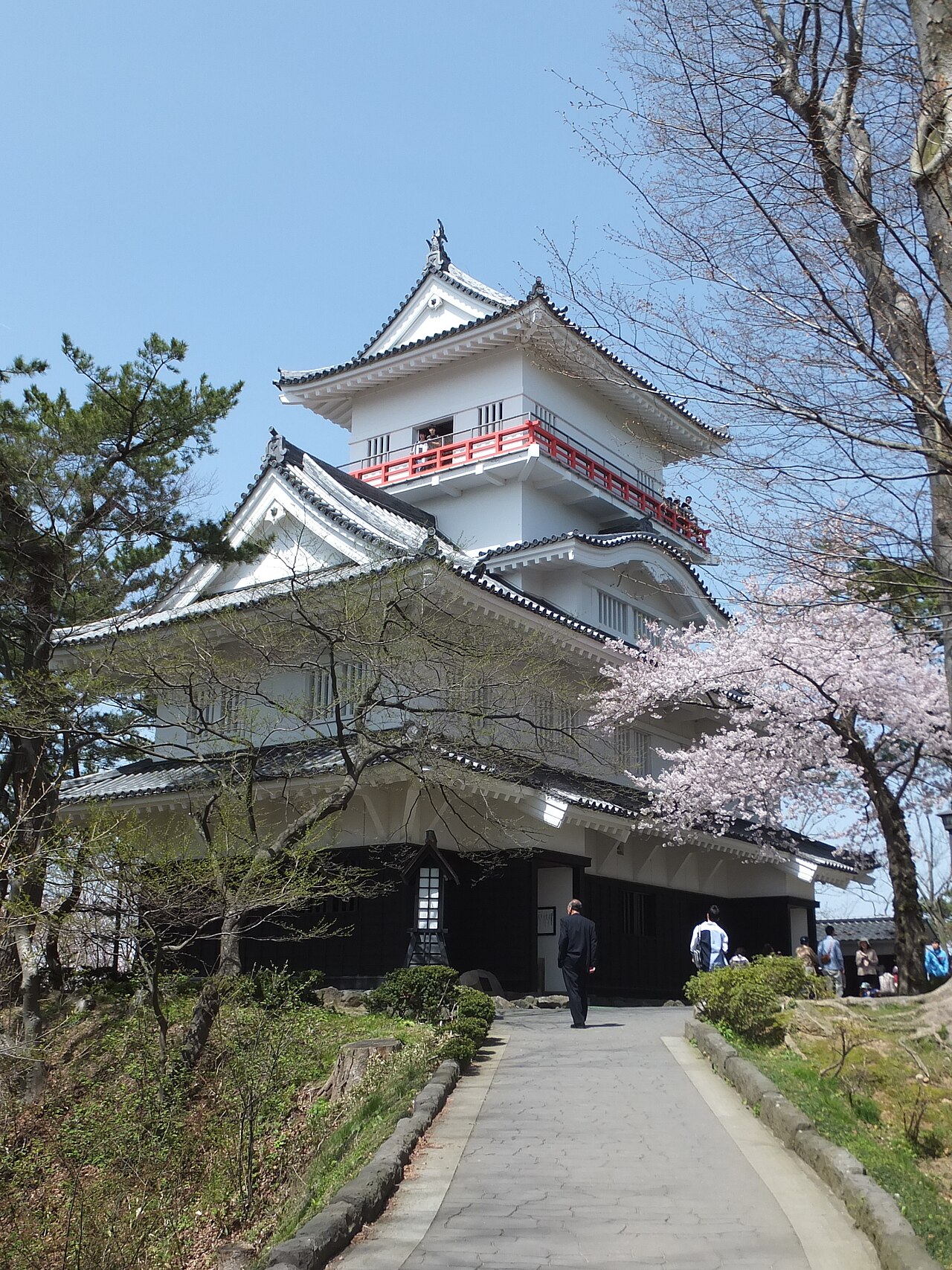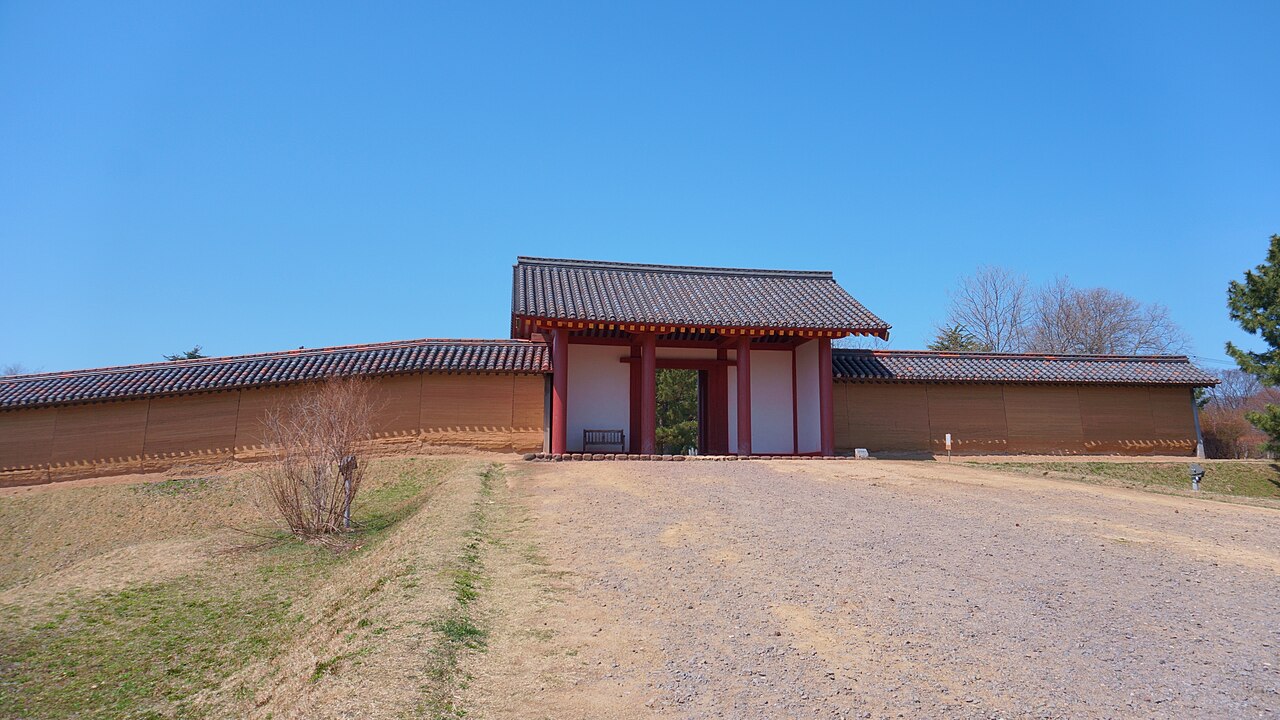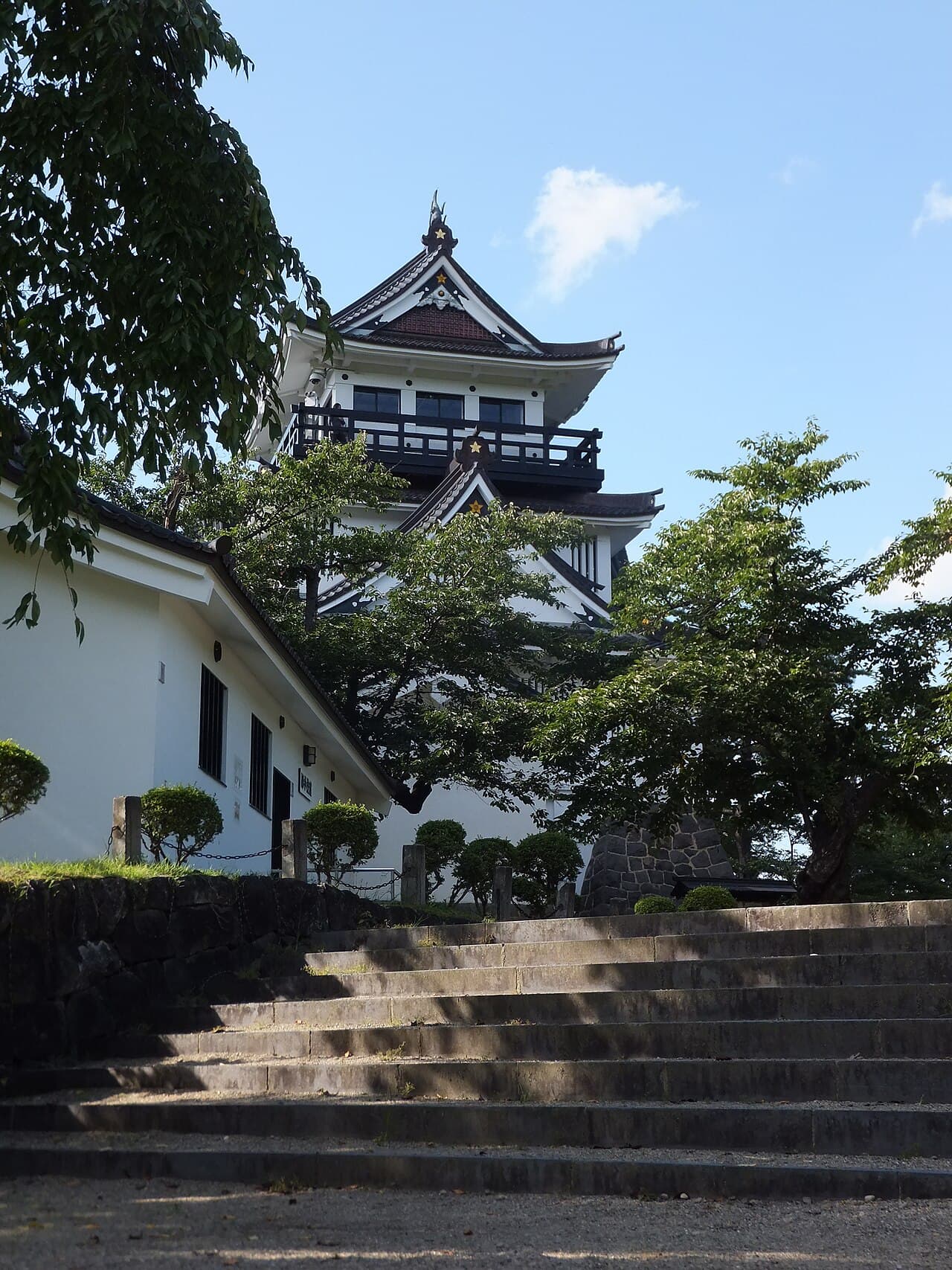
Yokote Castle — Japan castle

Yokote Castle

Yokote Castle: historic hill castle of Akita prefecture
Late Medieval (14th–15th c.)
Ruins

Yokote Castle is a historic hill castle located in Akita prefecture, Japan. It was constructed in 1550 by the Onodera clan, a prominent samurai family during the Sengoku period. The castle's origins likely trace back to earlier fortifications on the site, indicating its strategic importance in the region well before the mid-16th century.

Construction and architectural layout

The castle was relatively modest in scale compared to larger Japanese castles of the era. Its main structural components consisted of the main enclosure (honmaru) and a secondary enclosure known as the ninomaru. These enclosures were typical defensive features, with the honmaru serving as the central stronghold where the lord's residence and key facilities were located. The ninomaru functioned as an additional layer of defense and space for retainers and support functions.

Yokote Castle was built on a hill, which provided a natural advantage for defense and surveillance over the surrounding landscape. The use of the hill's elevation was a common strategic choice in Japanese castle construction during the Sengoku period, facilitating control over important routes and territories.

Historical significance and the onodera clan

The Onodera clan, who built Yokote Castle, were influential in the Akita region during the turbulent Sengoku period. Their control over the castle symbolized their power and influence. The castle played a role in regional conflicts and power struggles typical of the era.

Despite its modest size, Yokote Castle's fortifications were functional and reflected the military architecture of its time. The castle's location and design allowed it to serve as a local administrative center and military base.

Destruction during the boshin war

Yokote Castle was destroyed during the Boshin War (1868-1869), a civil war in Japan that led to the overthrow of the Tokugawa shogunate and the restoration of imperial rule. The castle was burned down during the conflict, which marked the end of its active military use.

Following its destruction, the site of Yokote Castle became a historical landmark. Although the original structures no longer stand, the castle's ruins and the surrounding area remain significant for understanding the region's feudal history and the architectural style of hill castles in Japan.

Legacy and current status

Today, Yokote Castle is recognized for its historical importance rather than its physical preservation. The site offers insights into the defensive strategies employed by regional lords during the 16th century. Visitors to the area can explore the remains of the castle's earthworks and foundations, which highlight the typical layout of a modest hill castle from the Sengoku period.

The castle's history is commemorated through local museums and cultural events that celebrate the heritage of the Onodera clan and the broader history of Akita prefecture during the feudal era.

Frequently asked questions (FAQ)

When was Yokote Castle built and by whom?
Yokote Castle was built in 1550 by the Onodera clan during Japan's Sengoku period, reflecting the era's feudal conflicts.
What type of castle is Yokote Castle?
Yokote Castle is a hill castle, constructed on elevated terrain to provide strategic defensive advantages.
What happened to Yokote Castle during the Boshin War?
The castle was burnt down during the Boshin War (1868-1869), marking the end of its military use.
Can visitors see the original structures of Yokote Castle today?
No, Yokote Castle is now in ruins. Visitors can explore the remaining earthworks and foundations at the site.
Where is Yokote Castle located?
Yokote Castle is located in Akita prefecture, Japan, though the exact city location is not specified.

Photo gallery

Yokote Castle
Click to view

Photo by 掬茶•CC BY-SA 3.0

1 photo • Click any image to view in full screen

Information

Hill Castle

Loading map...

Visitor reviews

No reviews yet. Been here? Write the first review and help other travelers!

Write the first review

Visited this castle? Share your experience

Your review helps other travelers and adds first-hand knowledge to our encyclopedia.
Write a review

(5/5)

0/2000 characters

Your review will be visible after admin approval

Nearby castles

31.6 km
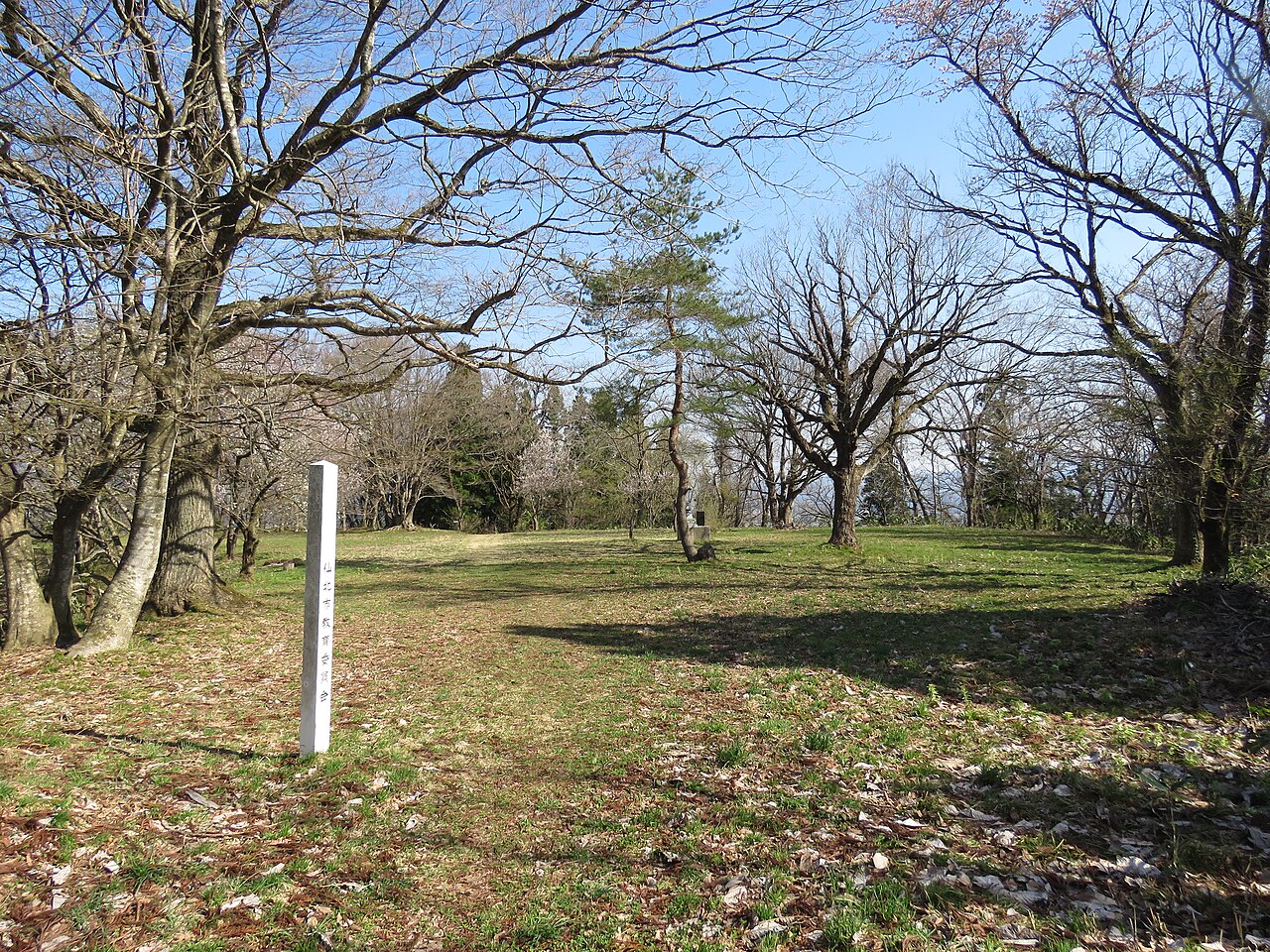
Kakunodate Castle — Japan castle

Kakunodate Castle

Kakunodate, Japan

Kakunodate Castle (角館城, Kakunodate-jō), also known as Asakura Castle and Ryugasaki Castle, was a significant hilltop castle (yamashiro) located on Mount Furushiro in Kakunodate, within Akita Prefecture, Japan. The castle's origins are linked to the late 16th century, specifically around 1590, when Moriyasu Tozawa, a prominent samurai lord, was granted control of the area. However, historical evidence suggests the fortress may have been constructed even prior to Tozawa's tenure, indicating its strategic importance in the region during the Sengoku period. Strategic location and architectural features Perched atop Mount Furushiro, Kakunodate Castle exemplified typical yamashiro characteristics, utilizing the natural elevation for defense. The castle's design incorporated multiple stone walls and earthen ramparts, which protected the main enclosure and surrounding baileys. The steep slopes of the mountaintop served as natural barriers against attackers, while the castle's layout included watchtowers and gates strategically positioned to monitor and control access routes. Defensive structures and layout The castle's defensive system featured a combination of moats carved into the hillside and wooden palisades complementing the stone fortifications. The main keep or donjon was likely modest in scale, reflecting the architectural norms of the period and the castle's role as a regional stronghold rather than a grandiose residence. The complex included several courtyards and residential quarters for the ruling family and retainers, arranged to maximize defensibility and efficient communication within the castle grounds. Historical context and significance Kakunodate Castle played a role during the turbulent Sengoku period, a time marked by frequent conflicts among feudal lords vying for power in Japan. The castle served as the seat of the Tozawa clan, who governed the region under the authority of the Tokugawa shogunate following the unification of Japan. Its location in Akita Prefecture was strategically important for controlling northern Honshu and maintaining order in the domain. Demolition under the Tokugawa shogunate In 1620, the castle was demolished following a Shogunal decree that mandated each domain maintain only one castle, a policy designed to reduce the power of regional lords and prevent rebellion. This decree led to the dismantling of many castles across Japan, including Kakunodate Castle. The Tozawa clan subsequently moved their residence to a more accessible location in the town below, which later developed into the historic samurai district known for its well-preserved Edo-period architecture. Remnants and cultural heritage Today, Kakunodate Castle exists only as ruins on Mount Furushiro. Visitors to the site can explore the remaining stone foundations, fragments of earthen walls, and the outlines of former moats. The castle ruins are an important cultural asset, reflecting the military architecture and feudal history of the region. Connection to Kakunodate samurai district The nearby Kakunodate samurai district preserves the legacy of the Tozawa clan and their retainers, featuring original samurai residences and streetscapes from the Edo period. This district offers insight into the lifestyle and social structure of the castle's former inhabitants and complements the historical narrative of Kakunodate Castle. Visiting kakunodate castle ruins The site is accessible to visitors interested in Japanese castle history and architecture. Hiking trails lead up Mount Furushiro, where interpretive signs provide information about the castle's layout and history. The ruins offer panoramic views of the surrounding landscape, enhancing the experience of exploring this hilltop castle site. Best time to visit Spring and autumn are particularly popular times to visit Kakunodate Castle ruins, as the surrounding area is renowned for cherry blossoms and vibrant fall foliage, adding scenic beauty to the historical exploration.

Late Medieval (14th–15th c.)
Details
58.9 km
Kubota Castle — Japan castle

Kubota Castle

Akita City, Japan

Kubota Castle, located in Akita City, Japan, stands as a significant example of early 17th-century Japanese castle architecture. Constructed beginning in 1603 by Satake Yoshinobu, the castle reflects the strategic and political realities of the early Edo period following the Battle of Sekigahara in 1600. Satake Yoshinobu was relocated from the Mito area to Akita as a consequence of the battle, and upon finding the existing Minato Castle inadequate due to its small size and poor defenses, he initiated the construction of Kubota Castle in 1604. Historical context and the satake clan The Satake clan, a powerful samurai family, played a crucial role in the region's governance during the Edo period. Despite their loyalty to the Tokugawa shogunate, the clan was wary of provoking the central authority. This caution influenced the castle's design, notably the absence of a grand main keep (tenshu) or any three-story yagura (turrets), which were often seen as symbols of power and could attract unwanted attention from the Tokugawa regime. Some historians suggest this restraint was due to political prudence, while others propose financial limitations as a factor. Architectural features and layout Kubota Castle is classified as a hill castle (hirayamajiro), built primarily on elevated terrain. Unlike many Japanese castles that feature extensive stone walls, Kubota Castle is renowned for its extensive use of large earthen embankments as its primary defensive structures. Stonework was minimal and mainly used to reinforce foundations rather than as prominent fortifications. The castle complex originally included eight two-story corner yagura and a large palace, which served as the administrative and residential center of the Satake clan. The layout was designed to maximize defense while accommodating the clan's needs for governance and residence. The omotemon gate and surviving structures Today, much of the original castle buildings were lost, particularly due to a devastating fire in 1880 that destroyed most structures. However, the Omotemon Gate was faithfully reconstructed in 2001, preserving the traditional architectural style and providing visitors with a glimpse of the castle's historical entrance. The Omonogashira Gobansho, a guardhouse, remains the only original structure still standing on the site, offering valuable insight into the castle's Edo-period military architecture. Restoration and current status The large main keep-like building currently on the site functions as a museum, though it is not an accurate representation of an Edo-period yagura. The castle grounds have been partially preserved, with the earthen embankments around each bailey being a particularly notable feature that highlights the castle's unique defensive strategy. Visitors often remark on the scale and complexity of these embankments, which distinguish Kubota Castle from other Japanese castles that rely more heavily on stone fortifications. The Satake clan continued to rule the Akita domain from Kubota Castle until the Meiji Restoration, which marked the end of the feudal era in Japan. Today, Kubota Castle is recognized for its cultural and historical significance, reflecting the architectural and political nuances of its time. Visitor information and cultural significance Kubota Castle is an important heritage site in Akita City, offering visitors a chance to explore Japan's feudal past through its remaining structures and reconstructed elements. The castle's extensive earthen embankments and surviving gate provide a tangible connection to the early Edo period's architectural practices and the Satake clan's legacy. The museum housed within the reconstructed keep-like building offers exhibitions on the castle's history and the region's samurai culture. Overall, Kubota Castle stands as a testament to the unique blend of political caution, architectural ingenuity, and historical continuity that characterized many Japanese castles during the transition from the Sengoku period to the peaceful Edo era.

Post-Renaissance (17th–18th c.)
Details
62.6 km
Akita Castle — Japan castle

Akita Castle

Akita, Japan

Akita Castle (秋田城, Akita-jō) is an archaeological site representing the ruins of a fortified settlement from the Nara period in Japan, dating back to the 8th century. Located in present-day Akita city, within Akita Prefecture, this site is a significant historical landmark that provides insight into the early medieval period defensive architecture and regional governance in northern Japan. Historical context and significance Constructed during the early medieval era, Akita Castle served as a military and administrative center established by the central Japanese government to consolidate control over the northern frontier regions. This period was marked by efforts to extend imperial influence into the less-developed and often contested areas of the Japanese archipelago. The castle was part of a broader network of fortifications designed to protect against indigenous Emishi tribes and to facilitate governance and cultural integration. The castle's strategic location near the Sea of Japan allowed it to function as a key point for military operations, trade, and communication. Its establishment reflects the political and military strategies of the Nara government, aiming to secure the northern borders and promote settlement and development in the region. Architectural features and layout Akita Castle was built as a fortified settlement typical of the Nara period, featuring defensive walls and moats constructed primarily of earthworks and wooden palisades. Although much of the original structure has been lost to time, archaeological excavations have revealed the outlines of the castle's rectangular layout with clearly defined ramparts and moats designed to deter invaders. The site includes remains of guard towers and gates, which would have controlled access and provided vantage points for surveillance. Inside the enclosure, foundations of administrative buildings and barracks have been uncovered, indicating the dual role of the castle as both a military fortification and a center of governance. Construction techniques The castle's construction relied heavily on local materials, with earthen embankments reinforced by wooden structures. The use of such materials was common during the Nara period, reflecting the technological capabilities and resource availability of the time. The defensive design emphasized a combination of natural terrain and man-made fortifications to maximize protection. Archaeological investigations and preservation Modern archaeological efforts at Akita Castle have focused on uncovering the layout and understanding the historical context of the site. Excavations have revealed artifacts such as pottery, tools, and weapon fragments, offering valuable information about the daily life and military activities of its inhabitants. Despite its status as ruins, the site is preserved as an important cultural heritage location. Interpretive signage and controlled access help visitors appreciate the castle's historical role while protecting the fragile remains from damage. Distinction from Kubota Castle It is important to note that Akita Castle should not be confused with Kubota Castle, an Edo period fortress located in the same city. Kubota Castle served as the seat of the Satake clan, daimyō of the Kubota Domain, and represents a different era and architectural style. While Kubota Castle features typical feudal Japanese castle constructions such as stone walls and multiple baileys, Akita Castle is characterized by its early medieval fortification style and archaeological ruins. Visiting Akita castle ruins Today, Akita Castle ruins are accessible to the public as an archaeological site where visitors can explore the remains of this early medieval fortress. The site offers a glimpse into Japan's historical efforts to expand and secure its northern territories during the Nara period. Informational displays provide context about the castle's construction, function, and historical significance. Visitors interested in Japanese history and ancient military architecture will find the ruins of Akita Castle a valuable destination. The site is often combined with visits to other cultural attractions in Akita city, including museums and Edo period landmarks.

Early Medieval (5th–10th c.)
Details