Akita Castle
Akita Castle (秋田城, Akita-jō) is an archaeological site representing the ruins of a fortified settlement from the Nara period in Japan, dating back to the 8th century. Located in present-day Akita city, within Akita Prefecture, this site is a significant historical landmark that provides insight into the early medieval period defensive architecture and regional governance in northern Japan.
Historical context and significance
Constructed during the early medieval era, Akita Castle served as a military and administrative center established by the central Japanese government to consolidate control over the northern frontier regions. This period was marked by efforts to extend imperial influence into the less-developed and often contested areas of the Japanese archipelago. The castle was part of a broader network of fortifications designed to protect against indigenous Emishi tribes and to facilitate governance and cultural integration.
The castle's strategic location near the Sea of Japan allowed it to function as a key point for military operations, trade, and communication. Its establishment reflects the political and military strategies of the Nara government, aiming to secure the northern borders and promote settlement and development in the region.
Architectural features and layout
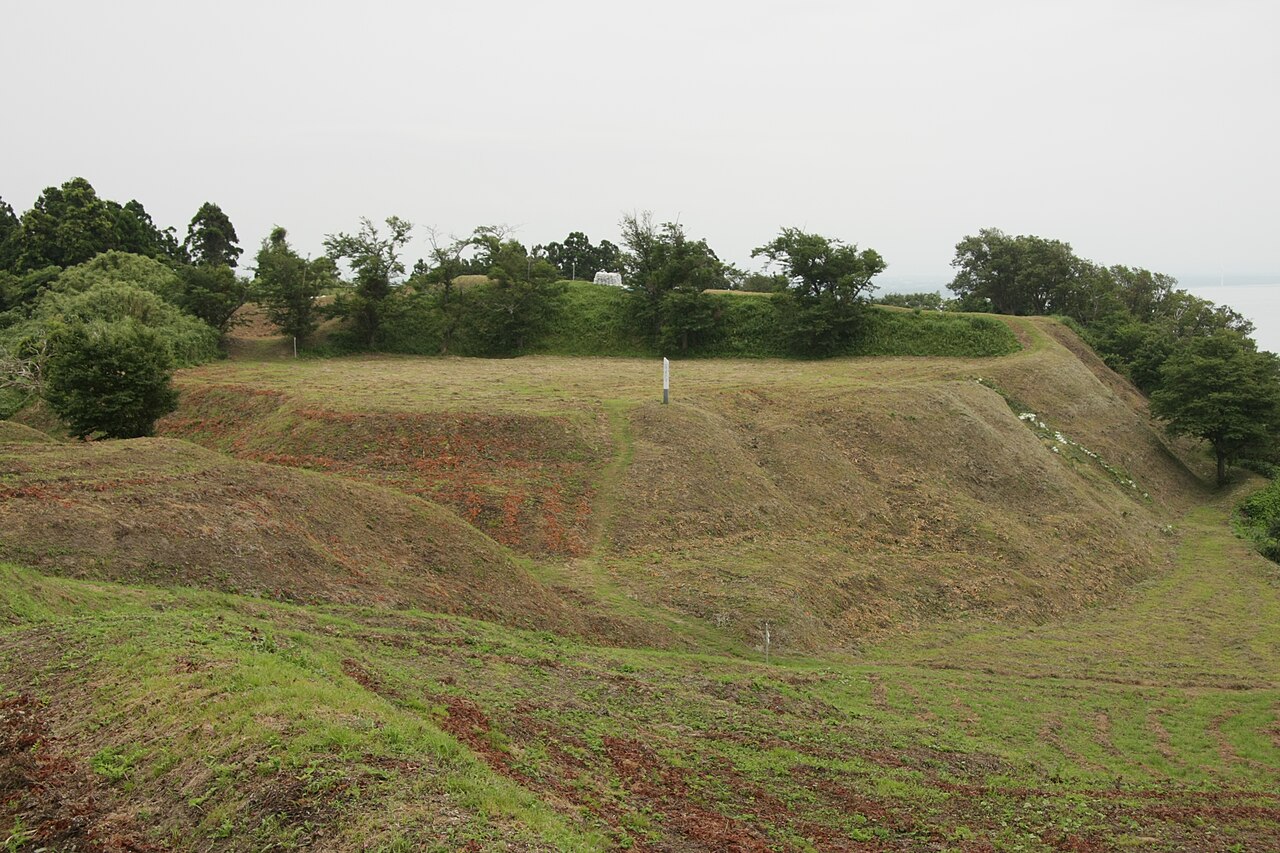
Akita Castle was built as a fortified settlement typical of the Nara period, featuring defensive walls and moats constructed primarily of earthworks and wooden palisades. Although much of the original structure has been lost to time, archaeological excavations have revealed the outlines of the castle's rectangular layout with clearly defined ramparts and moats designed to deter invaders.
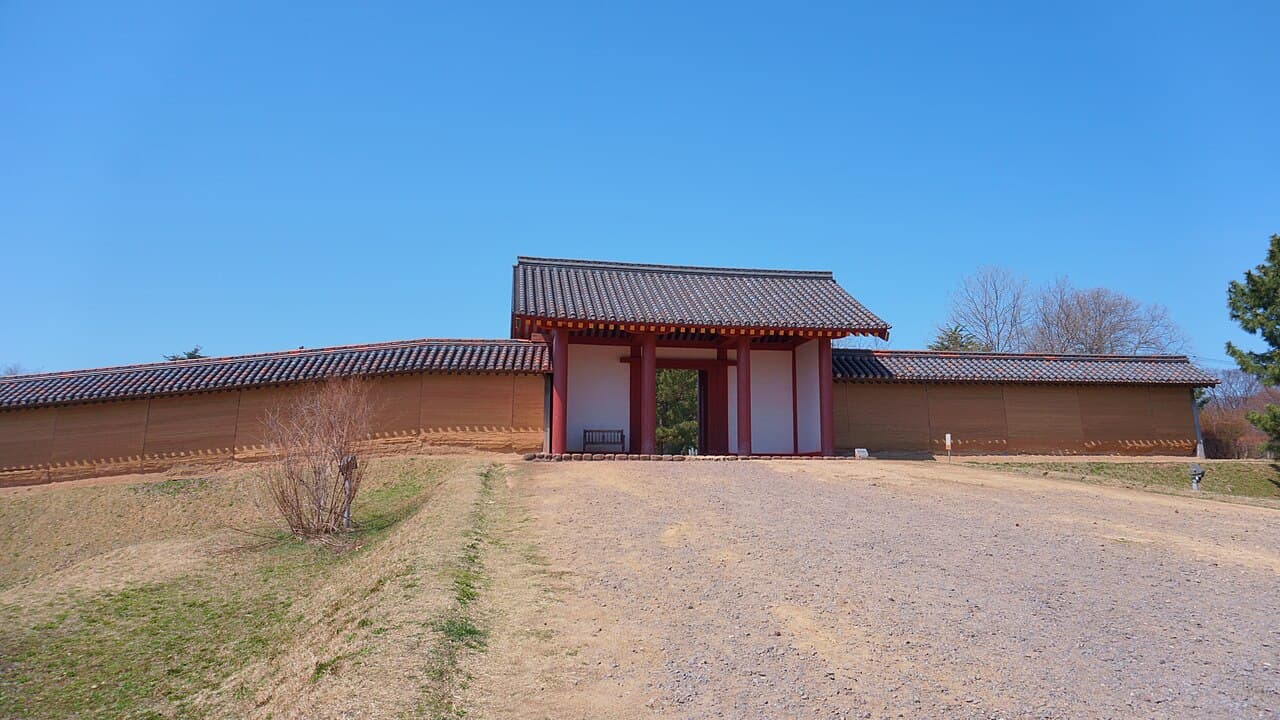
The site includes remains of guard towers and gates, which would have controlled access and provided vantage points for surveillance. Inside the enclosure, foundations of administrative buildings and barracks have been uncovered, indicating the dual role of the castle as both a military fortification and a center of governance.
Construction techniques
The castle's construction relied heavily on local materials, with earthen embankments reinforced by wooden structures. The use of such materials was common during the Nara period, reflecting the technological capabilities and resource availability of the time. The defensive design emphasized a combination of natural terrain and man-made fortifications to maximize protection.
Archaeological investigations and preservation
Modern archaeological efforts at Akita Castle have focused on uncovering the layout and understanding the historical context of the site. Excavations have revealed artifacts such as pottery, tools, and weapon fragments, offering valuable information about the daily life and military activities of its inhabitants.
Despite its status as ruins, the site is preserved as an important cultural heritage location. Interpretive signage and controlled access help visitors appreciate the castle's historical role while protecting the fragile remains from damage.
Distinction from Kubota Castle
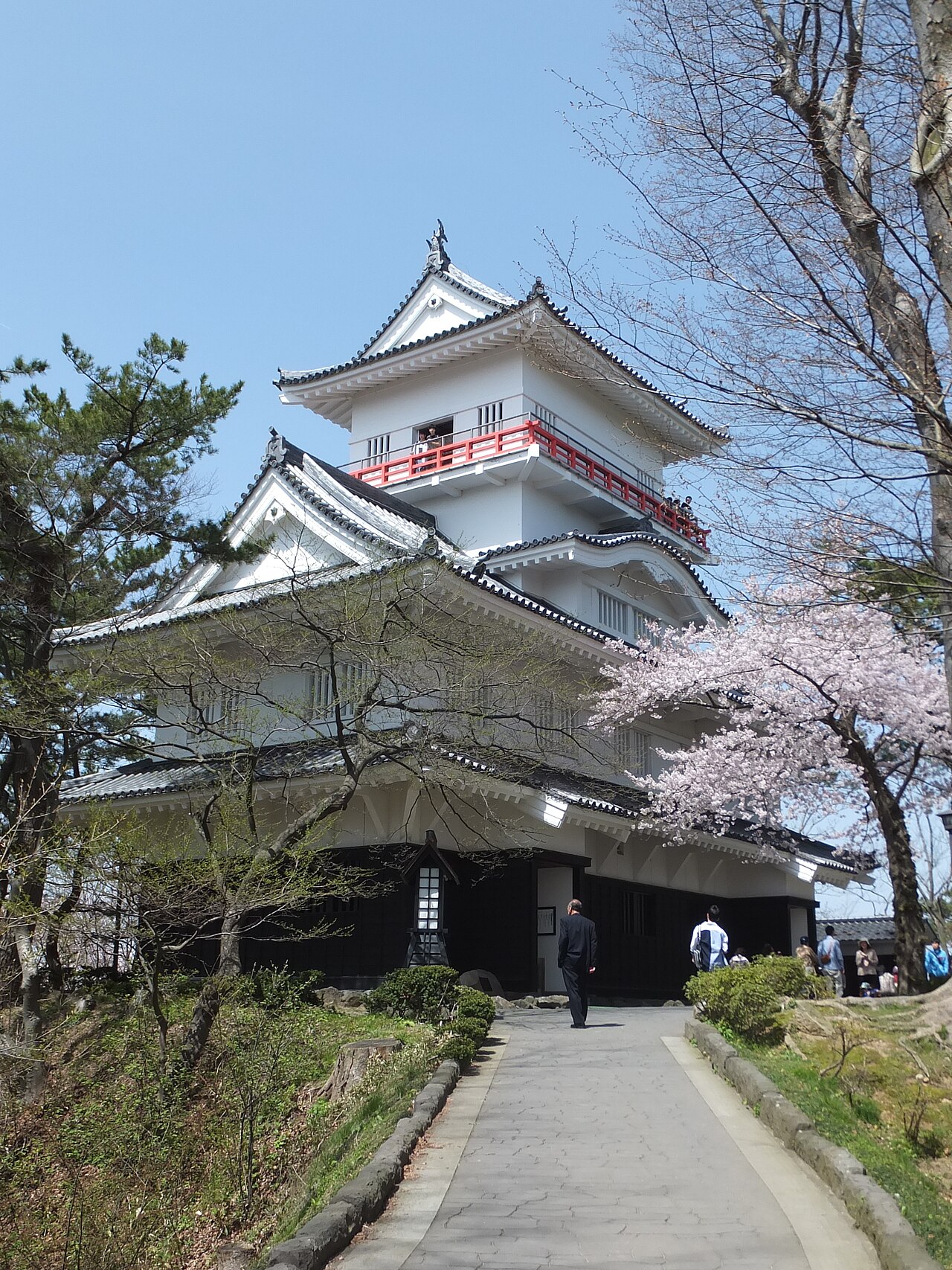
It is important to note that Akita Castle should not be confused with Kubota Castle, an Edo period fortress located in the same city. Kubota Castle served as the seat of the Satake clan, daimyō of the Kubota Domain, and represents a different era and architectural style. While Kubota Castle features typical feudal Japanese castle constructions such as stone walls and multiple baileys, Akita Castle is characterized by its early medieval fortification style and archaeological ruins.
Visiting Akita castle ruins
Today, Akita Castle ruins are accessible to the public as an archaeological site where visitors can explore the remains of this early medieval fortress. The site offers a glimpse into Japan's historical efforts to expand and secure its northern territories during the Nara period. Informational displays provide context about the castle's construction, function, and historical significance.
Visitors interested in Japanese history and ancient military architecture will find the ruins of Akita Castle a valuable destination. The site is often combined with visits to other cultural attractions in Akita city, including museums and Edo period landmarks.
Frequently asked questions (FAQ)
- What is the historical significance of Akita Castle?
- Akita Castle, also known as Kubota Castle, was built in the early 17th century and served as the residence of the Satake clan during the Edo period. Its strategic location allowed it to play a crucial role in the region's political and military history. Today, the castle is a symbol of Akita's rich heritage and attracts visitors interested in Japanese history.
- When was Akita Castle constructed?
- Construction of Akita Castle began in 1603 and was completed in 1620. The castle was built to protect the area and serve as a base for the ruling Satake clan. Although the original structures have been largely lost, the site's historical importance remains significant.
- What are the opening hours for Akita Castle?
- Akita Castle is typically open to visitors from 9:00 AM to 5:00 PM, but hours may vary depending on the season or special events. It is advisable to check the official website or contact the castle directly for the most current information. Visiting during these hours allows you to fully explore the castle grounds and surrounding park.
- Can I access the castle grounds if I have mobility issues?
- Yes, Akita Castle is generally accessible for visitors with mobility challenges. The main paths and areas are designed to accommodate wheelchairs, making it easier to explore the scenic surroundings. However, it is recommended to check in advance for any specific accessibility features.
- Is it possible to take guided tours of Akita Castle?
- Yes, guided tours are available at Akita Castle, providing visitors with deeper insights into its history and architecture. These tours often include knowledgeable guides who can share fascinating stories and answer questions. It is advisable to book in advance, especially during peak tourist seasons.
- What is the best time to visit Akita Castle?
- The best time to visit Akita Castle is during the cherry blossom season in spring, typically from late March to early April, when the surrounding park is in full bloom. Fall, with its vibrant foliage from October to November, also offers a picturesque setting. Visiting during these times enhances the overall experience of the castle's beauty.
- What are the ticket prices for Akita Castle?
- Admission to Akita Castle is usually affordable, with adult tickets priced around 300 yen. Discounts may be available for children and seniors, making it accessible for families and individuals alike. It's best to check on-site or online for any special promotions or package deals.
- Are there any nearby attractions to visit while at Akita Castle?
- Yes, there are several nearby attractions, including the Akita Museum of Art and Senshu Park, which surrounds the castle grounds. Visitors can also explore the local shops and restaurants that showcase Akita's culture and cuisine. This makes for a delightful day of exploration in the area.

Information
Loading map...
Visitor reviews
No reviews yet. Been here? Write the first review and help other travelers!
Write the first reviewVisited this castle? Share your experience
Your review helps other travelers and adds first-hand knowledge to our encyclopedia.