Kakunodate Castle
Kakunodate Castle (角館城, Kakunodate-jō), also known as Asakura Castle and Ryugasaki Castle, was a significant hilltop castle (yamashiro) located on Mount Furushiro in Kakunodate, within Akita Prefecture, Japan. The castle's origins are linked to the late 16th century, specifically around 1590, when Moriyasu Tozawa, a prominent samurai lord, was granted control of the area. However, historical evidence suggests the fortress may have been constructed even prior to Tozawa's tenure, indicating its strategic importance in the region during the Sengoku period.
Strategic location and architectural features
Perched atop Mount Furushiro, Kakunodate Castle exemplified typical yamashiro characteristics, utilizing the natural elevation for defense. The castle's design incorporated multiple stone walls and earthen ramparts, which protected the main enclosure and surrounding baileys. The steep slopes of the mountaintop served as natural barriers against attackers, while the castle's layout included watchtowers and gates strategically positioned to monitor and control access routes.
Defensive structures and layout
The castle's defensive system featured a combination of moats carved into the hillside and wooden palisades complementing the stone fortifications. The main keep or donjon was likely modest in scale, reflecting the architectural norms of the period and the castle's role as a regional stronghold rather than a grandiose residence. The complex included several courtyards and residential quarters for the ruling family and retainers, arranged to maximize defensibility and efficient communication within the castle grounds.
Historical context and significance
Kakunodate Castle played a role during the turbulent Sengoku period, a time marked by frequent conflicts among feudal lords vying for power in Japan. The castle served as the seat of the Tozawa clan, who governed the region under the authority of the Tokugawa shogunate following the unification of Japan. Its location in Akita Prefecture was strategically important for controlling northern Honshu and maintaining order in the domain.
Demolition under the Tokugawa shogunate
In 1620, the castle was demolished following a Shogunal decree that mandated each domain maintain only one castle, a policy designed to reduce the power of regional lords and prevent rebellion. This decree led to the dismantling of many castles across Japan, including Kakunodate Castle. The Tozawa clan subsequently moved their residence to a more accessible location in the town below, which later developed into the historic samurai district known for its well-preserved Edo-period architecture.
Remnants and cultural heritage
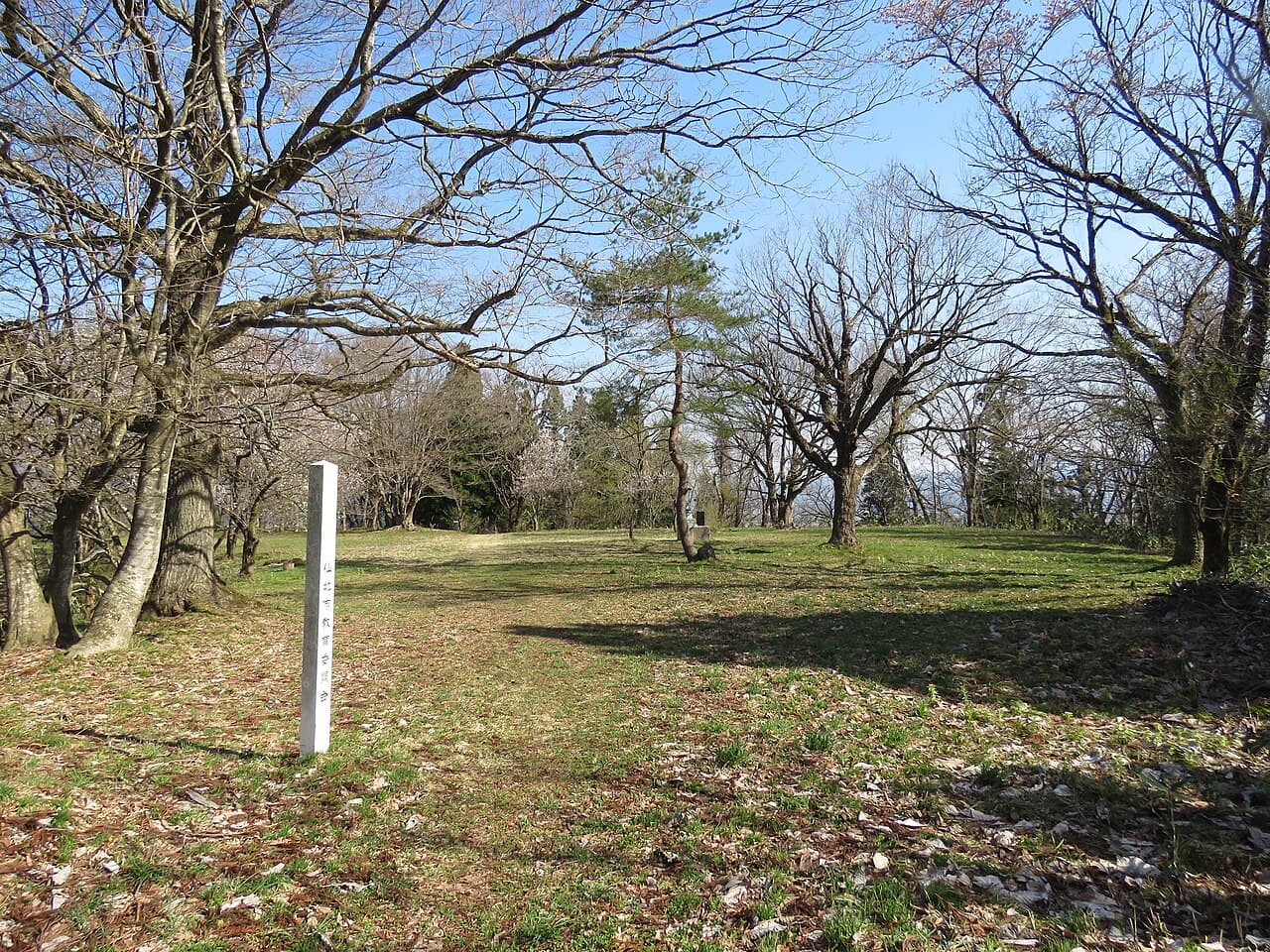
Today, Kakunodate Castle exists only as ruins on Mount Furushiro. Visitors to the site can explore the remaining stone foundations, fragments of earthen walls, and the outlines of former moats. The castle ruins are an important cultural asset, reflecting the military architecture and feudal history of the region.
Connection to Kakunodate samurai district
The nearby Kakunodate samurai district preserves the legacy of the Tozawa clan and their retainers, featuring original samurai residences and streetscapes from the Edo period. This district offers insight into the lifestyle and social structure of the castle's former inhabitants and complements the historical narrative of Kakunodate Castle.
Visiting kakunodate castle ruins
The site is accessible to visitors interested in Japanese castle history and architecture. Hiking trails lead up Mount Furushiro, where interpretive signs provide information about the castle's layout and history. The ruins offer panoramic views of the surrounding landscape, enhancing the experience of exploring this hilltop castle site.
Best time to visit
Spring and autumn are particularly popular times to visit Kakunodate Castle ruins, as the surrounding area is renowned for cherry blossoms and vibrant fall foliage, adding scenic beauty to the historical exploration.
Frequently asked questions (FAQ)
- How do I get to Kakunodate Castle ruins?
- Kakunodate Castle ruins are located on Mount Furushiro in Kakunodate, Akita Prefecture. Visitors can reach the site by hiking trails starting from the town, which is accessible by train and bus from major cities in the region.
- What remains can I see at Kakunodate Castle today?
- Today, visitors can see the castle's stone foundations, earthen walls, and outlines of former moats. Interpretive signs help explain the historical layout and significance of the ruins.
- When was Kakunodate Castle built and demolished?
- Kakunodate Castle was built around 1590 and was demolished in 1620 due to a Shogunal decree limiting each domain to one castle.
- Is Kakunodate Castle connected to the samurai district in Kakunodate?
- Yes, the castle was the seat of the Tozawa clan, whose samurai residences are preserved in the nearby Kakunodate samurai district, offering a glimpse into Edo-period life.
- What is the best time to visit Kakunodate Castle ruins?
- Spring and autumn are the best seasons to visit, as the area is famous for cherry blossoms and colorful fall foliage, providing a scenic backdrop to the historical site.
Photo gallery

Information
Loading map...
Visitor reviews
No reviews yet. Been here? Write the first review and help other travelers!
Write the first reviewVisited this castle? Share your experience
Your review helps other travelers and adds first-hand knowledge to our encyclopedia.