Kubota Castle
Kubota Castle, located in Akita City, Japan, stands as a significant example of early 17th-century Japanese castle architecture. Constructed beginning in 1603 by Satake Yoshinobu, the castle reflects the strategic and political realities of the early Edo period following the Battle of Sekigahara in 1600. Satake Yoshinobu was relocated from the Mito area to Akita as a consequence of the battle, and upon finding the existing Minato Castle inadequate due to its small size and poor defenses, he initiated the construction of Kubota Castle in 1604.
Historical context and the satake clan
The Satake clan, a powerful samurai family, played a crucial role in the region's governance during the Edo period. Despite their loyalty to the Tokugawa shogunate, the clan was wary of provoking the central authority. This caution influenced the castle's design, notably the absence of a grand main keep (tenshu) or any three-story yagura (turrets), which were often seen as symbols of power and could attract unwanted attention from the Tokugawa regime. Some historians suggest this restraint was due to political prudence, while others propose financial limitations as a factor.
Architectural features and layout
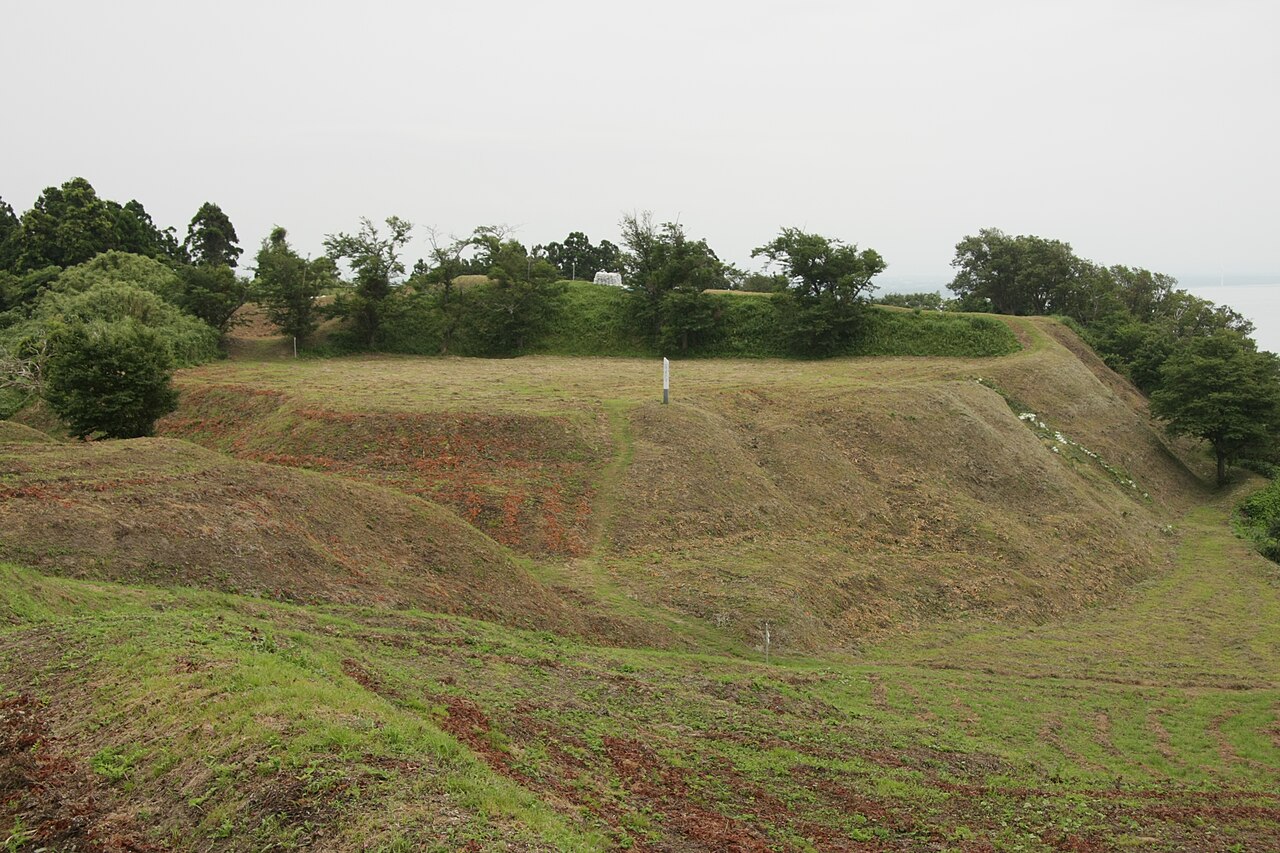
Kubota Castle is classified as a hill castle (hirayamajiro), built primarily on elevated terrain. Unlike many Japanese castles that feature extensive stone walls, Kubota Castle is renowned for its extensive use of large earthen embankments as its primary defensive structures. Stonework was minimal and mainly used to reinforce foundations rather than as prominent fortifications.
The castle complex originally included eight two-story corner yagura and a large palace, which served as the administrative and residential center of the Satake clan. The layout was designed to maximize defense while accommodating the clan's needs for governance and residence.
The omotemon gate and surviving structures
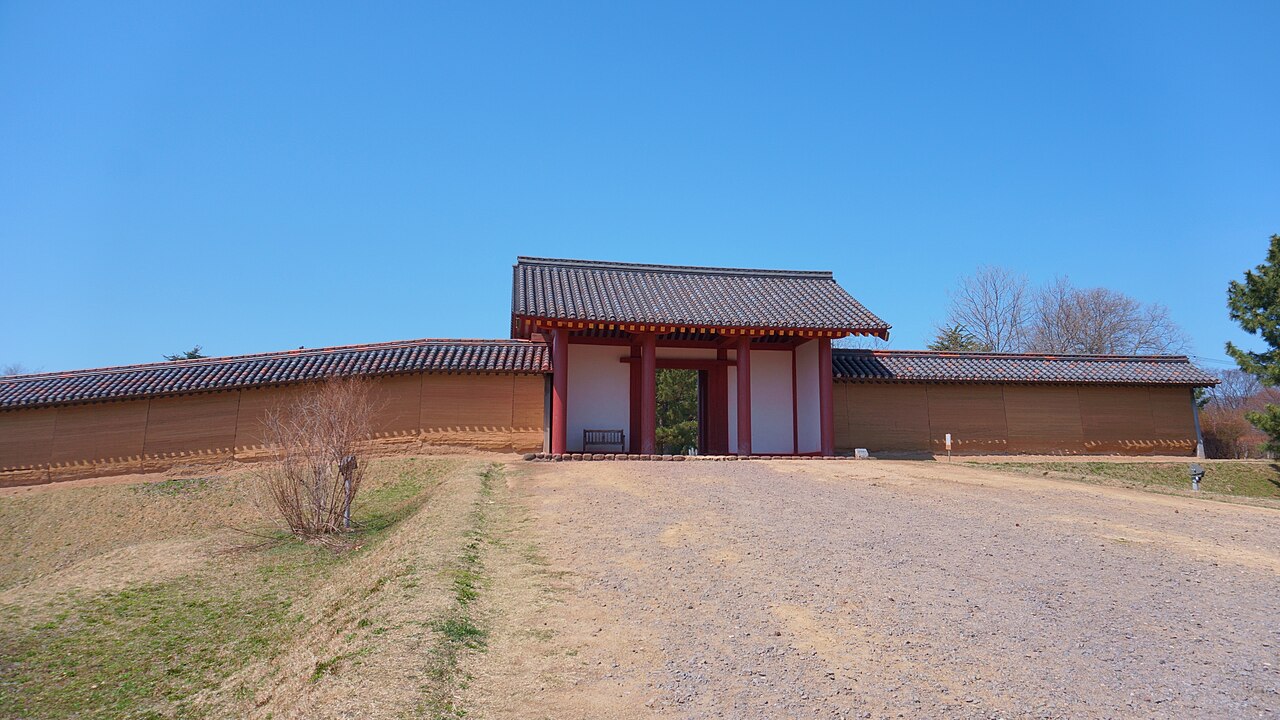
Today, much of the original castle buildings were lost, particularly due to a devastating fire in 1880 that destroyed most structures. However, the Omotemon Gate was faithfully reconstructed in 2001, preserving the traditional architectural style and providing visitors with a glimpse of the castle's historical entrance. The Omonogashira Gobansho, a guardhouse, remains the only original structure still standing on the site, offering valuable insight into the castle's Edo-period military architecture.
Restoration and current status
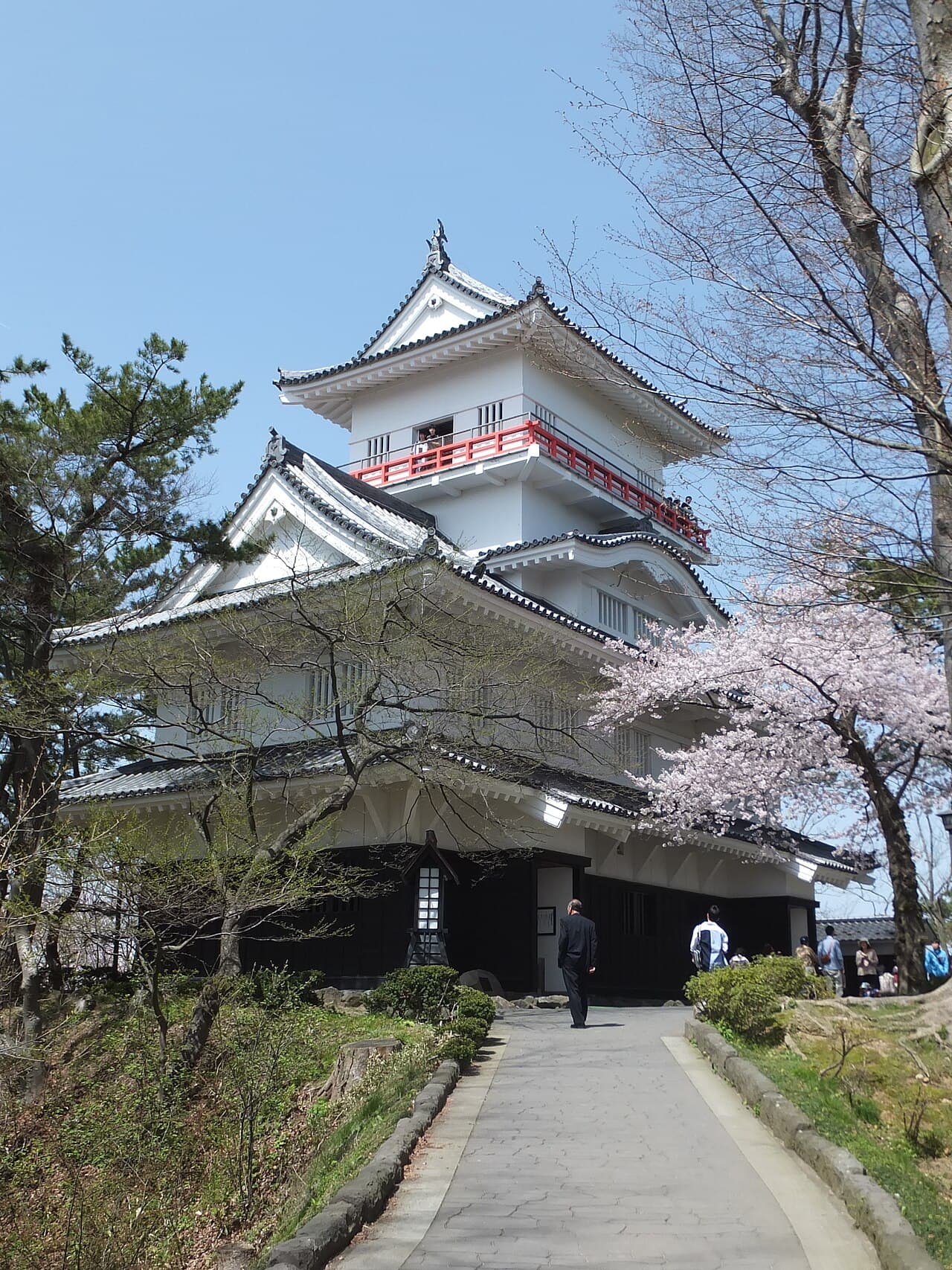
The large main keep-like building currently on the site functions as a museum, though it is not an accurate representation of an Edo-period yagura. The castle grounds have been partially preserved, with the earthen embankments around each bailey being a particularly notable feature that highlights the castle's unique defensive strategy. Visitors often remark on the scale and complexity of these embankments, which distinguish Kubota Castle from other Japanese castles that rely more heavily on stone fortifications.
The Satake clan continued to rule the Akita domain from Kubota Castle until the Meiji Restoration, which marked the end of the feudal era in Japan. Today, Kubota Castle is recognized for its cultural and historical significance, reflecting the architectural and political nuances of its time.
Visitor information and cultural significance
Kubota Castle is an important heritage site in Akita City, offering visitors a chance to explore Japan's feudal past through its remaining structures and reconstructed elements. The castle's extensive earthen embankments and surviving gate provide a tangible connection to the early Edo period's architectural practices and the Satake clan's legacy. The museum housed within the reconstructed keep-like building offers exhibitions on the castle's history and the region's samurai culture.
Overall, Kubota Castle stands as a testament to the unique blend of political caution, architectural ingenuity, and historical continuity that characterized many Japanese castles during the transition from the Sengoku period to the peaceful Edo era.
Frequently asked questions (FAQ)
- What is the best time to visit Kubota Castle?
- The best time to visit Kubota Castle is during spring when the cherry blossoms are in full bloom, creating a picturesque setting around the castle grounds. Autumn is also popular for its vibrant fall foliage.
- Is Kubota Castle accessible for visitors with mobility issues?
- Kubota Castle grounds include some uneven terrain and earthen embankments, which may pose challenges for visitors with mobility issues. However, some areas and the museum are accessible, and assistance is available upon request.
- Can I visit the original structures of Kubota Castle?
- The only original structure remaining at Kubota Castle is the Omonogashira Gobansho guardhouse. Other buildings, including the main keep, are reconstructions or modern museum facilities.
- How much does it cost to enter Kubota Castle?
- Admission fees vary depending on the season and special exhibitions, but generally, entry to Kubota Castle and its museum is affordable, with discounts for children and seniors.
- What architectural features make Kubota Castle unique?
- Kubota Castle is notable for its extensive use of large earthen embankments instead of stone walls, and the absence of a traditional main keep, reflecting both political caution and local architectural adaptations.

Information
Opening hours
Osumiyagura Museum is open 9-4:30, closed Dec 1 to March 31; 100 yen
Current owner
Municipality
Website
Visit websiteSources & official resources
Verify the information above using these authoritative references.
Loading map...
Visitor reviews
No reviews yet. Been here? Write the first review and help other travelers!
Write the first reviewVisited this castle? Share your experience
Your review helps other travelers and adds first-hand knowledge to our encyclopedia.