Yatsushiro Castle
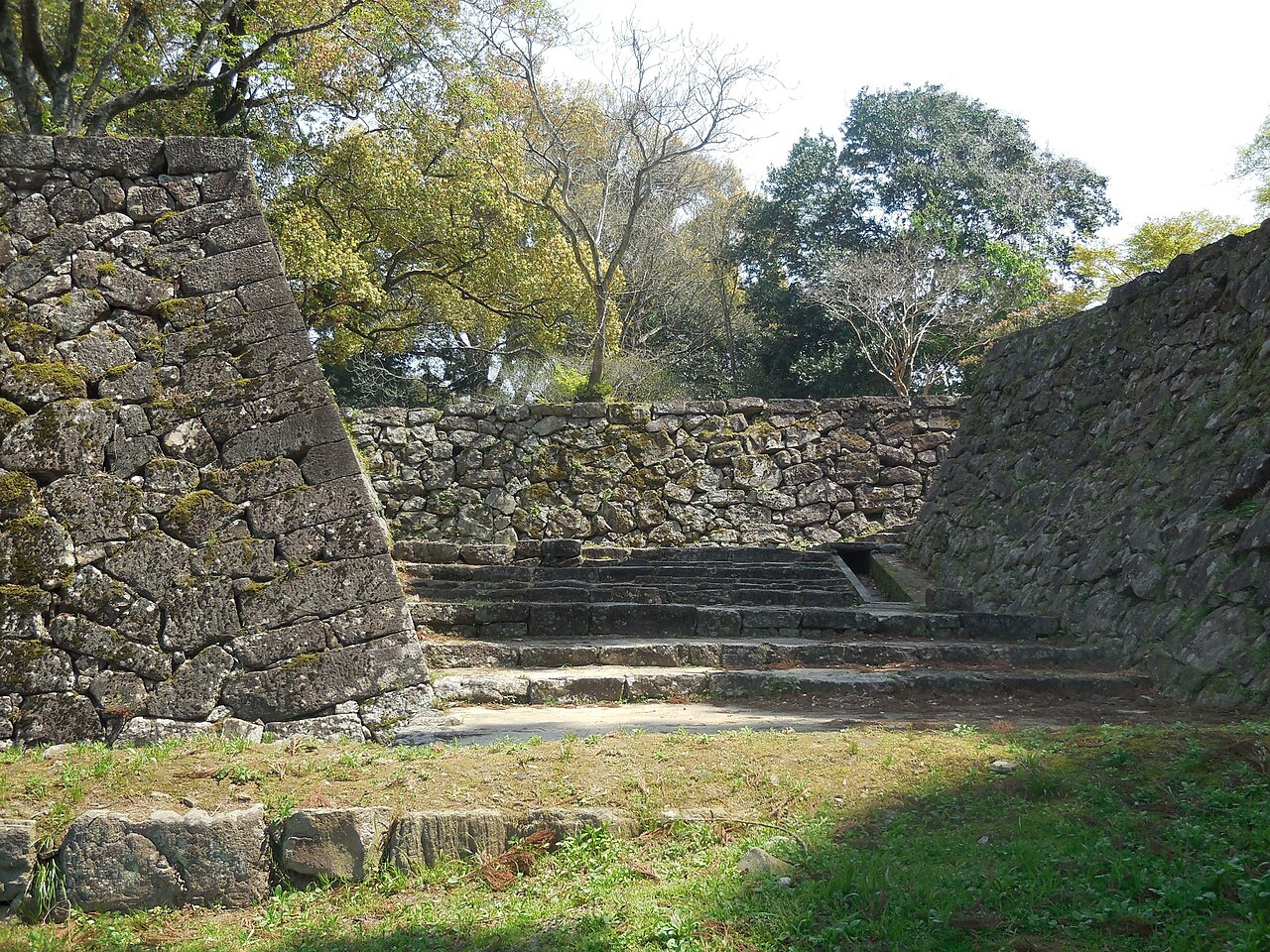
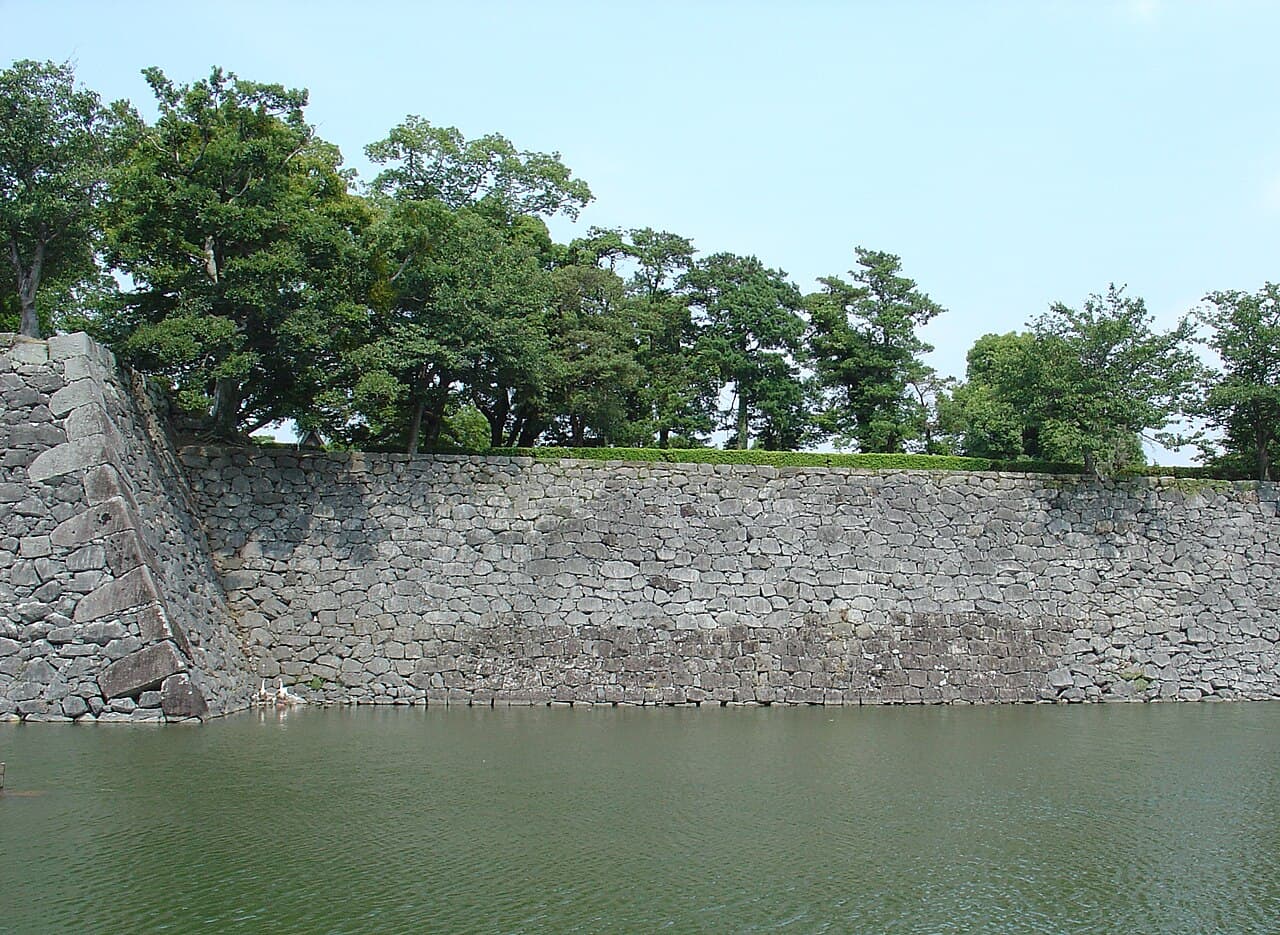
Yatsushiro Castle (Yatsushiro-jō) is a historic castle site located in Yatsushiro, within Kumamoto Prefecture, Japan. The castle is known today primarily through its ruins, which include remnants of stone walls and water moats. These ruins stand as a testament to the castle's strategic and architectural significance during the early Edo period.
Historical background and construction
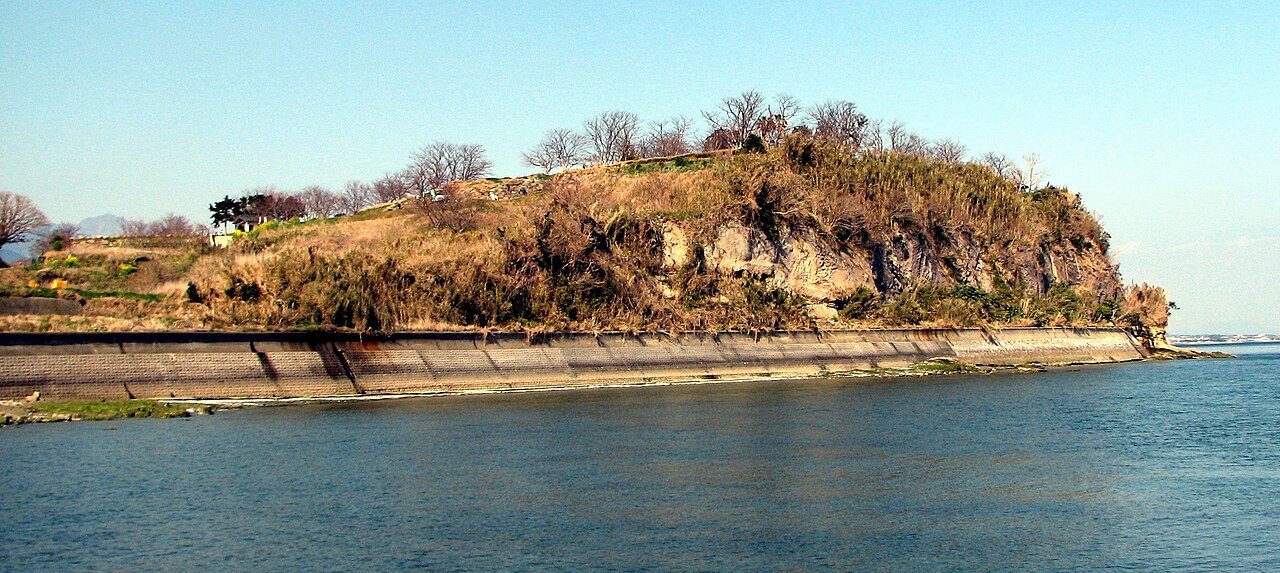
The origins of Yatsushiro Castle trace back to the early 17th century, following a significant natural disaster. In 1619, the nearby Mugishima Castle was destroyed by a large earthquake, prompting the need for a new stronghold in the region. Katō Tadahiro, son of the renowned warlord Katō Kiyomasa, commissioned his vassal Katō Masataka to construct a new castle to replace the damaged Mugishima Castle. This new fortification was built in the early 1600s, reflecting the military and administrative needs of the Tokugawa shogunate during the early Edo period.
In 1632, the castle's control shifted when Hosokawa Tadaoki, a prominent daimyo, was ordered by the Tokugawa shogunate to take residence at Yatsushiro Castle. He spent his retirement in the kitanomaru compound of the castle, an inner bailey often reserved for important family members or retired lords. This period marked a significant phase in the castle's history, linking it to the influential Hosokawa clan.
Architectural features and design
Although much of Yatsushiro Castle has been lost to time, the surviving elements reveal aspects of its original design. The castle was constructed with typical early Edo period defensive features, including extensive stone walls that provided formidable protection against attackers. These walls were complemented by a system of water moats, which served both defensive and aesthetic purposes, controlling access and enhancing the castle's imposing presence.
The castle's layout included multiple baileys, with the kitanomaru compound serving as a key residential and administrative area. The use of water moats and stone fortifications reflects the architectural trends of the time, focusing on both defense and the demonstration of power and prestige.
Current condition and cultural significance
Today, Yatsushiro Castle exists as an archaeological site and ruins. Visitors can observe the remaining stone walls and traces of moats, which provide insight into the castle's past grandeur. The site was officially recognized as a National Historic Site in 2014, under the designation "Remains of Yatsushiro Castles," which also includes the ruins of Furufumoto Castle and Mugishima Castle.
In 2017, Yatsushiro Castle was listed among the "Continued Top 100 Japanese Castles," highlighting its importance in Japan's cultural heritage and castle history. The site attracts historians, architects, and tourists interested in Japan's feudal past and castle architecture.
Visiting yatsushiro castle ruins
While the castle no longer stands in its original form, the ruins of Yatsushiro Castle offer a valuable glimpse into early Edo period fortifications. The site is accessible to the public, allowing visitors to explore the remaining stone walls and moat outlines. Informational signage and local guides often provide historical context to enhance the experience.
The castle's location in Yatsushiro city makes it a convenient destination for those exploring Kumamoto Prefecture. Nearby attractions include other historical sites and natural landscapes, making it a worthwhile stop for cultural tourism in the region.
Frequently asked questions (FAQ)
- What is the historical significance of Yatsushiro Castle?
- Yatsushiro Castle, built in the early 17th century, served as a strategic military stronghold during Japan's feudal period. It played a crucial role in the region's history, particularly during the battles of the Satsuma Rebellion. Today, it stands as a testament to Japan's architectural heritage and historical narratives.
- When was Yatsushiro Castle constructed?
- Yatsushiro Castle was originally constructed in 1600 by the feudal lord Masakiyo Kato. The castle underwent several renovations and reconstructions over the years, with significant developments occurring until the Meiji Restoration in the late 19th century.
- How do I get to Yatsushiro Castle?
- Yatsushiro Castle is accessible by public transport, with Yatsushiro Station being the closest railway station. From the station, you can take a bus or taxi to reach the castle grounds, which are located just a short distance away.
- What are the opening hours for Yatsushiro Castle?
- Yatsushiro Castle is generally open to visitors from 9:00 AM to 5:00 PM daily, with extended hours during the peak tourist season. It's advisable to check the official website for any seasonal changes or special event schedules before your visit.
- Can I enter the castle's main keep?
- While the original main keep of Yatsushiro Castle no longer exists, visitors can explore the castle ruins and surrounding park. The site features reconstructed walls and scenic views of the surrounding area, offering a glimpse into its historical significance.
- Is Yatsushiro Castle accessible for visitors with disabilities?
- Yes, Yatsushiro Castle has made efforts to improve accessibility for all visitors. There are designated paths and ramps available, ensuring that everyone can enjoy the historical site and its beautiful surroundings.
- What is the best time to visit Yatsushiro Castle?
- The best time to visit Yatsushiro Castle is during the cherry blossom season in spring, typically from late March to early April. The picturesque scenery, combined with pleasant weather, makes it a popular time for tourists and locals alike.
- Are there any nearby attractions to visit?
- Yes, in addition to Yatsushiro Castle, visitors can explore the nearby Yatsushiro City Museum, which showcases local history and culture. Additionally, the scenic Kumamoto Prefecture offers beautiful parks and hiking trails, perfect for outdoor enthusiasts.
- What are the ticket prices for Yatsushiro Castle?
- Entry to the castle grounds is free, allowing everyone to enjoy the historical site without any cost. However, if you wish to enter specific exhibitions or guided tours, there may be a nominal fee, so check in advance for details.
Photo gallery

Information
Loading map...
Visitor reviews
No reviews yet. Been here? Write the first review and help other travelers!
Write the first reviewVisited this castle? Share your experience
Your review helps other travelers and adds first-hand knowledge to our encyclopedia.