Kumamoto Castle
Kumamoto Castle stands as one of Japan's most iconic and historically significant hill castles, located in the heart of Kumamoto city, Kumamoto Prefecture. Constructed in 1607 by the famed warlord Kato Kiyomasa, this fortress is celebrated for its ingenious use of natural geography and advanced defensive architecture, making it one of the most impregnable castles in Japanese history. The castle's strategic placement on a hill provided commanding views of the surrounding plains, allowing defenders to monitor and control access effectively.
The architectural mastery of kumamoto castle
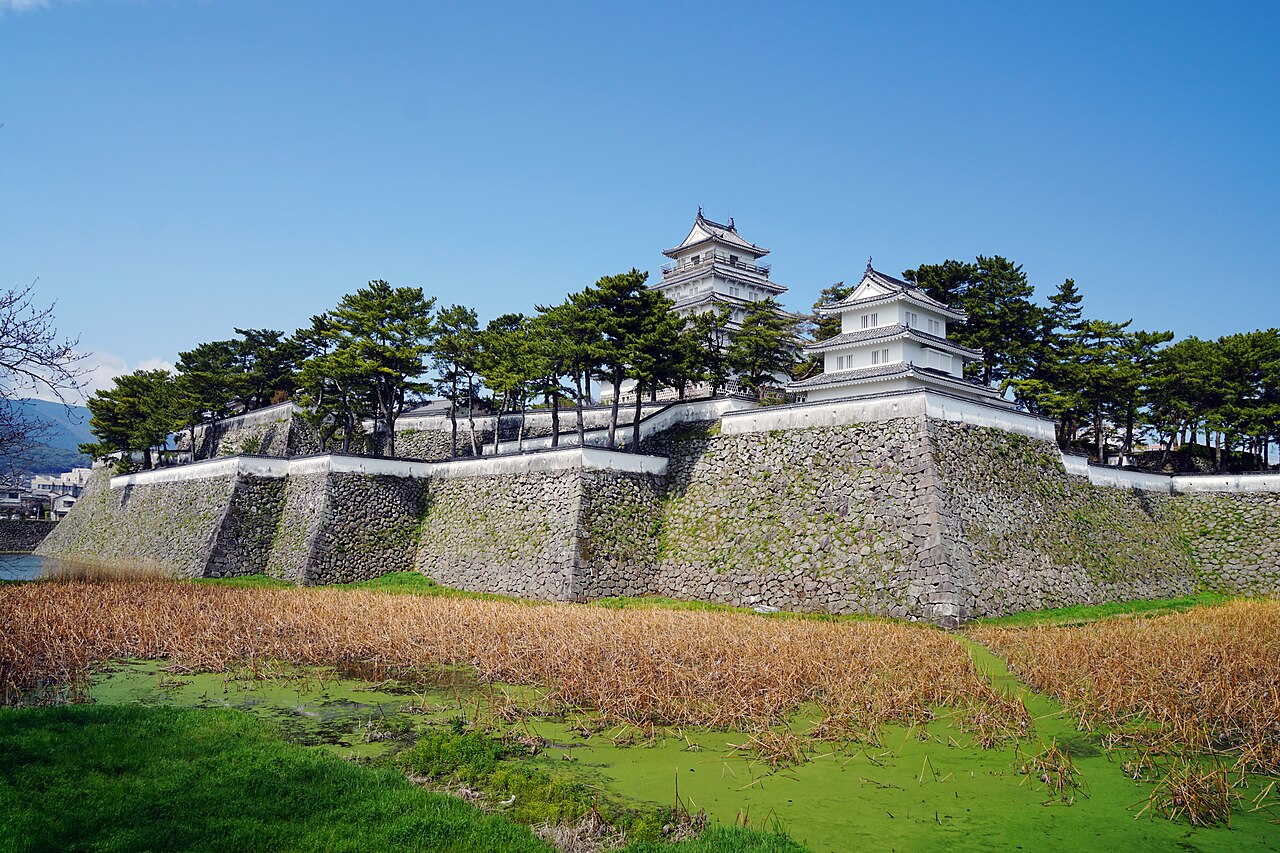
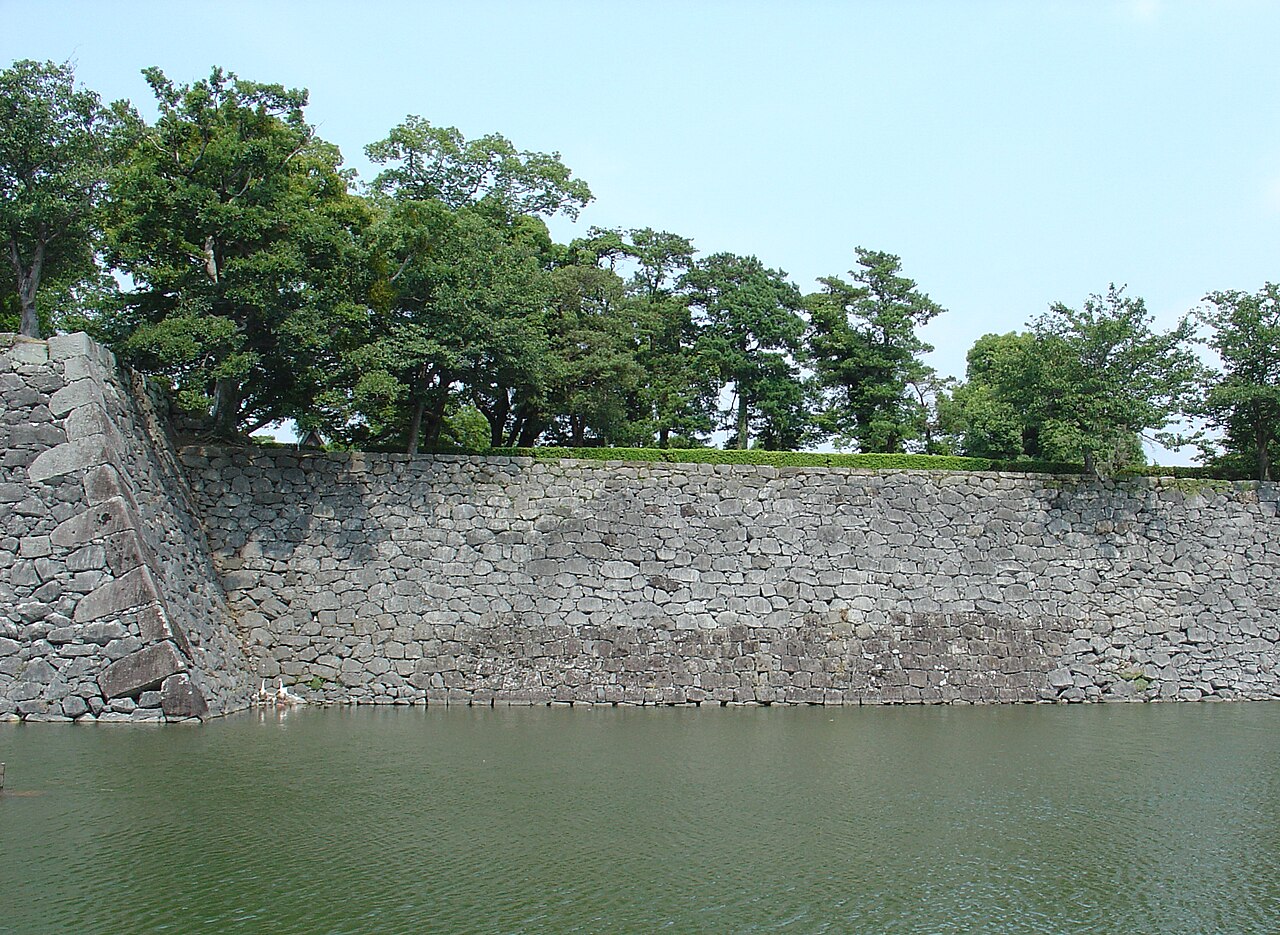
The castle's design reflects the pinnacle of early 17th-century Japanese castle architecture, blending formidable defensive features with aesthetic elegance. Kumamoto Castle's extensive stone walls are renowned for their steep, sloping construction known as musha-gaeshi, designed to prevent scaling by attackers. These walls, combined with a complex system of turrets, gates, and moats, created multiple layers of defense.
Main keep and towers
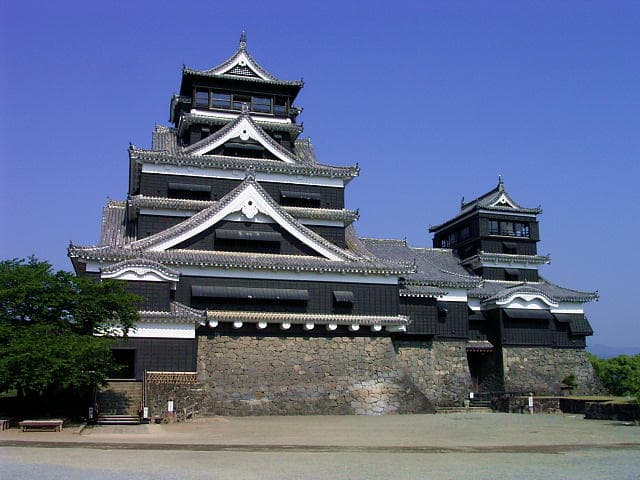
The main keep (tenshu) was an imposing multi-storied structure, serving both as a last line of defense and a symbol of the lord's power. Adjacent to the main keep was a smaller connected tower, enhancing the castle's defensive capabilities and providing additional vantage points. The castle complex also included numerous watchtowers and corner turrets (yagura), which were strategically placed to cover blind spots and protect the walls.
Innovative defensive features
Kumamoto Castle's defensive design incorporated curved stone walls and steep slopes that made it difficult for enemies to use ladders or siege equipment effectively. The castle also featured hidden corridors and trapdoors to surprise invaders. Its moats were wide and deep, further complicating any assault. The use of shachihoko ornaments—mythical fish-shaped roof decorations—was both symbolic and functional, believed to protect the castle from fire.
Historical significance and ownership
Kato Kiyomasa, a prominent daimyo and military commander, built Kumamoto Castle shortly after the decisive Battle of Sekigahara (1600), which established the Tokugawa shogunate. His construction of the castle was part of consolidating power in Kyushu and securing the region against potential uprisings.
The Kato family's control lasted only two generations, ending when Hosokawa Tadatoshi replaced Kiyomasa's son in 1632. The Hosokawa clan then ruled Kumamoto for approximately 240 years, through the Edo period, maintaining and enhancing the castle's structures and grounds.
Damage, restoration, and resilience
During the Satsuma Rebellion of 1877, Kumamoto Castle suffered significant damage when the main keep and connected smaller tower, along with other buildings, were burned to the ground. Despite this destruction, many of the castle's stone walls and fortifications survived, preserving the castle's silhouette and historical footprint.
In the modern era, Kumamoto Castle has undergone various phases of restoration. It is currently partially restored, with ongoing efforts to repair and reconstruct damaged sections while maintaining historical accuracy. The castle remains a beloved cultural symbol and a popular tourist destination.
Impact of the 2016 earthquake
In April 2016, a powerful magnitude 6.2 earthquake struck Kumamoto, causing extensive damage to the castle. Numerous stone walls collapsed, turrets were destroyed, and roof tiles along with shachihoko ornaments fell from the roofs. Many walls and roofs sustained severe damage, yet the castle's core structure remained upright, symbolizing resilience and hope for the local community.
The earthquake damage led to intensified restoration efforts, highlighting the castle's importance as a cultural heritage site and its role in the identity of Kumamoto's residents.
Visitor experience and cultural importance
Today, Kumamoto Castle offers visitors a rich historical experience, with access to reconstructed castle grounds, gardens, and select preserved buildings. The castle's museum exhibits artifacts related to its history, architecture, and the samurai culture of the region.
The castle is also a venue for cultural events and festivals, celebrating Kumamoto's heritage. Its impressive stone walls, turrets, and panoramic views from the hilltop continue to attract history enthusiasts, architects, and tourists from around the world.
Architecture and design influence
Kumamoto Castle's architectural features have influenced Japanese castle design and preservation practices. Its innovative defensive structures and aesthetic qualities exemplify the sophistication of early Edo-period castle construction. The castle remains a key study subject for historians and architects interested in feudal Japan's military and cultural history.
Frequently asked questions (FAQ)
- How do I get to Kumamoto Castle?
- Kumamoto Castle is easily accessible by public transportation. You can take a tram from Kumamoto Station to the castle, which takes about 15 minutes. There are also several bus routes that stop nearby, making it convenient to reach.
- What is the historical significance of Kumamoto Castle?
- Kumamoto Castle is one of Japan's most impressive castles, known for its unique architecture and historical importance. Built in the early 1600s by the Kato clan, it played a crucial role during the Edo period and the Boshin War. The castle symbolizes the power and prestige of the feudal lords of the region.
- When was Kumamoto Castle constructed?
- Construction of Kumamoto Castle began in 1601 and was completed in 1628. The castle underwent several renovations and expansions over the years, with its iconic keep being built between 1868 and 1877, showcasing the architectural style of the period.
- Can I visit Kumamoto Castle throughout the year?
- Yes, Kumamoto Castle is open to visitors year-round, but specific areas may be closed for maintenance or restoration. It is advisable to check the official website for current access information and any temporary closures before planning your visit.
- Why is Kumamoto Castle famous for its architecture?
- Kumamoto Castle is renowned for its impressive stone walls, intricate wooden structures, and unique design that incorporates both defensive and aesthetic elements. Its iconic black and white color scheme, along with its multiple turrets and moats, create a striking silhouette against the landscape. This architectural style is a prime example of Japanese castle design during the feudal era.
- Is it possible to enter the castle keep?
- Yes, visitors can enter the castle keep, where they can enjoy panoramic views of the castle grounds and learn about its history through various exhibits. However, access may be limited during restoration efforts, so it's best to verify the status before your visit.
- What are the opening hours for Kumamoto Castle?
- Kumamoto Castle typically opens at 8:30 AM and closes at 5:30 PM, with the last admission at 5:00 PM. During peak seasons, hours may vary, so it's recommended to check for any changes on the official website.
- What are the ticket prices for visiting Kumamoto Castle?
- Admission to Kumamoto Castle is generally around 500 yen for adults, with discounts available for children and seniors. Special exhibitions may require an additional fee, so be sure to check the latest pricing details on the official site.
- When is the best time to visit Kumamoto Castle?
- The best time to visit Kumamoto Castle is during spring (March to May) when cherry blossoms bloom, creating a picturesque setting. Autumn (September to November) is also a beautiful time, as the foliage turns vibrant colors, enhancing the castle's scenic beauty.
- Are there nearby attractions to visit while at Kumamoto Castle?
- Yes, nearby attractions include Suizenji Jojuen Garden, which features traditional Japanese landscaping, and Shimada Museum of Arts, showcasing local art. Additionally, the Kumamoto Prefectural Traditional Crafts Centre offers insight into local crafts and culture, making for a well-rounded visit.
Photo gallery

Information
Website
Visit websiteSources & official resources
Verify the information above using these authoritative references.
Loading map...
Visitor reviews
No reviews yet. Been here? Write the first review and help other travelers!
Write the first reviewVisited this castle? Share your experience
Your review helps other travelers and adds first-hand knowledge to our encyclopedia.