Hara Castle
Hara Castle (Hara-jō, 原城) is a significant historical site located in the Minami-Arima neighborhood of Minamishimabara city, within Nagasaki Prefecture, Japan. This castle dates back to the late medieval period, specifically the 15th century, during the turbulent Sengoku era, a time marked by frequent military conflicts and social upheaval in Japan. Though now in ruins, the site holds immense archaeological and cultural importance and was designated a National Historic Site of Japan in 1938.
The historical context of Hara Castle
Constructed during the Sengoku period, Hara Castle played a critical role in regional power struggles. It was originally built as a defensive fortress amidst the constant warfare that characterized this era. The castle's strategic location in Minamishimabara allowed it to serve as a military stronghold controlling access to the surrounding area. This period saw numerous castles erected to consolidate power and defend territories, and Hara Castle was among these vital fortifications.
Significance during the Shimabara Rebellion
Hara Castle is particularly renowned for its connection to the Shimabara Rebellion (1637–1638), one of the largest peasant uprisings in Japanese history. The castle served as the rebel headquarters during this Christian-led revolt against the Tokugawa shogunate's oppressive policies and heavy taxation. The rebels fortified themselves within the castle, making it the focal point of a prolonged siege by shogunate forces. The castle's defenses and the rebellion's tragic end are key aspects of its historical legacy.
Architectural features and layout
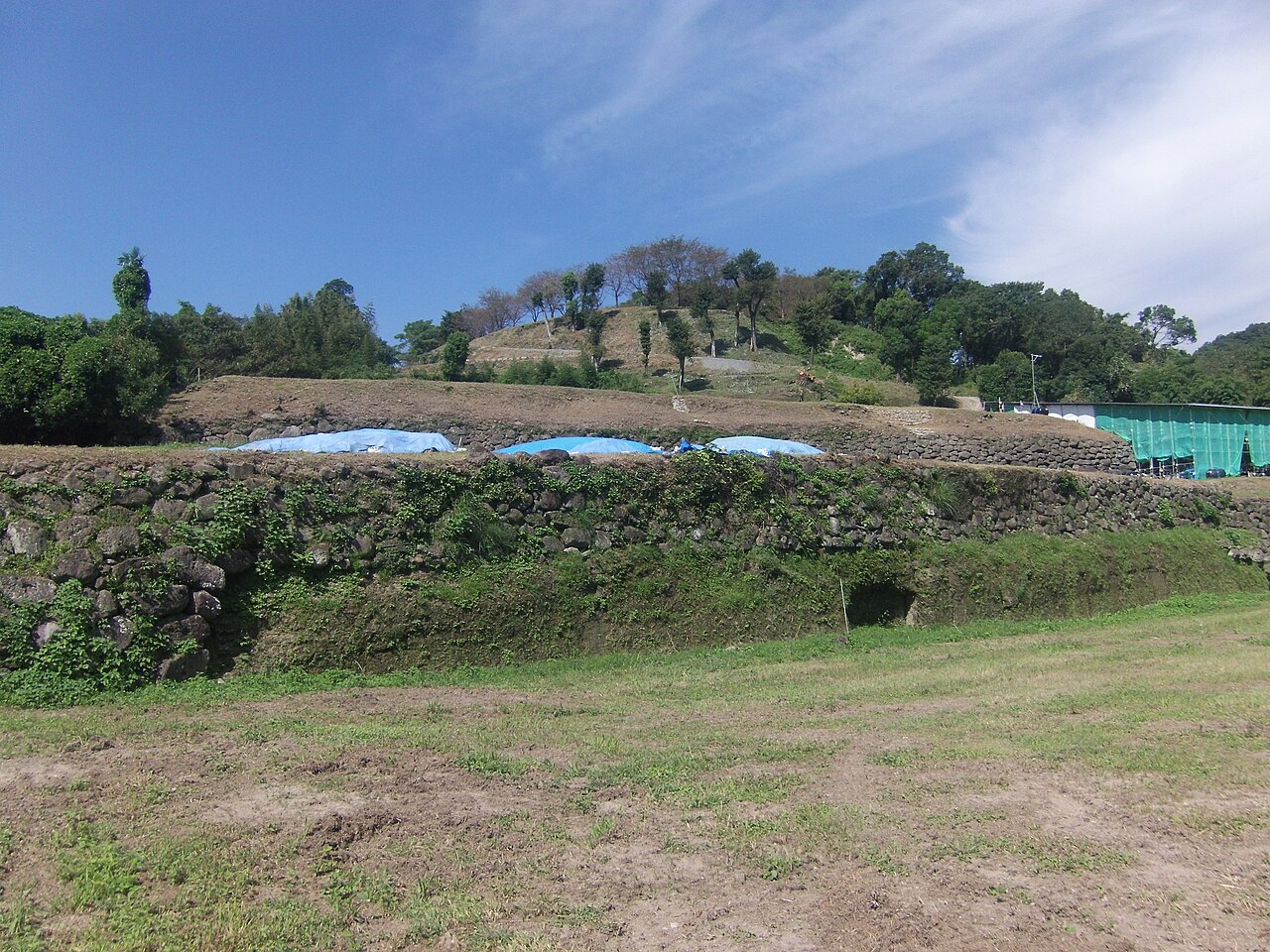
Though only ruins remain today, archaeological studies have revealed important details about the castle's original structure. Hara Castle was a water castle, utilizing the natural landscape and surrounding water bodies for defense. It featured moats and earthen walls rather than extensive stone fortifications typical of later Japanese castles. The castle complex included multiple baileys, defensive gates, and watchtowers that allowed defenders to monitor and repel attackers effectively.
The castle's design reflected the practical needs of Sengoku-era fortifications, emphasizing rapid construction and functional defense over elaborate aesthetics. The ruins indicate a compact layout adapted to the terrain, with residential quarters, armories, and storage facilities within the protected area. The use of local materials and traditional construction techniques is evident from the archaeological remains.
Defensive strategies and siege warfare
Hara Castle's defensive system relied heavily on its natural surroundings, supplemented by man-made fortifications. The surrounding marshy lands and moats created formidable obstacles for enemy forces. During the Shimabara Rebellion siege, the castle's defenders utilized these features to prolong resistance against the shogunate's superior numbers and artillery. Despite this, the castle eventually fell after months of intense fighting, marking a decisive moment in Japanese history.
Preservation and archaeological significance
Today, Hara Castle remains an archaeological site with ruins that provide valuable insights into late medieval Japanese castle construction and Sengoku period military architecture. The site has been carefully studied by historians and archaeologists, revealing artifacts and structural foundations that contribute to understanding castle life and warfare in 15th to 17th century Japan.
Its designation as a National Historic Site underscores its importance as a cultural heritage monument. Visitors can explore the ruins and surrounding landscape, which evoke the castle's historical atmosphere. Interpretive signage and local museums offer educational resources about the castle's history, the Shimabara Rebellion, and the broader context of Japanese feudal conflicts.
Current condition and visitor experience
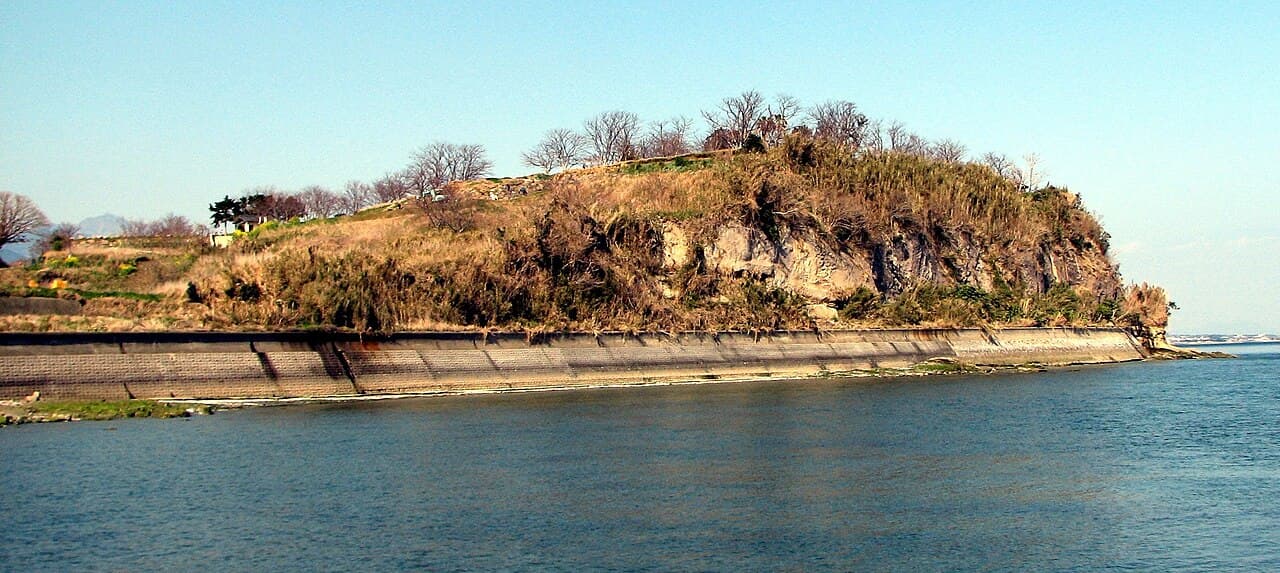
Hara Castle today is classified as ruins, with only remnants of walls, moats, and earthworks visible. The site is open to the public, allowing visitors to walk among the remains and imagine the castle's past grandeur. The surrounding area includes memorials dedicated to the rebellion and its participants, providing a poignant connection to this turbulent chapter in Japanese history.
While no standing structures remain, the archaeological significance and historical narrative make Hara Castle a compelling destination for those interested in Japanese history, military architecture, and cultural heritage.
Frequently asked questions (FAQ)
- How do I get to Hara Castle?
- Hara Castle is located in Minamishimabara, Japan, and can be accessed by public transportation or by car. If using public transport, take a train to Minamishimabara Station, then a local bus or taxi to the castle. The scenic route offers beautiful views of the surrounding area, making your journey enjoyable.
- What is the historical significance of Hara Castle?
- Hara Castle played a crucial role during the Siege of Hara in the early 17th century, where it was the last stand of the Shimabara Rebellion. This castle symbolizes the struggle for freedom and resistance against oppression in Japan's history. Its ruins and the stories associated with it attract history enthusiasts from around the world.
- When was Hara Castle built?
- Hara Castle was constructed in the late 16th century, specifically around 1584, by the feudal lord Matsukura Takanobu. It served as a strategic military base and residence until its destruction during the rebellion in 1637. The castle's architectural design reflects the defensive needs of its time.
- Can I visit Hara Castle year-round?
- Yes, Hara Castle is open to visitors year-round, allowing you to explore its historical ruins and enjoy the surrounding natural beauty. However, it is important to check for any special events or maintenance closures that may occur throughout the year. The experience may vary with the seasons, offering unique scenery during spring and autumn.
- Why is Hara Castle a popular tourist attraction?
- Hara Castle is popular due to its rich historical background and stunning views of the surrounding landscape, including the Ariake Sea. Visitors are drawn to its dramatic history and the picturesque remnants that offer a glimpse into Japan's past. Additionally, the castle's location near other historical sites enhances its appeal.
- Is it possible to explore the castle grounds independently?
- Yes, visitors can freely explore the castle grounds, which include various ruins and scenic walking paths. Informational plaques are located throughout the site to provide context and enhance your understanding of its history. Guided tours may also be available for those who prefer a more in-depth experience.
- What are the opening hours for Hara Castle?
- Hara Castle is typically open from 9:00 AM to 5:00 PM, with last admissions usually one hour before closing. It is advisable to check the official website or local resources for any updates or changes in hours, especially during holidays. Extended hours may be offered during peak tourist seasons.
- What are the ticket prices for visiting Hara Castle?
- Admission to Hara Castle is generally free, allowing everyone to experience its historical significance without a fee. However, there may be charges for guided tours or special exhibitions, so it’s best to check ahead for any additional costs. This accessibility makes it a great destination for all types of travelers.
- What is the best time to visit Hara Castle?
- The best time to visit Hara Castle is during the spring (March to May) and autumn (September to November) when the weather is mild and the foliage is particularly beautiful. Cherry blossoms in spring and vibrant autumn leaves create a stunning backdrop for your visit. Additionally, these seasons tend to attract fewer crowds, allowing for a more serene experience.
- Are there any nearby attractions to visit after Hara Castle?
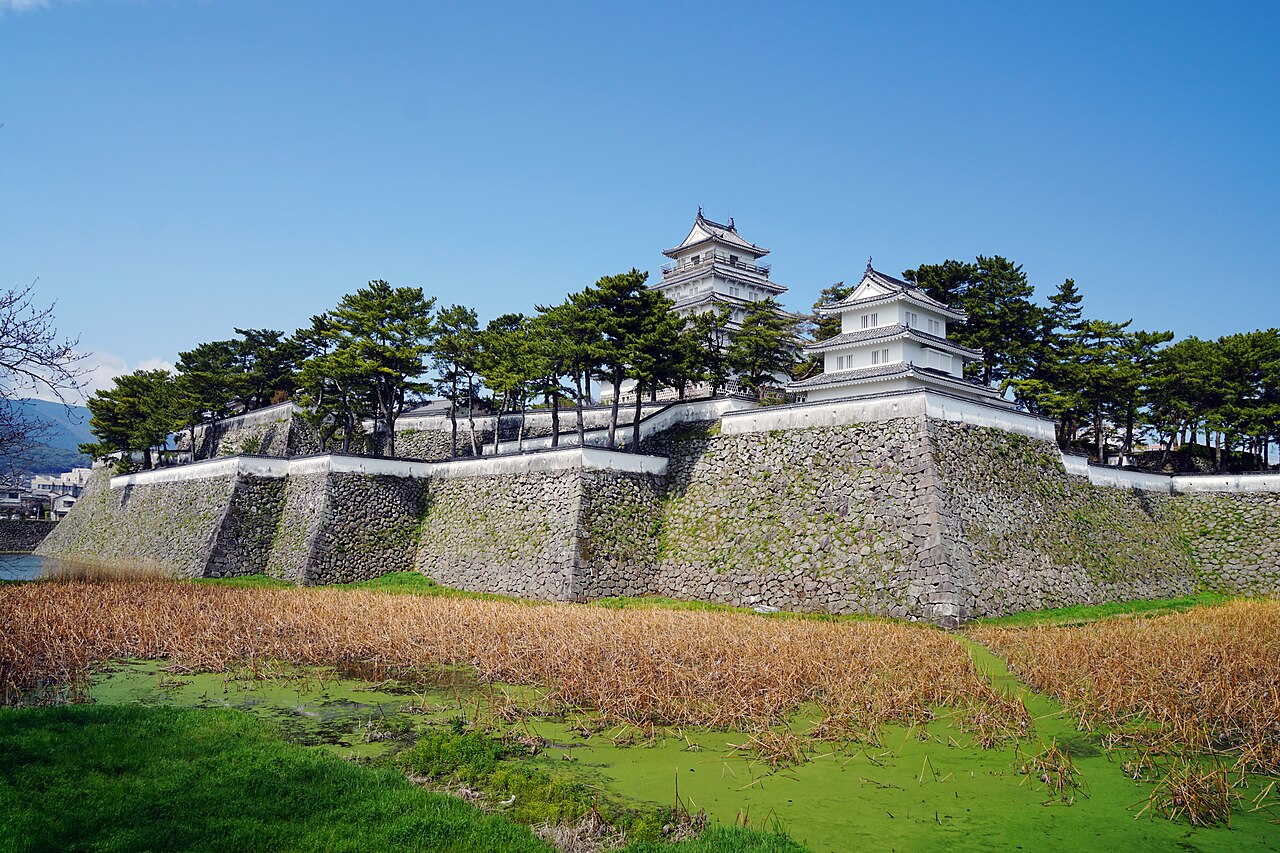
- Yes, there are several nearby attractions, including the Shimabara Castle and the beautiful Unzen-Amakusa National Park. These sites offer additional cultural insights and natural beauty, making them perfect for a full day of exploration. Combining your visit to Hara Castle with these nearby locations will enrich your understanding of the region's history and landscape.

Information
Current owner
National government
Loading map...
Visitor reviews
No reviews yet. Been here? Write the first review and help other travelers!
Write the first reviewVisited this castle? Share your experience
Your review helps other travelers and adds first-hand knowledge to our encyclopedia.