Hitoyoshi Castle
Hitoyoshi Castle stands as a significant example of a hill castle in Hitoyoshi, Kumamoto Prefecture, Japan, with origins tracing back to the late 12th century. Founded in 1198 by Sagara Nagayori, it became the ancestral seat of the Sagara clan for an impressive span of 35 generations. This castle's history is deeply intertwined with the political and military developments of the High Medieval period in Japan, particularly during the turbulent Sengoku period.
The founding and early history
The establishment of Hitoyoshi Castle in 1198 marked the beginning of the Sagara clan's rise in the region. The original fortifications were likely modest, characteristic of early hilltop castles designed primarily for defense and local governance. While detailed architectural records from this period are scarce, the castle's strategic location on elevated terrain provided natural advantages for surveillance and defense.
By the 15th century, during the Sengoku period, the castle had evolved into a more complex fortification. The first documented evidence of a Sengoku era castle at Hitoyoshi dates to 1470, under the lordship of Sagara Tametsugu. This period was marked by widespread conflict and the need for strongholds that could withstand sieges and support military campaigns.
Major renovations and architectural features
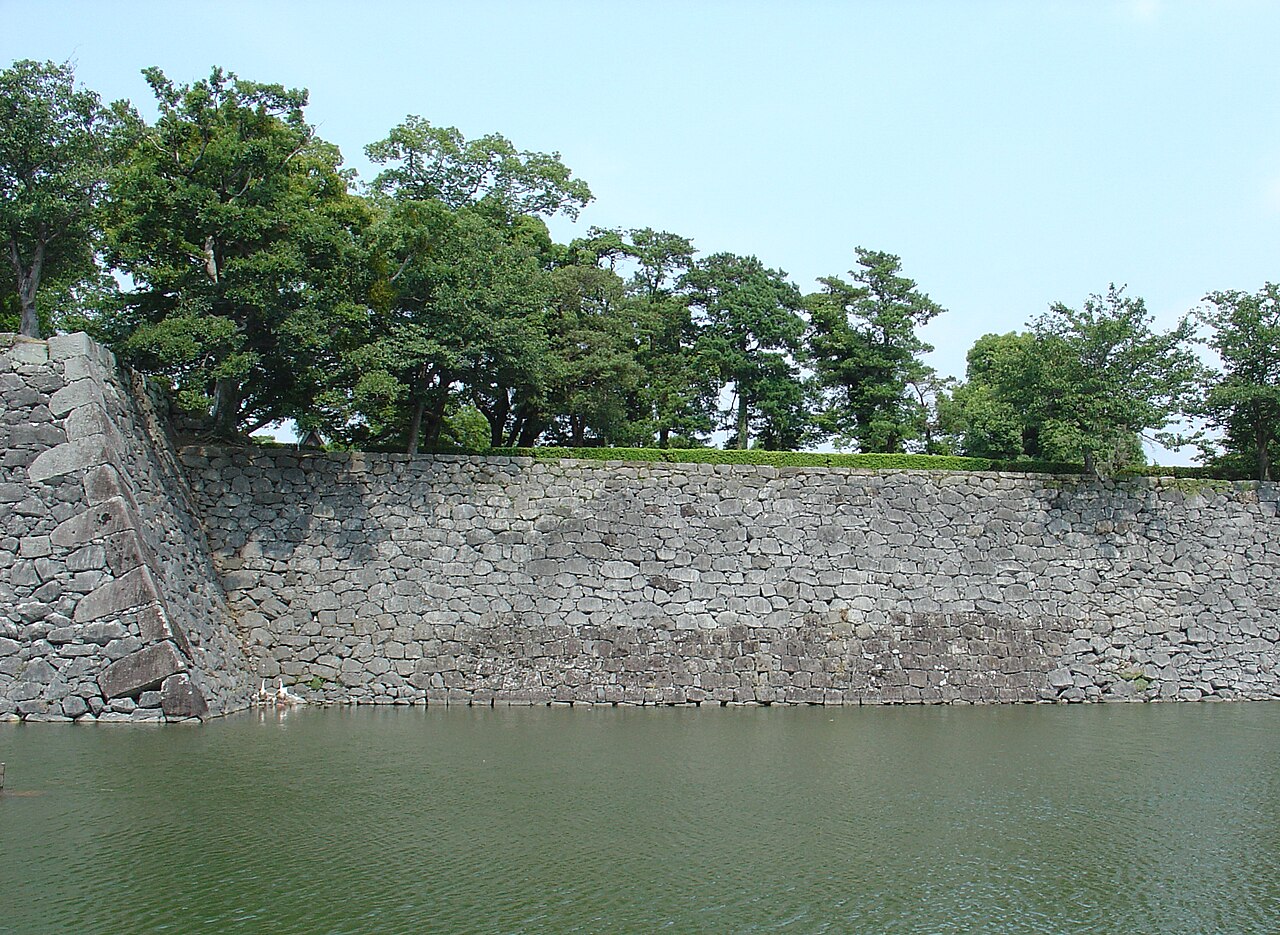
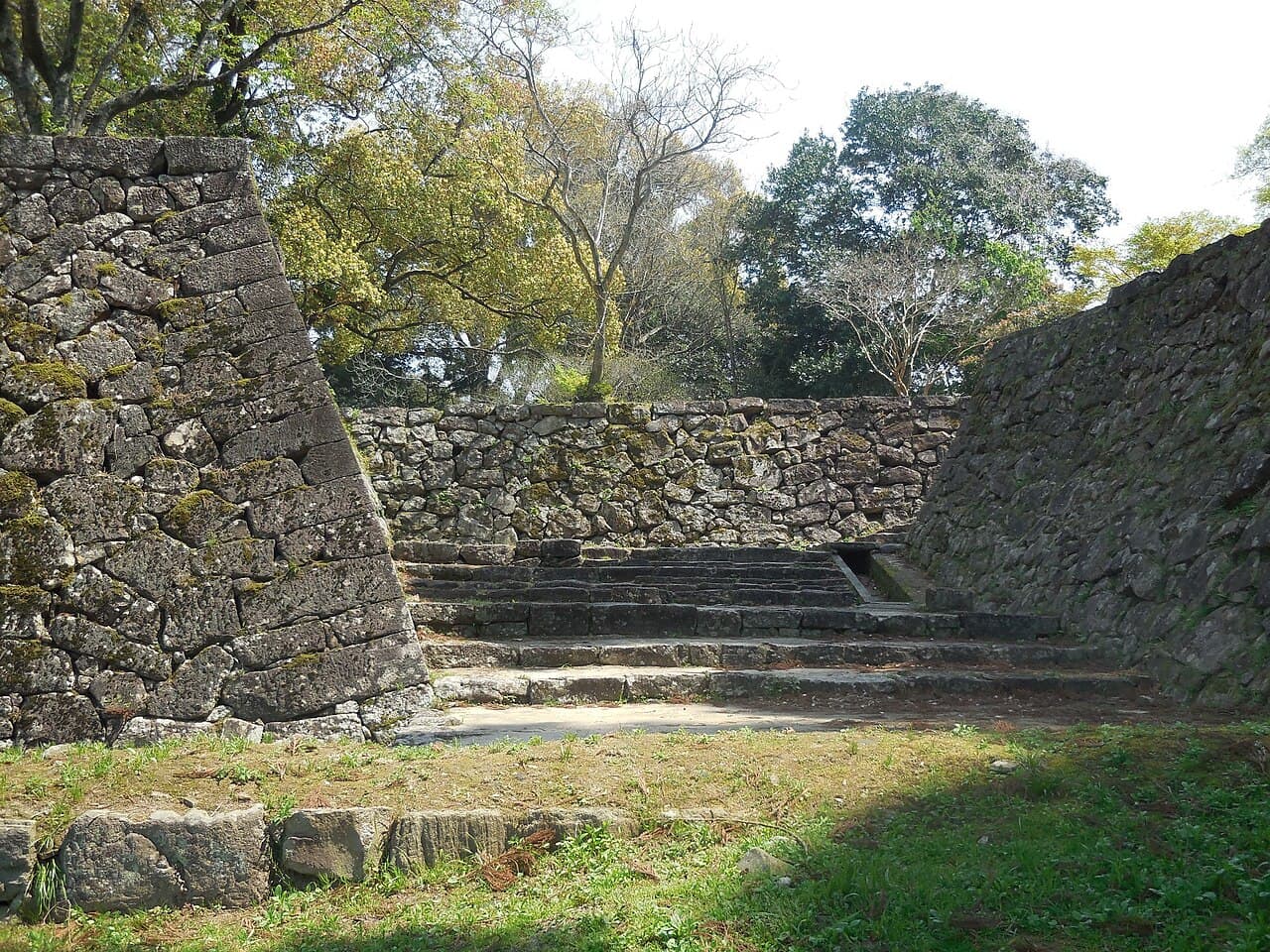
A significant phase of construction began in 1589 under Sagara Nagatsune, who initiated large-scale renovations to modernize and expand the castle's defenses and facilities. These efforts culminated in the completion of the main baileys and key structures by 1601. The castle's stone walls, an essential feature for fortification, were finalized by 1644, reflecting advancements in castle-building techniques and the increasing importance of stonework in Japanese castles.
One of the most distinctive features of Hitoyoshi Castle is its innovative use of the Kumagawa River as a natural outer moat. This integration of the river not only enhanced the castle's defensive capabilities but also facilitated trade and transportation. The castle complex included several boat landings, which allowed for increased water traffic and economic activity, highlighting the dual military and commercial functions of the site.
Castle layout and structures
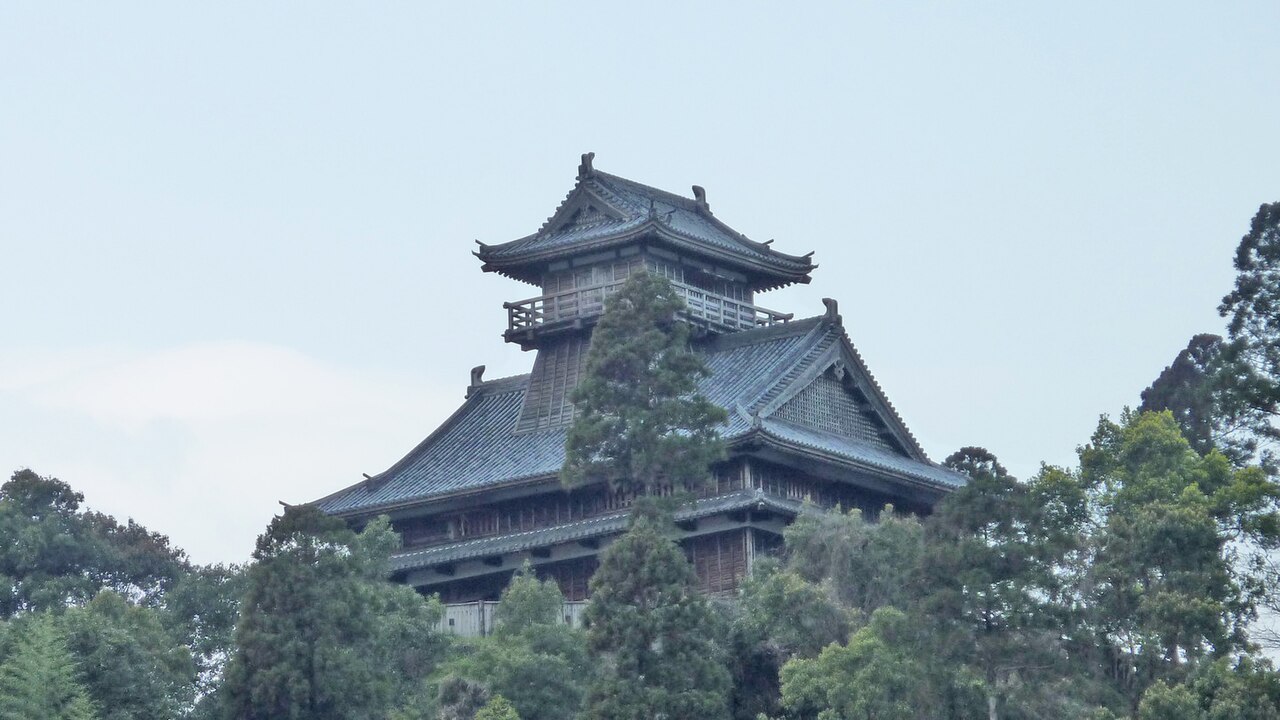
The castle originally comprised multiple baileys (courtyards), defensive walls, gates, and watchtowers (yagura). The baileys served as administrative and residential areas, while the yagura provided vantage points for surveillance and defense. The stone walls, constructed with skilled masonry, were designed to resist attacks and control access to the inner areas.
Decline and preservation efforts
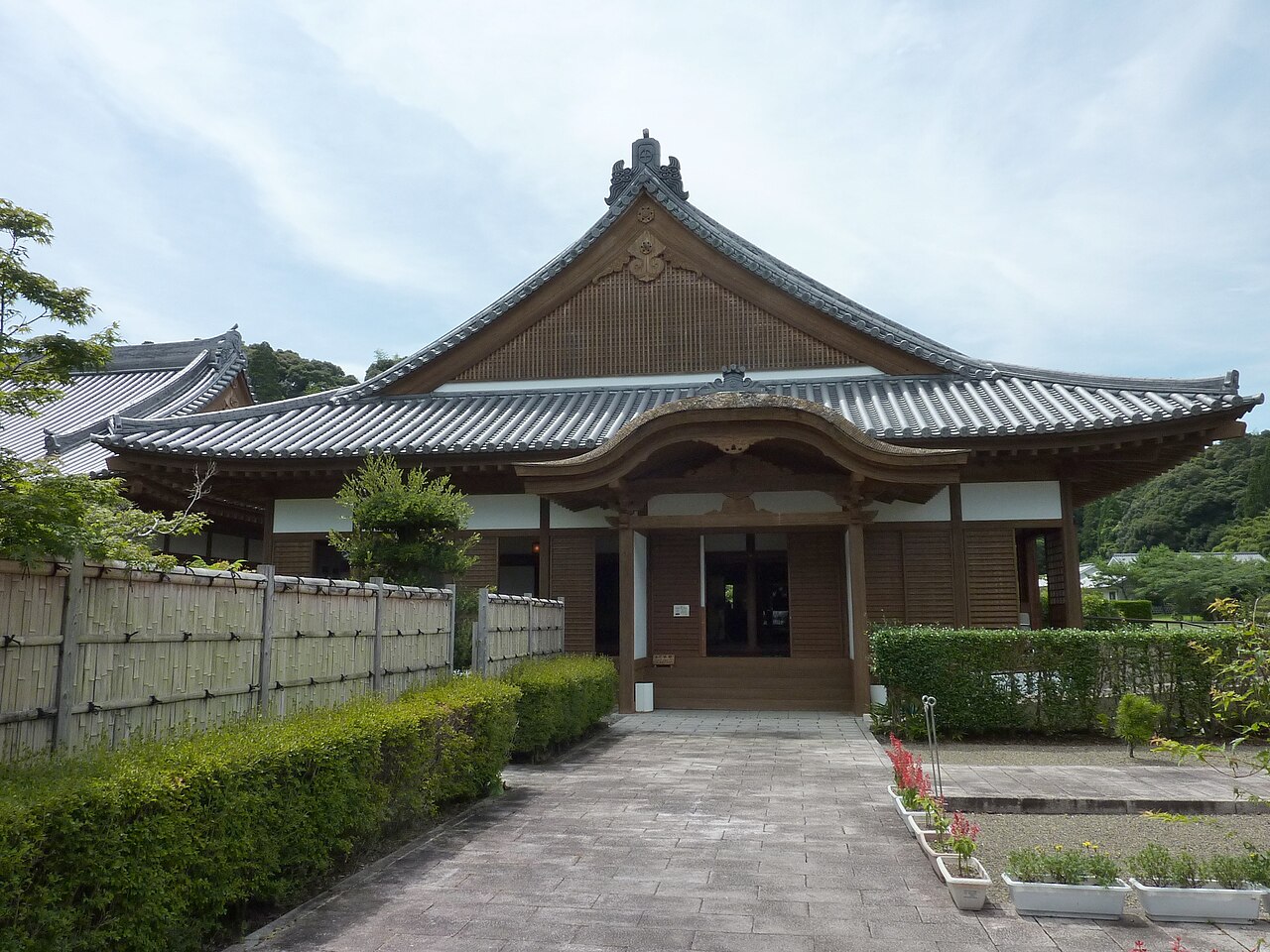
Following the Meiji Restoration, the castle was dismantled in 1872 as part of the nationwide movement to abolish feudal fortifications. Today, only the stone walls remain largely intact, offering valuable insight into the castle's original scale and defensive design. However, recent reconstruction efforts have successfully rebuilt two yagura and a gate, allowing visitors to better visualize the castle's historical appearance and architectural style.
These preservation projects have been crucial in maintaining Hitoyoshi Castle's cultural heritage and promoting it as a site of historical tourism. The castle ruins, combined with the reconstructed structures, provide a compelling experience for castle enthusiasts and historians alike.
Visiting Hitoyoshi Castle
Today, Hitoyoshi Castle is recognized for its extensive ruins and the harmonious blend of natural and man-made defensive features. Visitors can explore the remaining stone walls, reconstructed yagura, and gate, while enjoying views of the surrounding landscape and the Kumagawa River. The site offers a tangible connection to Japan's feudal past and the architectural ingenuity of its castle builders.
Hitoyoshi Castle is an excellent destination for those interested in Japanese medieval architecture, clan history, and the strategic use of natural geography in castle construction. Its partial preservation allows for educational and cultural engagement, making it a valuable asset to the region's historical narrative.
Frequently asked questions (FAQ)
- How do I get to Hitoyoshi Castle?
- Hitoyoshi Castle is located in Hitoyoshi, Japan, and is accessible by public transport. The nearest train station is Hitoyoshi Station, which is about a 15-minute walk to the castle. Buses and taxis are also available for convenience.
- What is the historical significance of Hitoyoshi Castle?
- Hitoyoshi Castle, originally built in the 15th century, played a crucial role during the feudal era in Japan. It served as a strategic military base and residence for the Kato clan, showcasing the power dynamics of the region. Today, it stands as a symbol of local heritage and is celebrated for its historical importance.
- When was Hitoyoshi Castle built?
- Hitoyoshi Castle was constructed in 1457 by the Kato clan. Over the centuries, it underwent various renovations and restorations, particularly during the Edo period. Its architectural evolution reflects the changing military and political landscapes of Japan.
- Can I enter Hitoyoshi Castle?
- Yes, visitors can enter Hitoyoshi Castle and explore its grounds. The castle features scenic views and historical artifacts that provide insight into its past. Keep in mind that access may vary depending on ongoing preservation efforts.
- Why is Hitoyoshi Castle considered an important architectural site?
- Hitoyoshi Castle is renowned for its unique construction and design, which blend traditional Japanese architectural styles with the specific needs of a defensive fortress. Its layout includes stone walls and a series of moats, illustrating the castle's strategic significance. The preservation of its structures allows visitors to appreciate historical Japanese architecture.
- Is it possible to visit Hitoyoshi Castle year-round?
- Yes, Hitoyoshi Castle is open to visitors year-round, although opening hours may vary with the seasons. It's advisable to check the official website or local tourist information for the most current visiting hours. Certain areas may be closed for maintenance or during special events.
- What is the best time to visit Hitoyoshi Castle?
- The best time to visit Hitoyoshi Castle is during the spring and autumn months when the weather is mild and the scenery is particularly beautiful. Cherry blossoms in spring and colorful foliage in autumn enhance the castle's picturesque setting. Summer can be hot and humid, while winter may bring cold weather.
- What are the ticket prices for Hitoyoshi Castle?
- Entry to Hitoyoshi Castle typically involves a nominal fee, which helps with the maintenance and preservation of the site. Prices may vary for adults, children, and groups, so it's best to check the latest information on their official website. Some special events may also have different pricing.
- Are there any nearby attractions to visit along with Hitoyoshi Castle?
- Yes, nearby attractions include the Hitoyoshi Onsen hot springs and the historical Hitoyoshi City Museum. Visitors can also explore the scenic Kumagawa River, which offers beautiful views and recreational activities. These sites complement a visit to Hitoyoshi Castle and enhance your experience in the area.
Photo gallery

Information
Website
Visit websiteSources & official resources
Verify the information above using these authoritative references.
Loading map...
Visitor reviews
No reviews yet. Been here? Write the first review and help other travelers!
Write the first reviewVisited this castle? Share your experience
Your review helps other travelers and adds first-hand knowledge to our encyclopedia.