Yaniv Castle
Yaniv Castle (Ukrainian: Янівський замок, romanized: Yanivs'kyi zamok) stands as a notable example of a 17th-century Renaissance hill castle located in Dolyna, Ternopil Oblast, Ukraine. This fortress was strategically constructed on a sloping hill, offering natural defensive advantages characteristic of hill castles. The castle was commissioned by Jan Golski, the Voivode of Podolia and Castellan of Halych, who was the brother of Stanisław Golski, the Voivode of Rus. Yaniv Castle is recognized as an architectural monument of national importance in Ukraine.
Historical context and significance
Built during the Renaissance period in the 17th century, Yaniv Castle reflects the architectural and military trends of Eastern Europe during a time of frequent conflicts and territorial disputes. The castle was constructed not only as a noble residence but also as a defensive stronghold to protect the surrounding region from invasions and raids. The Golski family, influential in the Polish-Lithuanian Commonwealth, played a significant role in the political and military landscape of the time, with Yaniv Castle serving as a symbol of their power and status.
Architectural features and design
Yaniv Castle's location on a sloping hill provided a natural fortification, enhancing its defensive capabilities. The castle's design incorporates typical Renaissance elements, although details specific to the castle's layout and fortifications are less documented. The Renaissance style often included symmetry, proportion, and the integration of classical architectural elements, which may be reflected in the castle's remaining structures.
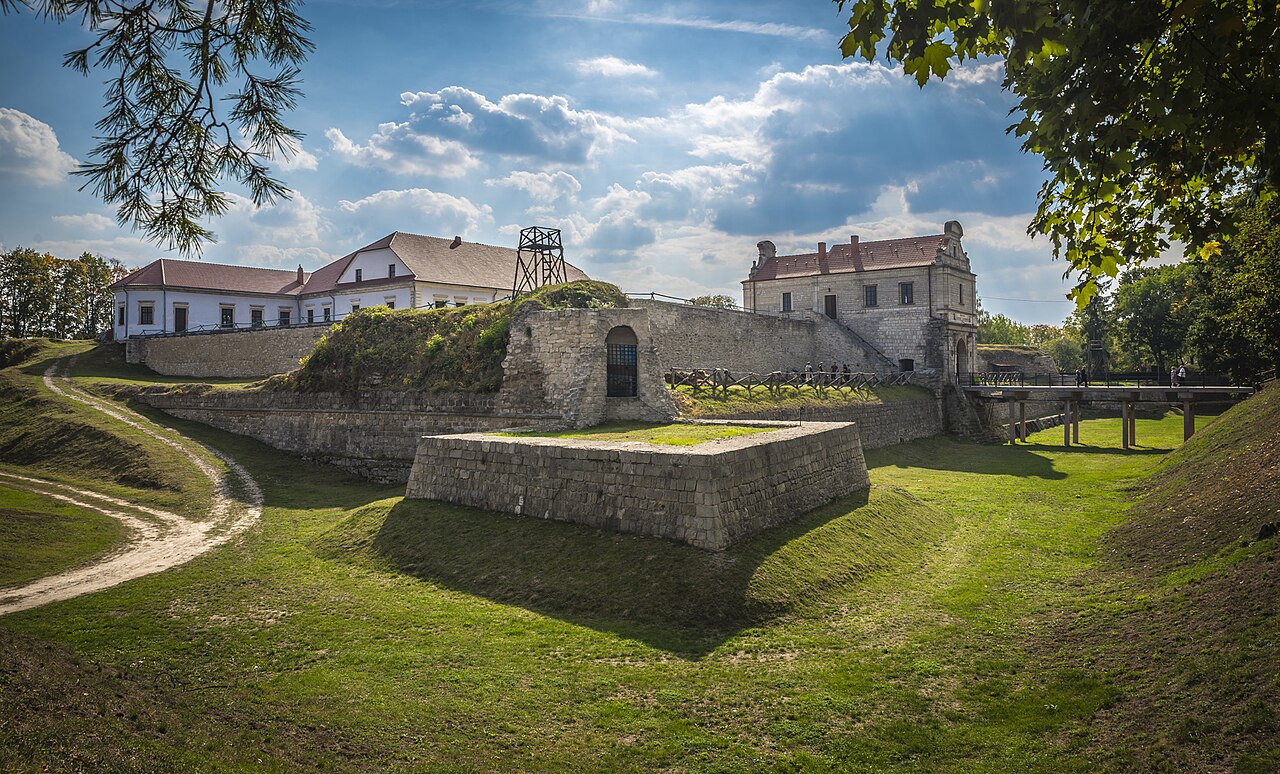
The castle likely featured thick defensive walls, towers for surveillance and protection, and possibly a moat or other water defenses, common in hill castles of this era. The interior would have included residential quarters, storage rooms, and possibly a chapel, reflecting the dual function of the castle as both a fortress and a noble residence.
Defensive structures
Given its strategic importance, Yaniv Castle was equipped with various defensive features. The steep hill itself acted as a natural barrier. The castle's walls were probably reinforced to withstand artillery, which was becoming increasingly important in the 17th century. Towers would have provided vantage points for lookouts and archers, while gates were fortified to control access.
The Golski family and their influence
The Golski family were prominent nobles within the Polish-Lithuanian Commonwealth. Jan Golski, the builder of Yaniv Castle, held significant titles, including Voivode of Podolia and Castellan of Halych. His brother, Stanisław Golski, was the Voivode of Rus. Their influence extended over large territories in what is now western Ukraine, and the castle was a physical manifestation of their authority.
The family's role in regional politics and military defense was critical during a turbulent period marked by wars with the Ottoman Empire, Cossack uprisings, and shifting alliances. Yaniv Castle served as a military base and administrative center under their stewardship.
Later history and current status
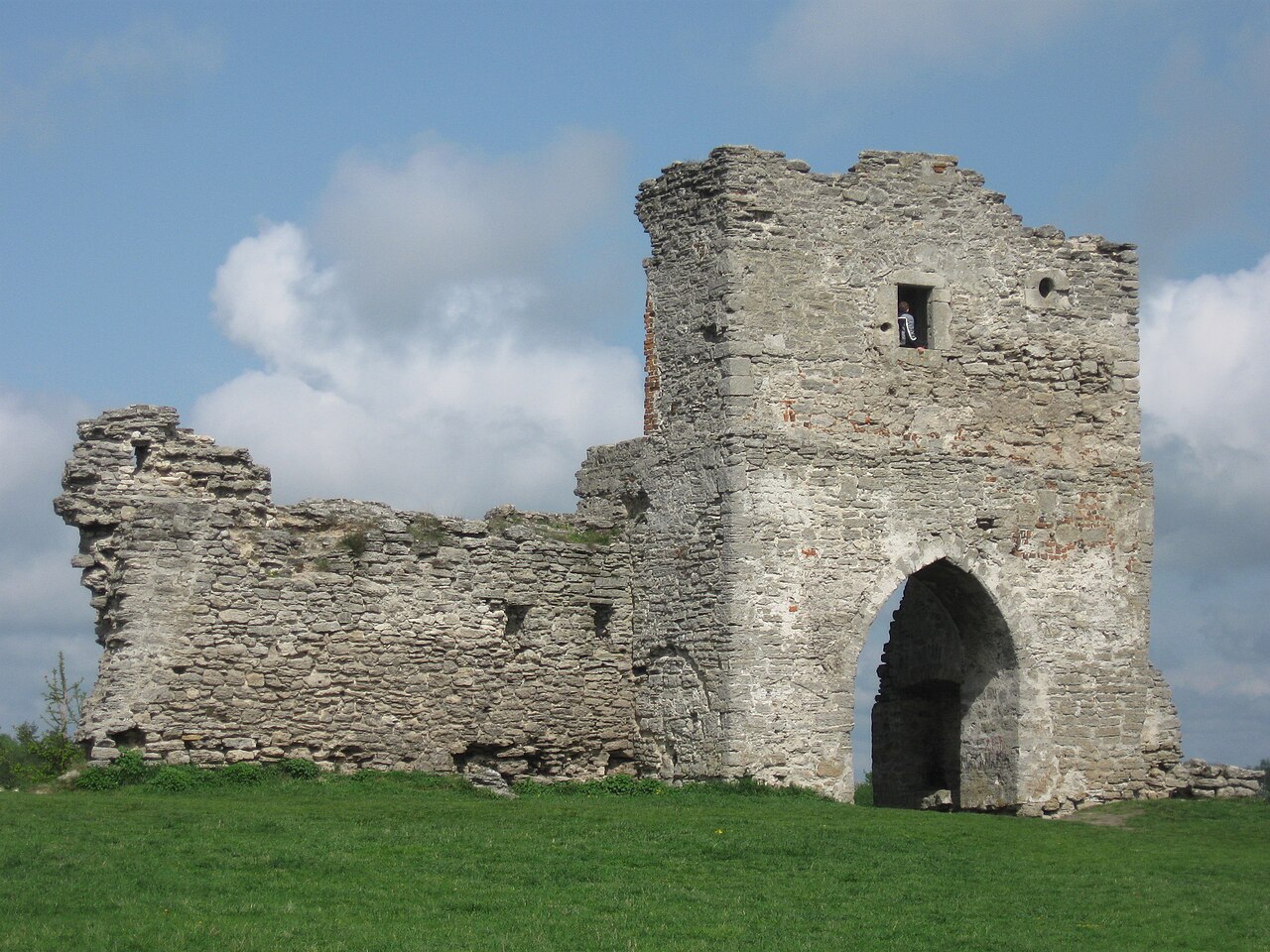
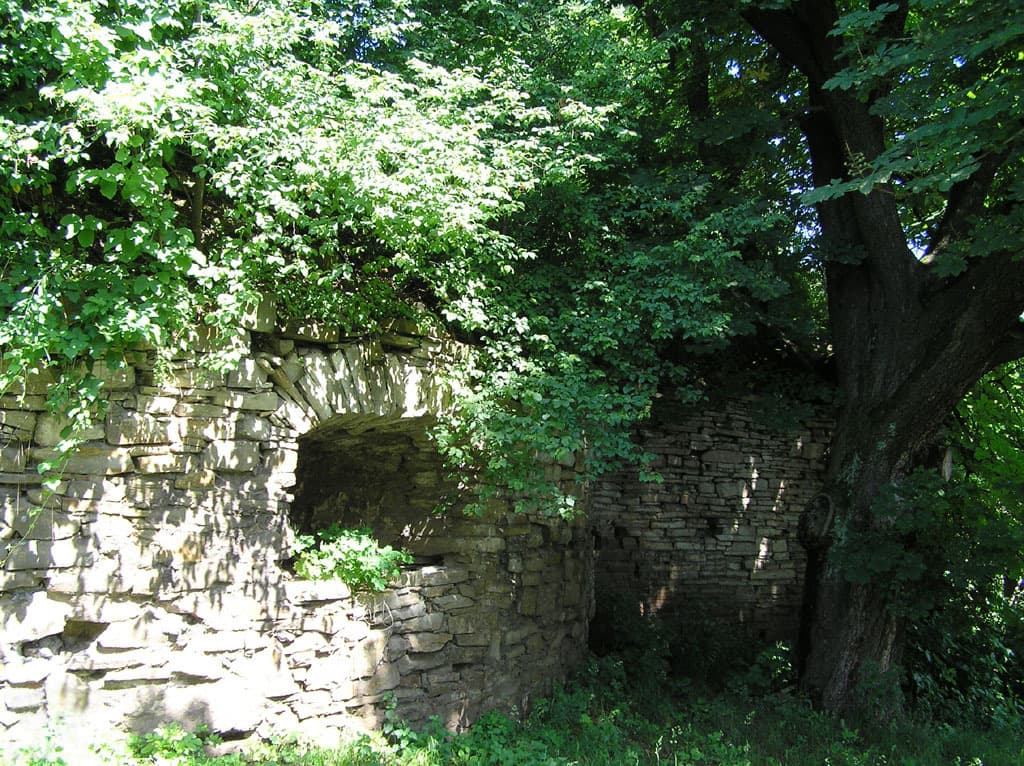
Over the centuries, Yaniv Castle has experienced various degrees of preservation and decline. While originally a well-fortified stronghold, the castle's condition today is classified as partially preserved. Some original walls and structures remain, offering insight into its historical and architectural significance.
The castle is recognized as an architectural monument of national importance in Ukraine, highlighting its cultural heritage value. It attracts historians, architects, and tourists interested in Renaissance military architecture and the region's noble history.
Preservation efforts
Efforts to maintain and preserve Yaniv Castle have been ongoing, though limited by funding and the challenges of restoring centuries-old stone structures. Preservation focuses on stabilizing existing ruins and preventing further deterioration, ensuring that the castle remains a tangible link to Ukraine's Renaissance past.
Visiting Yaniv Castle
Yaniv Castle is accessible to visitors interested in exploring its historical ruins and the surrounding landscape. Its hilltop location offers panoramic views of the area, enhancing the visitor experience. While facilities may be limited due to the castle's partial preservation, the site remains a significant cultural and historical destination in Ternopil Oblast.
Frequently asked questions (FAQ)
- When was Yaniv Castle built?
- Yaniv Castle was constructed in the 17th century during the Renaissance period, reflecting the architectural style of that era.
- Where is Yaniv Castle located?
- Yaniv Castle is located in Dolyna, Ternopil Oblast, Ukraine, situated on a sloping hill which provided natural defense.
- Who built Yaniv Castle?
- The castle was built by Jan Golski, Voivode of Podolia and Castellan of Halych, a notable nobleman of the Polish-Lithuanian Commonwealth.
- What architectural style characterizes Yaniv Castle?
- Yaniv Castle exhibits Renaissance architectural features typical of 17th-century fortifications, including symmetry and proportion in its design.
- What is the current condition of Yaniv Castle?
- Today, Yaniv Castle is partially preserved, with some original walls and structures remaining intact for visitors to explore.
- Can visitors access Yaniv Castle?
- Yes, visitors can access Yaniv Castle to explore its ruins and enjoy panoramic views from its hilltop location, although facilities may be limited.
Photo gallery

Information
Loading map...
Visitor reviews
No reviews yet. Been here? Write the first review and help other travelers!
Write the first reviewVisited this castle? Share your experience
Your review helps other travelers and adds first-hand knowledge to our encyclopedia.