Suoyang City
Suoyang City (Chinese: 锁阳城; pinyin: Suǒyáng Chéng), also known as Kuyu (苦峪), is a significant archaeological site located in Guazhou County of Gansu Province, northwestern China. This ruined city was a prominent settlement along the ancient Silk Road, serving as a vital hub for trade, culture, and administration for over a millennium. Established initially as Ming'an County in 111 BC by Emperor Wu of Han, the city was later relocated and reconstructed at its current site in 295 AD by Emperor Hui of the Western Jin dynasty.
Suoyang City functioned as the capital of Jinchang Commandery, which was later renamed Guazhou Prefecture. It flourished especially during the Tang dynasty and the Western Xia dynasty, becoming a major administrative, economic, and cultural center within the Hexi Corridor. At its peak, the city supported an estimated population of around 50,000 inhabitants.
Historical development and significance
The foundation of Suoyang City as Ming'an County under the Han dynasty marked the beginning of its strategic importance along the Silk Road. The city's relocation in the late 3rd century AD under the Western Jin dynasty was part of a broader effort to consolidate control over the Hexi Corridor, a key route connecting China to Central Asia and beyond.
Throughout the Tang dynasty (618–907 AD), Suoyang City thrived as a bustling trade center, benefiting from the prosperity of the Silk Road. It maintained its prominence during the Western Xia dynasty (1038–1227 AD), when it served as a fortified capital city. The city's long period of habitation reflects its enduring importance in regional politics and commerce.
The decline of Suoyang City began in the late Ming dynasty period. It was ultimately destroyed and abandoned in the 16th century following attacks by Mansur Khan of Moghulistan, marking the end of its role as a key Silk Road urban center.
Architectural features and city layout
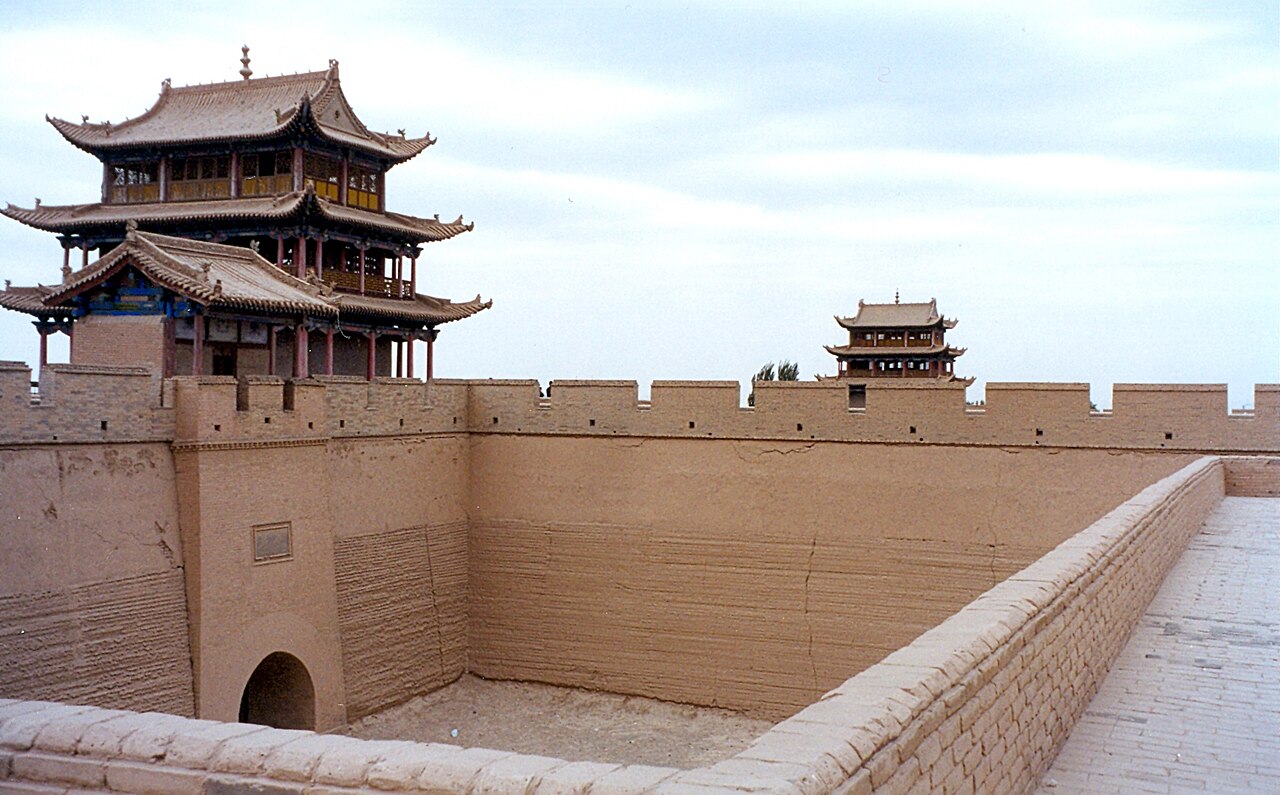
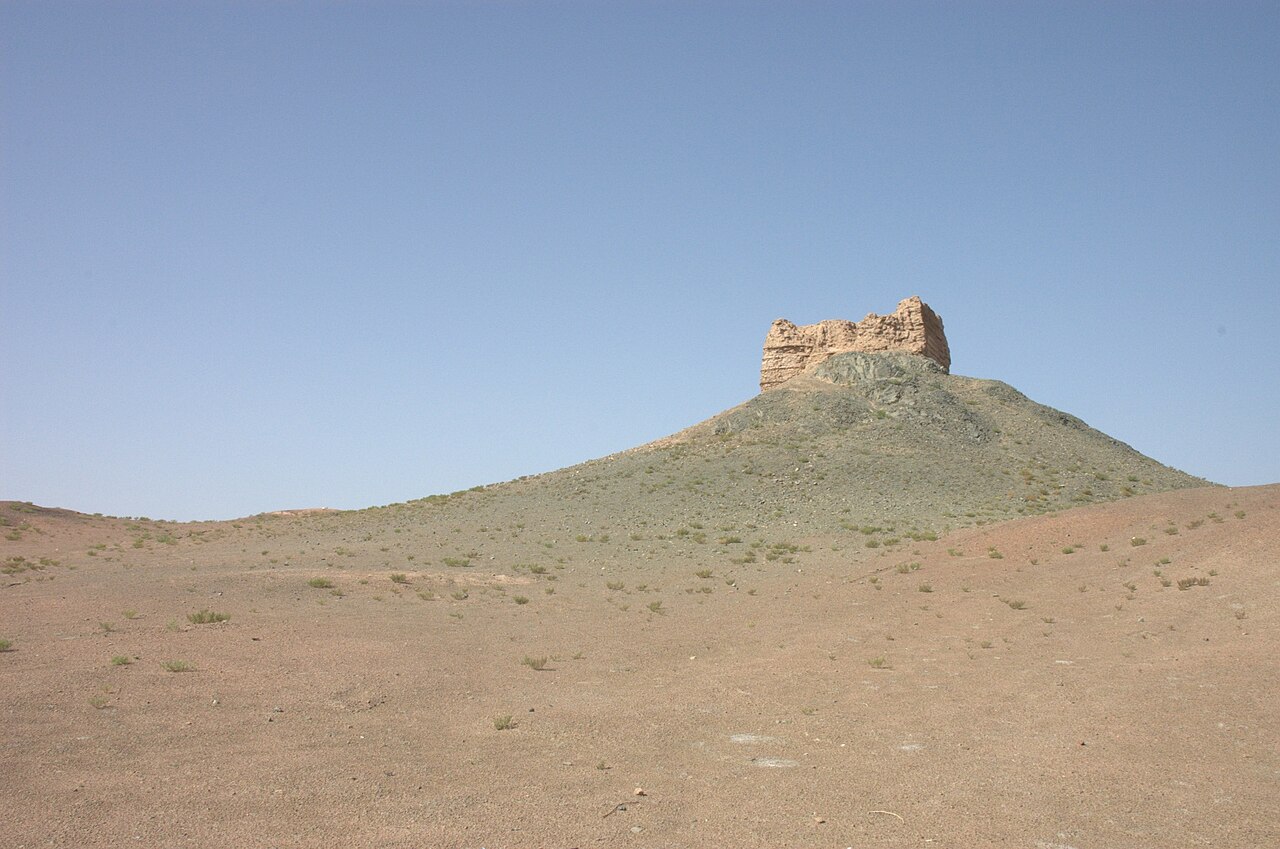
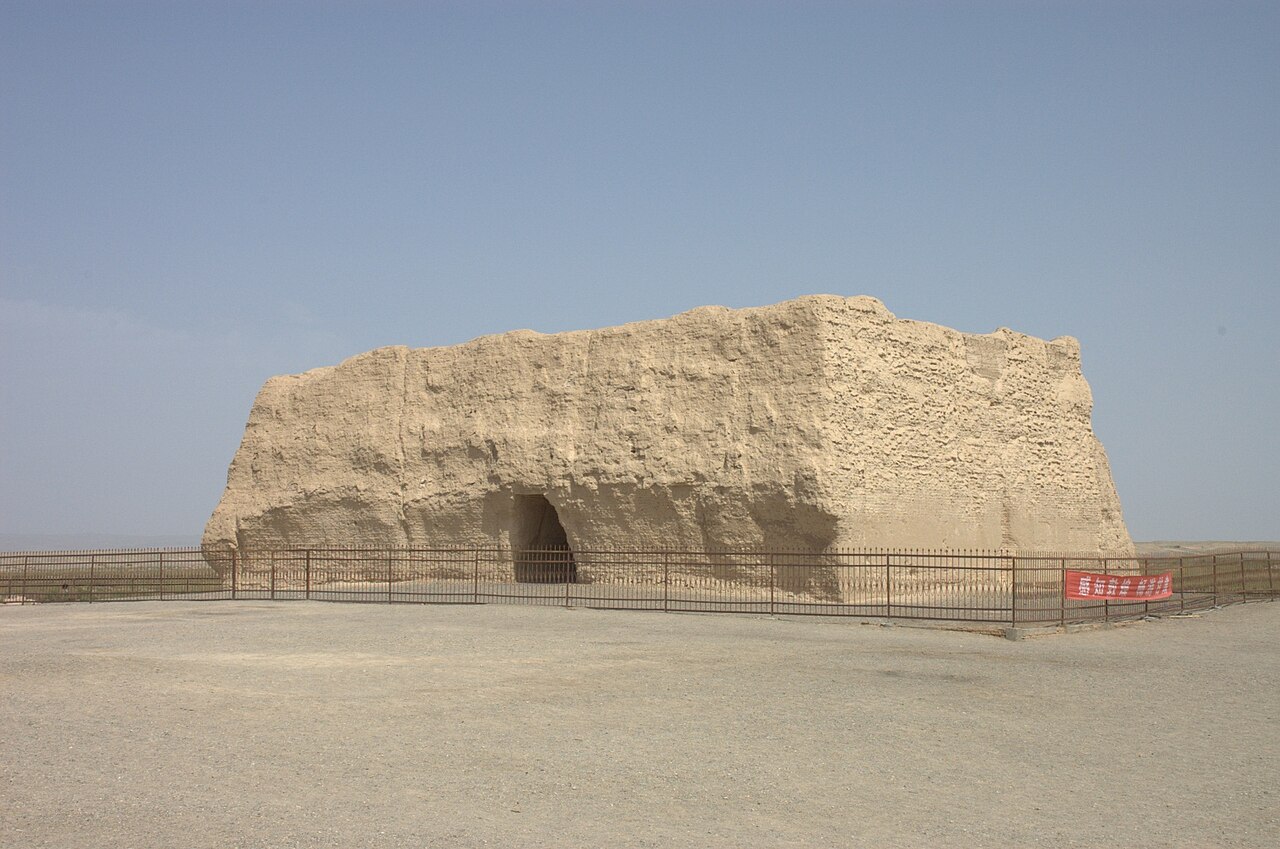
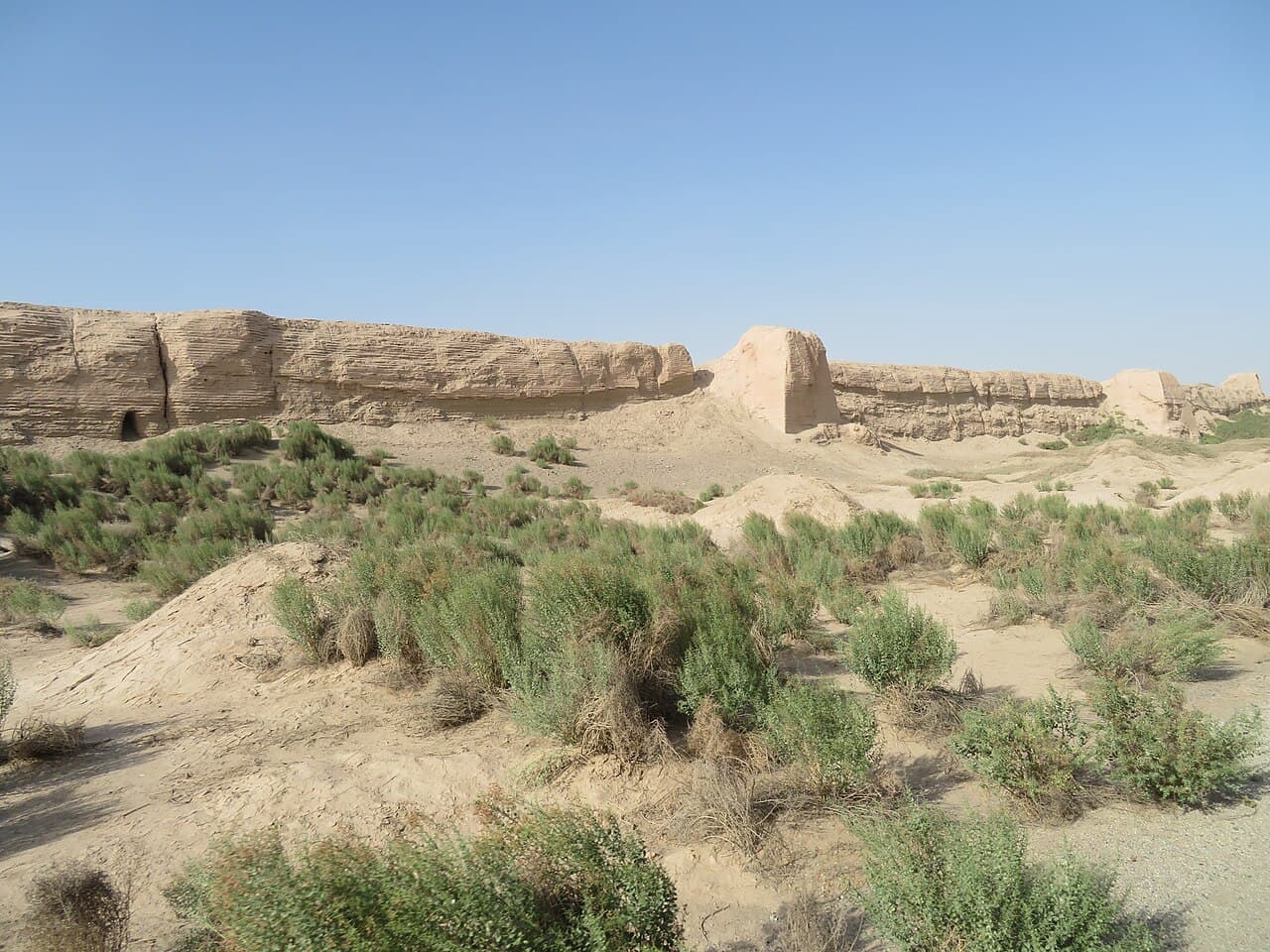
The ruins of Suoyang City encompass a complex urban layout consisting of an inner city, an outer city, and several yangmacheng — fortified animal enclosures that doubled as defensive fortresses during wartime. These structures highlight the city's military as well as civilian functions, reflecting the need for protection along a volatile trade route.
The city walls, constructed of rammed earth and bricks, formed formidable defensive barriers. The inner city housed administrative buildings, residences, and religious sites, while the outer city contained additional residential areas and commercial districts. The yangmacheng were strategically positioned to defend the city and its surrounding lands.
Surrounding archaeological features
The broader archaeological park around Suoyang City includes the original site of Ming'an County, which predates the current city ruins. More than 2,000 tombs have been excavated in the vicinity, providing rich insights into the burial customs and social hierarchy of the region's ancient inhabitants.
One of the remarkable features of the site is an extensive ancient irrigation system comprising over 90 kilometers (56 miles) of canals. This system was vital for sustaining agriculture and supporting the large population of the city in the arid environment of the Hexi Corridor.
Religious and cultural sites
Suoyang City is notable for its numerous Buddhist sites within the archaeological park. These include the Ta'er Temple, the Eastern Thousand Buddha Caves, the Jianquanzi Caves (碱泉子石窟), and the Hanxia Caves (旱峡石窟). These sites contain Buddhist statues, murals, and inscriptions that attest to the city's role as a religious center on the Silk Road.
The Buddhist caves and temples demonstrate the cultural exchanges facilitated by the Silk Road, showcasing artistic influences from India, Central Asia, and China. They provide valuable evidence of the spread of Buddhism and its integration into local society during the medieval period.
Preservation and heritage status
Today, Suoyang City stands as a significant archaeological ruin that offers a window into the history of the Silk Road and ancient Chinese urbanism. The site is protected as a Major National Historical and Cultural Site of China (No. 4-50), reflecting its importance in Chinese heritage.
In 2014, Suoyang City was inscribed on the UNESCO World Heritage List as part of the Silk Roads: the Routes Network of Chang'an-Tianshan Corridor. This designation highlights the city's value as part of the broader network of Silk Road sites that shaped Eurasian history.
Archaeological research and conservation efforts continue at Suoyang City to preserve its remains and to deepen understanding of its historical context. The site attracts scholars and tourists interested in the Silk Road, ancient Chinese history, and archaeological heritage.
Frequently asked questions (FAQ)
- What is the historical significance of Suoyang City?
- Suoyang City, located in Guazhou County, China, is an ancient city with a rich history dating back to the Han Dynasty. It served as a strategic military outpost along the Silk Road, playing a crucial role in trade and cultural exchange between East and West.
- When was Suoyang City built?
- Suoyang City was originally constructed during the Han Dynasty, around 200 BCE. Over the centuries, it has undergone various renovations and restorations that reflect the architectural styles and military needs of different dynasties.
- Can I visit Suoyang City year-round?
- Yes, Suoyang City is open to visitors throughout the year. However, the best time to visit is during the spring and autumn months when the weather is mild and conducive for exploring the site.
- What are the opening hours for Suoyang City?
- Suoyang City typically opens at 8:00 AM and closes at 6:00 PM. It's advisable to check for any seasonal changes in opening hours before your visit.
- Is it possible to explore the architecture of Suoyang City?
- Absolutely! The architecture of Suoyang City features impressive ancient walls, watchtowers, and temple structures, showcasing the military design of its time. Visitors can wander through the ruins and appreciate the craftsmanship and historical context of these structures.
- Are there any nearby attractions to visit while at Suoyang City?
- Yes, there are several nearby attractions, including the ancient Silk Road routes and natural landscapes that offer opportunities for hiking and photography. Guazhou County is also home to other historical sites and cultural landmarks worth exploring.
- What are the ticket prices for visiting Suoyang City?
- The ticket prices for Suoyang City are quite affordable, typically ranging from 20 to 50 RMB per person. It's a great value for the opportunity to explore such a historically significant site.
- How do I get to Suoyang City?
- Suoyang City is accessible by car or public transportation from major cities in Gansu Province. Local buses and taxis can take visitors directly to the site, making it convenient for both tourists and locals.
Photo gallery

Information
Loading map...
Visitor reviews
No reviews yet. Been here? Write the first review and help other travelers!
Write the first reviewVisited this castle? Share your experience
Your review helps other travelers and adds first-hand knowledge to our encyclopedia.