Nijo Castle
Nijo Castle in Kyoto, Japan, is a remarkable example of a lowland castle that served as the Kyoto residence and headquarters of Tokugawa Ieyasu, the first shogun of the Tokugawa shogunate, established in 1603. This castle complex is a significant cultural and historical landmark that reflects the power and prestige of the Tokugawa shogunate, which ruled Japan for over 260 years from 1603 to 1868.
The castle was originally built on the site of a mansion constructed by the warlord Oda Nobunaga in 1569. However, the present castle was erected by Tokugawa Ieyasu in 1603 to serve as his official residence when he was in Kyoto. Unlike many Japanese castles, Nijo Castle was not primarily designed for military defense but as a symbol of authority and governance. The castle's wide moat, massive stone walls, and elaborate gates were sufficient to demonstrate the shogun's dominance and deter potential threats.
Architectural layout and defensive features
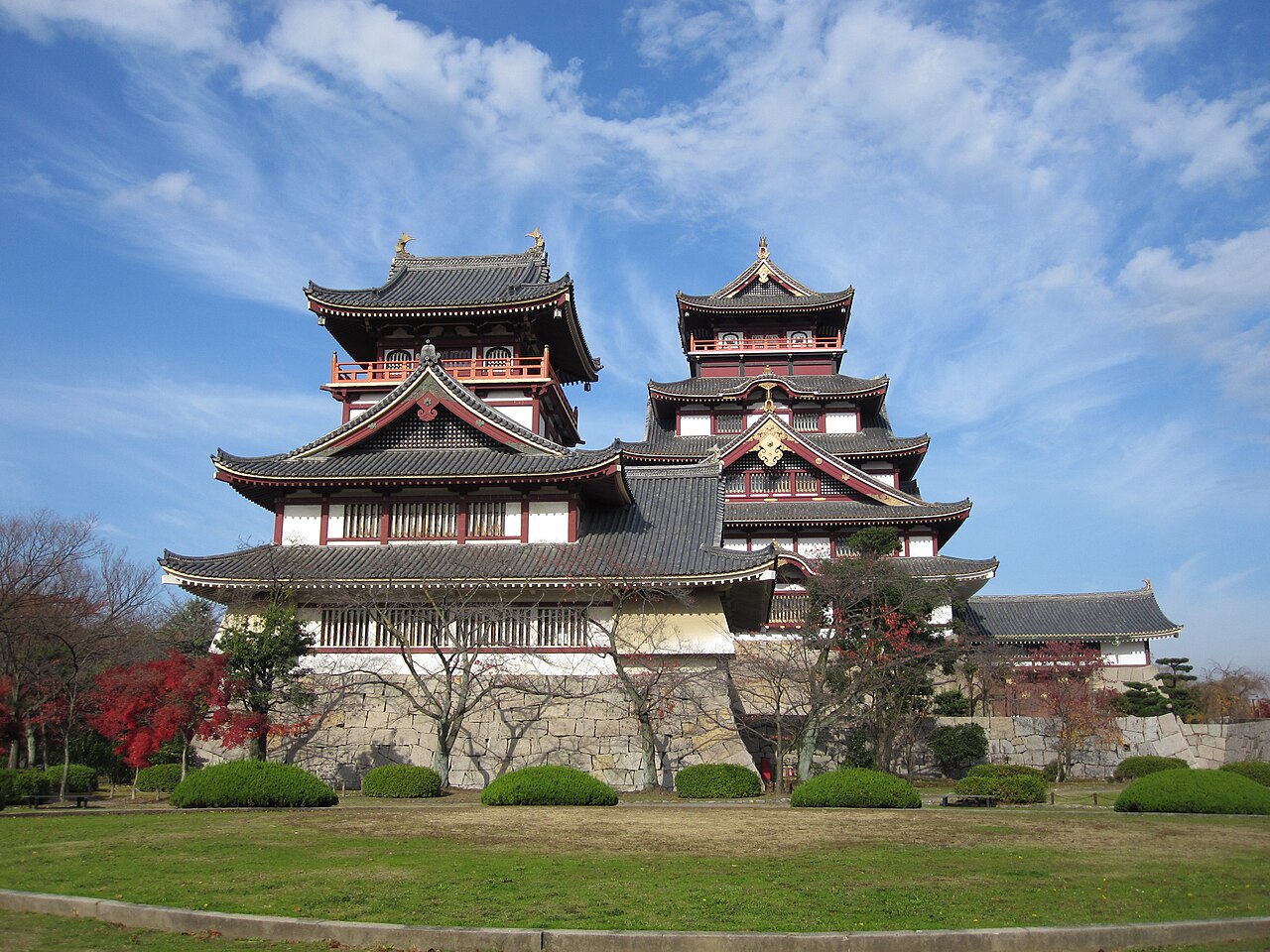
Nijo Castle is classified as a lowland castle, built on flat terrain rather than on a hill or mountain. The castle complex originally included multiple baileys surrounded by moats and stone walls, with numerous gates, turrets, and storehouses that served both defensive and administrative functions. Although the main keep (tenshu) was destroyed by lightning in 1750 and never rebuilt, the remaining structures provide a comprehensive view of the castle's layout and historical function.
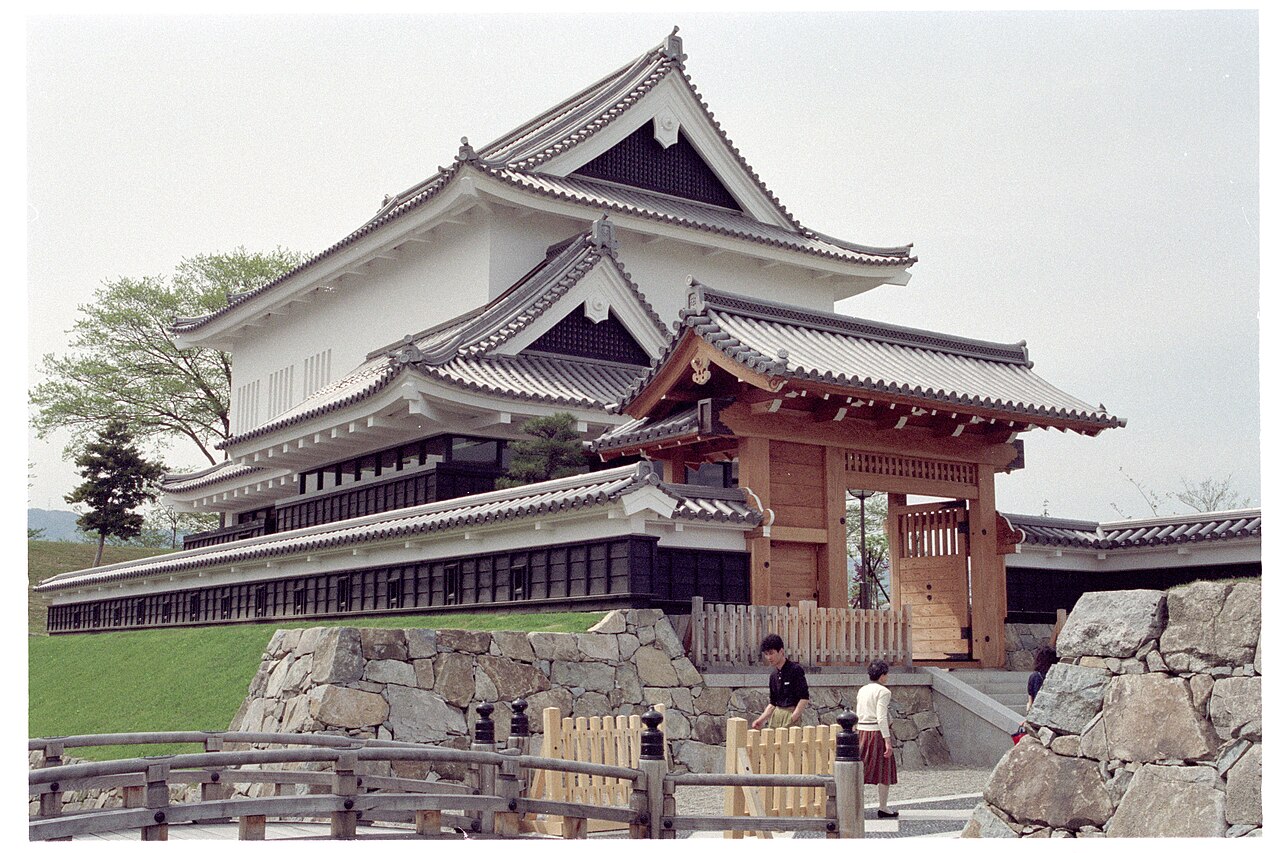
The castle's fortifications include impressive stone walls that enclose the compound, providing protection and delineating the shogun's domain. The moats surrounding the castle are broad and deep, serving as a formidable barrier against invaders. The elaborate gates, such as the famous Karamon gate, are richly decorated and symbolize the prestige of the Tokugawa shogunate. These gates also functioned as controlled entry points, enhancing security.
Palatial structures and artistic heritage
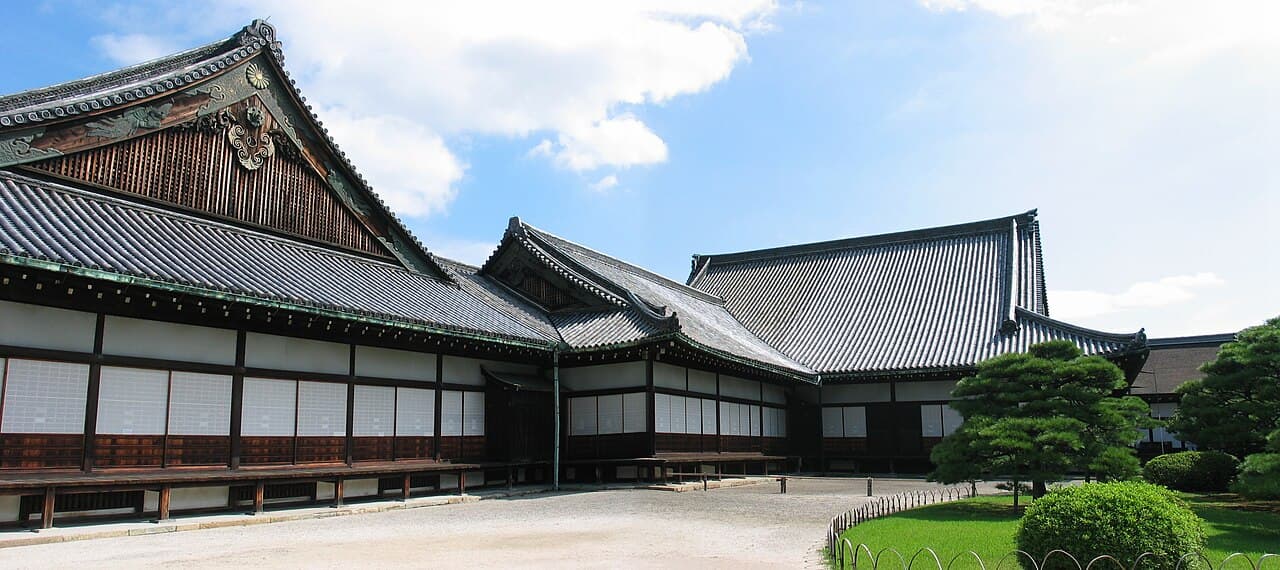
The centerpiece of Nijo Castle is the Ninomaru Palace, which was primarily used for administrative affairs and official receptions. This palace is renowned for its exquisite interior decoration and artistic masterpieces. The palace contains numerous offices and meeting rooms that reflect its role as the shogun's administrative center.
One of the most striking features of the Ninomaru Palace is the series of screen paintings created by artists of the Kano school. These paintings use intense colors and abundant gold leaf to depict natural motifs such as flowers, trees, birds, and tigers, designed to impress visitors with the shogun's cultural sophistication and power. The palace also features the famous "nightingale floors", ingeniously constructed to squeak when walked upon, serving as an early warning system against intruders.
In addition to the Ninomaru Palace, the Honmaru Goten palace was originally the Kyoto villa of a branch of the Imperial Family. This structure was relocated to the castle grounds after the Meiji Restoration when the imperial court moved to Tokyo. The Honmaru Goten was reopened to the public in September 2024 and is accessible mainly by online reservation, offering visitors a glimpse into the imperial heritage associated with the castle.
Gardens and natural surroundings
The castle grounds encompass several beautifully maintained gardens and wooded areas, including groves of plum and cherry trees. These gardens provide a serene environment and enhance the aesthetic appeal of the castle complex. The landscaping reflects traditional Japanese garden design principles, emphasizing harmony with nature and seasonal beauty, which were important cultural values during the Edo period.
Historical significance and cultural legacy
Nijo Castle stands as a powerful symbol of the Tokugawa shogunate's authority and governance in Kyoto. Its construction was intended to demonstrate the shogun's prestige and control over the imperial capital. The castle's architectural features and artistic treasures offer valuable insights into the political and cultural history of early modern Japan.
The castle has been designated a National Treasure of Japan, recognizing its outstanding historical and cultural value. While the main keep no longer exists, the preservation of the Ninomaru Palace, gates, walls, and other structures allows visitors to experience the grandeur of the Tokugawa era. The castle is a popular destination for tourists seeking to explore Japan's feudal history beyond the numerous temples of Kyoto.
Visitor experience and recommendations
Visitors to Nijo Castle are encouraged to explore not only the ornate Karamon gate and the palatial interiors but also the extensive grounds and the many original gates, storehouses, walls, and turrets that contribute to the castle's historical ambiance. The Honmaru Goten palace's recent reopening offers an additional attraction for those interested in imperial history.
The castle is accessible most days, with the Honmaru Goten requiring advance online reservations, although limited tickets may be available on-site. The combination of impressive defensive architecture, exquisite artistic details, and tranquil gardens makes Nijo Castle a must-see for castle enthusiasts and cultural tourists alike.
Frequently asked questions (FAQ)
- What is Nijo Castle known for?
- Nijo Castle is renowned for its historical significance as a former residence of the shoguns during the Edo period. It is also famous for its stunning architecture, including the unique nightingale floors that chirp when walked upon, designed to alert inhabitants of intruders.
- When was Nijo Castle built?
- Nijo Castle was constructed in 1603 as the official residence of Tokugawa Ieyasu, the first shogun of the Tokugawa shogunate. The castle has undergone various renovations and restorations over the centuries, preserving its historical integrity.
- What are the opening hours for Nijo Castle?
- Nijo Castle is typically open to visitors from 8:45 AM to 5:00 PM, with last entry at 4:00 PM. However, hours may vary seasonally, so it's best to check the official website before planning your visit.
- Can I take photographs inside Nijo Castle?
- Photography is generally allowed in the castle's gardens and certain areas; however, flash photography and tripod usage are prohibited inside the buildings. Visitors are encouraged to capture the beauty of the architecture while respecting the preservation efforts.
- Is Nijo Castle accessible for visitors with mobility challenges?
- Yes, Nijo Castle is equipped with facilities to assist visitors with mobility challenges, including wheelchair access in many areas. However, some parts of the castle may have uneven surfaces or steps, so it's advisable to check with staff for assistance.
- What is the best time to visit Nijo Castle?
- The best time to visit Nijo Castle is during the spring cherry blossom season (March to early April) or the autumn foliage season (November), when the gardens are particularly beautiful. Visiting during weekdays can also help avoid large crowds.
- How much does it cost to enter Nijo Castle?
- As of October 2023, the admission fee for Nijo Castle is 1,000 yen for adults, while discounts may be available for students and children. Tickets can be purchased at the entrance or online for added convenience.
- Are there any nearby attractions to visit after Nijo Castle?
- Yes, several attractions are located near Nijo Castle, including the Kyoto Imperial Palace and the famous Kinkaku-ji (Golden Pavilion). Additionally, the historic Gion district is just a short distance away, offering cultural experiences and traditional tea houses.
Photo gallery

Information
Opening hours
Park open 8am-5pm (gate closes 4pm); park closed 12/29-12/31; Ninomaru Palace also closed other days; 1030 yen
Website
Visit websiteSources & official resources
Verify the information above using these authoritative references.
Loading map...
Visitor reviews
No reviews yet. Been here? Write the first review and help other travelers!
Write the first reviewVisited this castle? Share your experience
Your review helps other travelers and adds first-hand knowledge to our encyclopedia.