Yakami Castle — Japan castle

Yakami Castle

Yakami Castle: historic Sengoku period fortress in Hyōgo Prefecture
Tamba-Sasayama, Japan
Late Medieval (14th–15th c.)
Ruins

Yakami Castle (八上城, Yakami-jō) stands as a significant Sengoku period fortress located in the present-day city of Tamba-Sasayama in Hyōgo Prefecture, Japan. Constructed in the 16th century, this castle was one of the largest and most strategically important in the historic Tanba Province. Although now in ruins, its remains have been designated a National Historic Site since 2005, reflecting its cultural and historical importance in Japanese castle history.

Historical significance and strategic location

Yakami Castle was originally the stronghold of the Hatano clan, a powerful samurai family during the turbulent Sengoku period, a time marked by constant military conflict and shifting alliances. The castle’s position atop a mountain provided a commanding view of the surrounding region, allowing its occupants to monitor and control key routes through Tanba Province. It was one of the three major castles in the province, alongside Kuroi Castle and Yagi Castle, each serving as a base for regional power struggles.

Architectural features and castle layout

Built primarily as a hill castle, Yakami Castle utilized the natural topography to enhance its defenses. The castle complex was characterized by multiple enclosures (kuruwa) arranged along the ridge of the mountain, connected by fortified gates and walls. The main enclosure (honmaru) housed the lord’s residence and key defensive structures, while secondary enclosures served as living quarters for retainers and storage.

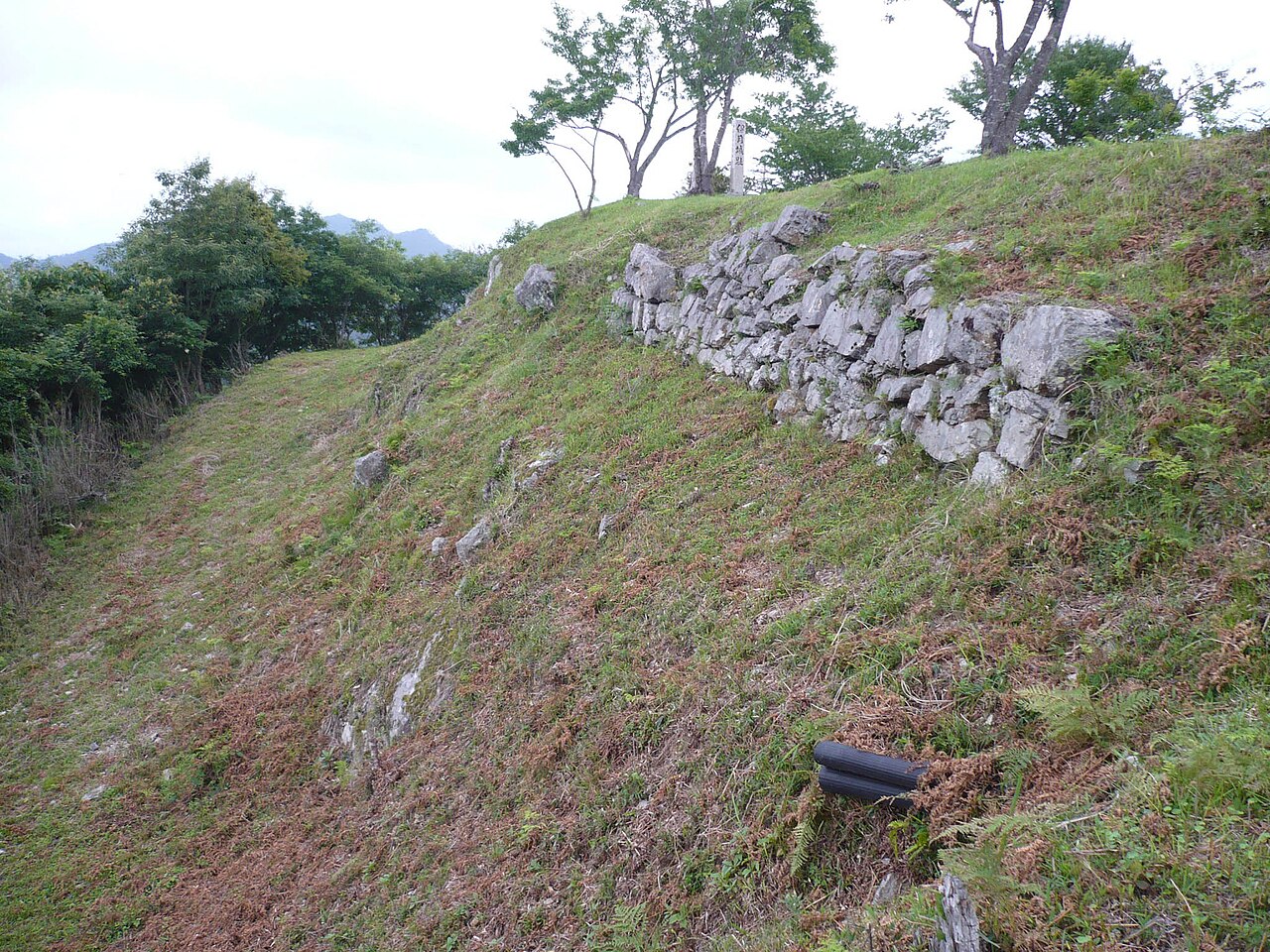
The castle featured typical Sengoku period defensive elements such as stone walls, earthen ramparts, and dry moats to impede attackers. Its elevated position and layered defenses made it difficult to assault, contributing to its reputation as a formidable fortress.

Defensive innovations

During the Sengoku period, castles like Yakami incorporated innovations to withstand siege warfare. Yakami Castle’s design included narrow pathways that forced enemies to approach single file, and strategically placed watchtowers to provide overlapping fields of fire. The use of natural cliffs and steep slopes further enhanced its defensive capabilities.

The Hatano clan and Yakami Castle’s role in regional conflicts

The Hatano clan established Yakami Castle as their primary base and used it to exert control over the region. The clan was involved in several military engagements during the period, including conflicts with the powerful Oda and Toyotomi factions seeking to unify Japan.

One notable episode was the castle’s involvement in the siege campaigns led by Toyotomi Hideyoshi in the late 16th century. The castle eventually fell after protracted resistance, marking a turning point in the consolidation of power in the region.

Current condition and archaeological significance

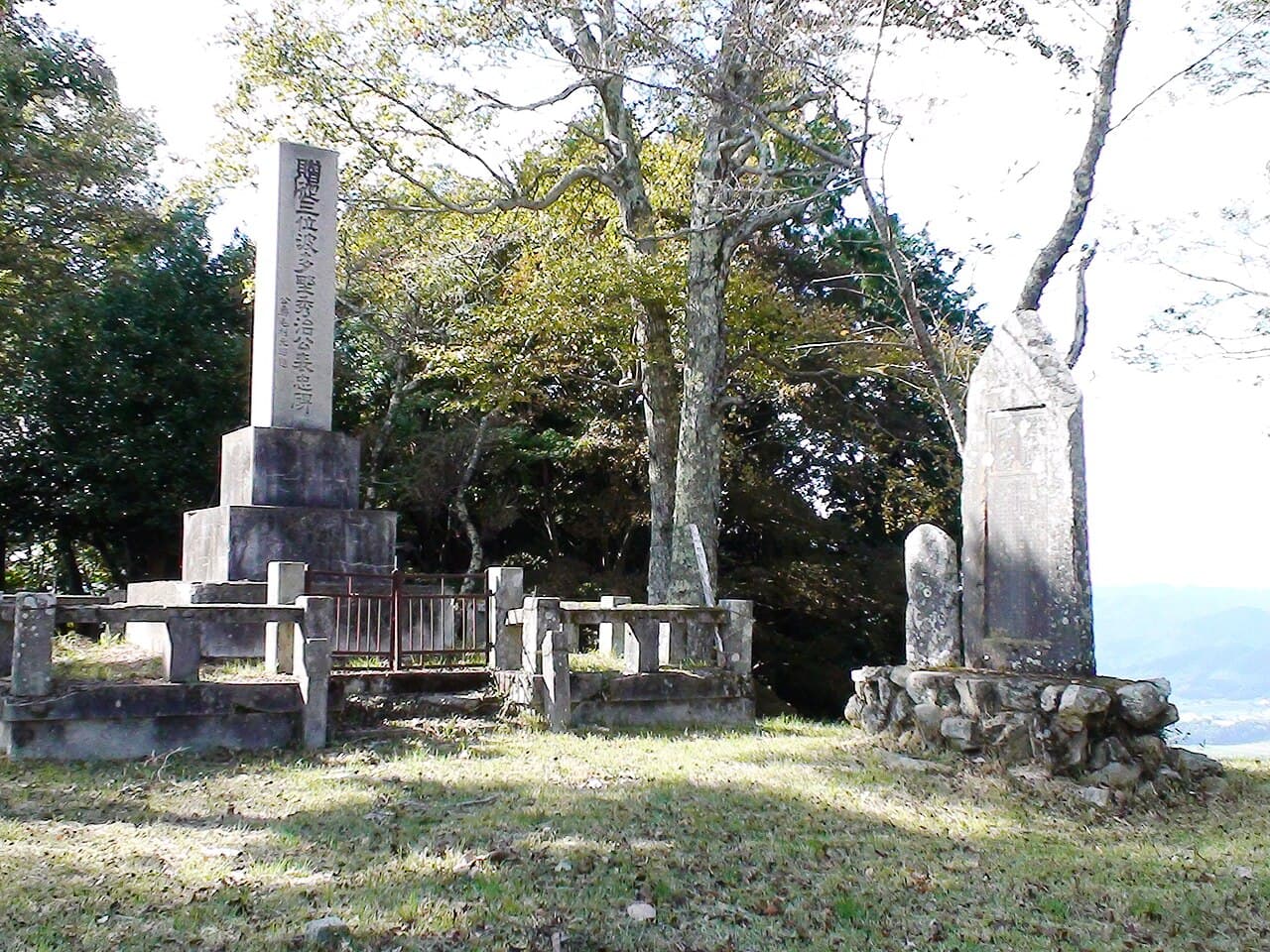
Today, Yakami Castle exists as archaeological ruins with remnants of stone walls, earthworks, and gate foundations visible. The site offers valuable insights into 16th-century Japanese castle architecture and the military strategies of the Sengoku period. Preservation efforts have focused on stabilizing the ruins and providing interpretive signage for visitors.

The castle ruins are accessible via hiking trails that allow visitors to explore the layout and appreciate the natural defensive advantages of the site. The designation as a National Historic Site underscores its importance as a cultural heritage landmark in Japan.

Visiting Yakami Castle today

Visitors to Yakami Castle can enjoy panoramic views of the surrounding Tanba region and experience a tangible connection to Japan’s feudal past. The site is popular among history enthusiasts and hikers alike. While no original buildings remain intact, the ruins convey the scale and complexity of a Sengoku period mountain castle.

The castle is best visited in spring or autumn when the weather is mild and the landscape is particularly scenic. Interpretive panels provide historical context, and local guides occasionally offer tours to enrich the visitor experience.

Frequently asked questions (FAQ)

How do I get to Yakami Castle?
Yakami Castle is located in Tamba-Sasayama, Japan, accessible by public transport and car. The nearest train station is Sasayamaguchi Station, from where you can take a local bus or taxi to the castle. Parking facilities are available for those traveling by car.
What is the historical significance of Yakami Castle?
Yakami Castle, built in the early 16th century, played a crucial role during the Sengoku period in Japan. It served as a strategic military fortress and residence for the Matsui clan. The castle's ruins are a testament to its historical importance and the region's feudal past.
When was Yakami Castle constructed?
Yakami Castle was constructed in 1548 and has witnessed numerous historical events throughout its existence. Although it has been largely dismantled, its remnants still reflect the architectural style of the era. The castle was a key site during various conflicts in the region until its decline in the late 19th century.
Can I visit Yakami Castle year-round?
Yes, Yakami Castle is open to visitors throughout the year, but the best time to visit is during the cherry blossom season in spring or the fall foliage in autumn. These seasons enhance the scenic beauty of the castle and its surroundings. Be sure to check local weather conditions before your visit.
Why is Yakami Castle an attractive destination for tourists?
Yakami Castle offers a unique glimpse into Japan's feudal history, combined with stunning natural landscapes. Visitors can explore the castle ruins, enjoy beautiful hiking trails, and learn about the local culture. It's a perfect spot for history enthusiasts and nature lovers alike.
Is it possible to access Yakami Castle with a wheelchair?
While there are some pathways that provide access to Yakami Castle, the terrain can be uneven and challenging for wheelchair users. It is advisable to inquire locally for the best routes or assistance. The site is generally more suited for visitors who can navigate stairs and inclines.
What are the opening hours for Yakami Castle?
Yakami Castle is typically open from 9:00 AM to 5:00 PM, but hours may vary seasonally. It’s recommended to check the official website or contact local tourist information for the most current hours before your visit. Special events may also affect these times.
Are there any ticket prices to enter Yakami Castle?
Entry to Yakami Castle is generally free, allowing visitors to explore the site and its historical significance without any cost. However, certain guided tours or exhibitions may have associated fees. Be sure to confirm any costs when planning your visit.
What nearby attractions should I visit while at Yakami Castle?
While visiting Yakami Castle, consider exploring the nearby Tamba-Sasayama area, which is known for its beautiful gardens and historic temples. The Sasayama Castle Town, with its preserved Edo-period buildings, is also a must-see. Local sake breweries offer tastings and tours that enhance the cultural experience.

Photo gallery

Yakami Castle
Click to view

Photo by Mass Ave 975•CC BY-SA 3.0

1 photo • Click any image to view in full screen

Information

Archaeological Site / Ruins

Loading map...

Visitor reviews

No reviews yet. Been here? Write the first review and help other travelers!

Write the first review

Visited this castle? Share your experience

Your review helps other travelers and adds first-hand knowledge to our encyclopedia.
Write a review

(5/5)

0/2000 characters

Your review will be visible after admin approval

Nearby castles

3.7 km
Sasayama Castle — Japan castle

Sasayama Castle

Sasayama, Japan

Sasayama Castle stands as a significant hill castle in Sasayama, Japan, embodying the strategic military and political ambitions of the early Edo period. Constructed in 1609 under the directive of Tokugawa Ieyasu, the castle was designed by the renowned castle architect Todo Takatora. It was built rapidly within a year, reflecting the urgency of fortifying the region to secure the approaches to the vital Osaka Castle and to exert control over the western lords. This castle is a prime example of early 17th-century Japanese castle construction, blending functional military architecture with the political symbolism of the Tokugawa shogunate's authority.Historical context and strategic purposeThe site of Sasayama Castle was chosen deliberately following the fall of Yagami Castle, which had been the stronghold of the Hatano clan ruling the Tanba area. Yagami Castle was captured by Akechi Mitsuhide in 1579, marking a period of conflict and shifting power balances. By 1608, Tokugawa Ieyasu's son, Matsudaira Yasushige, was installed as lord of Yagami Castle. However, as part of a broader strategy to consolidate power and secure the western approaches to Osaka, Ieyasu ordered the dismantling of Yagami Castle and the construction of Sasayama Castle on nearby Mt. Takashiro.The castle's primary role was to serve as a military stronghold to monitor and control the western daimyos (lords) and to protect the crucial roads leading to Osaka, a political and economic hub. This strategic positioning made Sasayama Castle a key element in the Tokugawa shogunate's efforts to stabilize and govern Japan during the early Edo period.Architectural features and designSasayama Castle is noted for its sturdy stone walls and imposing presence dominating the surrounding plains. Although the main keep (tenshu) was never constructed, the castle's defensive architecture was robust, emphasizing practical military strength over ornamental grandeur. The absence of a keep highlights the Edo period's shift in castle function from purely military fortresses to symbols of political power and administrative centers.One of the castle's distinctive features is its umadashi-style gates, located at the northeast and southwest of the main compounds. These gates served as fortified defensive outworks, designed to protect the castle's entrances and create killing zones against attackers. The umadashi is a characteristic feature of Japanese castle defense, consisting of a semicircular or rectangular enclosure in front of the main gate, allowing defenders to repel sieges effectively.The castle walls bear the marks, or kokuin, of the various lords who contributed to the castle's construction. This reflects the collaborative nature of the project, known as one of the tenkabushin castles—large-scale construction projects commissioned by the Edo Bakufu, involving multiple feudal lords working together under the shogunate's authority.Castle layout and groundsThe castle is built on Mt. Takashiro, providing a natural elevation advantage typical of hill castles. The layout includes multiple baileys fortified with thick stone walls and moats, designed to maximize defensive capabilities. The castle town of Sasayama developed around the castle, featuring a samurai district with preserved residences such as the Ama Residence, which is open to the public and offers insight into the lifestyle of the Edo-period samurai class.Preservation and cultural significanceWhile the original palace structures of Sasayama Castle were destroyed by fire in 1944, they were meticulously rebuilt between 1996 and 2000. The reconstruction was guided by original photographs and architectural references from the Ninomaru Palace at Nijo Castle, ensuring historical accuracy and authenticity. This restoration effort has helped preserve the castle's cultural heritage and allows visitors to experience the architectural style and ambiance of the Edo period.Sasayama Castle remains partially preserved and is recognized as an important cultural asset. Its well-maintained stone walls, gates, and reconstructed palace buildings attract historians, architecture enthusiasts, and tourists alike. The castle's presence continues to dominate the townscape, symbolizing the legacy of the Tokugawa shogunate's rule and the historical importance of the Tanba region.The castle town and visitor experienceThe town of Sasayama retains much of its traditional charm, with a well-preserved samurai quarter and numerous local shops offering regional specialties. Visitors can explore the castle grounds, the reconstructed palace, and the samurai residences, gaining a comprehensive understanding of the social and military history of the area. The combination of natural beauty, historical architecture, and cultural heritage makes Sasayama Castle a notable destination for those interested in Japan's feudal past.Overall, Sasayama Castle exemplifies the strategic military architecture of the early Edo period and serves as a testament to the political consolidation efforts of Tokugawa Ieyasu. Its robust construction, distinctive defensive features, and historical significance make it a valuable site for study and tourism.

Renaissance (15th–17th c.)
Details
19 km
Kuroi Castle — Japan castle

Kuroi Castle

Tamba, Japan

Kuroi Castle (黒井城, Kuroi-jō), also known historically as Hogetsu Castle (保月城, Hogetsu-jō) or Hōzuki Castle (保築城, Hōzuki-jō), is a notable Sengoku period hill castle located in the Kasuga-cho neighborhood of Tamba city, within Hyōgo Prefecture, Japan. This castle is renowned for its association with Lady Kasuga, the influential wet nurse to Tokugawa Iemitsu, the third shogun of the Tokugawa dynasty. The ruins of Kuroi Castle have been designated a National Historic Site since 1989, underscoring its cultural and historical significance. Historical background and significance Constructed during the Sengoku period (mid-15th to late 16th century), a time marked by social upheaval and near-constant military conflict in Japan, Kuroi Castle played a strategic role in regional power struggles. It was situated on a hill, typical of hill castles (yamajiro) of the era, which provided natural defensive advantages and commanding views of the surrounding terrain. The castle served as a military stronghold and residence for local warlords who sought control over the Tamba region. Its association with Lady Kasuga adds a unique dimension to its historical importance. Born at Kuroi Castle, she later became a key figure in the Tokugawa shogunate, wielding considerable influence as the wet nurse and advisor to Tokugawa Iemitsu. This connection ties the castle not only to regional military history but also to the broader narrative of Japan's unification and governance under the Tokugawa regime. Architectural features and layout While much of Kuroi Castle now lies in ruins, archaeological studies and historical records provide insight into its original design. As a hill castle, it was constructed primarily for defense, utilizing the natural topography to strengthen its fortifications. The castle likely featured multiple baileys (courtyards) arranged along the hillside, connected by narrow paths and fortified gates. Typical of Sengoku period castles, Kuroi Castle would have included stone walls and earthen ramparts, with wooden buildings such as watchtowers and residential quarters. Defensive features probably included moats or dry ditches carved into the hillside to impede attackers. The castle's elevated position allowed defenders to monitor approaching forces and mount effective resistance during sieges. Military history and sieges Kuroi Castle was involved in various military conflicts during the turbulent Sengoku era. Control of the castle shifted among regional clans vying for dominance over the Tamba area. Its strategic location made it a valuable asset in controlling key transportation routes and local resources. Although specific battles at Kuroi Castle are less documented compared to larger castles of the period, its fortifications and position suggest it withstood multiple sieges and skirmishes. The castle's eventual decline coincided with the unification of Japan under the Tokugawa shogunate, which reduced the need for numerous feudal fortresses. Preservation and current status Today, Kuroi Castle remains as partially preserved ruins that offer valuable archaeological and historical insights. The site has been protected as a National Historic Site since 1989, ensuring its conservation and recognition as a cultural heritage landmark. Visitors to the site can explore the remnants of the castle's defensive earthworks and stone foundations, which evoke the castle's former military significance. Informational signage and local museums provide context about the castle's history, architecture, and its notable connection to Lady Kasuga. Lady Kasuga and cultural legacy Lady Kasuga (1579–1643), born at Kuroi Castle, rose to prominence as the wet nurse and trusted advisor to Tokugawa Iemitsu. Her influence extended deeply into the political and cultural life of the Tokugawa shogunate. The castle's role as her birthplace enhances its historical value and attracts interest from scholars and visitors interested in the Tokugawa period. The legacy of Kuroi Castle is thus intertwined with both military history and the personal histories of significant figures in Japan's early modern era. The site serves as a reminder of the complex feudal dynamics and the human stories behind Japan's castle heritage. Visiting Kuroi Castle Access to Kuroi Castle ruins is open to the public, allowing visitors to appreciate the natural setting and historical ambiance of this Sengoku period fortress. The site is suitable for hiking and exploration, with trails leading to the castle remains. While there are no extensive reconstructed buildings, the preserved earthworks and stone foundations provide a tangible connection to the past. Visitors are encouraged to learn about the castle's history through local guides and interpretive materials available in the area.

Late Medieval (14th–15th c.)
Details
28.5 km
Fukuchiyama Castle — Japan castle

Fukuchiyama Castle

Fukuchiyama, Japan

Fukuchiyama Castle (福知山城, Fukuchiyama-jō) is a prominent hill castle located in Fukuchiyama city, within Kyoto Prefecture, Japan. Constructed in the 16th century during Japan's Sengoku period, the castle played a strategic role in regional defense and governance. Its location atop a hill provided a commanding view of the surrounding landscape, which was essential for military observation and control. Historical background and construction The castle was originally built by Akechi Mitsuhide, a notable samurai and general under Oda Nobunaga, in 1579. Mitsuhide established Fukuchiyama Castle as a base of power after being appointed lord of the region. The castle's construction reflects the military and political turbulence of the late Sengoku period, a time marked by frequent conflicts among feudal lords vying for dominance. Fukuchiyama Castle was designed primarily as a defensive stronghold, incorporating typical fortification features of the era. Its layout included stone walls, moats, and multiple baileys to create layered defenses. The castle's main keep (tenshu) was a multi-storied structure that served both as a residence and a last line of defense. Architectural features and style The castle exhibits architectural elements characteristic of the Renaissance period in Japan, which coincides with the late Sengoku and early Azuchi-Momoyama periods. This style is marked by the integration of stone bases supporting wooden superstructures, and the use of curved gables and decorative roof tiles. Fukuchiyama Castle's design emphasizes both functionality and aesthetics. The stone foundation was expertly constructed to withstand sieges and natural disasters such as earthquakes. The wooden structures above were crafted with attention to detail, featuring intricate joinery and ornate interior spaces. The castle grounds included several gates and watchtowers positioned strategically to monitor and control access. Surrounding the main keep were courtyards and gardens that added to the livability and prestige of the castle. Role in Japanese history Fukuchiyama Castle played a significant role during the late 16th century as a military and administrative center. After Akechi Mitsuhide's betrayal of Oda Nobunaga and subsequent death, the castle changed hands several times, reflecting the shifting allegiances and power struggles of the period. During the Edo period, the castle served as the seat of the Fukuchiyama Domain under the Tokugawa shogunate. It was maintained and occasionally renovated by successive lords, adapting to changes in military technology and residential needs. Decline, restoration, and current status Like many Japanese castles, Fukuchiyama Castle suffered decline during the Meiji Restoration when feudal domains were abolished, and many castles were dismantled or fell into disrepair. The original main keep was destroyed, but parts of the stone walls and moats remain intact. In the 20th century, efforts were made to restore the castle. The current main keep is a reconstruction completed in the 1980s, built using modern materials but designed to replicate the original appearance faithfully. Today, the castle functions as a museum and cultural site, attracting visitors interested in Japanese history and architecture. Visiting Fukuchiyama Castle The castle is accessible to the public and offers panoramic views of Fukuchiyama city and the surrounding mountains. Visitors can explore the reconstructed main keep, which houses exhibits on the castle's history and the Sengoku period. The grounds feature walking paths along the preserved stone walls and moats. Seasonal events and festivals are held at the castle, enhancing its role as a community and tourist destination. The site is especially popular during cherry blossom season when the castle grounds are adorned with blooming sakura trees. Architectural legacy and cultural significance Fukuchiyama Castle stands as a representation of Japanese castle architecture from the late 16th century. Its combination of military fortification and residential elegance reflects the dual purpose of castles during the Sengoku and early Edo periods. The castle's restoration preserves important architectural techniques and offers insight into feudal Japan's social and political structures. As a cultural landmark, Fukuchiyama Castle contributes to the understanding of regional history in Kyoto Prefecture and the broader narrative of Japan's feudal era. It remains a symbol of the area's heritage and a valuable resource for education and tourism.

Renaissance (15th–17th c.)
Details