Fukuchiyama Castle
Fukuchiyama Castle (福知山城, Fukuchiyama-jō) is a prominent hill castle located in Fukuchiyama city, within Kyoto Prefecture, Japan. Constructed in the 16th century during Japan's Sengoku period, the castle played a strategic role in regional defense and governance. Its location atop a hill provided a commanding view of the surrounding landscape, which was essential for military observation and control.
Historical background and construction
The castle was originally built by Akechi Mitsuhide, a notable samurai and general under Oda Nobunaga, in 1579. Mitsuhide established Fukuchiyama Castle as a base of power after being appointed lord of the region. The castle's construction reflects the military and political turbulence of the late Sengoku period, a time marked by frequent conflicts among feudal lords vying for dominance.
Fukuchiyama Castle was designed primarily as a defensive stronghold, incorporating typical fortification features of the era. Its layout included stone walls, moats, and multiple baileys to create layered defenses. The castle's main keep (tenshu) was a multi-storied structure that served both as a residence and a last line of defense.
Architectural features and style
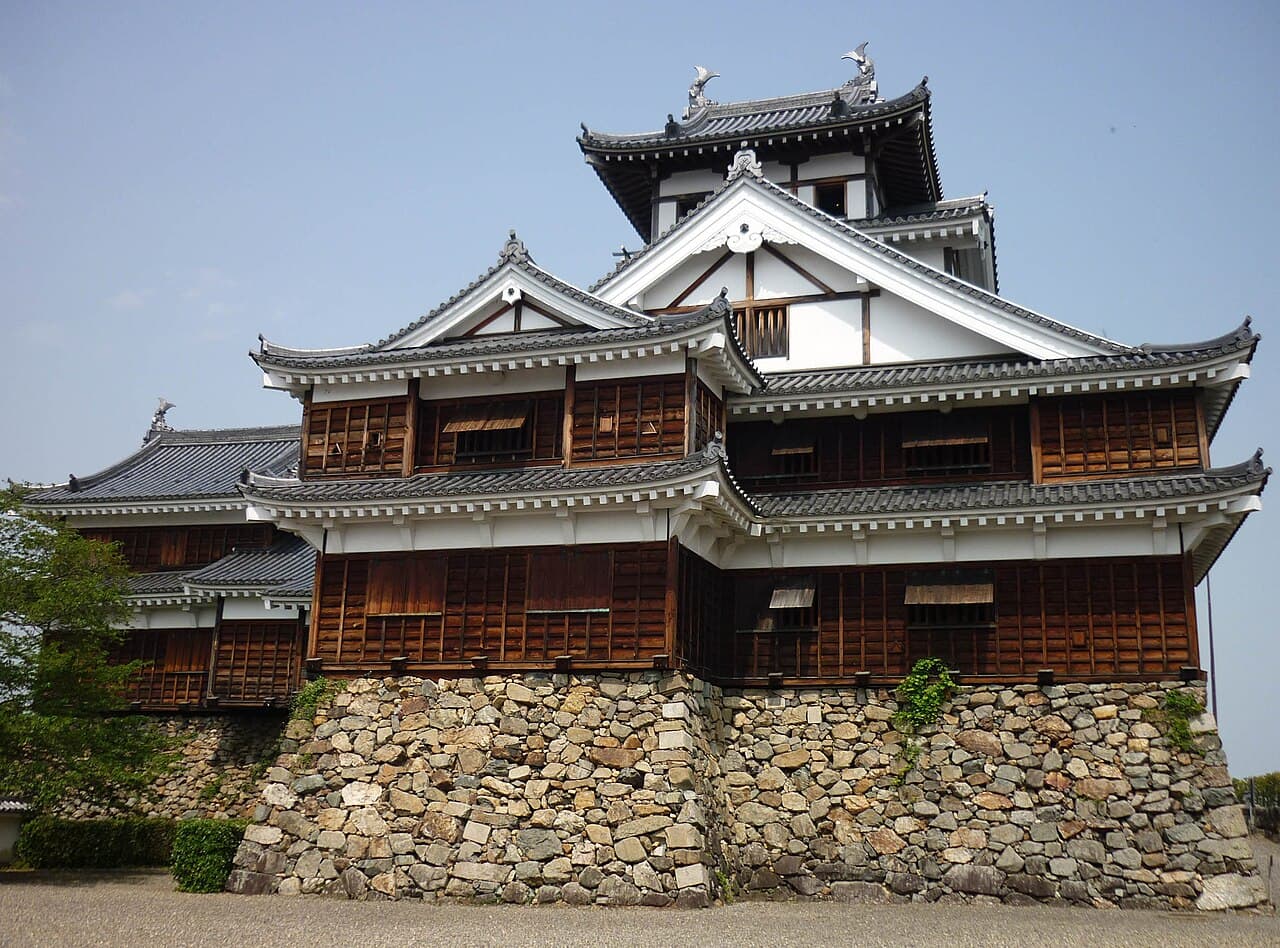
The castle exhibits architectural elements characteristic of the Renaissance period in Japan, which coincides with the late Sengoku and early Azuchi-Momoyama periods. This style is marked by the integration of stone bases supporting wooden superstructures, and the use of curved gables and decorative roof tiles.
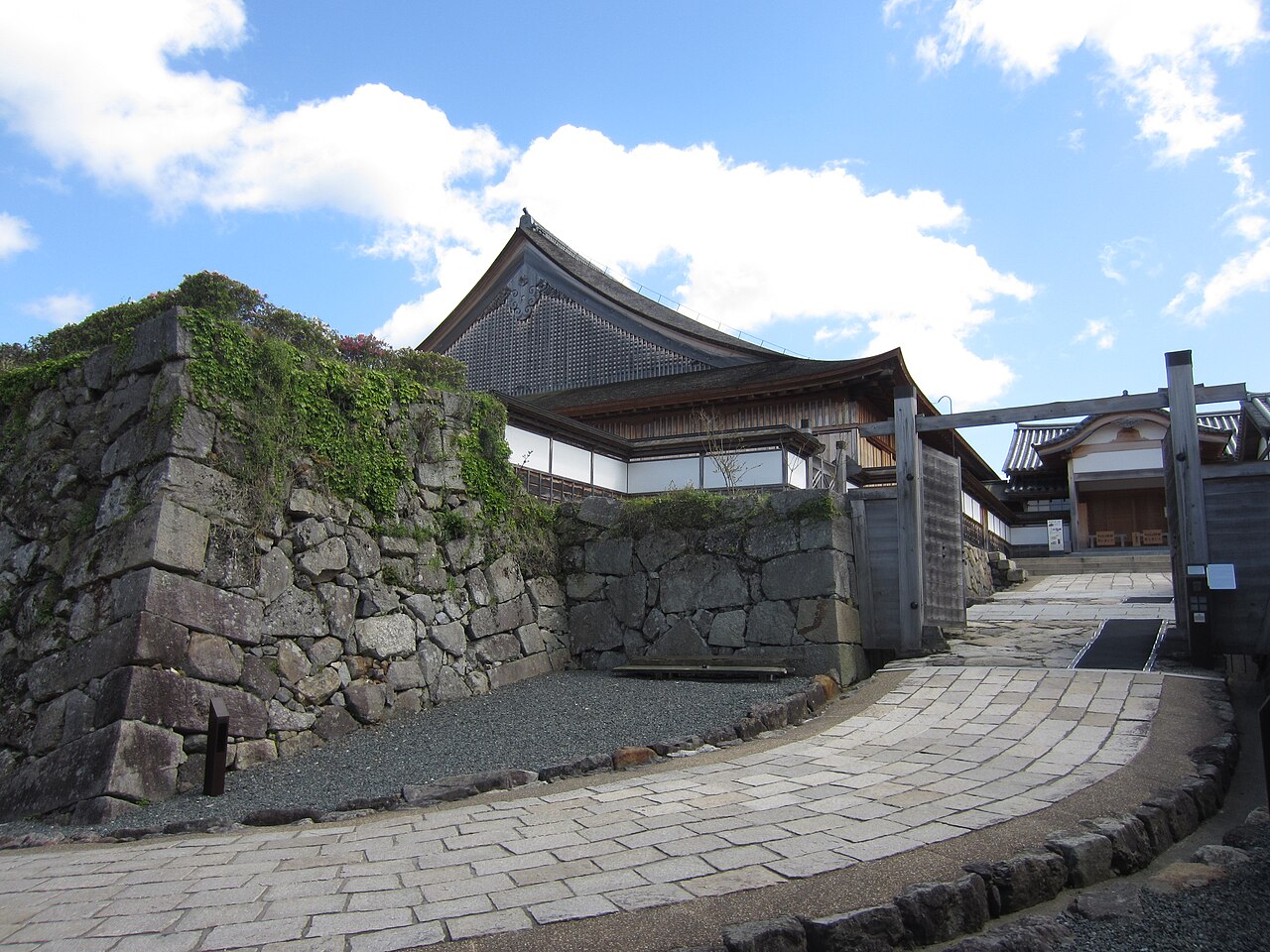
Fukuchiyama Castle's design emphasizes both functionality and aesthetics. The stone foundation was expertly constructed to withstand sieges and natural disasters such as earthquakes. The wooden structures above were crafted with attention to detail, featuring intricate joinery and ornate interior spaces.
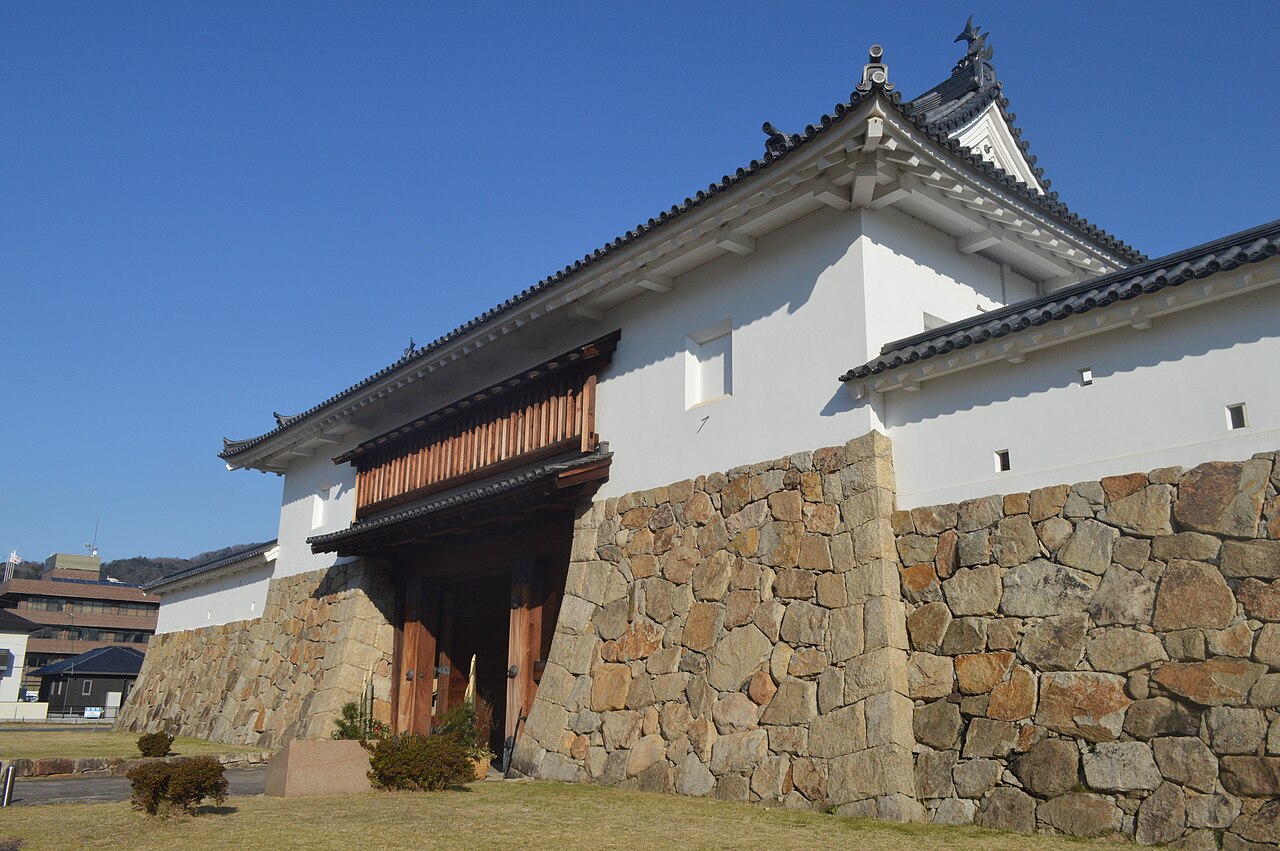
The castle grounds included several gates and watchtowers positioned strategically to monitor and control access. Surrounding the main keep were courtyards and gardens that added to the livability and prestige of the castle.
Role in Japanese history
Fukuchiyama Castle played a significant role during the late 16th century as a military and administrative center. After Akechi Mitsuhide's betrayal of Oda Nobunaga and subsequent death, the castle changed hands several times, reflecting the shifting allegiances and power struggles of the period.
During the Edo period, the castle served as the seat of the Fukuchiyama Domain under the Tokugawa shogunate. It was maintained and occasionally renovated by successive lords, adapting to changes in military technology and residential needs.
Decline, restoration, and current status
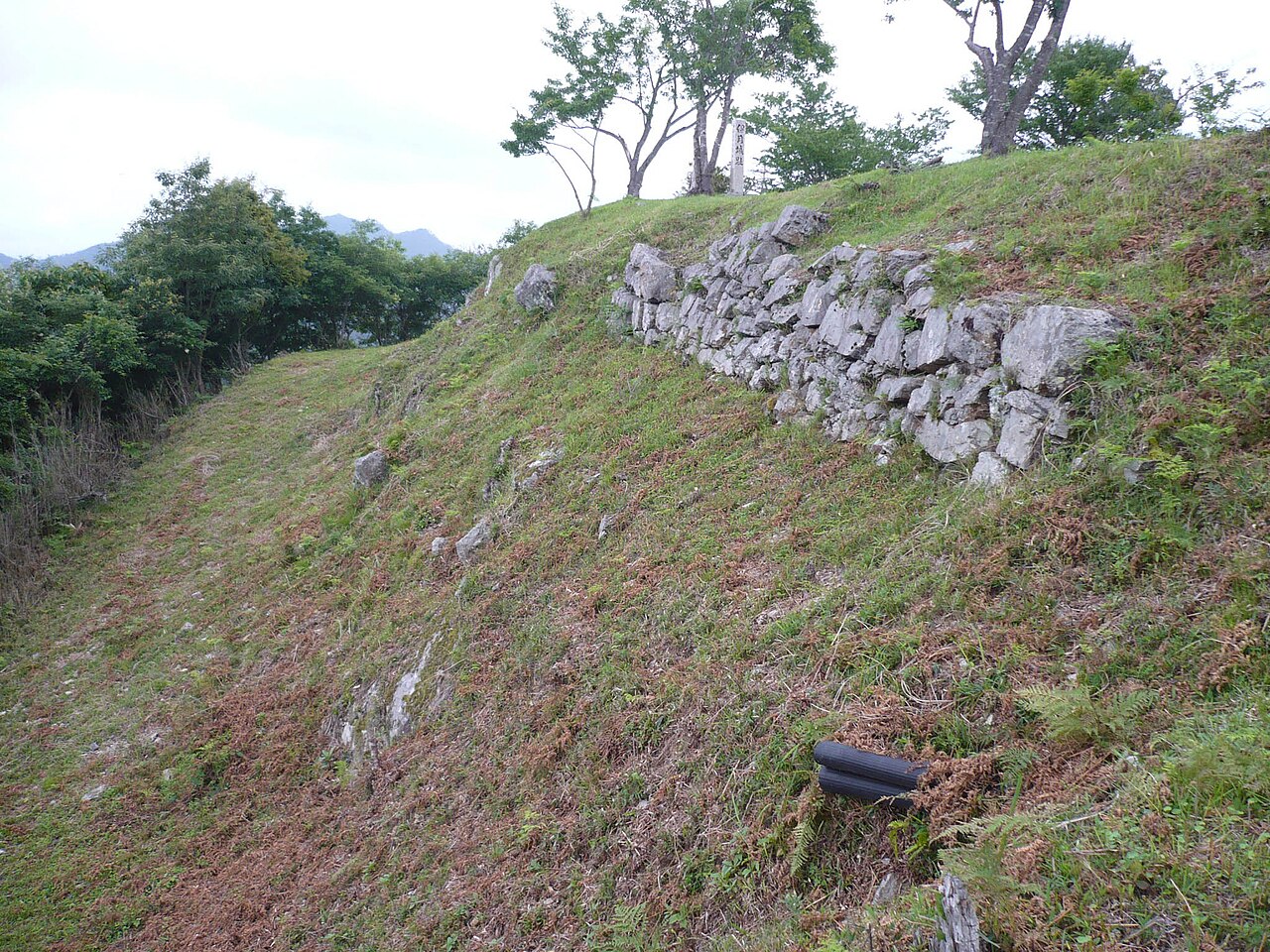
Like many Japanese castles, Fukuchiyama Castle suffered decline during the Meiji Restoration when feudal domains were abolished, and many castles were dismantled or fell into disrepair. The original main keep was destroyed, but parts of the stone walls and moats remain intact.
In the 20th century, efforts were made to restore the castle. The current main keep is a reconstruction completed in the 1980s, built using modern materials but designed to replicate the original appearance faithfully. Today, the castle functions as a museum and cultural site, attracting visitors interested in Japanese history and architecture.
Visiting Fukuchiyama Castle
The castle is accessible to the public and offers panoramic views of Fukuchiyama city and the surrounding mountains. Visitors can explore the reconstructed main keep, which houses exhibits on the castle's history and the Sengoku period. The grounds feature walking paths along the preserved stone walls and moats.
Seasonal events and festivals are held at the castle, enhancing its role as a community and tourist destination. The site is especially popular during cherry blossom season when the castle grounds are adorned with blooming sakura trees.
Architectural legacy and cultural significance
Fukuchiyama Castle stands as a representation of Japanese castle architecture from the late 16th century. Its combination of military fortification and residential elegance reflects the dual purpose of castles during the Sengoku and early Edo periods. The castle's restoration preserves important architectural techniques and offers insight into feudal Japan's social and political structures.
As a cultural landmark, Fukuchiyama Castle contributes to the understanding of regional history in Kyoto Prefecture and the broader narrative of Japan's feudal era. It remains a symbol of the area's heritage and a valuable resource for education and tourism.
Frequently asked questions (FAQ)
- What is the historical significance of Fukuchiyama Castle?
- Fukuchiyama Castle, built in 1579, played a crucial role in the region's defense during the Sengoku period. It is known for its strategic location, which allowed it to oversee significant trade routes and military movements in the area.
- When was Fukuchiyama Castle constructed?
- Fukuchiyama Castle was constructed in 1579 by Yūki Hideyasu and completed in 1581. The castle's architecture reflects the typical style of Japanese castles from the late 16th century.
- Can I visit Fukuchiyama Castle year-round?
- Yes, Fukuchiyama Castle is open to visitors year-round, but the best time to visit is during the cherry blossom season in spring and the vibrant foliage in autumn. These seasons enhance the castle's picturesque surroundings.
- What are the opening hours for Fukuchiyama Castle?
- Fukuchiyama Castle typically opens at 9:00 AM and closes at 5:00 PM. However, it's advisable to check the official website for any seasonal variations or special events that may affect opening hours.
- Is it possible to access Fukuchiyama Castle via public transportation?
- Yes, Fukuchiyama Castle is accessible by public transportation. Visitors can take a train to Fukuchiyama Station and then a short bus ride or a 15-minute walk to reach the castle grounds.
- What is the ticket price for entering Fukuchiyama Castle?
- The entrance fee for Fukuchiyama Castle is generally around 200 yen for adults, with discounts available for children and seniors. Admission fees may vary for special exhibitions, so it's best to check in advance.
- What nearby attractions can I explore after visiting Fukuchiyama Castle?
- After visiting Fukuchiyama Castle, you can explore the nearby Fukuchiyama City Museum and the scenic Asago Castle ruins. Both locations offer additional insights into the region's rich history and beautiful landscapes.
- When is the best time to visit Fukuchiyama Castle?
- The best time to visit Fukuchiyama Castle is in spring (March to May) during cherry blossom season or in autumn (September to November) when the leaves change color. These seasons not only provide stunning views but also enhance the castle's historical ambiance.
Photo gallery

Photo by 投稿者が撮影•Public domain
Information
Loading map...
Visitor reviews
No reviews yet. Been here? Write the first review and help other travelers!
Write the first reviewVisited this castle? Share your experience
Your review helps other travelers and adds first-hand knowledge to our encyclopedia.