Kuroi Castle
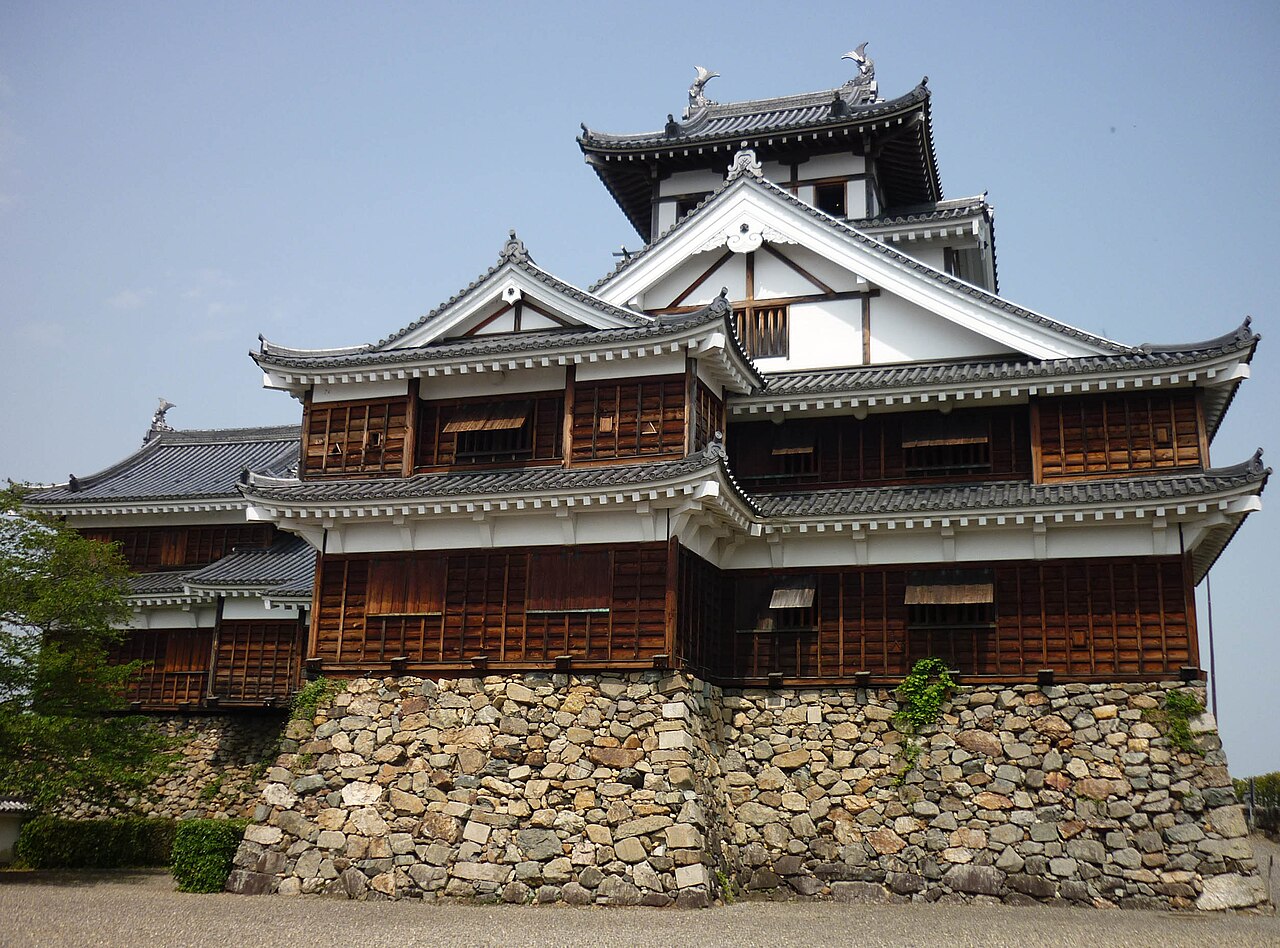
Kuroi Castle (黒井城, Kuroi-jō), also known historically as Hogetsu Castle (保月城, Hogetsu-jō) or Hōzuki Castle (保築城, Hōzuki-jō), is a notable Sengoku period hill castle located in the Kasuga-cho neighborhood of Tamba city, within Hyōgo Prefecture, Japan. This castle is renowned for its association with Lady Kasuga, the influential wet nurse to Tokugawa Iemitsu, the third shogun of the Tokugawa dynasty. The ruins of Kuroi Castle have been designated a National Historic Site since 1989, underscoring its cultural and historical significance.
Historical background and significance
Constructed during the Sengoku period (mid-15th to late 16th century), a time marked by social upheaval and near-constant military conflict in Japan, Kuroi Castle played a strategic role in regional power struggles. It was situated on a hill, typical of hill castles (yamajiro) of the era, which provided natural defensive advantages and commanding views of the surrounding terrain. The castle served as a military stronghold and residence for local warlords who sought control over the Tamba region.
Its association with Lady Kasuga adds a unique dimension to its historical importance. Born at Kuroi Castle, she later became a key figure in the Tokugawa shogunate, wielding considerable influence as the wet nurse and advisor to Tokugawa Iemitsu. This connection ties the castle not only to regional military history but also to the broader narrative of Japan's unification and governance under the Tokugawa regime.
Architectural features and layout
While much of Kuroi Castle now lies in ruins, archaeological studies and historical records provide insight into its original design. As a hill castle, it was constructed primarily for defense, utilizing the natural topography to strengthen its fortifications. The castle likely featured multiple baileys (courtyards) arranged along the hillside, connected by narrow paths and fortified gates.
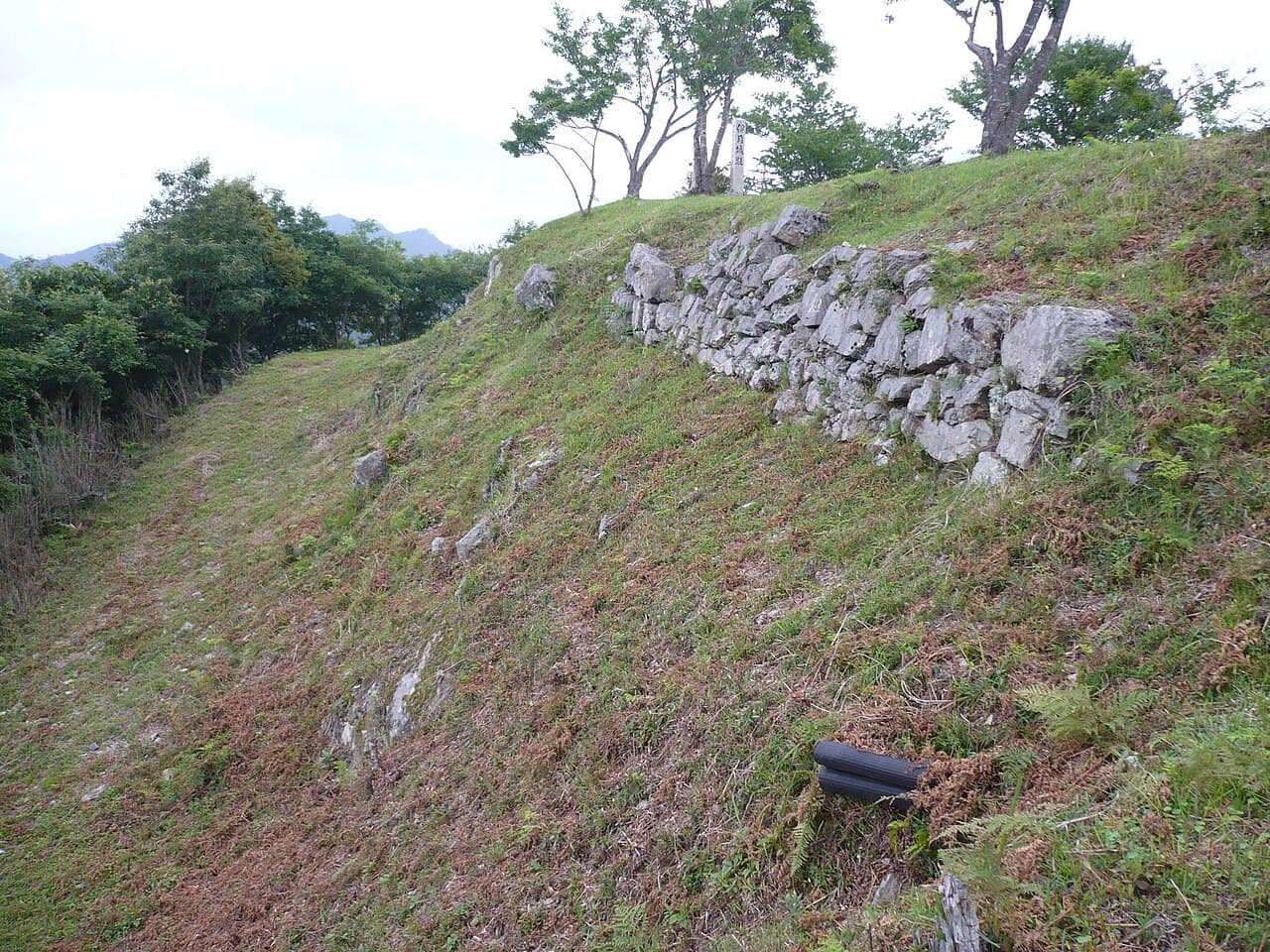
Typical of Sengoku period castles, Kuroi Castle would have included stone walls and earthen ramparts, with wooden buildings such as watchtowers and residential quarters. Defensive features probably included moats or dry ditches carved into the hillside to impede attackers. The castle's elevated position allowed defenders to monitor approaching forces and mount effective resistance during sieges.
Military history and sieges
Kuroi Castle was involved in various military conflicts during the turbulent Sengoku era. Control of the castle shifted among regional clans vying for dominance over the Tamba area. Its strategic location made it a valuable asset in controlling key transportation routes and local resources.
Although specific battles at Kuroi Castle are less documented compared to larger castles of the period, its fortifications and position suggest it withstood multiple sieges and skirmishes. The castle's eventual decline coincided with the unification of Japan under the Tokugawa shogunate, which reduced the need for numerous feudal fortresses.
Preservation and current status
Today, Kuroi Castle remains as partially preserved ruins that offer valuable archaeological and historical insights. The site has been protected as a National Historic Site since 1989, ensuring its conservation and recognition as a cultural heritage landmark.
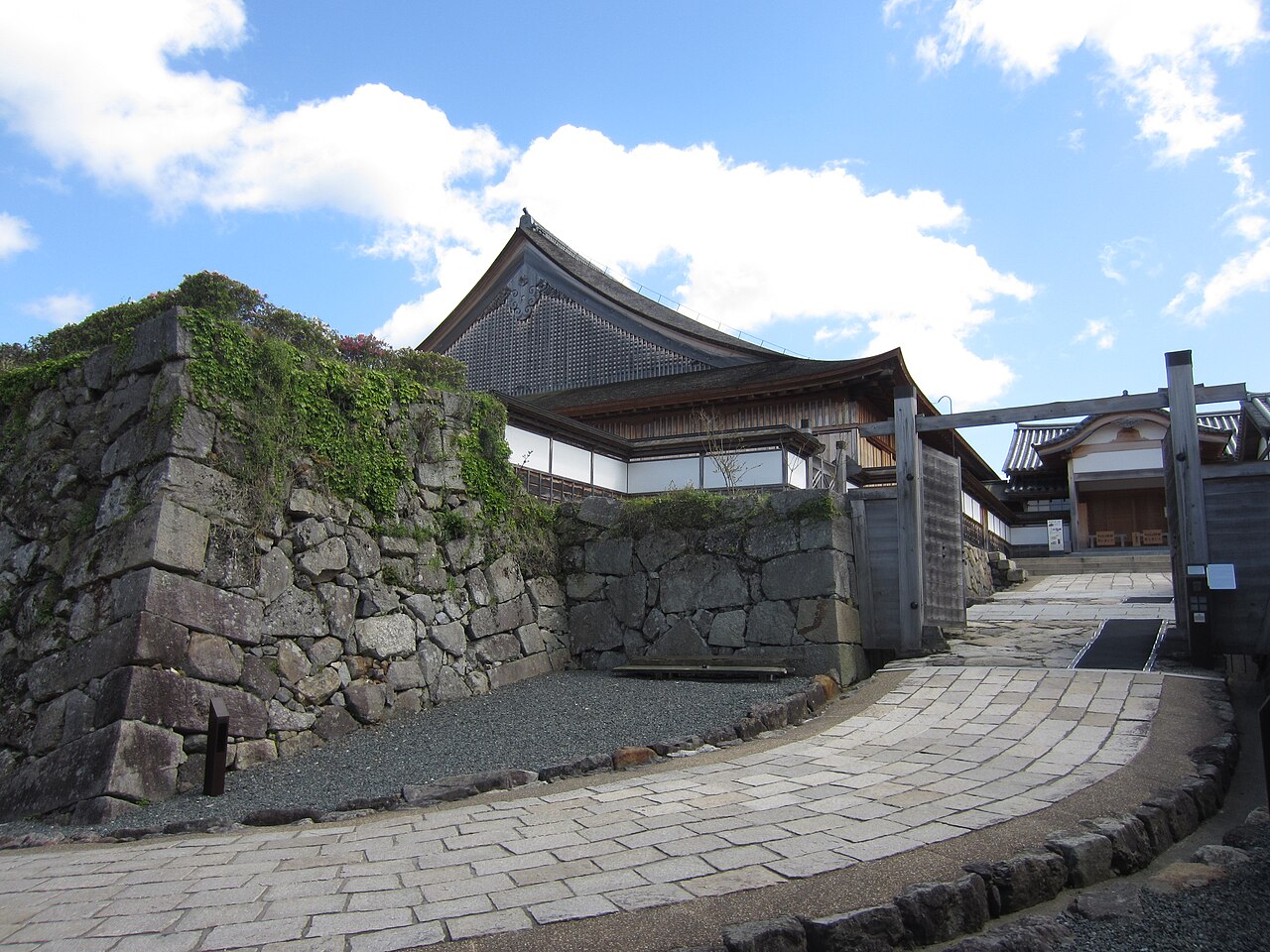
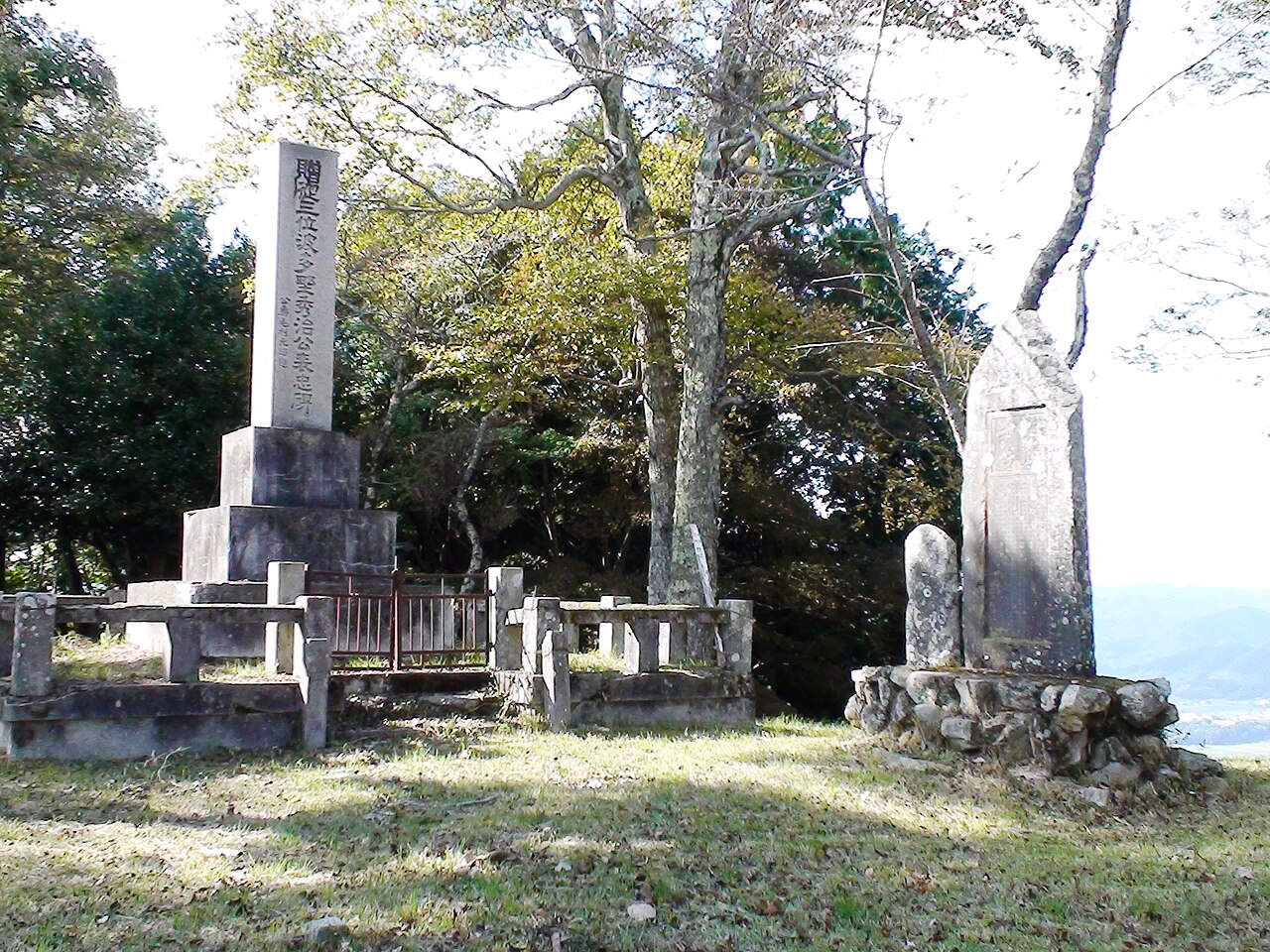
Visitors to the site can explore the remnants of the castle's defensive earthworks and stone foundations, which evoke the castle's former military significance. Informational signage and local museums provide context about the castle's history, architecture, and its notable connection to Lady Kasuga.
Lady Kasuga and cultural legacy
Lady Kasuga (1579–1643), born at Kuroi Castle, rose to prominence as the wet nurse and trusted advisor to Tokugawa Iemitsu. Her influence extended deeply into the political and cultural life of the Tokugawa shogunate. The castle's role as her birthplace enhances its historical value and attracts interest from scholars and visitors interested in the Tokugawa period.
The legacy of Kuroi Castle is thus intertwined with both military history and the personal histories of significant figures in Japan's early modern era. The site serves as a reminder of the complex feudal dynamics and the human stories behind Japan's castle heritage.
Visiting Kuroi Castle
Access to Kuroi Castle ruins is open to the public, allowing visitors to appreciate the natural setting and historical ambiance of this Sengoku period fortress. The site is suitable for hiking and exploration, with trails leading to the castle remains.
While there are no extensive reconstructed buildings, the preserved earthworks and stone foundations provide a tangible connection to the past. Visitors are encouraged to learn about the castle's history through local guides and interpretive materials available in the area.
Frequently asked questions (FAQ)
- How do I get to Kuroi Castle ruins?
- Kuroi Castle ruins are located in the Kasuga-cho neighborhood of Tamba city, Hyōgo Prefecture. Visitors can reach the site by local bus or taxi from Tamba station, followed by a short hike to the hilltop ruins.
- What is the historical significance of Kuroi Castle?
- Kuroi Castle was a Sengoku period hill castle known for its military role in regional conflicts and as the birthplace of Lady Kasuga, a key figure in the Tokugawa shogunate.
- Can I explore the castle ruins freely?
- Yes, visitors can freely explore the partially preserved ruins of Kuroi Castle. The site features earthworks and stone foundations accessible via hiking trails.
- When is the best time to visit Kuroi Castle?
- The best time to visit Kuroi Castle is during spring and autumn when the weather is mild, and the surrounding landscape displays vibrant seasonal colors.
- Are there any guided tours available at Kuroi Castle?
- Guided tours may be available through local tourism offices or historical societies in Tamba city. These provide detailed insights into the castle's history and significance.
Photo gallery

Photo by 投稿者が撮影•Public domain
Information
Address
Kasuga-cho neighborhood, Tamba, Hyōgo Prefecture, Japan
Loading map...
Visitor reviews
No reviews yet. Been here? Write the first review and help other travelers!
Write the first reviewVisited this castle? Share your experience
Your review helps other travelers and adds first-hand knowledge to our encyclopedia.