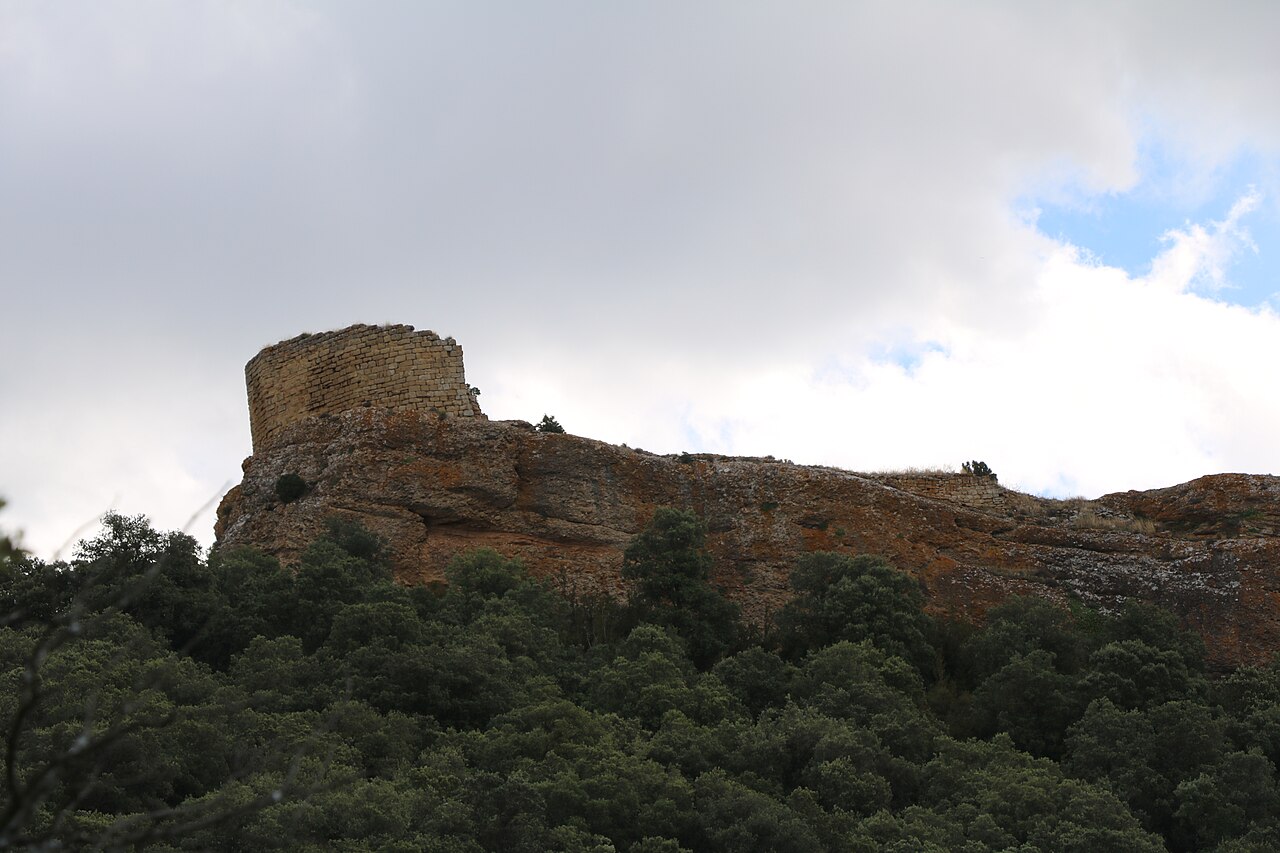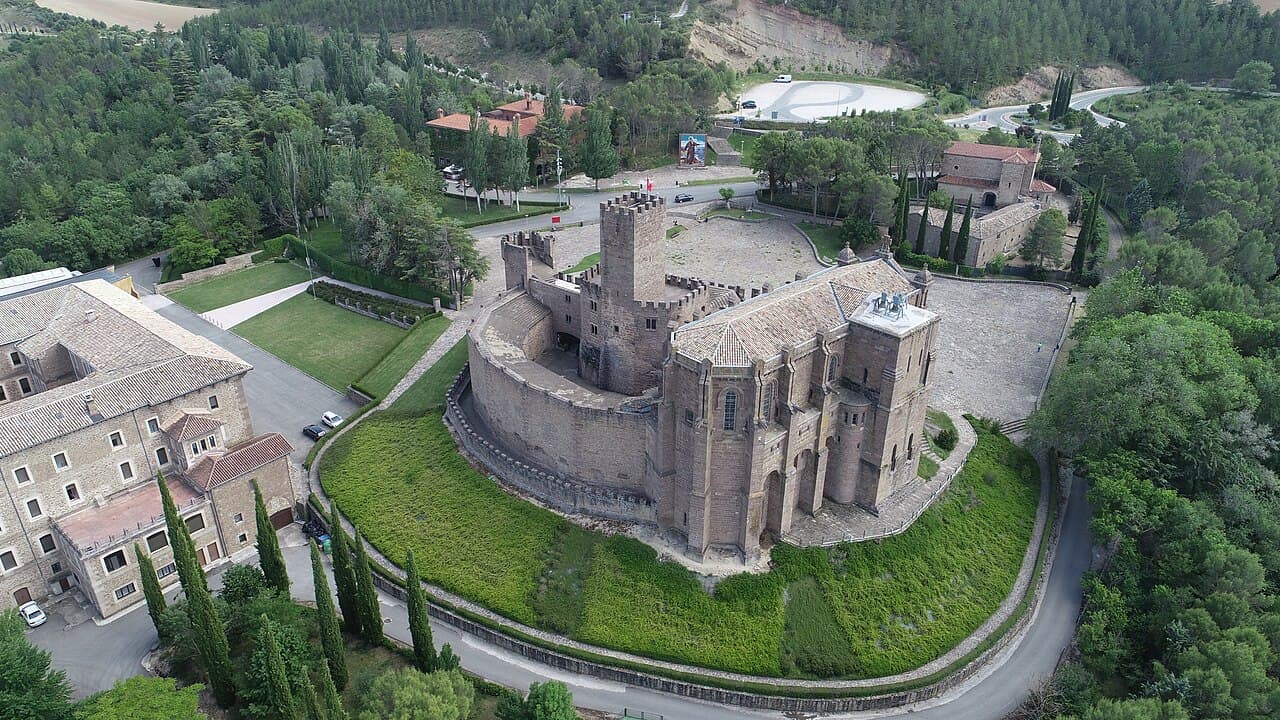
Xavier Castle
Xavier Castle (Spanish: Castillo de Javier, Basque: Xabierko gaztelua) is a historic hill castle located on a prominent hill in the town of Javier, in the region of Navarre, Spain. This castle dates back to the 10th century and is renowned as the birthplace and childhood home of Saint Francis Xavier, one of the founders of the Jesuit Order and a significant figure in Catholic missionary history. The castle's name is the origin of the saint's surname, linking the noble family of the Lords of Xavier to this fortress.
Architectural evolution and structure
The castle complex consists of three main buildings of varying antiquity, reflecting its long history and multiple phases of construction and renovation. The oldest structure is the Tower of Homage, also known as the San Miguel Tower, which serves as the castle's keep. This tower houses a museum dedicated to the life and legacy of Saint Francis Xavier, providing visitors with insights into his early life and the historical context of the castle.
The foundations of the castle reveal Muslim vestiges, likely dating from the 10th century, indicating the strategic and cultural significance of the site during the early medieval period. The 11th century saw the addition of the first defensive enclosure, which protected the surrounding rooms and courtyard areas.
In the 13th century, the castle underwent significant expansion with the construction of two polygonal bodies and two flanking towers positioned at the four cardinal points, enhancing its defensive capabilities. This medieval fortification design reflects the military architecture typical of the Kingdom of Navarre during this era.
The Tower of the Kristo Santua is the main fortified building and chapel within the castle complex. It contains a notable Late Gothic crucifix and a unique series of murals depicting the dance of death, a rare artistic theme in Spain, illustrating the medieval preoccupation with mortality and the afterlife.
Historical significance and ownership
The castle and the village of Xavier were integrated into the Kingdom of Navarre and were notably won by Sancho VII of Navarre around 1223. The castle's ownership shifted as a result of political and financial transactions involving the Crown of Navarre and the Crown of Aragon. Sancho VII acquired Xavier as a warranty for a loan to an Aragonese noble who defaulted, consolidating Navarrese control over the border region.
In 1236, the castle was granted by King Theobald I of Navarre to Adán de Sada, reflecting the feudal distribution of lands and titles typical of the medieval period. Prior to the Spanish conquest of Iberian Navarre, the castle belonged to the family of Saint Francis Xavier, specifically to Maria Azpilikueta and her husband Joanes Jatsukoa, who defended the kingdom's independence.
Following the conquest, the Spanish regent Cardinal Cisneros ordered the castle's demolition in 1516 to suppress Navarrese resistance. However, the demolition was only partial, focusing on the upper parts of the fortress. The castle later passed through inheritance to the House of Villahermosa, who maintained ownership for several centuries.
Modern developments and cultural heritage
In the late 19th century, the castle was donated by the Duquesa de Villahermosa to the Jesuit Order, who intended to establish a missionary center at the site. This led to the construction of an adjacent basilica, designed by local architect Angel Goicoechea and completed by Navarrese contractor Blas Morte. The basilica complements the medieval fortress and honors Saint Francis Xavier's missionary legacy.
Today, Xavier Castle is a well-preserved example of early medieval military architecture in Navarre and serves as a cultural and religious landmark. The castle's museum, chapel, and unique artworks attract visitors interested in medieval history, architecture, and the life of one of Christianity's most influential missionaries.
Architectural features and artistic elements
The castle's defensive features include polygonal towers at cardinal points, thick stone walls, and a strategic hilltop location that provided natural defense advantages. The chapel within the Tower of Kristo Santua is notable for its Late Gothic crucifix and the rare murals illustrating the dance of death, a medieval allegory on mortality that is exceptional in Spanish castle art.
The castle's layout reflects the evolution of fortification techniques from the early medieval period through the high medieval period, showcasing adaptations to changing military needs and architectural styles.
Visiting Xavier Castle
Visitors to Xavier Castle can explore the museum dedicated to Saint Francis Xavier, view the unique medieval murals, and appreciate the castle's imposing defensive architecture. The adjacent basilica offers additional historical and religious context. The castle's hilltop setting provides panoramic views of the surrounding Navarrese landscape.
The castle is accessible from nearby towns such as Pamplona and Sangüesa, making it a significant cultural destination in the region. Its preservation allows for an immersive experience of Navarre's medieval heritage and the legacy of one of its most famous sons.
Frequently asked questions (FAQ)
- What are the opening hours of Xavier Castle?
- Xavier Castle is open to visitors from 10 AM to 6 PM daily. However, hours may vary during public holidays, so it's advisable to check the official website or contact the visitor center for the most accurate information before your visit.
- When was Xavier Castle built?
- Xavier Castle was originally constructed in the 10th century, making it a significant historical landmark in the region. Its architecture reflects various styles that evolved over the centuries, showcasing the rich history of Javier, Spain.
- Can I access Xavier Castle with a wheelchair?
- Yes, Xavier Castle strives to be accessible to all visitors. While some areas may have limited access due to the castle's historical structure, there are pathways and services available to assist those with mobility challenges.
- What is the historical significance of Xavier Castle?
- Xavier Castle is renowned for its association with St. Francis Xavier, one of the founders of the Jesuit order. The castle played a pivotal role in the history of the region, serving as a strategic fortification and a cultural landmark.
- Is it possible to take guided tours of Xavier Castle?
- Yes, guided tours are available for visitors who wish to learn more about the castle's history and architecture. These tours are typically conducted in multiple languages and offer a deeper insight into the significance of the site.
- What are the ticket prices for visiting Xavier Castle?
- Ticket prices for Xavier Castle vary based on age and group size, with discounts available for students and seniors. It's recommended to purchase tickets in advance online to ensure availability and to take advantage of any special offers.
- When is the best time to visit Xavier Castle?
- The best time to visit Xavier Castle is during the spring and early autumn months when the weather is mild and pleasant. This allows visitors to enjoy the beautiful surroundings and participate in outdoor activities without the summer crowds.
- What nearby attractions can I explore while visiting Xavier Castle?
- While visiting Xavier Castle, you can also explore the charming town of Javier, which is rich in history and culture. Additionally, the nearby Natural Park of Bardenas Reales offers stunning landscapes and hiking opportunities for outdoor enthusiasts.
Photo gallery

Information
Loading map...
Visitor reviews
No reviews yet. Been here? Write the first review and help other travelers!
Write the first reviewVisited this castle? Share your experience
Your review helps other travelers and adds first-hand knowledge to our encyclopedia.