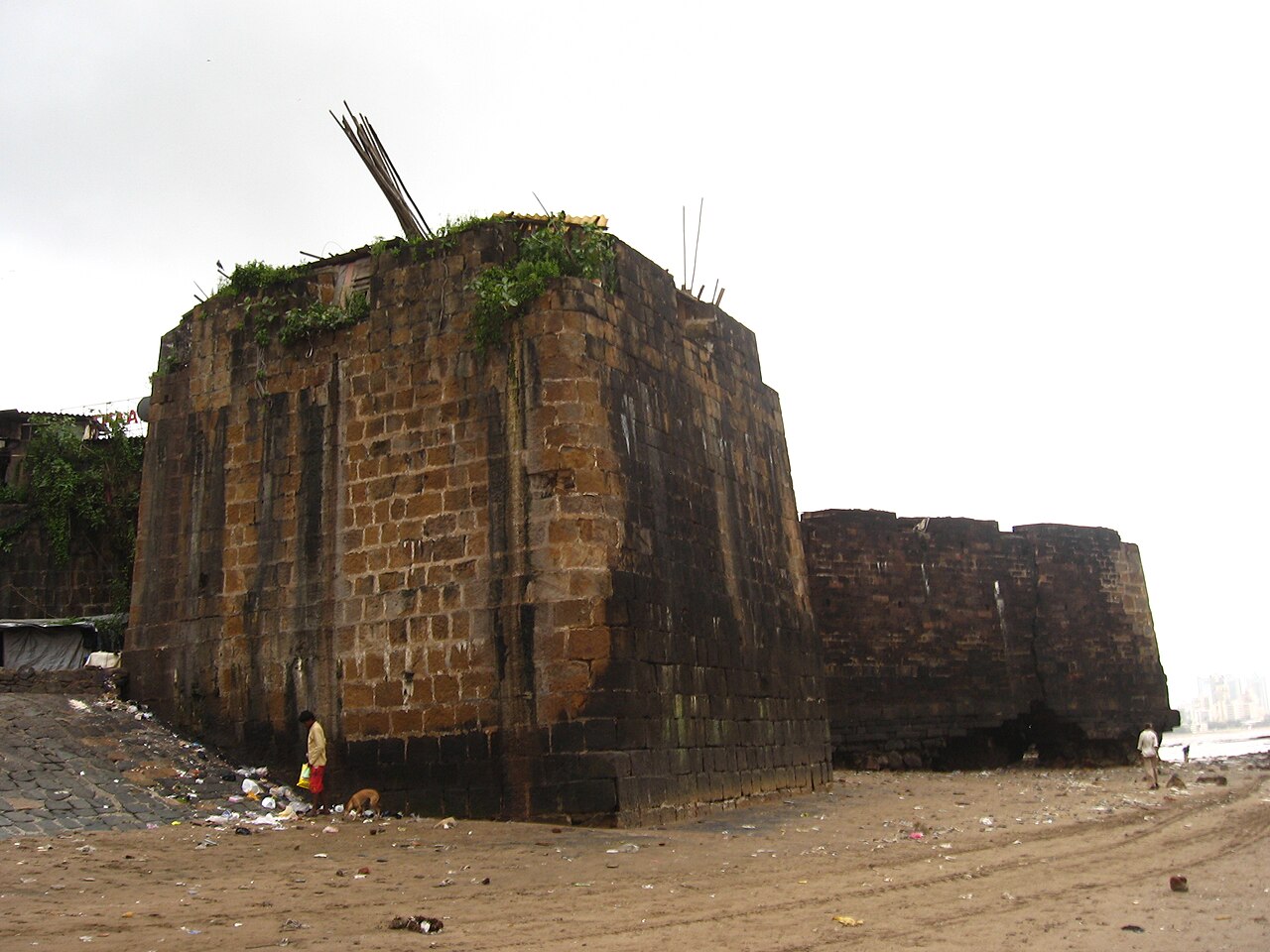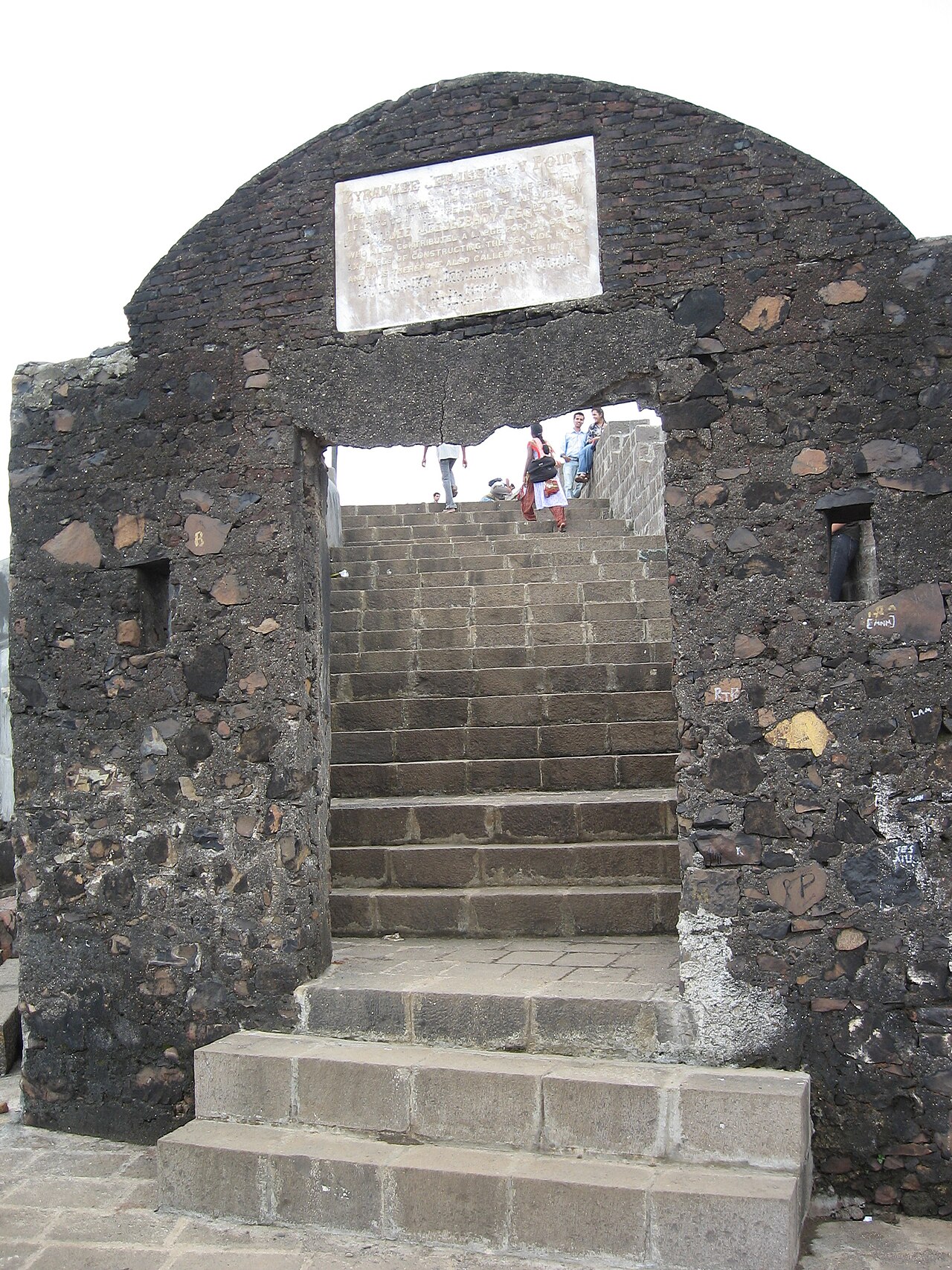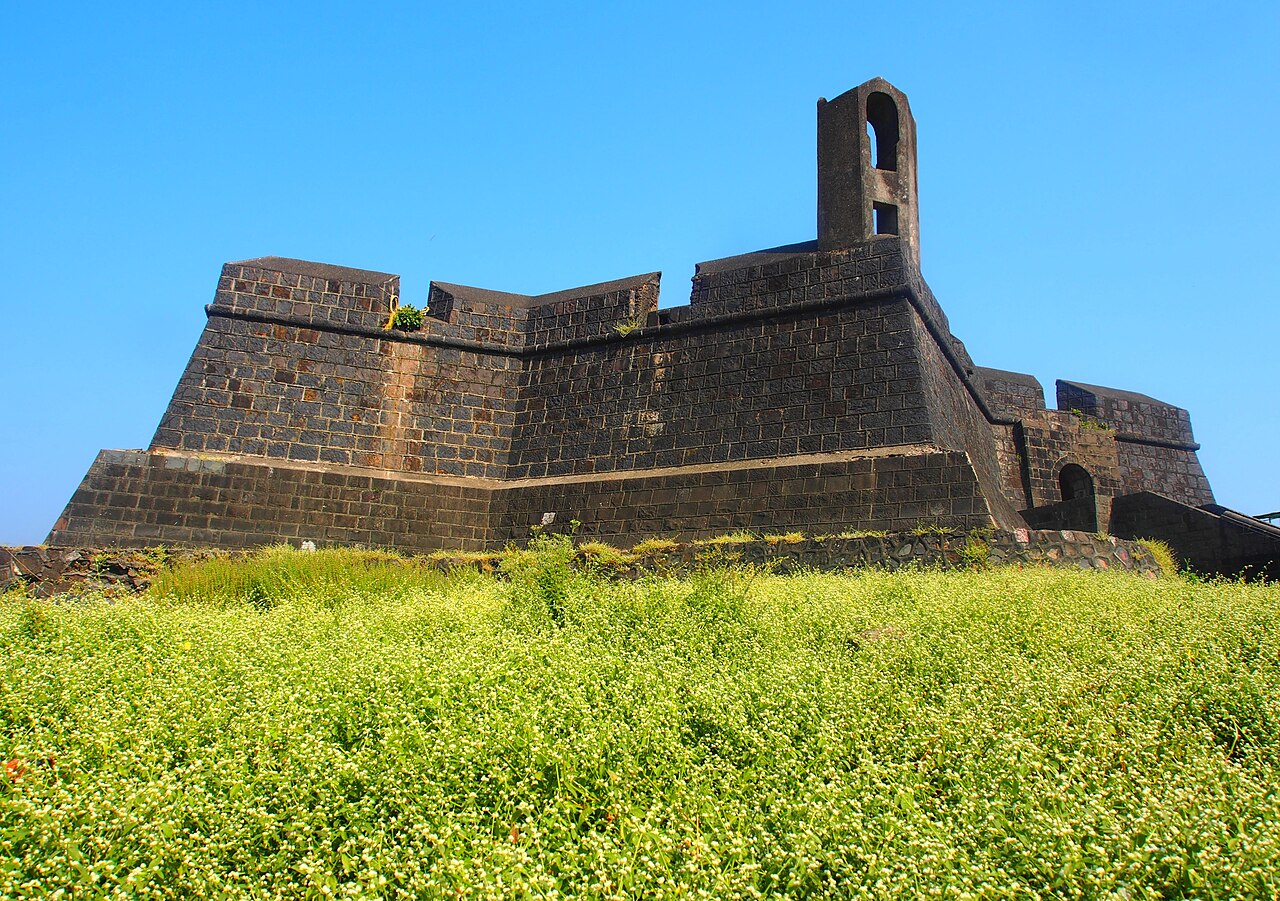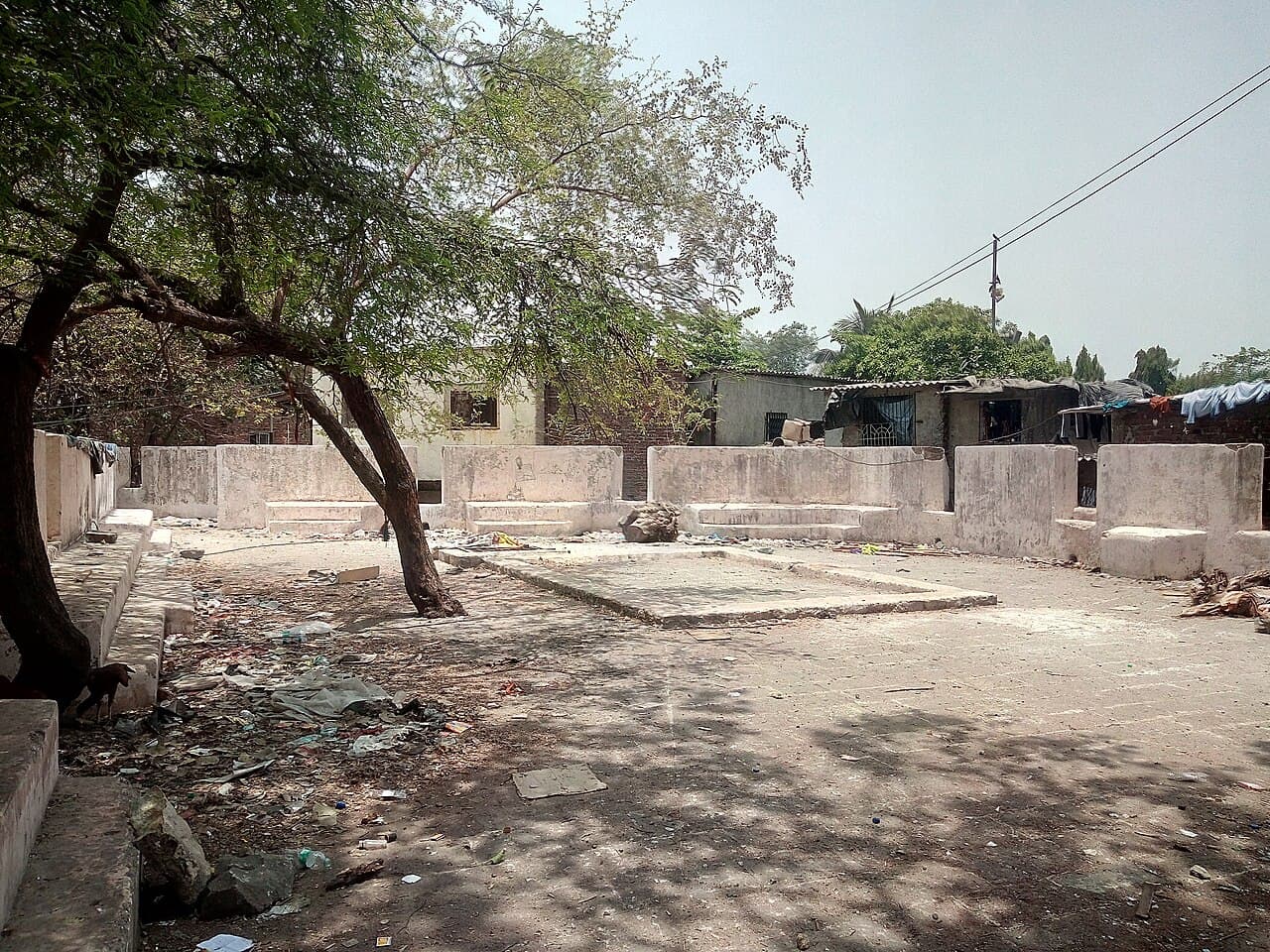
Riwa Fort, locally called Kala Qilla or Black Fort, is a historic fortress located on the banks of the Mithi River in central Mumbai (formerly Bombay), India. Though now in a state of ruins, the fort holds significant historic importance due to its strategic location and role in the maritime defense of the region during the early 18th century. Situated in the midst of the Dharavi slums, the fort's remains offer a glimpse into the colonial and regional conflicts that shaped Mumbai's development.
The site originally consisted of marshy land that served as a natural boundary dividing territories controlled by the British East India Company and the Portuguese. This strategic position on the Mithi River made it a crucial point for controlling access to the island of Bombay and protecting it from naval incursions.
Historical context and construction
The fort was commissioned during the tenure of John Horne, the Governor of Bombay, as part of a defensive strategy against the aggressive maritime activities of the Maratha naval leader Kanhoji Angre. Kanhoji Angre was a prominent admiral of the Maratha Empire who controlled significant portions of the western coast of India and was known for his naval raids against European colonial powers.
Construction of the fort likely took place in the early 18th century, although precise dates are not well documented. The fort's primary purpose was to serve as a coastal defense installation to monitor and repel attacks by Maratha forces, particularly those led by Angre, who was a formidable adversary to British interests in the region.
Architectural features and layout
While much of Riwa Fort lies in ruins today, historical records and remaining structures indicate it was a modest defensive fortification typical of early colonial coastal forts in India. The fort's walls were constructed from locally available stone and mortar, designed to withstand naval bombardment and provide vantage points for artillery placement.
The fort's location on the riverbank allowed for control over river access and facilitated surveillance of maritime traffic. It likely featured battlements, watchtowers, and a fortified gatehouse to regulate entry. Its compact size suggests it was intended more as a military outpost than a large garrison or administrative center.
Military significance and conflicts
Riwa Fort played a role in the ongoing conflicts between the British colonial authorities and the Maratha Empire during the 18th century. The Marathas, under Kanhoji Angre, frequently challenged British naval dominance along the western coast, and the fort was part of the British effort to secure Bombay against these threats.
Despite British efforts, the fort was eventually captured by the Marathas, reflecting the shifting control of the region during this turbulent period. This capture underscored the strategic importance of the fort and the contested nature of coastal defenses in western India.
Decline and present condition
Following the decline of Maratha naval power and the consolidation of British control over Bombay, Riwa Fort lost its military relevance. Over time, it fell into disrepair and was largely abandoned. Today, the fort remains in a dilapidated state amid the dense urban sprawl of Dharavi, one of Asia's largest slums.
The fort is under the care of the Maharashtra Directorate of Archaeology and Museums, which recognizes its heritage value. However, the site faces challenges from urban encroachment and environmental degradation, limiting preservation efforts.
Significance and heritage value
Despite its ruined condition, Riwa Fort stands as a testament to the complex colonial and regional power struggles that shaped Mumbai's history. It reflects the military architecture and strategic thinking of early 18th-century coastal defenses in India.
The fort's location near the Mithi River and within a rapidly urbanizing area highlights issues of heritage conservation amid modern development pressures. It remains a subject of interest for historians, archaeologists, and those studying the maritime history of the western Indian coast.
Frequently asked questions (FAQ)
- What is the historical significance of Riwa Fort?
- Riwa Fort, located in Mumbai, is a testament to the region's rich maritime history. Originally built to protect the coastline from invaders, it played a crucial role during the Maratha Empire and showcases the architectural prowess of its time.
- When was Riwa Fort constructed?
- Riwa Fort was constructed in the late 17th century, during a period of extensive fortification along the Western coast of India. It was strategically built to safeguard the area against foreign powers and has stood the test of time.
- What are the opening hours for Riwa Fort?
- Riwa Fort is open to visitors from 9 AM to 6 PM daily. However, it is advisable to check for any seasonal variations or special events that might affect these hours before planning your visit.
- Can I visit Riwa Fort with my family?
- Yes, Riwa Fort is a family-friendly destination where visitors of all ages can explore the historical site. The fort's expansive grounds provide ample space for family activities and picnics.
- Is it possible to access Riwa Fort by public transportation?
- Yes, Riwa Fort is accessible via public transportation, including local trains and buses that connect to nearby areas. Visitors can also hire taxis or rickshaws for a more direct route.
- What is the best time to visit Riwa Fort?
- The best time to visit Riwa Fort is during the winter months, from November to February, when the weather is mild and pleasant. This period is ideal for outdoor exploration and enjoying the scenic views from the fort.
- Are there any ticket prices for entering Riwa Fort?
- Currently, entry to Riwa Fort is free for all visitors, making it an attractive spot for history enthusiasts and tourists alike. However, donations to help with the fort's maintenance are appreciated.
- What nearby attractions can I visit after Riwa Fort?
- After visiting Riwa Fort, you can explore nearby attractions such as the Gateway of India and Chhatrapati Shivaji Maharaj Terminus. Additionally, the vibrant markets and local eateries in the vicinity offer a taste of Mumbai's culture.
Photo gallery

Information
Current owner
Maharashtra Directorate of Archaeology and Museums
Loading map...
Visitor reviews
No reviews yet. Been here? Write the first review and help other travelers!
Write the first reviewVisited this castle? Share your experience
Your review helps other travelers and adds first-hand knowledge to our encyclopedia.