Castella de Aguada
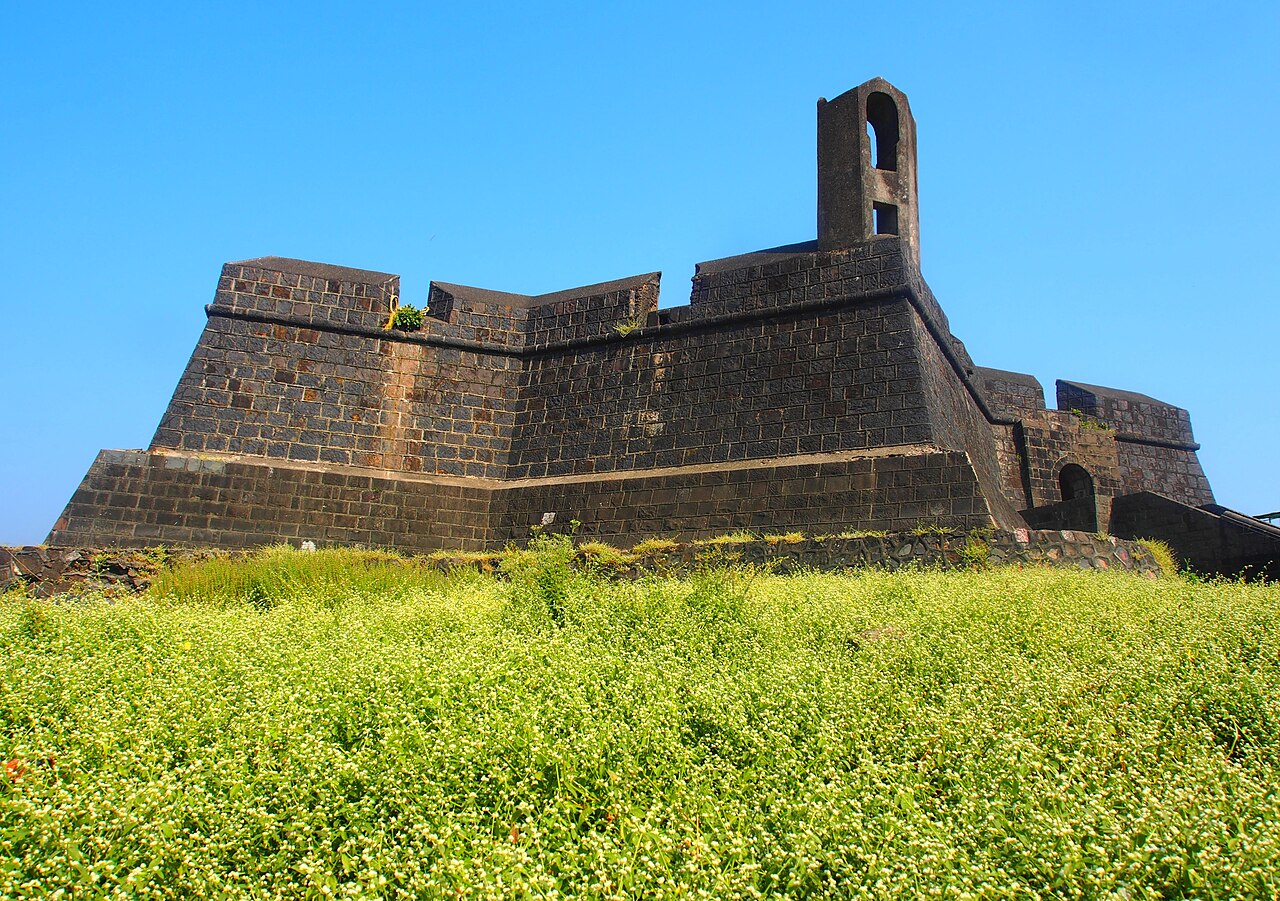
Castella de Aguada, also known as Bandra Fort, is a 17th-century bastioned fortress located at Land's End in Bandra, Mumbai, India. Constructed by the Portuguese in 1640, the fort was strategically positioned as a watchtower overseeing Mahim Bay, the Arabian Sea, and the southern island of Mahim. Its location allowed the Portuguese to monitor maritime activity and protect their interests along the western coast of India during the Renaissance period.
Origins and strategic importance
The fort's name, Castella de Aguada, is a corruption of the Portuguese term Castelo da Aguada, meaning "Fort of the Waterpoint." This name reflects the fort's crucial role as a freshwater source for Portuguese ships navigating the Arabian Sea. The fort was originally called Forte de Bandorá or Bandra Fort by its builders. The availability of a reliable freshwater spring made it an essential stopover for replenishing water supplies during long voyages.
Its strategic significance increased notably after 1661, when the Portuguese ceded the seven islands of Bombay to the English. Castella de Aguada then became a key lookout point to monitor naval movements near the newly acquired English territories, enhancing its military value.
Architectural features and layout
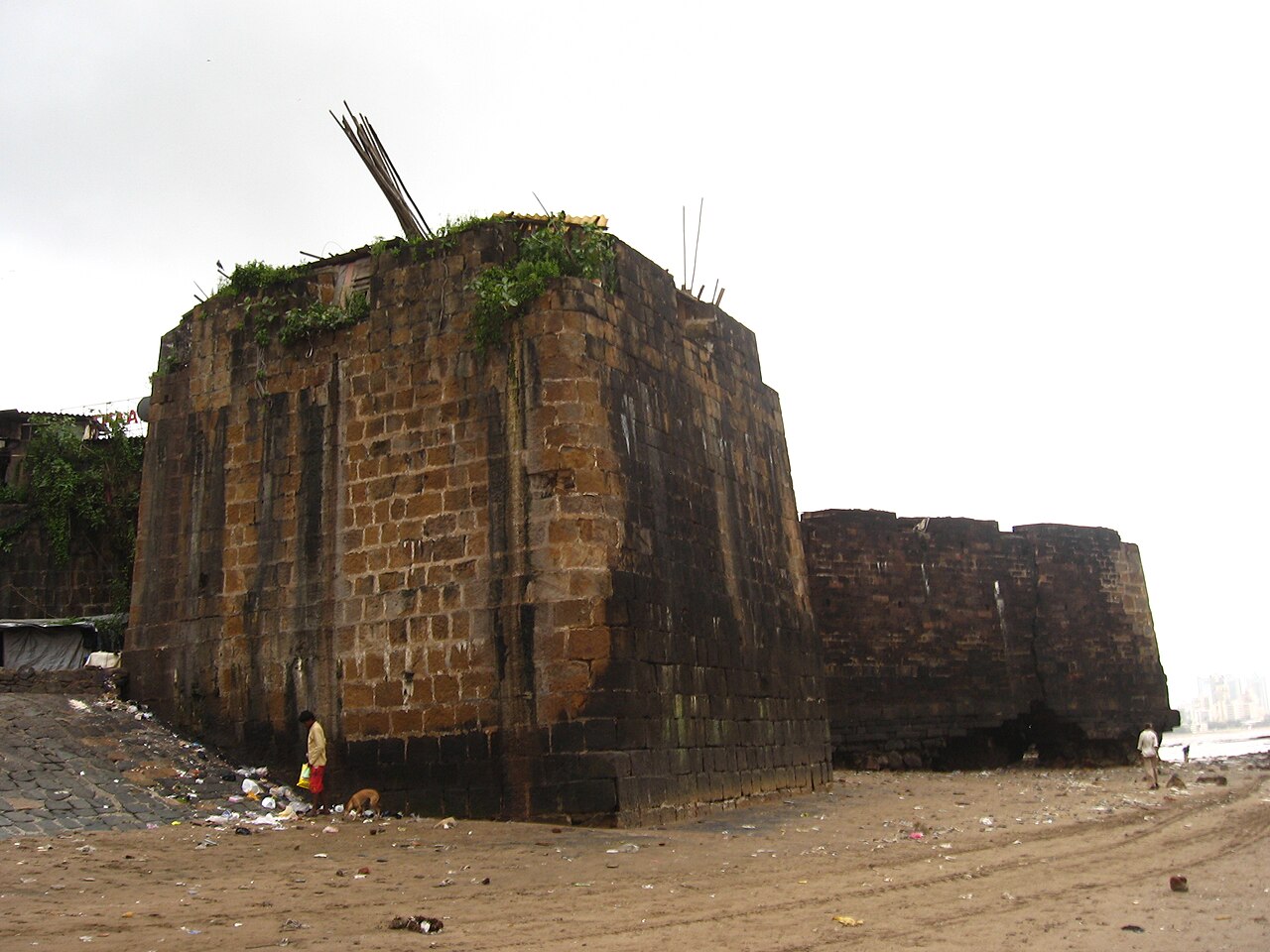
The fort is built over multiple levels, rising from sea level to an altitude of approximately 24 metres (79 feet). It features bastioned walls typical of Portuguese military architecture designed to withstand cannon fire and provide overlapping fields of fire against attackers. The fort's bastions allowed defenders to cover the surrounding coastline and the approaches from the sea effectively.
Constructed primarily of local basalt stone, the fort incorporates thick ramparts, parapets, and embrasures for artillery. Its design reflects the Renaissance-era military architectural principles introduced by the Portuguese, emphasizing both defense and the fort's role as a water supply station.
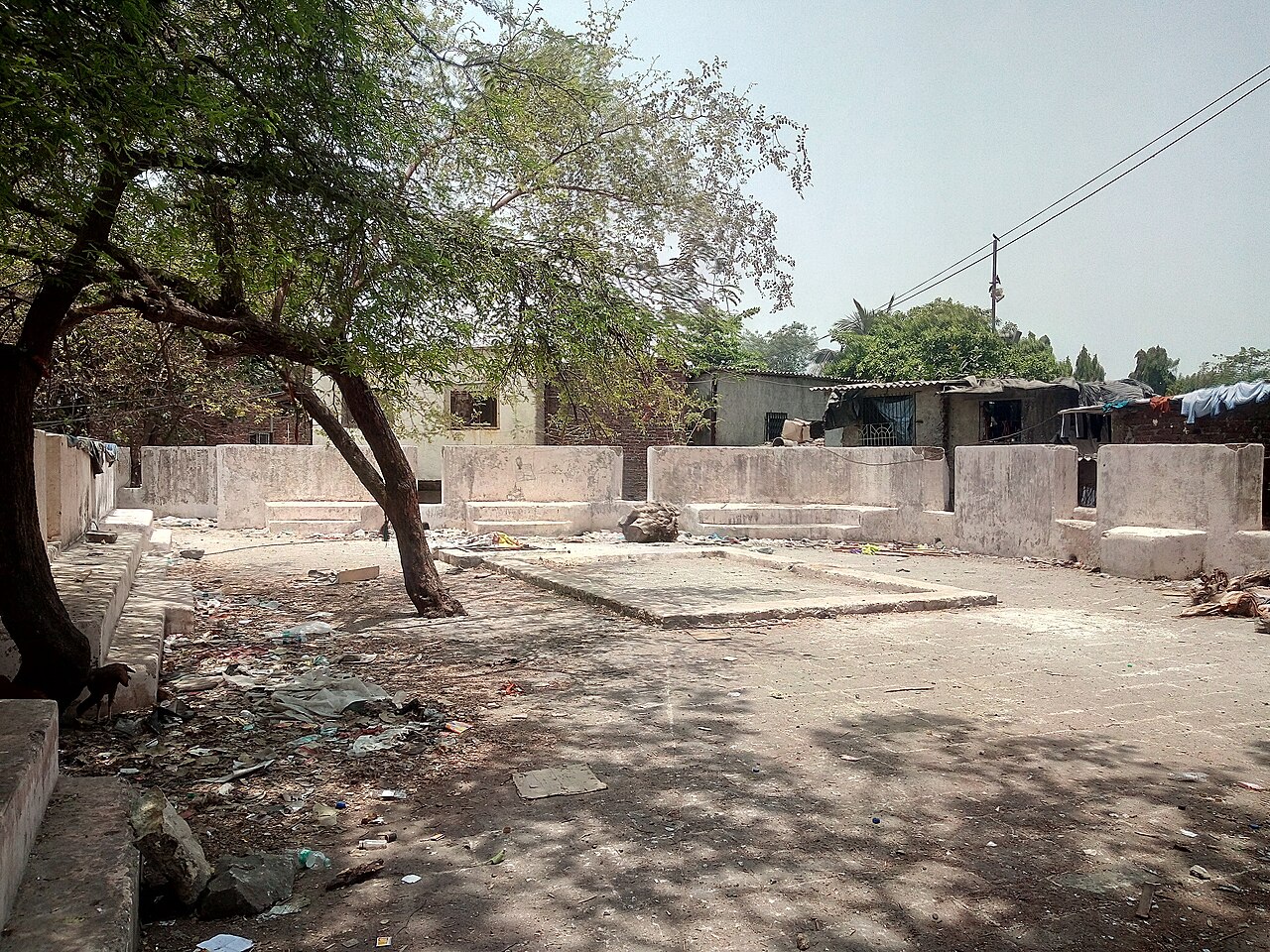
Within the fort's precincts, there are remnants of watchtowers and a freshwater spring, which was the source of the fort's name. The fort's walls enclose a courtyard area that would have housed soldiers and stored supplies necessary for maintaining a garrison and supporting naval operations.
Historical context and later use
During its operational period, Castella de Aguada served as a vital maritime outpost for the Portuguese empire in western India. It functioned as a lookout post to guard against rival European powers and local threats, ensuring Portuguese dominance over the coastal trade routes.
Following the transfer of Bombay to the British, the fort's military importance declined, and it eventually fell into disuse. Despite this, the fort remains an important heritage site reflecting the colonial history of Mumbai and the broader region.
Preservation and cultural significance
Today, Castella de Aguada stands as a partially preserved monument open to the public. Its ruins attract visitors interested in colonial history and coastal fortifications. The fort has also gained popularity as a filming location for several Hindi films, including "Dil Chahta Hai" and "Buddha Mil Gaya."
Efforts to maintain and preserve the fort focus on stabilizing its structures and promoting awareness of its historical value. The fort's scenic location overlooking the Arabian Sea and its connection to Mumbai's colonial past make it a notable cultural landmark.
Visiting Castella de Aguada
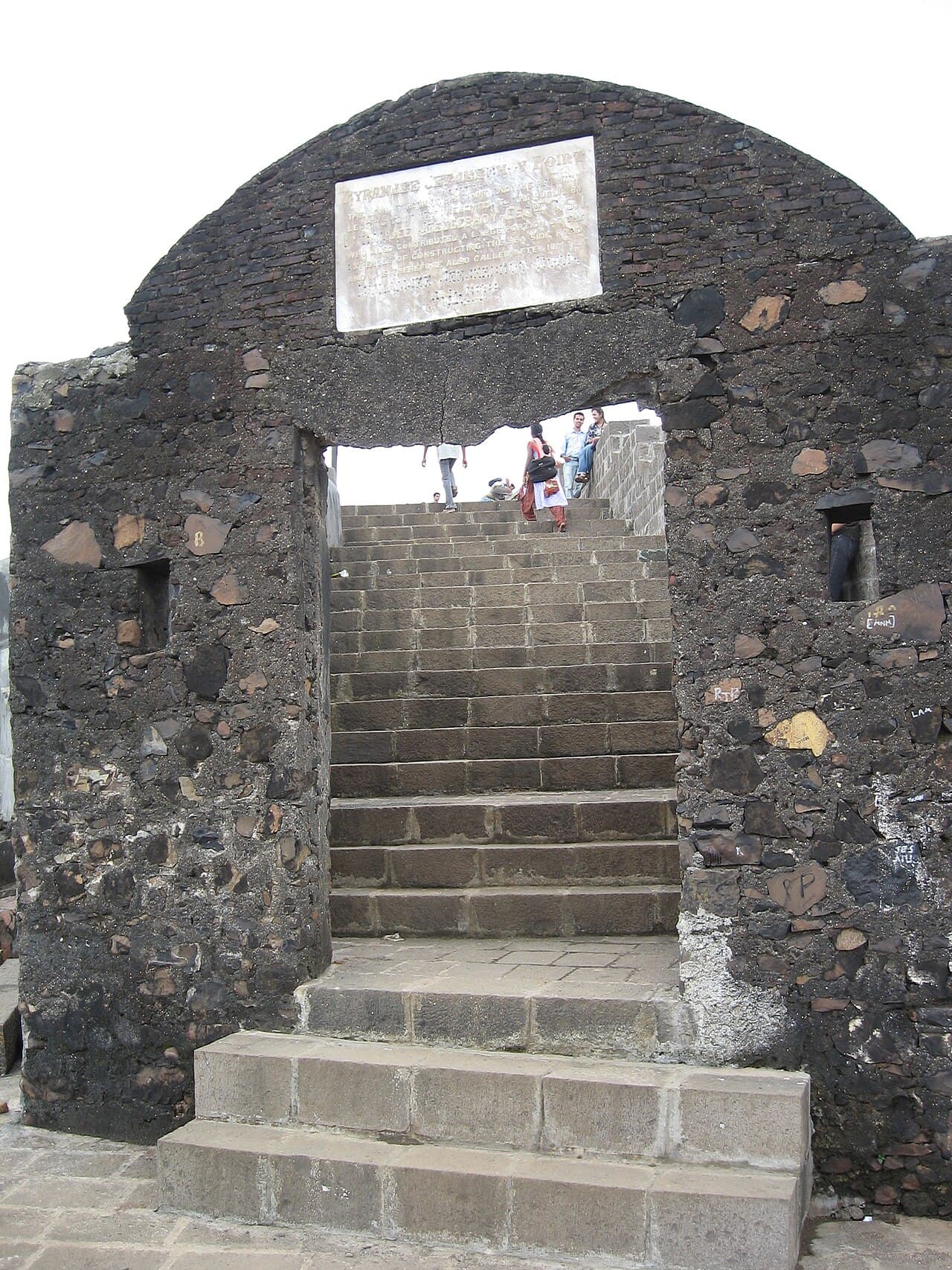
Visitors can explore the fort's walls, bastions, and the freshwater spring area while enjoying panoramic views of the sea and the Mumbai skyline. The site offers insight into Portuguese military architecture and the maritime history of the region.
Frequently asked questions (FAQ)
- When was Castella de Aguada built and by whom?
- Castella de Aguada was built in 1640 by the Portuguese as a strategic watchtower and waterpoint along the western coast of India.
- What is the architectural style of Castella de Aguada?
- The fort features Renaissance-era Portuguese military architecture with bastioned walls designed for defense against cannon fire.
- Why is the fort called Castella de Aguada?
- The name means 'Fort of the Waterpoint' in Portuguese, referring to the freshwater spring at the site used by Portuguese ships.
- Is Castella de Aguada open to visitors?
- Yes, the fort is open to the public and offers panoramic views of the Arabian Sea and Mumbai. Visitors can explore the ruins and learn about its history.
- What is the current condition of the fort?
- Castella de Aguada is partially preserved, with visible ruins including bastioned walls and remnants of watchtowers.
Photo gallery

Information
Loading map...
Visitor reviews
No reviews yet. Been here? Write the first review and help other travelers!
Write the first reviewVisited this castle? Share your experience
Your review helps other travelers and adds first-hand knowledge to our encyclopedia.