Wolseong
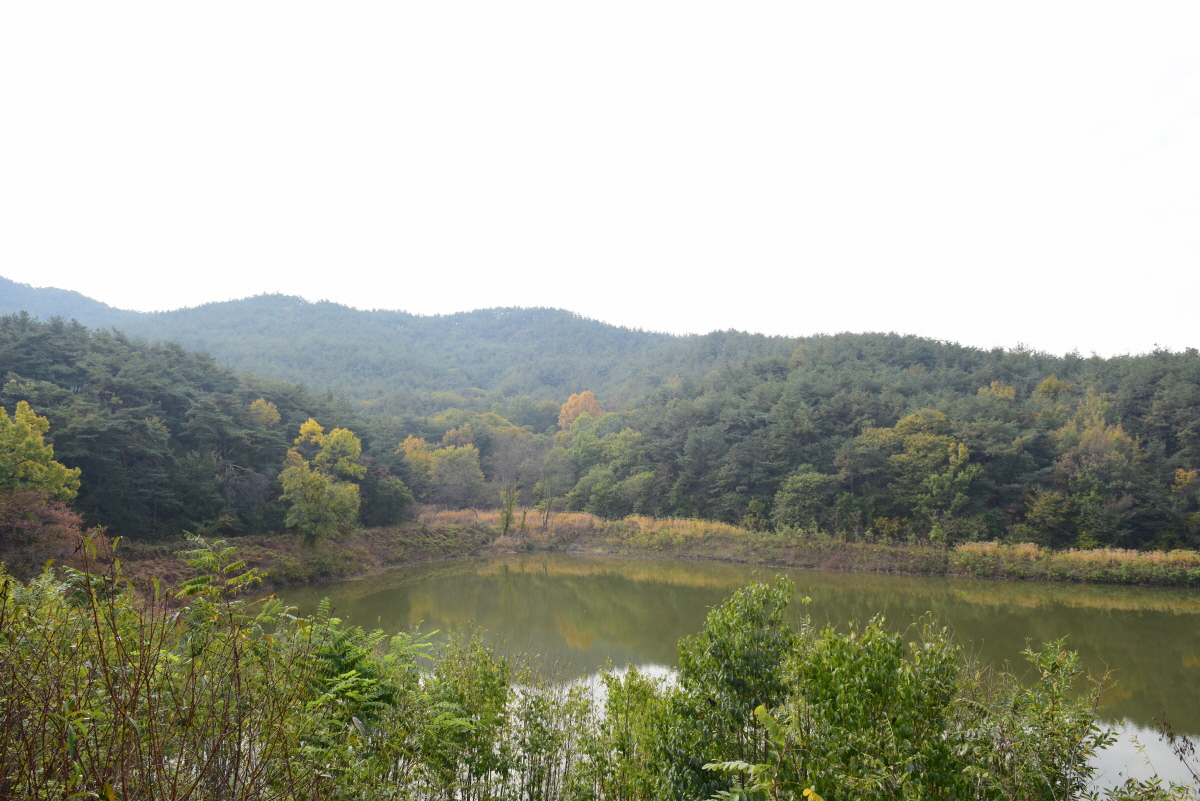
Wolseong Palace, also known as Banwolseong or the crescent moon fortress, served as a royal palace during the Silla Kingdom in ancient Korea. Located in present-day Gyeongju, South Korea, this site was the political and cultural heart of the Silla and Unified Silla periods, spanning from 57 BCE to 938 CE. The name Wolseong, meaning 'moon fortress,' derives from the distinctive crescent shape of the palace walls, which were constructed to resemble a half-moon. This architectural form was not only symbolic but also strategic, offering defensive advantages while reflecting the kingdom's cultural reverence for celestial symbolism.
Historical significance and royal function
The palace was the central seat of power for the Silla rulers, one of the Three Kingdoms of Korea, which eventually unified the peninsula. Wolseong's role extended beyond a mere royal residence; it was a hub for administration, ceremonies, and military planning. The site witnessed the evolution of Silla from a regional kingdom into a dominant power, culminating in the unification of much of the Korean Peninsula. Its walls enclosed key royal buildings, administrative offices, and ceremonial spaces, underscoring its importance in governance and ritual life.
Architectural layout and features
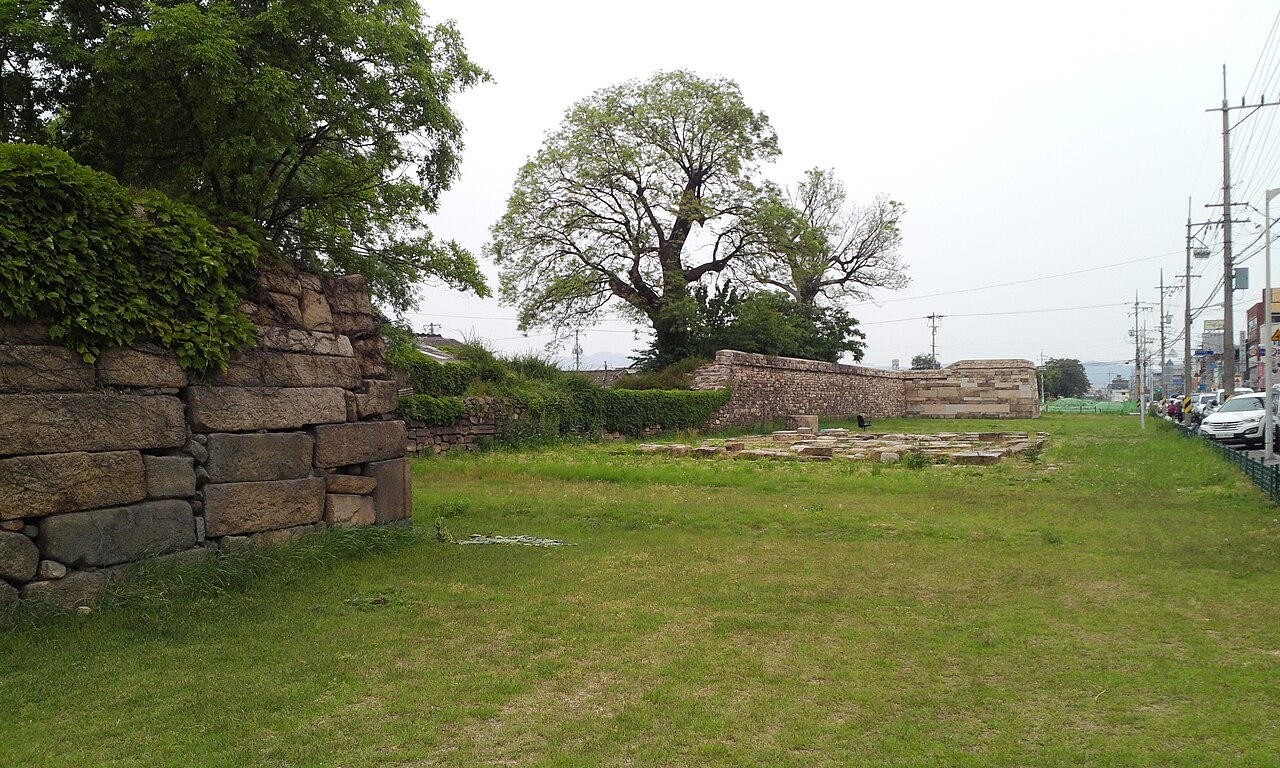
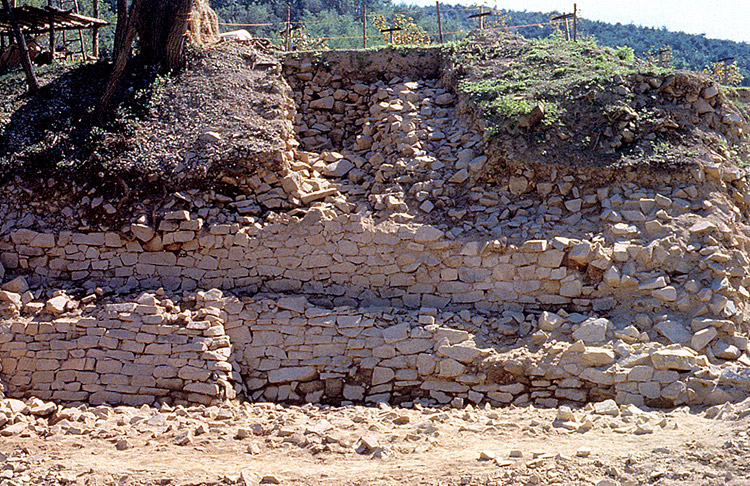
Wolseong was characterized by its fortified stone walls that followed the natural contours of the land, creating the crescent shape that defines its identity. The walls were constructed using large granite blocks, a common building material in Korean fortress construction, providing durability and defense against invasions. Within the walls, the palace complex included various structures such as royal halls, residential quarters, and storage facilities, although much of these have not survived intact due to the passage of time and historical upheavals.
The fortress was surrounded by a moat, enhancing its defensive capabilities. Archaeological excavations have revealed remnants of gates and watchtowers, which would have been critical for controlling access and monitoring the surrounding area. The design reflects the early medieval Korean fortress architecture, blending military functionality with royal symbolism.
Crescent shape and symbolism
The crescent form of Wolseong's walls is unique among Korean fortresses and is believed to have spiritual significance. The moon was an important symbol in Silla culture, often associated with protection, prosperity, and the divine right of kings. The fortress's shape may have been intended to invoke these qualities, reinforcing the king's authority and the kingdom's stability.
Archaeological discoveries and preservation
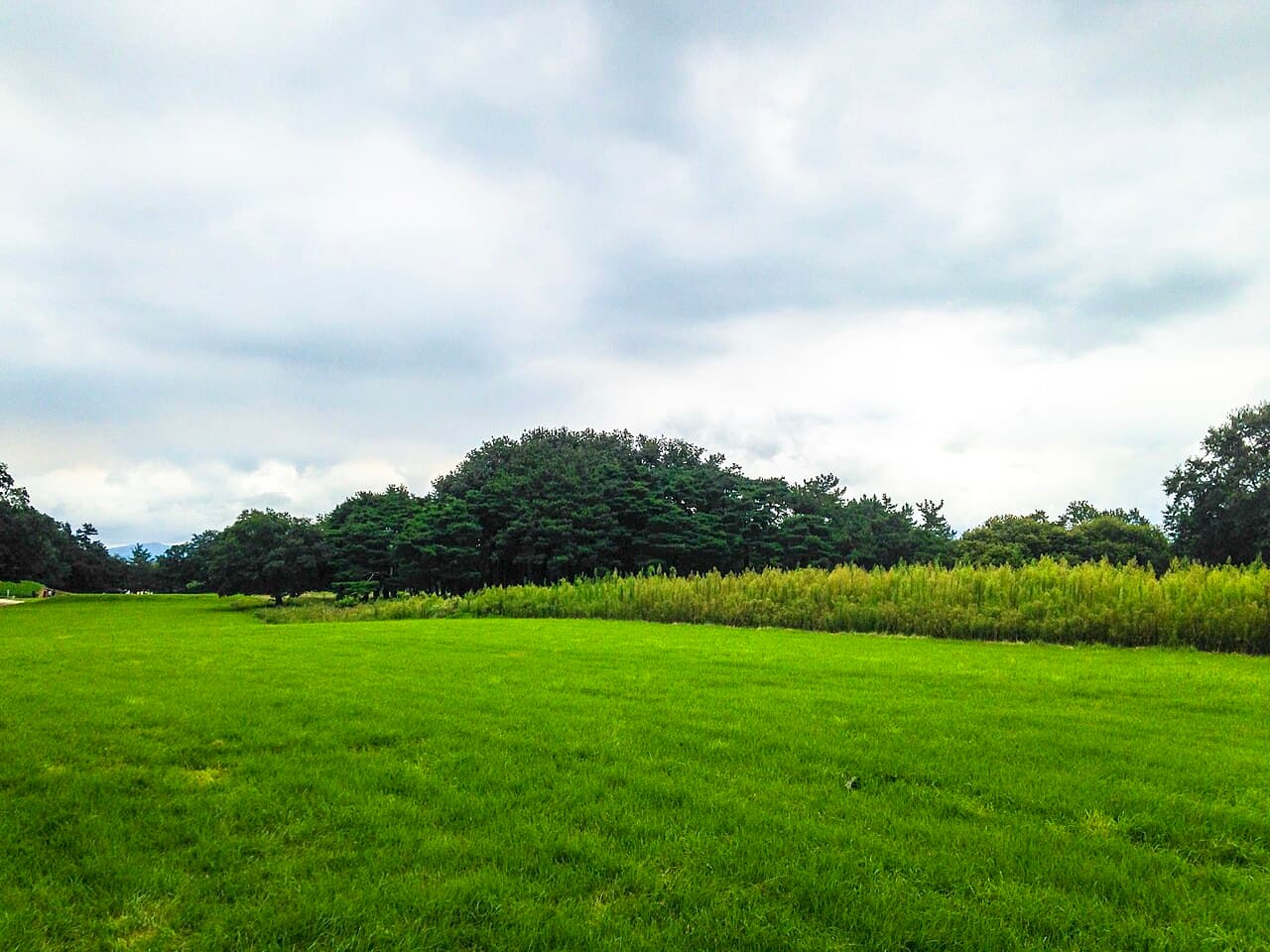
Today, Wolseong stands as an archaeological ruin, with much of its original structures lost or buried. Excavations have uncovered artifacts such as pottery, tools, and remnants of wooden buildings, providing insight into the daily life and culture of the Silla period. These findings have helped historians and archaeologists reconstruct aspects of the palace's layout and usage.
The site is part of the larger Gyeongju Historic Areas, which are recognized for their cultural and historical value. Preservation efforts focus on maintaining the visible remains of the walls and protecting the site from urban development. Interpretive signage and guided tours help visitors understand the site's significance and the legacy of the Silla Kingdom.
Wolseong in the context of korean fortress architecture
Wolseong exemplifies the distinctive features of early medieval Korean fortress architecture, combining natural landscape adaptation with symbolic design. Unlike later stone castles or mountain fortresses, Wolseong's crescent shape and integration with the terrain highlight a sophisticated approach to defense and royal representation during the Silla era.
The palace's design influenced subsequent Korean fortifications, contributing to the architectural heritage that includes other famous sites such as the fortress walls of Gyeongju and the later Joseon dynasty palaces. Wolseong's ruins provide valuable evidence of the technological and cultural achievements of early Korean statecraft.
Visiting wolseong today
Visitors to Gyeongju can explore the Wolseong site as part of the broader historical landscape that includes temples, tombs, and other ancient relics. While the palace itself exists mainly as ruins, the site offers a tangible connection to Korea's early medieval history and the Silla Kingdom's legacy. Walking along the remaining stone walls and viewing the moat area allows visitors to imagine the scale and significance of this royal fortress.
The site is accessible year-round, with informational displays to enhance the experience. Nearby attractions include the Gyeongju National Museum and the Anapji Pond, both of which deepen understanding of Silla culture and history.
Frequently asked questions (FAQ)
- How do I get to Wolseong Palace in Gyeongju?
- Wolseong Palace is located in Gyeongju, accessible by local buses and taxis from the city center. It is within walking distance of other historic sites in the Gyeongju Historic Areas.
- What is the historical significance of Wolseong Palace?
- Wolseong Palace was the royal seat of the Silla Kingdom and played a central role in the unification of the Korean Peninsula during the early medieval period.
- Can I see original structures at Wolseong today?
- Most of Wolseong Palace exists as archaeological ruins, with stone walls and foundations visible. There are no intact original buildings, but the site offers informative displays and guided tours.
- When is the best time to visit Wolseong?
- Spring and autumn are ideal for visiting Wolseong due to mild weather and scenic surroundings, enhancing the experience of exploring the historic ruins.
- Is there an entrance fee to visit Wolseong Palace?
- Visiting Wolseong Palace is free of charge, making it accessible to all visitors interested in Korea's early medieval history.
Photo gallery

Information
Opening hours
9:00-18:00, daily
Ticket prices
Free
Current owner
Cultural Heritage Administration of Korea
Loading map...
Visitor reviews
No reviews yet. Been here? Write the first review and help other travelers!
Write the first reviewVisited this castle? Share your experience
Your review helps other travelers and adds first-hand knowledge to our encyclopedia.