Myeonghwalseong Fortress
Myeonghwalseong fortress (Korean: 명활성; Hanja: 明活城), also known as Myeonghwalsanseong (명활산성; 明活山城), is a historic Korean fortress dating back to the Silla period, located on the mountain Myeonghwalsan in what is now Gyeongju, South Korea. This fortress is a significant component of the Gyeongju Historic Areas, designated as a UNESCO World Heritage Site and recognized as Historic Site No. 47 by the South Korean government since January 21, 1963. It forms part of the Sanseong Fortress Belt, a network of mountain fortresses built for defense during the early medieval era.
Historical background and significance
The exact date of Myeonghwalseong's construction remains uncertain, but historical records provide clues to its early importance. The Samguk Sagi, a 12th-century historical chronicle of the Three Kingdoms of Korea, records that the fortress was attacked in 405 AD according to the Korean calendar. It faced further assaults by Japanese invaders in 431 AD, underscoring its strategic military role during the period.
Throughout the 5th and 6th centuries, the fortress underwent multiple repairs and reconstructions, with documented refurbishments in 473, 551, 554, and 593 AD. Notably, King Jabi of Silla is said to have relocated to the fortress in 475 AD, indicating its status as a royal stronghold. However, after the rebellion led by Bidam in 647 AD, which resulted in the fortress's capture, it appears to have been abandoned and ceased to function as a military site.
Architectural features and construction
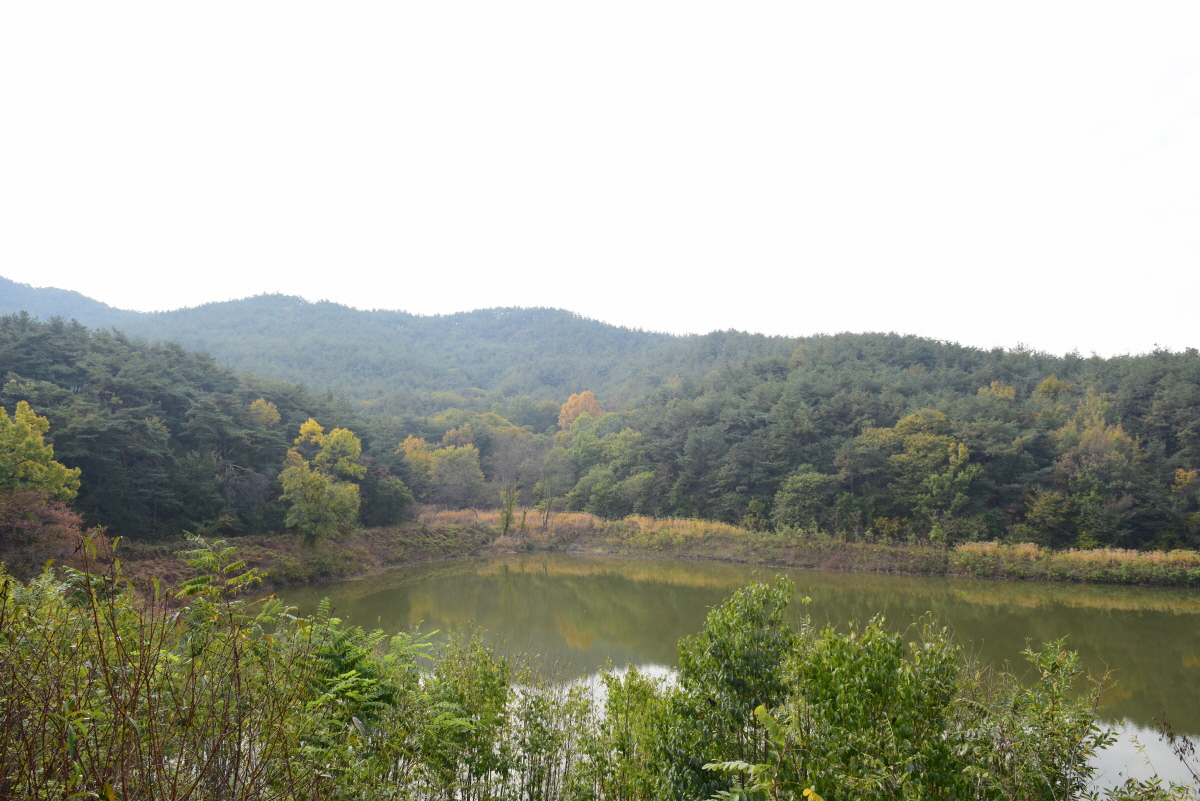
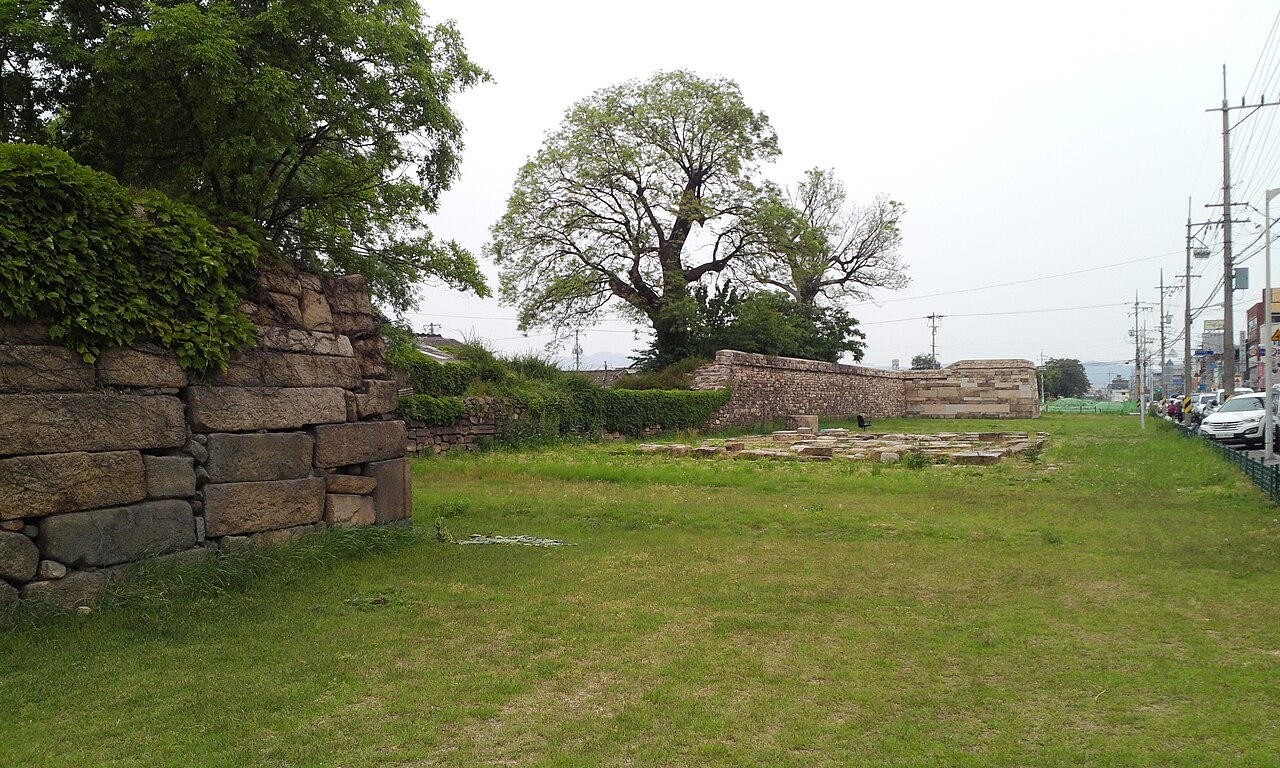
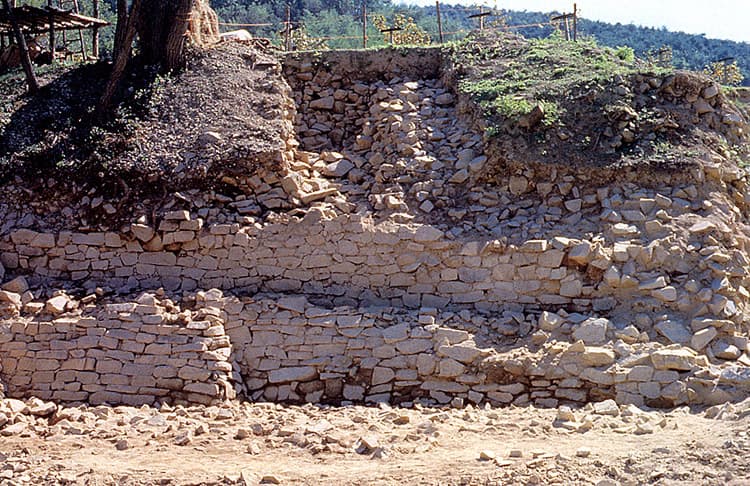
Myeonghwalseong fortress is classified as a bastioned fortress, characteristic of early medieval Korean military architecture. It was strategically positioned on Myeonghwalsan mountain to take advantage of the natural topography for defense. The fortress walls were constructed primarily from stone, designed to withstand sieges and protect the inhabitants.
Archaeological investigations have revealed the layout of the fortress, including the identification of six building sites within its perimeter. These buildings likely served various military and administrative functions, such as barracks, armories, and command posts. The fortress's design reflects the military engineering knowledge of the Silla kingdom, emphasizing both defense and control over the surrounding region.
Reconstruction and archaeological surveys
Surveys conducted in 1998 and between 2012 and 2014 have provided valuable insights into the fortress's history and structure. These studies confirmed that Myeonghwalseong underwent multiple phases of reconstruction, adapting to changing military needs and technologies over time. The archaeological evidence includes remnants of walls, foundations, and artifacts that help reconstruct the fortress's appearance and function during its active period.
Current condition and preservation
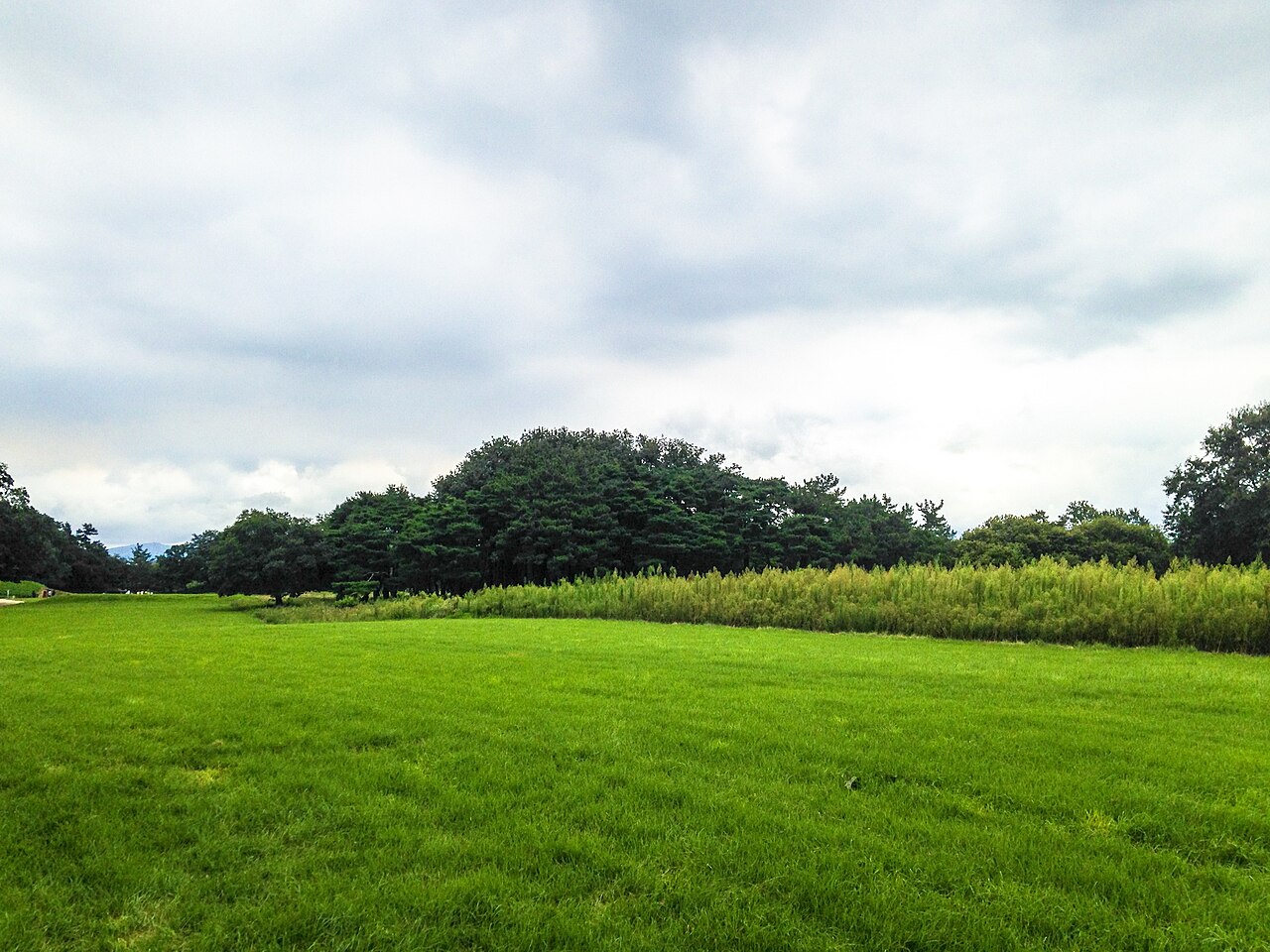
Today, Myeonghwalseong fortress remains mostly in ruins, with much of its original structure lost to time. However, the site is protected as a historic monument and is part of the broader efforts to preserve Korea's cultural heritage. Visitors to the site can observe the remains of the stone walls and the layout of the fortress, gaining insight into early medieval Korean fortification techniques.
The fortress's inclusion in the UNESCO World Heritage listing highlights its cultural and historical value, attracting scholars and tourists interested in Korea's ancient history and military architecture. Preservation efforts continue to focus on stabilizing the ruins and conducting further archaeological research to uncover more details about the fortress's past.
Context within Korean fortress systems
Myeonghwalseong is part of the Sanseong Fortress Belt, a network of mountain fortresses built primarily during the Silla dynasty to protect the kingdom from external threats. These fortresses were strategically located across mountainous terrain, utilizing natural defenses combined with man-made fortifications.
This system of fortresses played a crucial role in the military strategy of the Silla kingdom, which eventually unified much of the Korean peninsula during the late 7th century. The design and placement of these fortresses reflect the sophisticated military planning and architectural skills of the period.
Frequently asked questions (FAQ)
- How do I get to Myeonghwalseong Fortress?
- Myeonghwalseong Fortress is located in the city of Donghae, South Korea. You can reach it by taking public transportation, such as buses or taxis, from nearby cities. If you're driving, ample parking is available near the site.
- What is the historical significance of Myeonghwalseong Fortress?
- Myeonghwalseong Fortress was built during the Joseon Dynasty to protect the region from invasions and to serve as a military stronghold. It reflects the architectural style and strategic importance of fortifications from that era. The fortress is a testament to Korea's rich history and cultural heritage.
- When was Myeonghwalseong Fortress constructed?
- Myeonghwalseong Fortress was constructed in the late 17th century, specifically between 1674 and 1676. It was built under the orders of King Sukjong to reinforce the defense against potential threats. The fortress has since been preserved as a historical site.
- Can I enter Myeonghwalseong Fortress for free?
- Yes, entry to Myeonghwalseong Fortress is free for all visitors. However, there may be fees for guided tours or specific exhibits. It's advisable to check for any temporary charges or events when planning your visit.
- Why is Myeonghwalseong Fortress an architectural marvel?
- Myeonghwalseong Fortress showcases traditional Korean military architecture, featuring stone walls and strategic watchtowers. Its design reflects the ingenuity of defense mechanisms used during the Joseon Dynasty. The fortress has been beautifully preserved, allowing visitors to appreciate its historical and architectural significance.
- Is it possible to visit Myeonghwalseong Fortress year-round?
- Yes, Myeonghwalseong Fortress is open to visitors throughout the year. However, the best time to visit is during the spring and autumn months when the weather is pleasant and the scenery is particularly beautiful. Be sure to check the local weather conditions before your visit.
- What are the opening hours for Myeonghwalseong Fortress?
- Myeonghwalseong Fortress is generally open from 9 AM to 6 PM daily. During peak tourist seasons, the hours may be extended. It's advisable to verify the current opening hours prior to your visit, as they can vary.
- What nearby attractions should I visit when at Myeonghwalseong Fortress?
- While visiting Myeonghwalseong Fortress, you can explore nearby attractions such as Donghae's beautiful beaches, scenic parks, and local museums. The Donghae City Hall and other historical landmarks are also within a short distance. Make sure to set aside time to enjoy the local culture and scenery.
- What are the ticket prices for Myeonghwalseong Fortress?
- Entry to Myeonghwalseong Fortress is free for all visitors, making it an excellent destination for travelers on a budget. However, guided tours or special events may have associated costs. Always check ahead for any updates on pricing for specific activities.
Photo gallery

Information
Loading map...
Visitor reviews
No reviews yet. Been here? Write the first review and help other travelers!
Write the first reviewVisited this castle? Share your experience
Your review helps other travelers and adds first-hand knowledge to our encyclopedia.