Namsansinseong
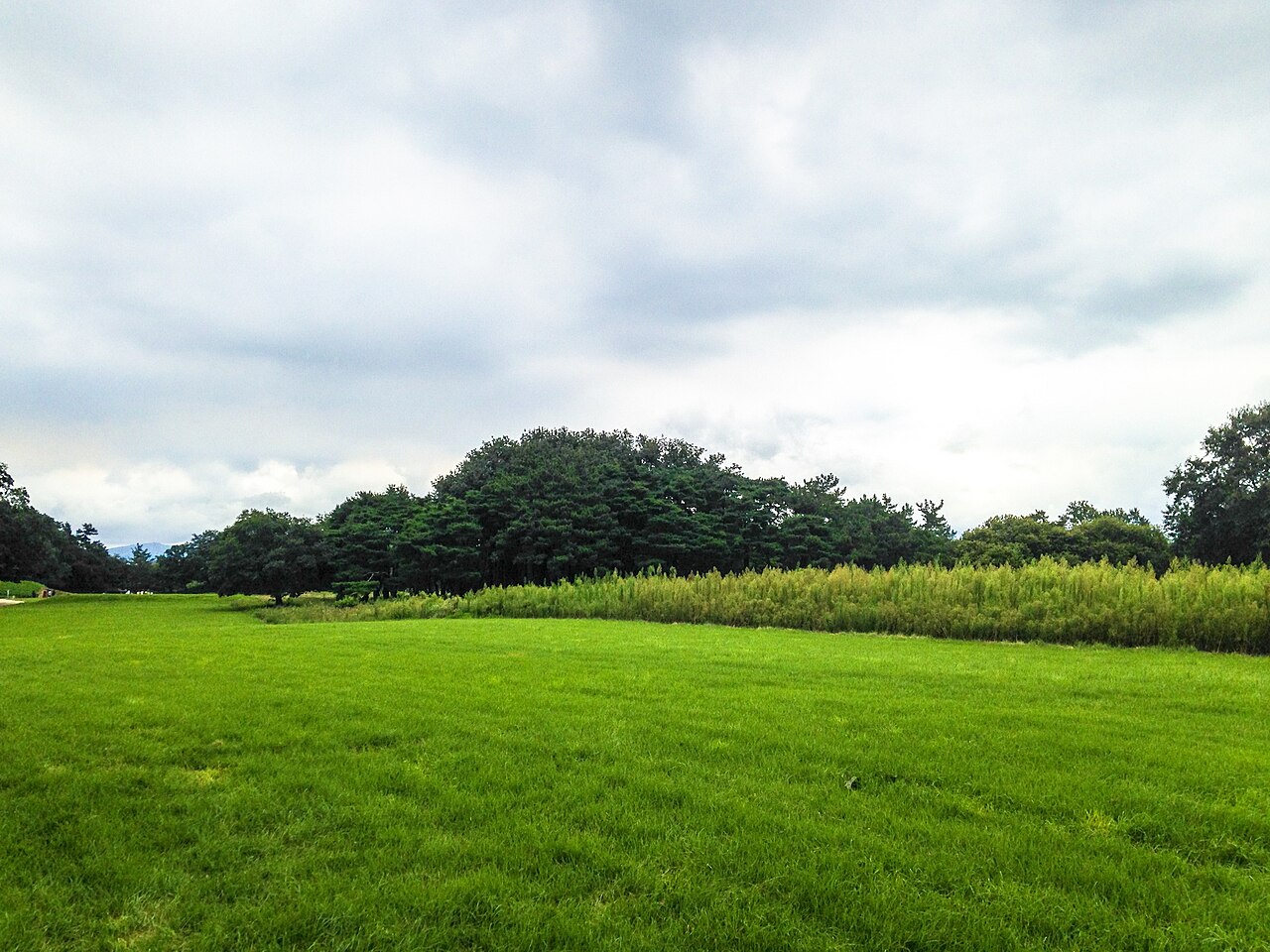
Namsansinseong (Korean: 남산신성; Hanja: 南山新城) is a historic hill fortress situated on Namsan mountain in Gyeongju, South Korea. Constructed in the 6th century during the Silla period, it served as a key military and defensive stronghold for the kingdom. The fortress is recognized as Historic Site No. 22 by South Korea, designated on January 21, 1963, underscoring its cultural and historical importance.
Historical background and construction
According to the Samguk Sagi, the fortress was originally built in 591 AD under the reign of King Jinpyeong. This period marks a significant phase in the Early Medieval history of Korea, when the Silla kingdom was consolidating power and defending its territories. The fortress was strategically positioned on the slopes of Namsan mountain, providing a natural vantage point over the surrounding landscape.
The fortress underwent substantial renovations in 679 AD during the reign of King Munmu, reflecting its continued military importance. These renovations likely included strengthening the walls and updating defensive structures to adapt to evolving warfare tactics.
Architectural features and layout
Namsansinseong is characteristic of hill castles built during the Silla period, utilizing the natural topography to enhance defense. The fortress walls followed the contours of the mountain, enclosing an area that provided protection for both military forces and local inhabitants during times of conflict.
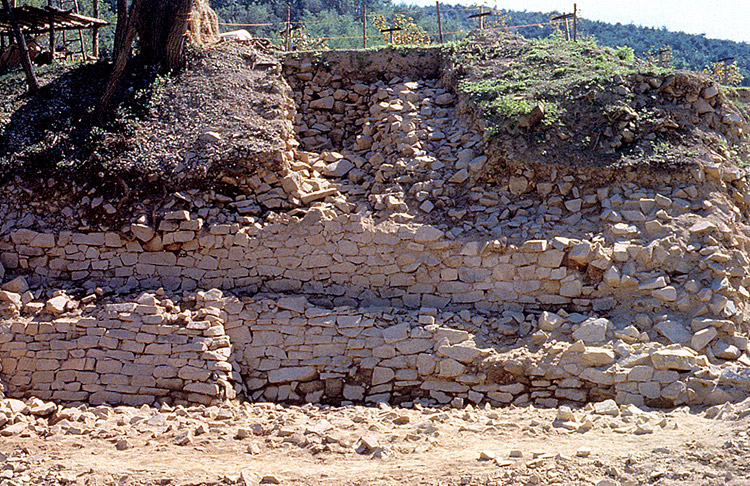
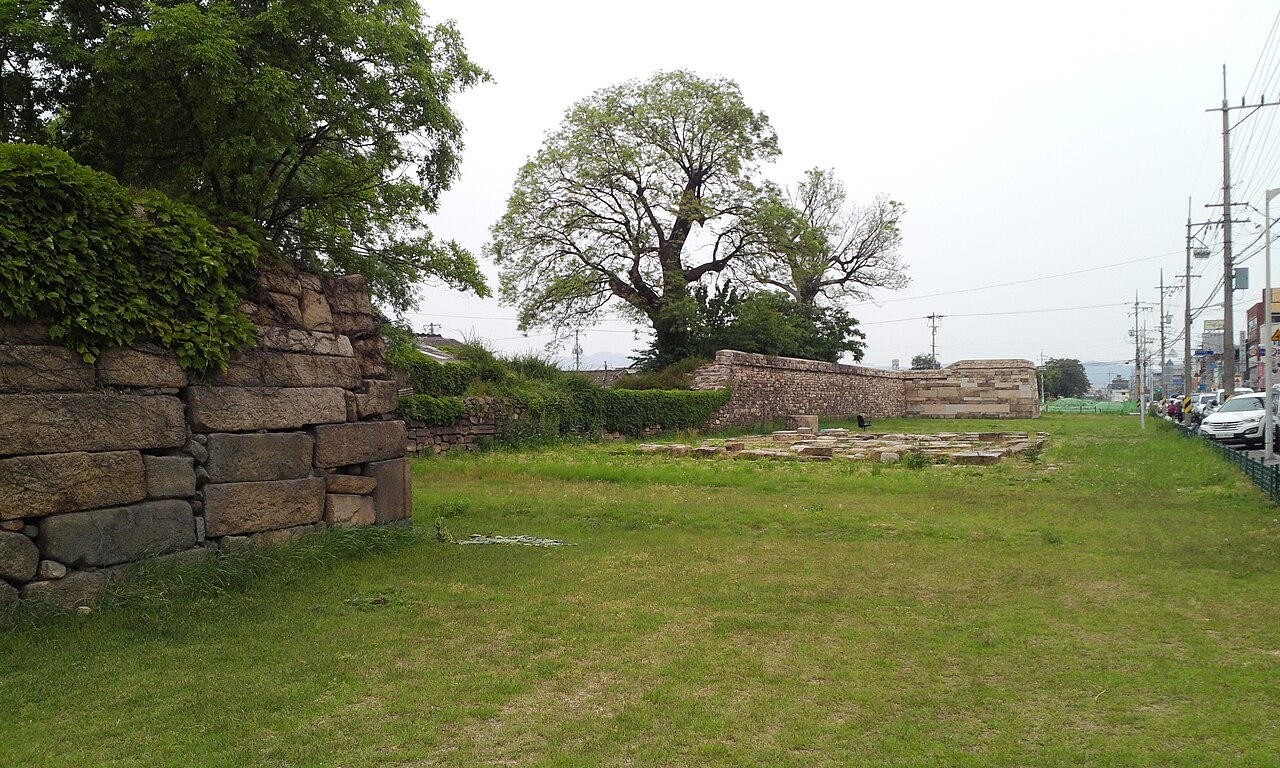
The surviving sections of the fortress walls are constructed from stone, demonstrating advanced masonry techniques of the period. These walls were designed to withstand sieges and attacks, incorporating features such as battlements and watchtowers at strategic points.
Within the fortress boundaries, archaeological evidence suggests the presence of various buildings and facilities, including command posts, barracks, and storage areas, though much of these structures have not survived intact. The fortress's design reflects a blend of military utility and adaptation to the mountainous environment.
Archaeological significance and preservation
The site of Namsansinseong has yielded valuable archaeological finds, including nine steles discovered between 1935 and 1994. These steles provide important historical records about the fortress's construction, renovations, and role in Silla's military history.
Today, much of the fortress lies in ruins, with only portions of the stone walls remaining visible. Efforts to preserve and study the site continue, as it offers crucial insights into early Korean fortification methods and Silla-era architecture.
Current condition and visitor experience
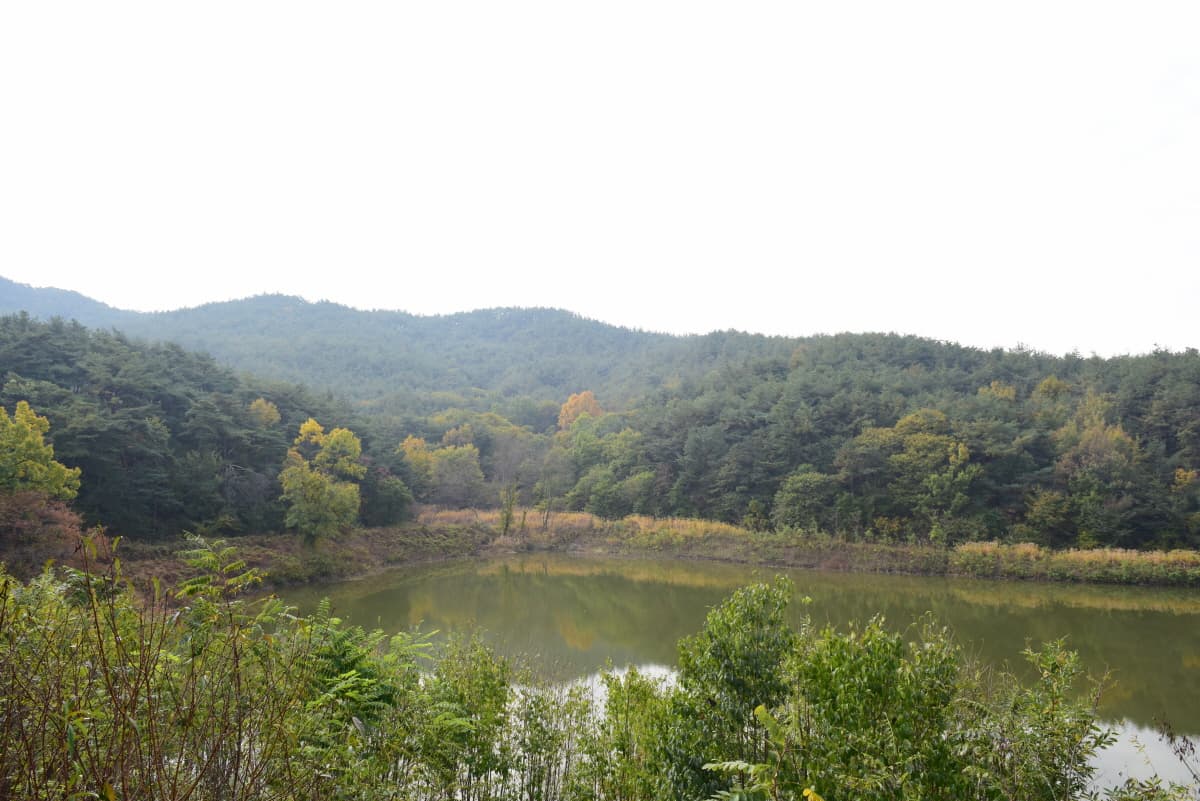
Visitors to Namsansinseong can explore the remnants of the fortress walls and enjoy panoramic views from Namsan mountain. The site is accessible for hiking and historical tours, though much of the original structure is no longer intact, emphasizing the importance of conservation efforts.
The fortress's location within the scenic and culturally rich city of Gyeongju places it among other significant Silla heritage sites, making it a valuable destination for those interested in Korean history and ancient military architecture.
Frequently asked questions (FAQ)
- When was Namsansinseong built and by whom?
- Namsansinseong was built in 591 AD during the reign of King Jinpyeong of the Silla kingdom.
- What is the architectural style of Namsansinseong?
- Namsansinseong is a hill fortress typical of the Early Medieval Silla period, featuring stone walls adapted to mountainous terrain.
- Is Namsansinseong open to visitors?
- Yes, the site is accessible to visitors and offers hiking opportunities along with views of the fortress ruins on Namsan mountain.
- What remains of Namsansinseong today?
- Today, only parts of the fortress walls remain, with much of the structure in ruins, but the site still holds archaeological significance.
- Where is Namsansinseong located?
- Namsansinseong is located on Namsan mountain in Gyeongju, North Gyeongsang Province, South Korea.
Photo gallery

Information
Current owner
State museum
Loading map...
Visitor reviews
No reviews yet. Been here? Write the first review and help other travelers!
Write the first reviewVisited this castle? Share your experience
Your review helps other travelers and adds first-hand knowledge to our encyclopedia.